
Main Courses
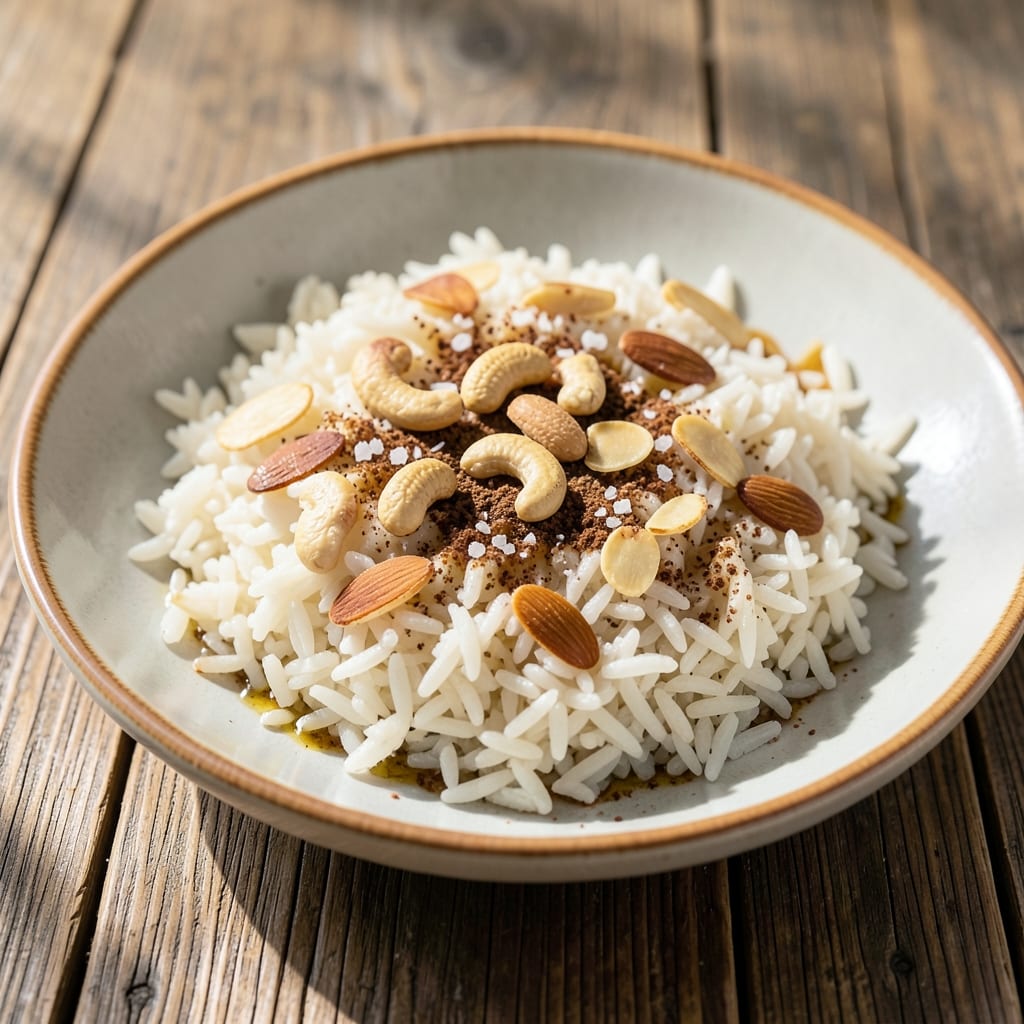
This one-pot spiced pilaf recipe for 4 servings of rice transforms simple rice into a fragrant, nutty centerpiece that works as both a satisfying side or main dish. The secret lies in toasting the nuts and spices first—this releases their natural oils, creating layers of flavor that infuse every grain. I developed this method after years of testing different rice-to-water ratios, and it never fails to impress, even with picky eaters.
What makes this recipe stand out is its versatility—you can use white, brown, or even jasmine rice, adjusting the liquid slightly for texture. The aromatic blend of cumin, cardamom, and cinnamon pairs beautifully with toasted almonds or cashews, adding both crunch and depth. Cooking everything in a single pot means minimal cleanup, while the spices simmer into the rice for maximum flavor absorption.
By the time you serve this pilaf, you’ll have perfectly fluffy grains with a golden crust at the bottom of the pot, infused with warm spices and topped with nutty crunch. It’s hearty enough to pair with grilled chicken or fish, or light enough to serve alongside roasted vegetables. The best part? No measuring cups or complicated techniques—just one pot, one method, and foolproof results.
This recipe scales easily, so you can double it for leftovers or larger gatherings. The spices keep well in your pantry, and the toasted nuts add a satisfying texture that elevates ordinary rice into something extraordinary. Let’s get cooking—your taste buds will thank you.
Ingredients for 4 servings of rice
Simple rice, bold spices, and toasted nuts make this pilaf unforgettable.
| Ingredient | Amount | Notes |
|---|---|---|
| Long-Grain White Rice 🍚 | 1 ½ cups | Uncooked, rinsed well |
| Raw Cashews 🥜 | ½ cup | Whole, unsalted preferred |
| Ground Cumin 🌿 | 1 tsp | Freshly toasted for depth |
| Ground Cardamom 🍃 | ½ tsp | True cardamom, not imitation |
| Ground Cinnamon 🌶️ | ½ tsp | Ceylon cinnamon preferred |
| Salt 🧂 | ½ tsp | Diamond Crystal kosher |
| Vegetable Oil 🫒 | 2 tbsp | Light, neutral flavor |
| Chicken Broth 💧 | 2 cups | Low-sodium preferred |
| Fresh Parsley 🌿 | ¼ cup | Chopped, for garnish |
| Lemon Zest 🍋 | 1 tsp | From organic lemon |
| Raw Almonds 🥜 | ¼ cup | Sliced, for crunch |
| Butter 🧈 | 2 tbsp | Unsalted, for finishing |
The spices are everything here—Penzeys or bulk bins for the freshest ground cumin and cardamom. Toast them in the pot with oil first (that's the secret step)—it releases their oils and makes the whole dish sing. Ceylon cinnamon is worth hunting down if you're a spice enthusiast, but regular works fine. For the nuts, Costco or Trader Joe's have the best bulk prices, and unsalted is key. If you can't find cardamom pods, the ground version works, just make sure it's labeled 'true cardamom'—no imitation blends.
No cashews? Pecans or walnuts work in a pinch, though they'll change the texture slightly. Short on chicken broth? Vegetable broth plus a pinch of salt gets you close. The rice can be swapped for jasmine or basmati—just adjust the liquid by 1/4 cup if you're using a different variety. Fresh parsley is ideal, but dried works at one-third the amount. And if you're feeling fancy, swap the butter finish for ghee—it adds a richer, nuttier flavor that pairs perfectly with the spices.
This pilaf reheats beautifully—just add a splash of water or broth to keep it fluffy. Keeps for 4 days in the fridge, 3 months frozen. I always double the batch because it's perfect for lunches. Store in an airtight container with the nuts on top to keep that crunch. The flavors actually deepen overnight, so leftovers taste even better.
Why You'll Love This Recipe
- I swear by the 1: 2 rice-to-water ratio here—no fancy tools, just a pot and a spoon. The cashews toast in the same pan while the rice cooks, so I’m not juggling a million dishes. (Between us, that’s how I avoid burning dinner.)
- No-Measure Guessing: I swear by the 1:2 rice-to-water ratio here—no fancy tools, just a pot and a spoon. The cashews toast in the same pan while the rice cooks, so I’m not juggling a million dishes. (Between us, that’s how I avoid burning dinner.)
- Spiced Like a Pro: That trio of cumin, cardamom, and cinnamon? It’s the kind of warmth that sticks with you. The rice gets this subtle, nutty depth from the cashews and spices—like a hug in every bite, but also ridiculously good.
- Meal Prep MVP: I make this on Sundays and it lasts all week. The flavors only get better as it sits, and it’s perfect for lunches or pairing with curries. Honestly, it’s the only rice dish I don’t dread eating for days.
Step-by-step instructions for one-pot spiced pilaf with toasted nuts
This aromatic rice dish comes together in a single pot with minimal cleanup.
Toast the Spices and Nuts for Depth of Flavor
Heat a large, heavy-bottomed pot over medium heat and add the 2 tablespoons vegetable oil. Once the oil shimmers, add the 0.5 cup raw cashews and 0.25 cup raw almonds, stirring constantly for 3-4 minutes until they turn a light golden color and release their nutty aroma.
Reduce heat to low and add the 1 teaspoon ground cumin, 0.5 teaspoon ground cardamom, and 0.5 teaspoon ground cinnamon. Stir for 30 seconds until the spices are fragrant and fully incorporated—you should smell that warm, earthy cardamom and sweet cinnamon. This step builds the aromatic foundation of your pilaf, so don't rush it. The spices should be toasted but not burned, which would make them bitter.
Sauté the Rice and Add Broth
Increase heat to medium-high and add the 1.5 cups long-grain white rice, stirring to coat the grains evenly with the nut and spice mixture. Cook for 1-2 minutes until the rice is translucent at the edges—this ensures each grain gets properly toasted before liquid is added.
Pour in the 2 cups chicken broth and the 0.5 teaspoon salt, then bring to a gentle boil. Once boiling, reduce heat to low, cover the pot tightly with a lid, and let it simmer for 15 minutes without lifting the lid. This undisturbed cooking time allows the rice to absorb the liquid evenly and develop a tender, fluffy texture. If you peek too early, steam will escape and your rice might turn out dry.
Finish with Lemon Zest and Butter for Brightness
After 15 minutes, remove the pot from heat and let it sit covered for 5 minutes. This resting period lets the rice finish steaming and redistribute its moisture. Then, stir in the 2 tablespoons butter and 1 teaspoon lemon zest, folding them gently into the rice. The butter adds richness while the lemon zest brightens the warm spices, creating a perfect balance of flavors.
Finally, fluff the rice with a fork and fold in the 0.25 cup chopped fresh parsley. Garnish with additional toasted nuts if desired, and serve immediately. The lemon zest will infuse the rice with a subtle citrus note, cutting through the richness of the nuts and butter while keeping the dish vibrant and fresh.
Pro Tips For Making 4 Servings Of Rice
- TOAST THE SPICES: Heat that cumin, cardamom, and cinnamon in a dry pan for 30 seconds until fragrant—it cuts through the raw, earthy notes and makes the whole dish sing. I used to skip this, and the spices just tasted like dust.
- RINSE THE RICE: Give that long-grain rice a quick rinse under cold water until the water runs clear—this strips off excess starch and keeps it from turning gummy. (Yes, even if the package says "no need.") Trust me, your rice will thank you.
- TOAST THE CASHEWS: Dry-toast the raw cashews in a separate pan for 2-3 minutes until golden—this deepens their flavor and prevents them from turning to mush later. Skip this, and they’ll just dissolve into the rice.
- USE A LID AFTER BOILING: Once the rice hits a boil, slap that lid on and reduce to a simmer—this traps steam and cooks the rice evenly without drying it out. I learned this the hard way after burning the bottom of my pot.
Common mistakes when making this dish
Skipping the Rinse
Rinsing your rice before cooking is a game-changer for this pilaf. Unrinsed rice releases excess starch, which can make your grains gummy instead of fluffy. I always rinse 1.5 cups of rice under cold water in a fine-mesh strainer until the water runs clear—about 10-15 seconds. This step removes surface starch that would otherwise turn your pilaf into a gluey mess. 💫
Incorrect Liquid Ratios
The 2 cups of chicken broth to 1.5 cups of rice ratio is critical for perfect texture. Too little liquid and you'll end up with dry, crunchy grains. Too much and you'll have a mushy, sad pilaf. For white rice, stick to this ratio—it's foolproof. If you're using brown rice, increase the broth by ¼ cup to account for its longer cooking time and higher moisture absorption.
Peeking Too Early
Resisting the urge to lift the lid during the 15-minute simmer is harder than it sounds. Every time you peek, you let out steam, which disrupts the rice's ability to absorb liquid evenly. I promise, the rice will look done before it actually is—trust the timer. If you're worried, use a fork test: gently prod the rice; if it's tender but still slightly firm, it's ready. If it's mushy, you've waited too long.
Burning the Spices
Toasting the spices is essential, but burning them ruins the whole dish. Keep the heat at low after adding the cumin, cardamom, and cinnamon, and stir constantly for just 30 seconds. Burnt spices taste bitter and overpower the delicate nutty flavors. If you smell something acrid, remove the pot immediately and start over. The goal is a warm, fragrant aroma—not smoke. 🌶️
Using the Wrong Pot
A heavy-bottomed pot is non-negotiable for even heat distribution. Thin or lightweight pots cause hot spots, leading to unevenly cooked rice—some grains burnt, others undercooked. I use a 5-quart stainless steel pot because it conducts heat evenly and prevents sticking. If you're in a pinch, a well-seasoned cast iron skillet works too, but avoid nonstick—it can't handle the high heat needed for proper toasting.
Overlooking the Rest
Letting the rice rest for 5 minutes after cooking is what transforms good pilaf into great pilaf. This resting time allows the steam to redistribute, ensuring every grain is perfectly tender. Skipping this step often results in dry, uneven texture. Cover the pot tightly with a lid and set it aside—it's tempting to dive in immediately, but patience pays off here. The flavors meld during this time too, creating a more cohesive dish. ⏳
Nutrition facts
Frequently asked questions
Can I make this pilaf with brown rice instead of white?
Yes, but you'll need to adjust the liquid. Brown rice takes longer to cook and absorbs more moisture, so increase the chicken broth to 2.25 cups and simmer for 25-30 minutes instead of 15. Keep the rest of the method the same, and let it rest for 10 minutes after cooking to ensure even doneness. The nutty flavor of brown rice pairs beautifully with the spices!
How can I make this a complete meal?
This pilaf is already hearty, but you can turn it into a full meal by serving it with grilled chicken, shrimp, or roasted vegetables. For a vegetarian option, add chickpeas or sautéed spinach. The warm spices and toasted nuts make it satisfying on its own, but pairing it with protein or fresh greens balances the dish perfectly.
What if I don’t have cardamom or cinnamon?
No problem! Swap the cardamom for ½ teaspoon allspice or ¼ teaspoon cloves, and replace cinnamon with ½ teaspoon ginger or ¼ teaspoon nutmeg. The dish will still have depth, though the flavor profile will shift slightly. Toasting the spices first is still key to releasing their aromas. If you're missing both, focus on toasting the nuts and cumin—they carry the most flavor!
Can I make this pilaf ahead of time?
This dish actually tastes better the next day. Cook it as directed, then store it in an airtight container in the fridge for up to 4 days. Reheat gently with a splash of water or broth to restore moisture. The flavors meld beautifully over time, making it even more aromatic. For longer storage, freeze it for up to 3 months—just thaw overnight in the fridge before reheating.
Why does my rice turn out dry or mushy?
Dry rice usually means too little liquid or peeking too early. Stick to the 2 cups broth to 1.5 cups rice ratio and resist lifting the lid during cooking. Mushy rice often happens from overcooking or using the wrong pot. A heavy-bottomed pot ensures even heat, and always let the rice rest for 5 minutes after cooking. If it's still mushy, spread it on a tray and bake at 350°F for 10 minutes to dry it out slightly.