
Main Courses
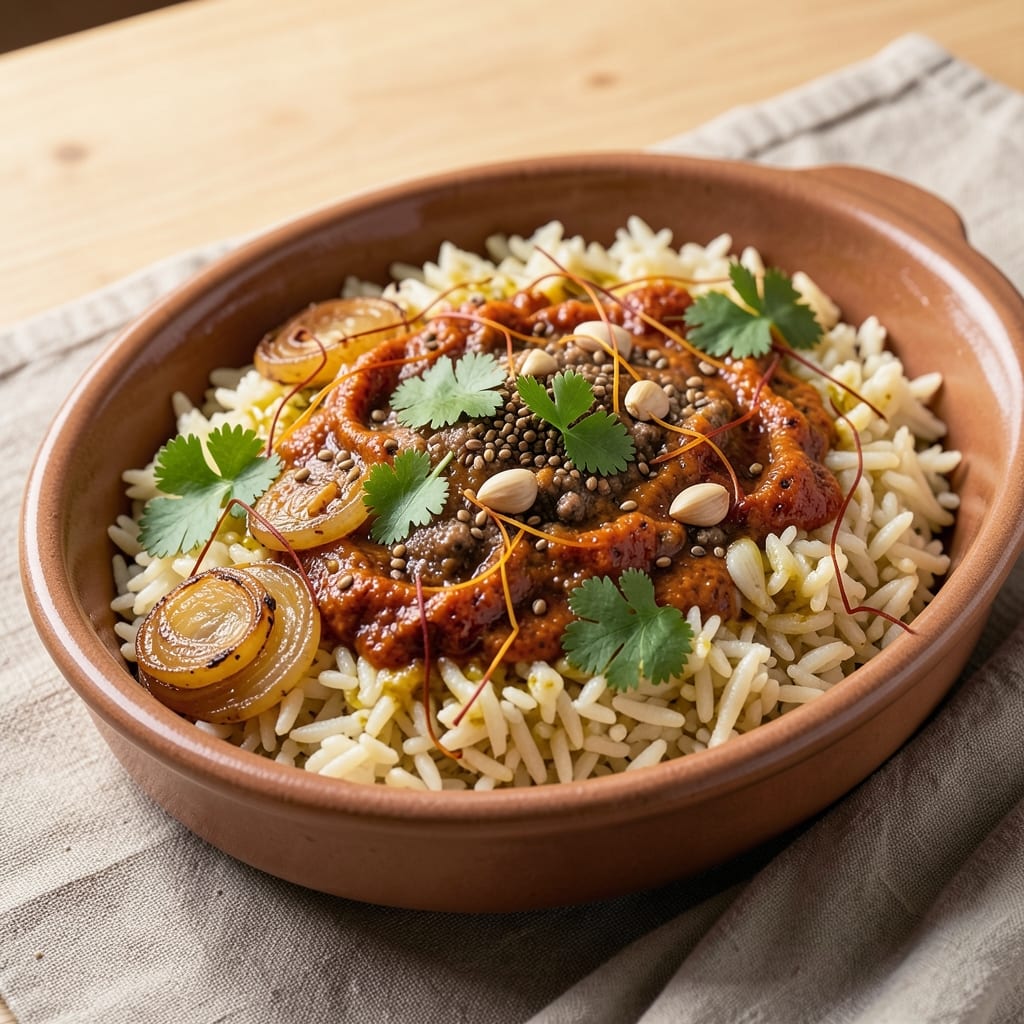
This Algerian rice recipe transforms simple grains into a fragrant, golden pilaf that carries the soul of North African celebrations. The secret lies in slow-toasting spices until they release their deep, toasty aroma—cinnamon, cumin, and coriander—before layers of saffron-infused broth and tender protein create a dish that’s both comforting and sophisticated. I first made this for Eid, and the way the harissa’s subtle heat lingers in every bite still makes me smile.
The magic happens in the method: rice is parboiled in heavily spiced broth, then finished under a tight lid to steam perfectly—no mushy grains here. Algerian cooks traditionally use lamb or chicken, but this version works just as well with chickpeas for a vegetarian twist. The saffron, toasted to deepen its flavor, stains the rice a luminous golden hue, while harissa adds a smoky warmth that balances the dish’s richness.
What you’ll end up with is a fragrant, one-pot masterpiece that’s tender on the inside and slightly crisp at the edges—a dish that feels like a hug in every bite. The spices meld into the rice, creating layers of flavor that build with each mouthful, while the harissa’s heat adds just enough kick to keep things interesting. This is the kind of rice that makes guests ask for seconds and turns ordinary meals into special occasions.
Perfect for family gatherings, holiday feasts, or when you want to bring a taste of Algeria to your table. The recipe scales easily, so you can feed a crowd or just enjoy a comforting bowl for yourself. Let’s get started—your kitchen is about to smell like a Moroccan market.
Ingredients for algerian rice
Toasted spices, saffron-infused broth, and tender chickpeas make this Algerian rice unforgettable.
| Ingredient | Amount | Notes |
|---|---|---|
| Long-Grain White Rice 🍚 | 1 ½ cups | Uncooked, rinsed thoroughly |
| Ground Cumin 🌿 | 1 tbsp | Toasted for deeper aroma |
| Ground Coriander 🌿 | 1 tbsp | Freshly ground preferred |
| Ground Cinnamon 🌿 | ½ tbsp | Ceylon preferred for mildness |
| Harissa Paste 🌶️ | 2 tbsp | Adjust for heat preference |
| Saffron Threads 🧡 | ¼ tsp | High-quality, soaked in 2 tbsp warm water |
| Chicken or Vegetable Broth 💧 | 2 ½ cups | Homemade or low-sodium |
| Onions 🧅 | 1 whole | Yellow or red, finely diced |
| Garlic Cloves 🧄 | 4 cloves | Peeled and minced |
| Extra-Virgin Olive Oil 🫒 | ¼ cup | For toasting spices |
| Chickpeas 🥜 | 1 cup | Canned, drained and rinsed |
| Fresh Parsley 🌿 | ¼ cup | Chopped, for garnish |
| Salt 🧂 | 1 ½ tsp | Kosher or sea salt |
| Black Pepper 🌶️ | ½ tsp | Freshly ground |
The spices are where the magic happens. Penzeys or Spicewalla for cumin and coriander—those bulk bins at Whole Foods are great too, just make sure they smell fresh. Harissa varies wildly in heat; Levant Spice Shop makes a balanced one, but any good brand works. Saffron's the star here—Spanish saffron is more affordable than Iranian but still vibrant. Toast your spices in olive oil until fragrant (about 2 minutes)—that deep, nutty aroma is non-negotiable. If you're using lamb or chicken instead of chickpeas, Costco's bone-in cuts give the best flavor for the price.
No harissa? Mix 1 tbsp smoked paprika + 1 tsp cayenne + 1 tsp garlic powder for a close substitute. Fresh parsley wilting? Dried parsley at half the amount works in a pinch. Short on chickpeas? Substitute with white beans—they hold up just as well. The broth can be homemade (chicken or veggie) or store-bought, but avoid the ultra-low-sodium kind—you want that savory depth. For extra richness, stir in 1 tbsp of tahini at the end, but don't skip the saffron water—it's what gives that signature golden color. The rice should be long-grain white, not basmati or jasmine—it needs to stay firm through all the liquid.
This keeps beautifully for 4 days in the fridge, though it tastes best within 2 days. The flavors actually deepen overnight, so make extra if you can. For leftovers, reheat gently with a splash of broth—microwaving makes the rice dry. Freezes for 3 months, but the texture gets slightly softer. I always make a double batch because it disappears fast—Trader Joe's frozen rice works in a pinch if you're really short on time, but homemade is worth it. Store the saffron threads in a cool, dark place—they'll last years if kept properly.
Why You'll Love This Recipe
- One-Pot Magic: I swear by this—just rice, spices, and a splash of water. No side dishes, no extra pans. The cumin and cinnamon bloom right into the rice while it cooks, turning it golden and fragrant without a single extra step.
- Spice Bomb Flavor: That harissa paste is the star—smoky, slightly spicy, and deeply satisfying. The coriander and cinnamon round it out so perfectly, it’s like a warm hug in every bite. (Yes, even on a Tuesday night.)
- Meal Prep MVP: Make a big batch on Sunday, and you’ve got lunch or dinner covered all week. It reheats beautifully—just add a little water and microwave—and tastes just as good cold in wraps the next day.
- Budget-Friendly Staple: Long-grain rice is cheap, and these spices last forever. A single jar of harissa stretches across multiple recipes, and the flavor? Ridiculously rich for how little it costs. My wallet and taste buds both win.
Step-by-step instructions for Algerian rice pilaf
This aromatic rice dish comes together with layers of toasted spices and bold harissa flavor.
Toast the Spices in Olive Oil
Heat the 0.25 cup extra-virgin olive oil in a medium saucepan over medium heat. Add the 1 whole onion, diced, and cook for 5 minutes until softened and translucent. Add the 4 cloves garlic cloves, minced, and cook for another 1 minute until fragrant.
Reduce heat to low and add the 1 tbsp ground cumin, 1 tbsp ground coriander, and 0.5 tbsp ground cinnamon. Stir constantly for 2 minutes until the spices release their aroma and turn slightly darker. This step is crucial—it deepens the flavor by blooming the spices in the oil. If you smell anything burning, immediately reduce heat further.
Cook the Harissa and Saffron
Increase heat to medium and stir in the 2 tbsp harissa paste, cooking for 1 minute until it darkens slightly. Remove from heat and let cool for 1 minute. In a small bowl, soak the 0.25 tsp saffron threads in 2 tbsp warm water for 5 minutes to release their vibrant color and flavor.
Return the pan to low heat and stir in the soaked saffron and its liquid. The dish should now have a deep red hue from the saffron. Add the 1.5 cups long-grain white rice and stir to coat it evenly with the spiced oil. This ensures every grain absorbs the rich flavors.
Add Broth and Chickpeas
Pour in the 2.5 cups chicken or vegetable broth and bring to a gentle boil. Stir once to distribute the rice evenly. Add the 1 cup chickpeas and 1.5 tsp salt. Reduce heat to low, cover the pan with a tight-fitting lid, and simmer for 15 minutes.
Here's the thing—don't peek or stir during this time. The rice needs undisturbed space to absorb the liquid evenly. After 15 minutes, check the rice. If it's still firm in the center, continue cooking for another 5 minutes. If it's too soft, reduce the heat slightly to prevent mushiness.
Rest and Fluff the Pilaf
Once the rice is tender but still has a slight bite (al dente), remove from heat and let it rest, covered, for 10 minutes. This resting period allows the rice to finish absorbing any remaining liquid and become perfectly fluffy.
After resting, fluff the rice gently with a fork, breaking up any clumps. Stir in the 0.5 tsp black pepper and 0.25 cup fresh parsley. The parsley adds a fresh contrast to the rich, spiced rice. Taste and adjust seasoning if needed—you might need a pinch more salt to balance the harissa.
Serve Warm with Garnish
Transfer the pilaf to a serving dish and garnish with an extra sprinkle of fresh parsley. This dish tastes best served immediately while the rice is still warm and the spices are aromatic. The harissa adds a subtle heat that pairs beautifully with the nutty rice and earthy chickpeas.
For extra flair, serve with a side of yogurt or a simple green salad. The contrast of cool yogurt against the warm, spiced rice is a match made in Algerian culinary heaven. Enjoy your fragrant, flavor-packed Algerian rice pilaf!
Pro Tips For Making Algerian Rice
- TOAST YOUR SPICES FIRST: Heat a dry pan over medium and toast the cumin, coriander, and cinnamon together for 30 seconds until fragrant—this wakes up their flavors and cuts the bitterness. I used to skip this, and the spices just tasted like dust.
- USE HALF THE HARISSA: Algerian rice is bold, but start with 1-2 teaspoons of harissa paste (not the whole jar) and adjust to taste—too much can overpower the rice’s delicate texture. I learned this after serving a dish that tasted like a chili bomb.
- STIR ONCE, THEN STOP: After adding the rice and broth, stir once to distribute, then cover and let it cook undisturbed—constant stirring turns the rice mushy. This isn’t the prettiest method, but it’s the tastiest.
- COOK LOW AND SLOW: Reduce heat to the lowest setting after boiling, then simmer for 18-20 minutes—high heat steams the rice unevenly and leaves it gummy. Sounds weird, but it works: fluffy, separate grains every time.
Storing and reheating this algerian rice
Fridge Storage Tips
Let your Algerian rice cool for 30 minutes before storing it in an airtight container—I use glass Pyrex with snap-on lids to keep flavors fresh. Store in the fridge at 40°F or below for up to 4 days, though the harissa and spices taste best within 2 days. The rice will firm up slightly but stays tender when reheated properly. 🌡️
When reheating from the fridge, add 2-3 tablespoons of broth or water to the pan to prevent drying. Cover and heat over medium-low heat for 8-10 minutes, stirring occasionally. The gentle heat preserves the saffron color and spice layers. If it's too dry, add more liquid—this rice should be moist but not soggy.
Freezer Prep
For longer storage, divide the rice into quart-sized freezer bags (leave 1-inch headspace for expansion). Press out excess air to prevent freezer burn. This pilaf freezes beautifully for 3 months, though the texture becomes slightly softer after thawing. I like to freeze it in single-serving portions for easy reheating. ❄️
Thaw overnight in the fridge before reheating. If you're short on time, microwave on 50% power for 3 minutes, then finish in a skillet with a splash of broth. The spices will still be vibrant, though the rice may lose a tiny bit of its original fluffiness.
Reheating Perfection
My favorite method is stovetop reheating—it keeps the rice moist and restores its aromatic depth. Heat a heavy-bottomed pan over medium heat, add 1 tablespoon olive oil, and stir in the cold rice. Cover and cook for 5-7 minutes, stirring once, until heated through. The oil helps redistribute the spices evenly. 🔥
For extra flavor, stir in ½ teaspoon harissa paste** or a pinch of saffron while reheating. This refreshes the heat and color, making leftovers taste almost as good as fresh. Just avoid the microwave—it turns the rice rubbery and dulls the spices' brightness.
Nutrition facts
Frequently asked questions
What makes Algerian rice different from Moroccan couscous?
Algerian rice is typically a pilaf-style dish with long-grain white rice cooked in heavily spiced broth, while Moroccan couscous is made with steamed semolina grains. The Algerian version uses toasted spices (cumin, coriander, cinnamon) and harissa for heat, while Moroccan couscous often features preserved lemons and ras el hanout. Both are aromatic, but Algerian rice has a more substantial texture.
Can I substitute harissa with another spice?
Yes! For a milder version, use 1 tbsp smoked paprika + 1 tsp cayenne + 1 tsp garlic powder. For extra depth, try ½ tsp ground ginger + ½ tsp turmeric. Just remember harissa gives that signature smoky heat—without it, the dish will taste more like a savory spiced rice than traditional Algerian pilaf.
Why does my Algerian rice turn out mushy?
Overcooking is the #1 culprit! Remove the rice from heat when it's al dente (slightly firm in the center) and let it rest 10 minutes covered. Stirring too often also breaks the grains. For extra insurance, use 1.5 cups rice to 2.5 cups broth—never more liquid than rice. The spices should bloom in oil first to prevent watering down the flavor.
Is this recipe vegetarian-friendly?
The original uses chickpeas, but you can add roasted vegetables (zucchini, bell peppers) or swap chickpeas for white beans or lentils. For extra protein, stir in crumbled feta or tofu at the end. The saffron and harissa keep the dish rich and satisfying without meat.
How do I make this for a large crowd?
Double the recipe and use a large stockpot (8-10 quart) or divide between two pots. For 12 servings, multiply all ingredients by 3. Keep the rice-to-broth ratio the same (1.5 cups rice : 2.5 cups broth per batch). Toast spices in batches if needed, and use a rice steamer basket if your pot is too shallow. Serve family-style in a large bowl for easy sharing.