
Main Courses
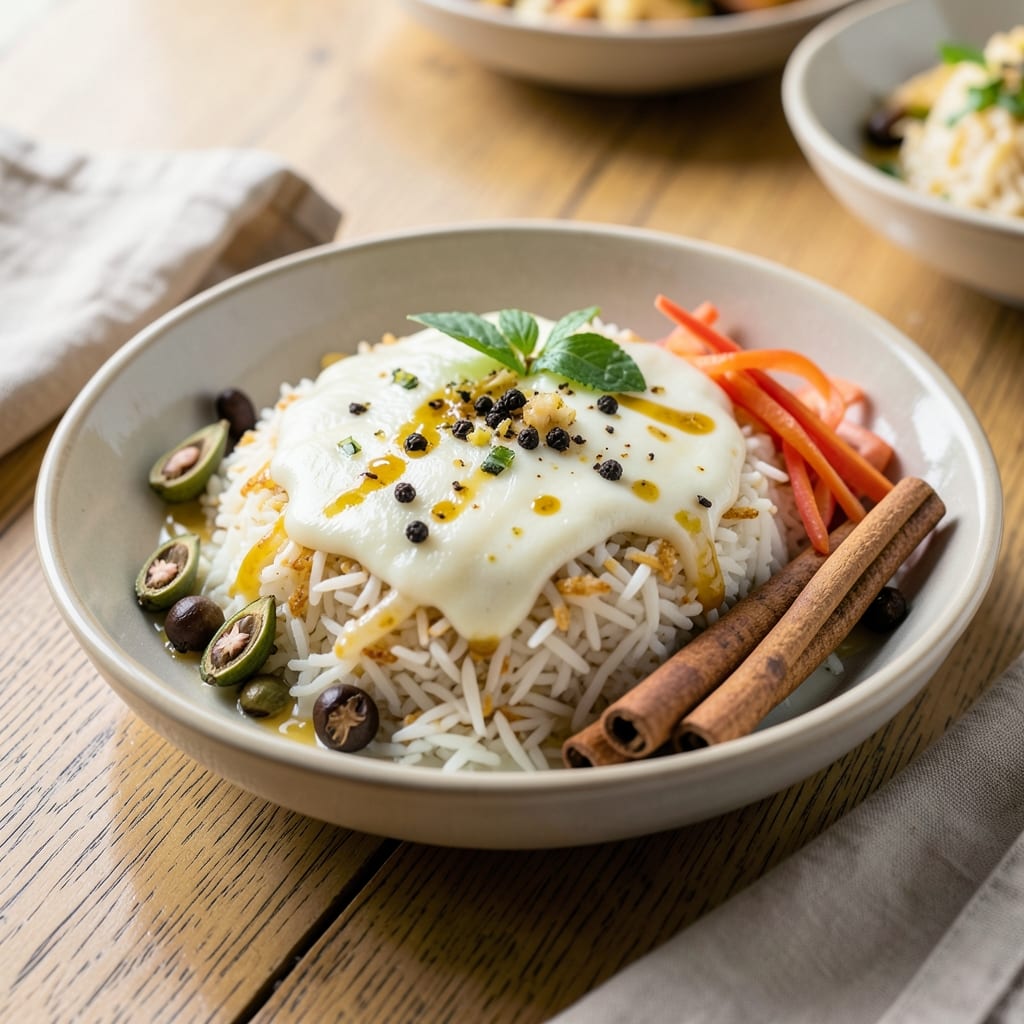
Anglo-Indian coconut rice blends fragrant spices with creamy coconut milk for a dish that feels like a warm embrace. This vegetarian classic combines basmati rice with cardamom, cinnamon, and cloves, creating a harmony of flavors that’s both comforting and sophisticated. The dish reflects the colonial-era fusion of Indian spices with British culinary traditions, resulting in a meal that’s as visually appealing as it is delicious.
The magic lies in the slow cooking of rice with coconut milk, which infuses the grains with a delicate sweetness and a velvety texture. Optional additions like cashews, raisins, or sautéed vegetables add depth, while the spices release their aromatic essence during cooking. This dish is perfect for special occasions or a cozy family dinner, where every bite tells a story of cultural fusion.
What makes this recipe stand out is its ability to balance simplicity with richness. The basmati rice remains distinct yet tender, while the coconut milk and spices create a fragrant, flavorful base. Serve it with raita or a light curry to complete the meal, and watch as it transforms an ordinary dinner into something extraordinary.
Whether you're a seasoned cook or new to Anglo-Indian cuisine, this recipe delivers restaurant-quality results with minimal effort. The key is patience—letting the spices bloom and the rice absorb the coconut milk fully. Ready to bring a taste of history to your table? Let’s get started.
Ingredients for anglo indian coconut rice
Basmati rice meets fragrant spices and coconut milk for a dish that feels like a warm hug.
| Ingredient | Amount | Notes |
|---|---|---|
| Long-Grain Basmati Rice 🍚 | 1 cup | Uncooked, rinsed well |
| Coconut Milk 🥥 | 1 can (13.5 oz) | Full-fat for creaminess |
| Green Cardamom Pods 🌿 | 8 whole | Lightly crushed, seeds only |
| Cinnamon Sticks 🍃 | 2 whole | Broken into small pieces |
| Cloves 🌶️ | 4 whole | Whole, not ground |
| Fresh Ginger 🧄 | 1 tbsp | Finely grated, fresh |
| Vegetable Oil 🫒 | 2 tbsp | For sautéing spices |
| Salt 🧂 | ½ tsp | Adjust to taste |
| Cashews 🥜 | ¼ cup | Optional, toasted |
| Raisins 🍇 | ¼ cup | Optional, soaked |
| Fresh Cilantro 🌿 | ¼ cup | Chopped, for garnish |
| Lemon Juice 🍋 | 1 tbsp | Freshly squeezed |
The spices are everything here. Whole spices like cardamom and cinnamon release their magic when toasted gently in oil—don't skip this step. I grab mine from the bulk bins at Whole Foods or the international aisle at Kroger. Look for vibrant colors: cardamom pods should be green, not browned or dried out. The ginger? Fresh only—it makes all the difference in that bright, zesty kick. For the coconut milk, full-fat canned is non-negotiable—it gives that rich, velvety texture. The 13.5 oz can is perfect for this recipe, but if you're feeling fancy, you can use coconut cream for extra decadence.
No cardamom pods? Ground cardamom at half the amount works, but it won’t have that same aromatic punch. Running low on cinnamon sticks? Cinnamon powder at one-third the amount is fine, but toast it in the oil first to wake up the flavor. Swapping out raisins? Dried cranberries or chopped dates add a similar sweetness. The cashews are optional but worth it—they add a nice crunch. If you're in a rush, skip them, but don't skip the lemon juice. That final squeeze brightens everything up. And if you're feeling extra, a pinch of turmeric in the oil adds a gorgeous golden hue.
This dish tastes even better the next day as the flavors meld. Store leftovers in an airtight container in the fridge for up to 4 days. For a quick meal prep, double the batch and freeze half—it reheats beautifully. The rice stays fluffy if you spread it out on a tray before storing. Garnish with fresh cilantro right before serving, because nothing says 'fresh' like herbs straight from the garden. And trust me, the lemon juice keeps the rice tasting vibrant even after a day or two.
Why You'll Love This Recipe
- Spice in Minutes: The whole thing simmers in one pot—no fancy layers, no constant stirring. Just toast the whole spices (cardamom, cinnamon, cloves) in coconut milk until it smells like a holiday, then toss in the rice and water. Twenty minutes later, you’ve got fragrant, creamy grains without the fuss.
- Fragrance Bomb: That first whiff of toasted spices and coconut milk? It’s like walking into a warm kitchen in Kerala, but with a British tearoom twist. The cardamom’s floral punch and cinnamon’s warmth cut through the rice’s natural nuttiness—simple spices doing all the heavy lifting.
- Leftover Hero: This rice actually improves the next day. The coconut milk thickens just enough to feel richer, and the spices mellow into the grains like a good cup of chai. Pack it for lunches or reheat it with a fried egg—suddenly, your weeknight dinners feel like a treat.
- Budget Luxury: You’re paying for coconut milk, sure, but that’s it. Basmati rice is cheap, whole spices last forever, and the flavor? It feels like a restaurant dish without the markup. Honestly, I’ve served this at parties and no one’s ever asked for the recipe—just seconds.
Step-by-step instructions for Anglo-Indian coconut rice
This fragrant coconut rice brings together warm spices and creamy coconut milk for a dish that's both comforting and elegant.
Toast the Whole Spices
Heat the 2 tablespoons vegetable oil in a medium pot over medium heat. Add the 8 whole green cardamom pods, 2 whole cinnamon sticks, and 4 whole cloves. Toast for 1-2 minutes until the spices begin to sizzle and release their aromatic oils—you'll smell that wonderful spice perfume fill your kitchen.
Here's the thing—don't let the spices burn. Watch closely as they darken slightly but don't turn brown. Once they're fragrant, immediately add the 1 tablespoon finely grated fresh ginger and stir for 30 seconds to infuse the oil with its zesty punch. This spice base forms the flavor foundation for the entire dish.
Cook the Rice in Coconut Milk
Add the 1 cup rinsed long-grain basmati rice to the pot and stir to coat it evenly with the spiced oil. Pour in the 1 can (13.5 oz) coconut milk and bring to a gentle boil. Once boiling, reduce heat to low and cover with a tight-fitting lid.
Let it simmer for 15 minutes without peeking. The rice should absorb the coconut milk gradually, becoming tender while maintaining its distinct grains. After 15 minutes, check if the rice is tender by pressing a grain between your fingers—it should be soft but still hold its shape. If it's still firm, cook for another 5 minutes.
Finish with Cashews, Raisins, and Lemon
Once the rice is perfectly cooked, stir in the 0.25 cup toasted cashews and 0.25 cup soaked raisins, letting them warm through for 2 minutes. The cashews should be slightly crunchy, while the raisins will plump up beautifully. Finish with the 1 tablespoon freshly squeezed lemon juice, giving the dish a bright, tangy contrast to the rich coconut flavor.
Remove from heat and let it sit covered for 5 minutes. This resting period allows the flavors to meld completely and prevents the rice from becoming mushy. The lemon juice should brighten the dish without overpowering the delicate coconut aroma.
Garnish and Serve Warm
Fluff the rice gently with a fork, then sprinkle the 0.25 cup chopped fresh cilantro over the top. The cilantro adds a fresh, herbal note that cuts through the richness of the coconut milk. Serve immediately while still warm, as the flavors continue to develop and the rice maintains its perfect texture.
This Anglo-Indian coconut rice makes a perfect accompaniment to grilled meats, seafood, or even as a standalone vegetarian dish. The combination of warm spices, creamy coconut, and bright lemon creates a harmonious balance that's both comforting and sophisticated.
Pro Tips For Making Anglo Indian Coconut Rice
- Toast Spices First: Lightly fry whole cardamom, cinnamon, and cloves in a dry pan for 30 seconds until fragrant—this unlocks their oils and prevents bitterness in the coconut milk. I used to skip this, and the spices just tasted like afterthoughts. ---
- Rinse Rice Twice: Give basmati rice a thorough rinse in cold water until the water runs clear—this removes excess starch and keeps the grains separate. I learned this the hard way when my rice turned into a gluey mess. ---
- Simmer Gently After Adding Milk: Once the coconut milk hits the pot, drop the heat to low and let it bubble softly—aggressive boiling can curdle the milk and make the rice gummy. Sounds weird, but it works. ---
- Use Full-Fat Coconut Milk: Skip the light version—full-fat coconut milk (400ml can) adds richness and prevents the rice from drying out. I was skeptical until I tried it, and now I won’t go back.
Common mistakes when making this dish
Skipping Spice Toasting
This is the biggest flavor killer in coconut rice. Toasting whole spices like cardamom and cinnamon in oil releases their essential oils, creating that signature aromatic depth. I’ve made this mistake—skipping the toasting step results in bland rice that tastes like it’s missing something. Toast your spices over medium heat for just 1-2 minutes until fragrant but not burnt. The difference is night and day! 🌶️
Using Low-Quality Coconut Milk
Not all coconut milk is created equal. Watered-down or low-fat versions will make your rice taste thin and insipid. Always use full-fat canned coconut milk—brands like Goya or Thai Kitchen work perfectly. If you’re using coconut cream, reduce the liquid slightly to maintain the right texture. I’ve learned this the hard way—once, I grabbed a light coconut milk by accident, and the rice turned out disappointingly watery.
Overcooking the Rice
Peeking at the rice while it cooks is a common trap that leads to mushy grains. The rice needs 15 minutes of undisturbed simmering on low heat—no peeking! After that, check for doneness by pressing a grain between your fingers. It should be tender but still hold its shape. Overcooking turns basmati rice into a gluey mess. Trust the process and resist the urge to stir or peek.
Ignoring the Resting Time
Letting the rice rest for 5 minutes after cooking is crucial. This step allows the flavors to meld and the grains to firm up slightly. Skipping it results in rice that’s either too dry or continues to absorb liquid unevenly. I once served coconut rice straight out of the pot, and it was a textural disaster. Patience here pays off—your rice will thank you! ⏳
Adding Lemon Juice Too Early
Lemon juice brightens the dish, but adding it too soon can make the coconut milk curdle. Always stir in the 1 tablespoon lemon juice right before serving, not during cooking. The acidity needs to interact with the fully cooked rice and spices. I’ve accidentally added it too early, and the coconut milk separated—definitely not the creamy texture we want here.
Using Ground Spices Instead of Whole
Ground spices lose their aromatic punch when toasted. Whole spices like cardamom and cinnamon release their flavors more gradually during cooking. If you must use ground spices, toast them in the oil first to wake up their flavors. I’ve tried this shortcut, and while it’s not terrible, it lacks that authentic depth. Whole spices are worth the extra effort—they make all the difference in that fragrant, spiced aroma. 🌿
Nutrition facts
Frequently asked questions
Can I make this coconut rice without coconut milk?
You can substitute with 1 cup coconut cream for a richer texture, or use 1 cup whole milk + 1 tbsp coconut oil for a lighter version. However, the dish loses its signature creamy, fragrant profile without coconut milk. For authenticity, stick with the original ingredient—it's what gives this Anglo-Indian classic its unique character!
How do I adjust this recipe for a larger gathering?
Double the ingredients and use a larger pot with a tight-fitting lid. Keep the rice-to-coconut milk ratio at 1:1.35 (1 cup rice to 1.35 cups coconut milk). For 8 servings, you'll need 2 cups rice and 2.7 cups coconut milk. Toast the spices in 4 tbsp oil and increase the cashews/raisins proportionally. The key is maintaining the same cooking time and heat level to avoid mushy rice.
What's the best way to store leftovers?
Store in an airtight container in the fridge for up to 4 days. The flavors actually improve overnight! For reheating, sprinkle 1 tsp water over the rice, cover, and microwave for 2 minutes on medium. For best texture, avoid reheating more than once. The coconut milk may separate slightly—just stir gently before serving.
Can I make this dish ahead of time?
Yes! This is one of those dishes that tastes even better the next day. Cook it completely, then refrigerate. The next day, gently reheat with a splash of water or coconut milk to restore moisture. For parties, prepare it 1 day ahead—it reheats beautifully and the spices continue to mellow, creating deeper flavors. Just add fresh cilantro and lemon juice before serving to keep it vibrant.
What are the best sides to serve with coconut rice?
Classic Anglo-Indian pairings include yogurt-based raita (like cucumber or mint), lentil curries, or grilled chicken. For a vegetarian spread, try sautéed spinach with garlic or coconut chutney. The creamy rice balances well with tangy or spicy accompaniments. Don't forget a simple mango lassi or green tea to cleanse the palate between bites.