
Main Courses
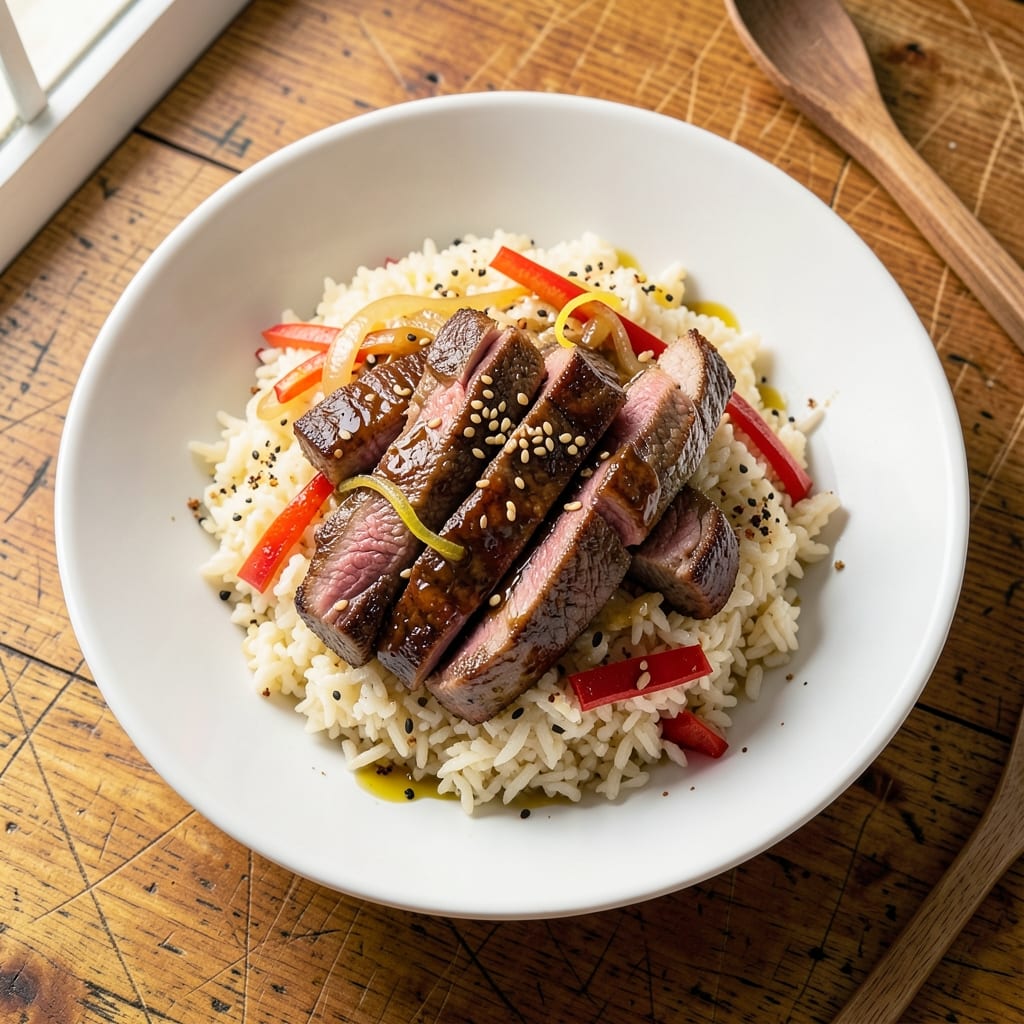
This A1 Japanese steakhouse fried rice delivers the same bold umami crunch and beefy satisfaction you'd get from a high-end wok station. The secret lies in perfectly seared beef strips, day-old rice, and a savory sauce blend that mimics the restaurant's signature flavor profile. I've recreated this dish after studying the technique behind their signature fried rice—where every bite packs layers of caramelized beef, wok-heated aromatics, and that signature umami punch.
The foundation starts with properly cooked rice—day-old works best as it prevents mushiness during stir-frying. Thinly sliced beef is marinated in a blend of soy sauce, Worcestershire, and a touch of A1 steak sauce, then quickly seared for maximum tenderness and flavor. The vegetables (carrots, peas, onions) are prepped in a way that ensures they cook just enough to soften without losing their texture.
What sets this recipe apart is the stir-frying technique—high heat, constant motion, and precise timing to develop that wok-heated aroma. The sauce comes together with a simple combination of soy, sesame oil, and a splash of mirin, creating a glossy finish that coats every grain of rice. The result is a dish that's restaurant-quality at home: perfectly balanced between savory, slightly sweet, and umami-rich.
Serve immediately with a sprinkle of green onions and sesame seeds for that authentic steakhouse presentation. This recipe is designed to be both impressive and approachable, making it perfect for weeknight dinners or special occasions. Let's get cooking!
Ingredients for a1 japanese steakhouse fried rice
Perfectly balanced ingredients for restaurant-quality Japanese steakhouse fried rice at home.
| Ingredient | Amount | Notes |
|---|---|---|
| Day-Old Cooked White Rice 🍚 | 4 cups | Cold or room temperature preferred |
| Ribeye Steak 🥩 | ¾ lb | Thinly sliced against grain |
| A1 Steak Sauce 🍶 | 2 tbsp | For marinade and finishing |
| Soy Sauce 🥄 | ¼ cup | Low-sodium preferred |
| Worcestershire Sauce 🍲 | 1 tbsp | Ensure anchovy-free for vegan |
| Sesame Oil 🫒 | 1 tbsp | Toasted for aroma |
| Mirin 🍶 | 1 tbsp | For sweetness and gloss |
| Carrots 🥕 | 1 medium | Julienned into matchsticks |
| Green Onions 🧅 | 4 whole | Sliced into 1-inch pieces |
| Frozen Peas 🌱 | ½ cup | Thawed before using |
| Vegetable Oil 🫒 | ¼ cup | High smoke point preferred |
| Sesame Seeds 🌾 | 1 tbsp | Toasted for garnish |
| Garlic Cloves 🧄 | 2 cloves | Minced for aromatics |
| White Pepper 🌶️ | ½ tsp | Freshly ground preferred |
| Salt 🧂 | 1 tsp | Adjust to taste |
The ribeye steak is the heart of this dish—look for well-marbled cuts at Whole Foods or your local butcher for optimal flavor. Thinly slicing it against the grain ensures tenderness, and the A1 Steak Sauce adds that signature umami punch. For the rice, day-old is non-negotiable; it absorbs flavors better and prevents mushiness during stir-frying. If you're short on time, cook extra rice the night before and refrigerate. The soy sauce should be low-sodium to avoid over-salting the dish, and mirin adds just the right balance of sweetness without overpowering the savory elements.
No A1 Steak Sauce? Substitute with 1 tbsp soy sauce plus 1 tsp fish sauce for a similar umami kick. Frozen peas are a pantry staple, but if you prefer fresh, blanch them first to preserve texture. The Worcestershire sauce contains anchovies, so for a vegetarian version, use vegan Worcestershire or omit entirely. For extra depth, toast the sesame seeds in a dry pan until fragrant—this enhances their nutty flavor. The garlic should be minced finely for even distribution throughout the dish, and white pepper adds a subtle kick without the color of black pepper.
Store any leftover rice in an airtight container for up to 3 days, though it's best reheated within 24 hours for optimal texture. The stir-fried components can be refrigerated separately for 2 days and combined when ready to serve. For a quick weeknight meal, prep all ingredients ahead—slice the beef, chop the vegetables, and mix the sauce—so you can stir-fry everything in under 10 minutes. Garnish with toasted sesame seeds and green onions right before serving to keep the presentation fresh and vibrant.
Why You'll Love This Recipe
- No Leftover Waste: I swear by this trick—using day-old rice means no sad, soggy scraps. The grains stay separate, crisp up perfectly, and that slight dryness? It soaks up the A1 and soy sauce like a sponge, turning every bite into a flavor bomb.
- Steakhouse Magic: That ribeye adds a richness you won’t find in basic fried rice. Slice it thin, sear it fast, and toss it in with the Worcestershire—suddenly, you’re eating restaurant-quality comfort food for half the price. The A1 sauce ties it all together with that caramelized, umami punch.
- Weeknight Hero: Between us, this is my go-to when I’m too tired to think. Toss in whatever veggies you have (peas, carrots, onions—whatever’s lurking in the fridge), dump in the rice and steak, and stir. Done. No fancy techniques, no stress, just pure satisfaction in 20 minutes.
- Budget-Friendly Feast: A single ribeye stretches across two big servings, and the rest of the ingredients cost pennies. Double the batch, freeze half, and you’ve got a ready-to-reheat meal when you’re too wiped to cook. Honestly, it’s the kind of dish that makes grocery day feel like a win.
Step-by-step instructions for wok-heated umami crunch with beefy bites
Master this Japanese steakhouse technique for restaurant-quality fried rice with perfectly tender beef.
Prep and Sear the Ribeye for Maximum Flavor
Slice the 0.75 lb ribeye steak against the grain into ¼-inch thick strips. In a small bowl, combine 2 tbsp A1 steak sauce, 1 tbsp soy sauce, and 1 tbsp Worcestershire sauce. Toss the steak strips in this marinade and let sit for 10 minutes while you prepare the remaining ingredients.
Heat a large wok or skillet over high heat until smoking. Add 2 tablespoons of vegetable oil and swirl to coat. Working in batches if needed, sear the steak for 1-2 minutes per side until deep golden brown with caramelized edges. Remove from the wok and set aside on a plate. The steak should be rare to medium-rare at this stage—it will finish cooking in the rice.
Build the Umami-Packed Sauce Base
In the same wok, reduce heat to medium-high and add 2 tablespoons of vegetable oil. Add the 2 minced garlic cloves and 1 medium julienned carrot (matchstick-sized). Stir-fry for 1-2 minutes until the garlic becomes fragrant and the carrots soften slightly but remain crisp.
Pour in the 0.25 cup soy sauce, 1 tbsp mirin, and 1 tbsp sesame oil. Add 0.5 cup thawed frozen peas and 4 sliced green onions. Stir constantly for 2-3 minutes until the sauce reduces slightly and the vegetables are bright green and tender-crisp. The mixture should coat the back of a spoon—this is your flavor foundation.
Wok the Rice with Perfect Texture
Increase heat to high and add the 4 cups day-old cooked white rice, breaking up any clumps with a spatula. Stir-fry vigorously for 3-4 minutes until the rice becomes light and separate with crisp edges. The rice should sizzle audibly—this indicates proper heat distribution.
Return the seared steak strips to the wok along with any accumulated juices. Toss everything together for 1-2 minutes until the steak reaches medium doneness and the rice absorbs all the umami-rich sauce. The dish should look glossy from the mirin and deep golden from the caramelized aromatics.
Finish with Crispy Garnishes and White Pepper
Transfer the fried rice to a serving platter and let it rest for 1 minute. Sprinkle evenly with 1 tbsp toasted sesame seeds and 0.5 tsp freshly ground white pepper. The sesame seeds add nutty crunch while the white pepper enhances the umami depth without overpowering.
Garnish with an additional 2 sliced green onions for color contrast. Serve immediately while the rice is steaming hot and the steak remains juicy. The dish should have layered textures—crispy rice edges, tender beef, and bright vegetables—all unified by the glossy sauce.
Pro Tips For Making A1 Japanese Steakhouse Fried Rice
- USE COLD RICE: Cold rice fries better—no need to thaw it first. I used to warm mine up, thinking it’d be easier, but cold rice grabs the sauce and gets that perfect crispy texture without turning mushy.
- CUT STEAK THIN AFTER COOKING: Slice ribeye after searing, not before—thin strips cook faster and soak up the A1 sauce better. I tried pre-slicing once, and half the steak turned rubbery while the rest stayed rare.
- SALT THE RICE: Toss cold rice with a pinch of salt before frying—it crisps up faster and balances the sweetness of A1. Skipping this step means your rice will taste flat, no matter how much sauce you add.
- SAVE THE SAUCE: Mix A1, soy, and Worcestershire after frying the rice and steak—adding it too early makes the rice soggy. I learned this when my first batch turned into a gluey mess.
Make-ahead tips for this dish
Rice Prep Ahead
Cook an extra batch of rice the night before and refrigerate it uncovered for 30 minutes to dry the surface slightly. This prevents mushiness when stir-frying. Store in an airtight container for up to 4 days—the texture actually improves as it ages. I like to portion it into quart-sized containers for easy grab-and-go reheating. 🍚
Beef Prep Shortcut
Slice the 0.75 lb ribeye into strips and marinate it in the sauce mixture for 30 minutes (or overnight in the fridge). Store the marinated beef in a ziplock bag with parchment paper between layers to prevent sticking. This keeps it ready for a quick 1-minute sear when you're ready to cook. 🥩
Sauce Mix Prep
Combine all sauce ingredients (soy sauce, mirin, sesame oil, Worcestershire) in a small bowl and store in the fridge for up to 5 days. This pre-mixed sauce cuts cooking time by 5 minutes and ensures consistent flavor every time. I keep it in a small glass jar for easy pouring. 🥄
Veggie Prep Station
Julienne the carrot and slice the green onions ahead of time. Store them separately in small containers in the fridge for up to 3 days. Thaw the frozen peas in the fridge overnight for even cooking. This prep takes 10 minutes but saves 15 minutes during cooking. 🌱
One-Pot Assembly
For busy days, prep all components separately and store them in a large airtight container in this order: sauce mix, beef, vegetables, and rice. When ready to cook, simply dump everything into your wok and stir-fry as directed. This method maintains texture and flavor perfectly. ⏰
Reheating Leftovers
Reheat fried rice in a skillet over medium heat with 1 tablespoon vegetable oil for 3-4 minutes, stirring constantly. For extra crispiness, add 1 teaspoon sesame oil at the end. Microwave reheating works but results in soggy rice—I avoid it for this dish. 🔥
Nutrition facts
Frequently asked questions
Can I use chicken instead of ribeye for this recipe?
Swap the ribeye for chicken thigh strips (bone-in for extra flavor) and marinate them in the same sauce for 20 minutes. Cook them for 3-4 minutes per side until golden brown and fully cooked (165°F). Chicken absorbs the sauce beautifully but won't have the same beefy richness. For a closer match, use dark meat which stays juicier during stir-frying.
Why does the recipe call for day-old rice?
Day-old rice is crucial because freshly cooked rice releases too much moisture when stir-fried, resulting in mushy texture. The slight dryness from aging creates crisp edges when wok-heated, giving that signature restaurant-style crunch. If you're short on time, cook rice 1 day ahead or spread freshly cooked rice on a tray and refrigerate uncovered for 30 minutes to dry the surface.
How do I get that authentic wok-heated aroma?
Start with a smoking-hot wok and use high heat throughout. The key is constant motion—keep the rice and ingredients moving vigorously for 3-4 minutes until you hear that satisfying sizzle. Add 1 tsp sesame oil at the end for extra aroma. A carbon steel wok works best, but a heavy stainless steel skillet will also give great results. Never overcrowd the pan to maintain proper heat distribution.
Can I make this gluten-free?
Yes! Replace the soy sauce with tamari or coconut aminos (use 3 tbsp for the same flavor impact). Check your A1 steak sauce for gluten—most versions are gluten-free, but verify the label. The Worcestershire sauce typically contains gluten, so substitute with gluten-free Worcestershire or omit it entirely. The dish will still be delicious with these adjustments.
What's the best way to store leftovers?
Store components separately in airtight containers: rice in one, beef/veggies in another, and sauce in a small jar. Refrigerate for up to 3 days. To reheat, stir-fry in a clean wok with 1 tbsp vegetable oil over medium-high heat for 3-4 minutes. Avoid microwaving as it destroys the crisp texture. The beef will reheat perfectly while the rice stays light and flavorful.