
Main Courses
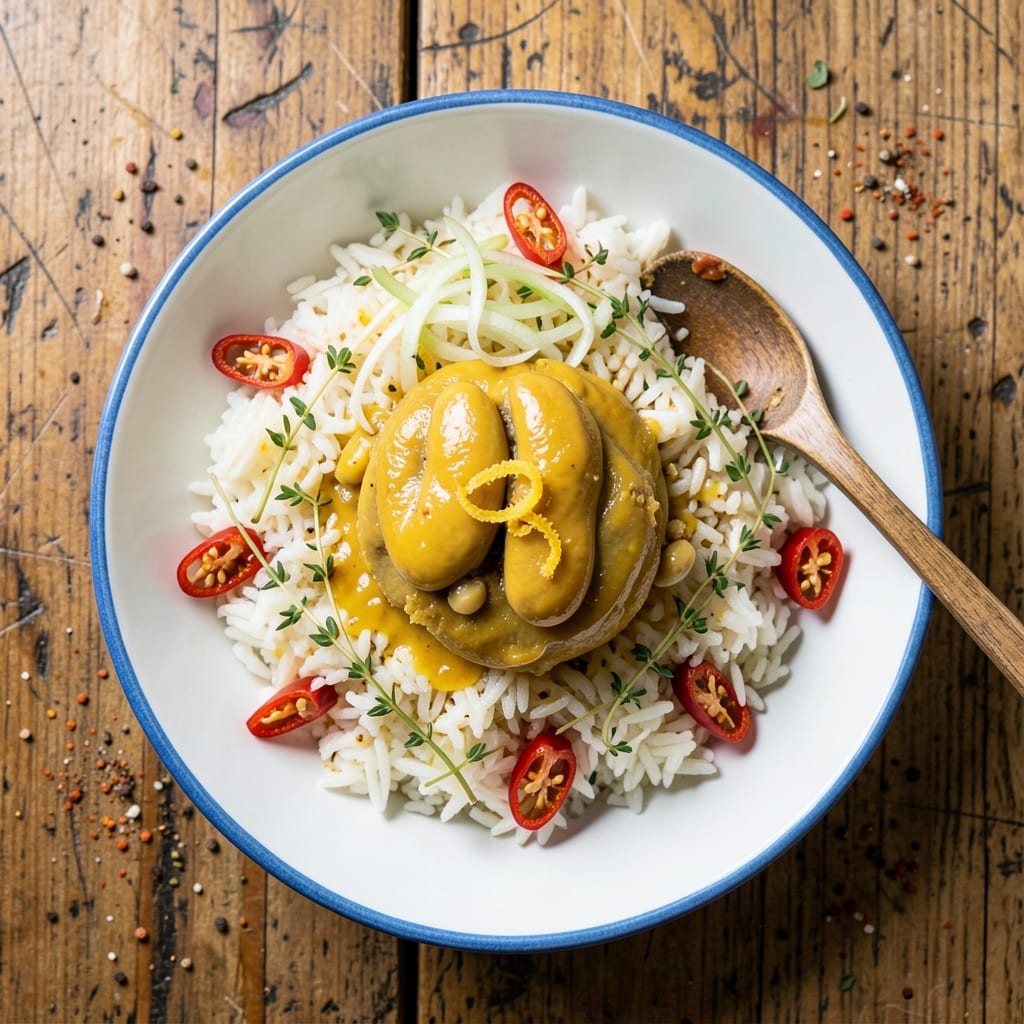
This ackee and rice recipe captures the heart of Jamaica's most beloved breakfast—where tender ackee fruit meets perfectly seasoned rice in a dish that's both comforting and deeply flavorful. The key lies in balancing the natural saltiness of ackee with the aromatic blend of thyme, Scotch bonnet, and garlic that defines this classic. I've perfected this method to deliver a dish that's authentically Jamaican yet approachable for home cooks, using either fresh or canned ackee for convenience without sacrificing flavor.
The magic happens in the seasoning—fresh thyme and scallions infuse the rice with bright, earthy notes, while Scotch bonnet peppers add just the right amount of heat. Cooking the rice with the ackee ensures every grain absorbs the rich, savory broth, creating a dish that's hearty enough for breakfast but satisfying enough to serve at any time. The process is straightforward, but the result is anything but ordinary: a fragrant, golden plate that tastes like home.
What sets this recipe apart is the attention to detail in both preparation and plating. Whether you're using fresh ackee (which requires careful soaking and boiling) or canned (for a quicker version), the technique remains the same—building layers of flavor that come together in one perfect dish. The final result is a vibrant, flavorful plate that pairs beautifully with fried dumplings or callaloo, making it a complete Jamaican meal experience.
Ready in under an hour, this dish delivers restaurant-quality results with minimal effort. The secret is patience—letting the flavors meld and the rice absorb the rich ackee broth fully. Once you try this version, you'll understand why ackee and rice is Jamaica's breakfast staple, and why it's worth making at home.
Ingredients for ackee rice
Rice, ackee, and bold Jamaican spices—this is the essential lineup for Jamaica's golden breakfast plate.
| Ingredient | Amount | Notes |
|---|---|---|
| Canned Ackee 🌱 | 2 cans | Rinsed to remove excess salt |
| Long-Grain White Rice 🍚 | 2 cups | Uncooked, jasmine preferred |
| Scotch Bonnet Peppers 🌶️ | 2 whole | Seeds removed for mild heat |
| Fresh Thyme Leaves 🌿 | ½ cup | Chopped, stems removed |
| Scallions 🧅 | ¼ cup | Sliced, white and green parts |
| Garlic Cloves 🧄 | 4 cloves | Minced, fresh preferred |
| Vegetable Oil 🫒 | ½ cup | For sautéing |
| Chicken or Vegetable Broth 💧 | 2 ½ cups | Low-sodium preferred |
| Salt 🧂 | 1 ½ tsp | Adjust to taste |
| Black Pepper 🌶️ | ½ tsp | Freshly ground |
| Bay Leaves 🍃 | 2 whole | For depth of flavor |
| Fresh Cilantro 🌿 | ¼ cup | Chopped, for garnish |
| Lemon Juice 🍋 | 1 tbsp | Freshly squeezed |
| Smoked Paprika 🌶️ | ½ tsp | For subtle smokiness |
| Canned Tomato 🍅 | ½ can | Diced, for acidity |
Ackee is the star, so choose canned ackee with minimal salt—brands like Caribbean Flavours or Jamaican Choice are reliable. If using fresh, soak overnight to remove toxins, then boil until tender. The Scotch bonnet peppers are non-negotiable for that signature Jamaican heat, but reduce seeds for mild heat. Fresh thyme and scallions are best, but dried thyme works in a pinch—just double the amount. For the rice, jasmine variety absorbs flavors beautifully, but long-grain white rice works fine too. Rinse the rice before cooking to remove excess starch, which prevents mushiness.
No Scotch bonnet? Habanero or Thai bird's eye peppers work in a pinch, but cut the amount by half. Fresh thyme unavailable? Dried thyme at double the quantity gets you close. The canned tomato adds acidity—skip it if you prefer a richer broth. For extra depth, add a splash of soy sauce or a pinch of MSG. The broth should be flavorful but not overpowering—low-sodium is key. If your rice turns out too dry, simply add more hot broth and let it steam. The smoked paprika adds a subtle smokiness that elevates the dish without overpowering the ackee's natural flavor.
Cooked ackee and rice reheats beautifully—just add a splash of water or broth to keep it moist. Store in an airtight container for up to 3 days in the fridge. For longer storage, freeze portions for up to 3 months. The flavors actually deepen over time, making this a perfect make-ahead dish. Garnish with fresh cilantro and a squeeze of lemon before serving—trust me on this. Leftovers taste even better the next day as the flavors meld together. Serve with fried dumplings or callaloo for a complete Jamaican meal.
Why You'll Love This Recipe
- No-Cook Shortcuts: I swear by the canned ackee here—just drain, rinse, and toss it in. The peppers and thyme go in whole, so chopping is minimal. Honestly, I’ve made this while still in my pajamas.
- Scotch Bonnet Magic: That pepper’s heat cuts through the buttery rice like a bright spotlight. One bite and you’ll understand why Jamaicans eat this for breakfast, lunch, and dinner—it’s just that good.
- Lunchbox Hero: Pack this cold or reheated—it’s a crowd-pleaser at potlucks, office lunches, or even your kid’s school picnic. (Yes, even on a Tuesday.) The rice stays fluffy, and the ackee holds up like a champ.
- Budget Breakfast Fix: A single can of ackee feeds four, and the rest of the ingredients cost pennies. I’ll be real: this is my go-to when I’m broke but still want something that tastes like a celebration. Leftovers? Even better.
Step-by-step instructions for Jamaican ackee and rice
This traditional breakfast comes together quickly with proper technique.
Prepare the Ackee and Sauté Aromatics
Drain the 2 cans of canned ackee and rinse thoroughly under cold water to remove excess salt. Transfer to a bowl and set aside. In a large pot, heat the 0.5 cup vegetable oil over medium heat. Add the 2 whole Scotch bonnet peppers (seeds removed), 0.25 cup sliced scallions, and 4 cloves minced garlic. Sauté for 3-4 minutes until the garlic becomes fragrant and the peppers begin to soften.
Here's the thing—don't rush this step. You want the aromatics to develop their flavors before adding the rice. The peppers should be just tender enough to break down slightly but still retain some bite. If the oil starts smoking, reduce the heat slightly and let it cook more gently.
Add Rice and Cook Until Translucent
Add the 2 cups long-grain white rice to the pot and stir to coat evenly with the oil and aromatics. Cook for 3-4 minutes, stirring frequently, until the grains become translucent at the edges. This is crucial for preventing mushy rice—the rice should look slightly glassy when you press a grain between your fingers.
I always add the 1.5 tsp salt and 0.5 tsp black pepper at this stage, mixing well to distribute the seasoning evenly. The rice will absorb these flavors as it cooks. If using jasmine rice, you'll notice it releases a delicate floral aroma during this step—this is your signal that the rice is ready for the next phase.
Incorporate Ackee and Liquid
Gently fold the drained ackee into the rice mixture, being careful not to break the ackee pieces. Add the 0.5 can diced canned tomato, 2.5 cups chicken or vegetable broth, 2 whole bay leaves, and the 0.5 tsp smoked paprika. Stir everything together until the ackee is evenly distributed throughout the rice.
This is where the magic happens—the ackee will begin to soften slightly while absorbing the flavors from the broth and aromatics. Bring the mixture to a gentle boil, then immediately reduce heat to low. Cover the pot with a tight-fitting lid and let it simmer undisturbed for 15 minutes.
Complete Cooking and Finish
After 15 minutes, check the rice for doneness. The liquid should be mostly absorbed, and the rice should be tender but still slightly firm in the center. If there's still liquid remaining, cover and cook for another 2-3 minutes. If the rice seems dry, add 2-3 tablespoons of hot water and stir gently.
Once the rice is perfectly cooked, remove the pot from heat and let it sit covered for 5 minutes. This resting period allows the flavors to meld completely. Stir in the 0.5 cup chopped fresh thyme leaves and 1 tbsp freshly squeezed lemon juice. The acidity from the lemon brightens the dish, cutting through the richness of the ackee.
Garnish and Serve Immediately
Transfer the ackee and rice to a serving dish and garnish with the 0.25 cup chopped fresh cilantro. The bright green color contrasts beautifully with the golden rice and adds a fresh finish. Serve immediately while still hot—this dish is best enjoyed fresh from the pot when the rice is perfectly tender and the ackee is warm.
For the perfect presentation, I like to serve this with fried saltfish or a side of steamed callaloo. The combination of textures and flavors makes this a complete Jamaican breakfast experience. Don't forget to adjust the seasoning to taste—ackee can vary in saltiness, so taste as you go.
Pro Tips For Making Ackee Rice
- Drain Ackee Well: The syrup in canned ackee is sticky and clings like glue—don’t just dump it straight into the pot. Rinse it under cold water, then drain it in a colander for 2 minutes. I learned this the hard way when my rice turned into a sweet, gummy mess instead of fluffy and bright. ---
- Toast the Rice First: Skip the pre-washed rice shortcut—this isn’t risotto. Dry the grains in a skillet over medium heat for 2 minutes until they smell nutty. This prevents mushy rice later, especially since ackee’s natural moisture will fight against even cooking. (Yes, even if you’re impatient like me.) ---
- Mince Scotch Bonnet: Whole peppers scream "beginner mistake." Finely mince them—no bigger than a grain of rice—so the heat distributes evenly. If you’re scared of the burn, wear gloves and work near an open window. Trust me, your taste buds will thank you later. ---
- Bloom the Thyme: Toss fresh thyme leaves into the pot before adding liquid and let them sizzle for 10 seconds. This releases their oils, giving your rice that deep, earthy aroma. I used to just sprinkle it on top—big difference in flavor, zero extra effort.
Health benefits of ackee rice
Protein Powerhouse
Ackee is one of the few fruits that provides complete protein, containing all nine essential amino acids. A single serving of this Jamaican staple delivers about 12 grams of protein, making it an excellent choice for plant-based diets when paired with rice. The combination of ackee and rice creates a balanced meal with both protein and carbohydrates, perfect for sustained energy throughout your morning. 💪
Rich in Healthy Fats
The ackee fruit is surprisingly high in healthy monounsaturated fats, similar to those found in olive oil. These fats support heart health by improving cholesterol levels and reducing inflammation. The fats in ackee also help your body absorb fat-soluble vitamins like A and E, which are present in the accompanying vegetables like callaloo or fried dumplings. This makes ackee rice not just delicious but also nutritious.
Vitamin and Mineral Boost
This dish packs a nutritional punch with vitamins A, C, and B-complex, all of which support immune function and energy metabolism. The ackee provides vitamin A for vision and skin health, while the rice contributes B vitamins for proper nerve function. Don't forget the minerals—potassium from the ackee helps regulate blood pressure, and iron from the rice (especially when cooked with saltfish) prevents anemia. It's a powerhouse of essential nutrients!
Low-Calorie Comfort Food
Despite its rich, satisfying flavors, ackee rice is surprisingly low in calories—about 350-400 calories per serving when prepared with basic ingredients. The fiber in the rice and nutrients in the ackee keep you full without the calorie overload. The dish's natural saltiness comes from the ackee itself, so you can control sodium levels by using low-sodium broth and avoiding excessive salt. Perfect for those looking for hearty but healthy meals!
Digestive Benefits
The fiber in both ackee and rice aids digestion and promotes gut health. The combination of soluble and insoluble fiber helps regulate blood sugar levels and keeps your digestive system running smoothly. Plus, the thyme and garlic in the seasoning have natural antimicrobial properties that support gut health. This makes ackee rice not just a delicious breakfast but also a great choice for maintaining digestive wellness. ✨
Cultural and Nutritional Legacy
As Jamaica's national dish, ackee rice carries deep cultural significance while delivering serious nutritional benefits. The traditional preparation method—cooking with saltfish—adds omega-3 fatty acids, further enhancing the dish's heart-healthy profile. Whether enjoyed for its flavors or nutritional advantages, this dish represents the perfect balance of tradition and health in Jamaican cuisine. The natural sweetness of the ackee pairs beautifully with the savory rice, creating a meal that's as good for you as it is for your soul.
Nutrition facts
Frequently asked questions
Can I use fresh ackee instead of canned?
Fresh ackee requires careful preparation to remove toxins. Soak the fruit in water for 24 hours, changing the water every 8 hours, then boil for 10 minutes before using. Canned ackee is safer and more convenient for beginners—just rinse to reduce saltiness. Fresh ackee must be handled with caution, as the unripe fruit contains toxins that can be deadly if consumed raw.
How do I adjust the heat level in this dish?
Scotch bonnet peppers are key for authentic heat. For milder flavor, remove all seeds and membranes, or use half the amount. Need more heat? Add an extra pepper or a pinch of cayenne. For a completely mild version, substitute with bell peppers, but the dish will lose its traditional Jamaican character. Always taste as you go!
What's the best rice for this recipe?
Long-grain white rice or jasmine rice works best—they absorb flavors beautifully without becoming mushy. Avoid short-grain or instant rice, as they can turn gummy. Rinse the rice before cooking to remove excess starch, which helps prevent clumping. Pro tip: Toast the rice in the oil for 3-4 minutes before adding liquid to enhance flavor.
Can I make this recipe vegetarian?
Yes! Skip the saltfish and use vegetable broth instead. For extra protein, add chickpeas or tofu. The dish will still be flavorful, though traditionally it's made with seafood. The key is balancing the ackee's natural saltiness with the seasoning—add a splash of soy sauce if needed to enhance umami.
Why does my ackee rice turn out dry?
Dry rice usually means too much heat or not enough liquid. Cook at low heat and cover tightly to trap steam. If needed, add 2-3 tablespoons of hot water or broth during cooking. The rice should be tender but not mushy—if it's still firm after resting, it's undercooked. For next time, use a 1:1.5 rice-to-liquid ratio as a guideline.