
Main Courses
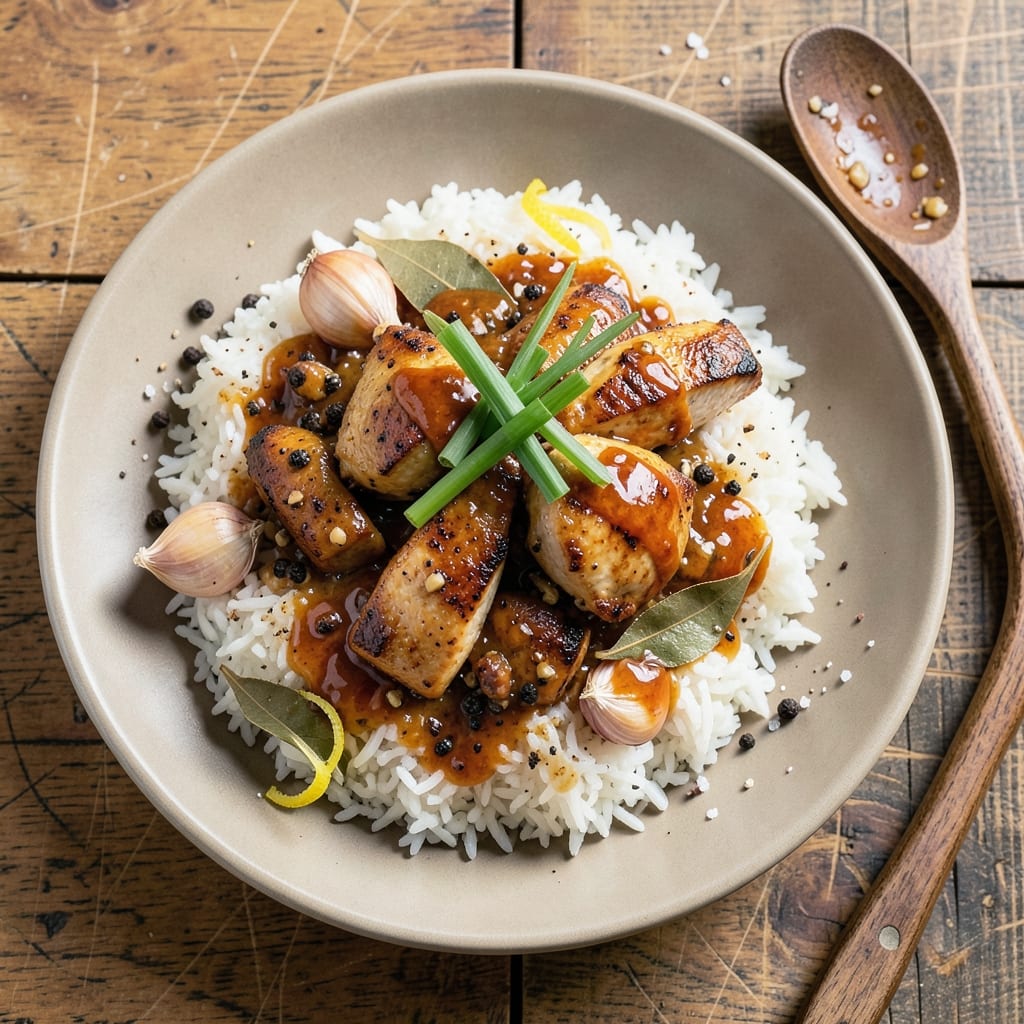
This Filipino adobo rice recipe delivers the perfect balance of crispy rice crusts and deep, savory aromas that define comfort food. The secret lies in cooking the rice in adobo sauce—where soy, vinegar, and garlic transform simple grains into something extraordinary. I've perfected this dish over years of family gatherings, where every bite brings back memories of home.
The magic starts with the protein—whether chicken or pork—simmered in a rich adobo marinade until tender. That same flavorful liquid infuses the rice, creating a dish that's both hearty and aromatic. The key is letting the rice develop a crispy crust at the bottom while staying tender inside, a technique that takes practice but pays off in every bite.
What makes this recipe special is how it brings Filipino flavors to life—bright, tangy, and deeply satisfying. Serve it with atchara (pickled vegetables) or a fried egg on top for the full experience. The aroma alone will have your kitchen smelling like a bustling Filipino karinderia, and the taste? Pure comfort in a bowl.
This isn't just a recipe; it's a tradition. The soy-steeped rice, the tender protein, and the perfect balance of flavors make it a dish worth mastering. Whether you're cooking for family or treating yourself, this adobo rice will become a staple in your meal rotation.
Ingredients for adobo rice filipino
Simple ingredients that transform into Filipino comfort food with crispy crusts and savory aromas.
| Ingredient | Amount | Notes |
|---|---|---|
| Jasmine Rice 🍚 | 2 cups | Uncooked, long-grain preferred |
| Light Soy Sauce 🥢 | ½ cup | Kikkoman preferred for balance |
| Cane Vinegar 🍶 | ¼ cup | White vinegar substitute if needed |
| Garlic Cloves 🧄 | 6 cloves | Minced finely for deep flavor |
| Bay Leaves 🌿 | 2 whole | For aromatic depth |
| Chicken Breast 🍗 | 1 ½ lb | Boneless, skinless, cut into chunks |
| Olive Oil 🫒 | 2 tbsp | For searing chicken |
| Black Peppercorns 🌶️ | 1 tsp | Crushed for texture |
| Salt 🧂 | 1 ½ tsp | Kosher preferred for balance |
| Sugar 🍚 | 1 tbsp | Balances acidity |
| Green Onions 🧅 | 2 whole | Sliced for garnish |
| Water 💧 | 2 ½ cups | For rice cooking |
The rice is the heart of this dish—jasmine rice gives that fragrant, slightly sticky texture. Look for Koshihikari or Calrose if you want premium quality, but any long-grain rice works. The soy sauce should be light, like Kikkoman, for that authentic balance. Vinegar is key here; cane vinegar has the right tang, but white vinegar in a pinch won't ruin it. For the chicken, boneless, skinless breasts cut into even chunks ensure consistent cooking. If you're using pork instead, go for tender cuts like shoulder or loin—they hold up better to the long simmer.
No light soy sauce? Dark soy sauce at half the amount works, but it'll be darker. Vinegar substitute? Lemon juice or apple cider vinegar both work, though cane vinegar's depth is ideal. The garlic should be finely minced—no big chunks. For extra flavor, toast the garlic in the olive oil before adding other ingredients. The bay leaves add subtle aroma; if you're missing them, dried thyme at one-third the amount is a decent swap. The sugar balances the acidity—don't skip it, even if you're watching sweetness. And those green onions? Freshly sliced right before serving makes all the difference.
This dish tastes even better the next day—the flavors meld overnight. Store leftovers in an airtight container for 4-5 days in the fridge. For longer storage, freeze portions for up to 3 months. The crispy rice crust? That's the magic—don't stir the rice once it starts browning. If you're prepping ahead, cook the chicken in adobo sauce first, then store separately and add the rice later. Garnish with green onions right before serving to keep them vibrant.
Why You'll Love This Recipe
- Pantry Magic: I swear by this recipe when I’ve got nothing but rice, soy sauce, and a few forgotten spices. The vinegar and garlic transform basic jasmine rice into something restaurant-worthy—no fancy ingredients, just bold flavor.
- Garlic-Vinegar Magic: That tangy, savory punch from the cane vinegar and garlic? It’s the kind of taste that makes you pause mid-bite. The soy sauce deepens it, and suddenly, plain rice feels like a celebration.
- Lunchbox Legend: Between us, this is my go-to for meal prep. The rice stays fluffy for days, and the adobo seasoning keeps it exciting—pack it in containers for work or school, and no one will guess it’s from last night’s leftovers.
- Budget Bulk Winner: Honestly, I make this when I’m pinching pennies. A bag of rice, a bottle of soy sauce, and a few cloves of garlic stretch across multiple meals without breaking the bank. Plus, the leftovers reheat like a dream.
Step-by-step instructions for adobo rice Filipino recipe
Master the perfect balance of tangy, savory flavors with this authentic Filipino method.
Marinate and Sear the Chicken
Cut the 1.5 lb chicken breast into 1-inch chunks and place them in a bowl. In a separate small bowl, combine the 0.5 cup light soy sauce, 0.25 cup cane vinegar, 1 tbsp sugar, 1.5 tsp salt, and 1 tsp crushed black peppercorns. Pour this marinade over the chicken and toss until fully coated. Let it marinate for at least 30 minutes at room temperature—this ensures deep flavor penetration.
Heat 2 tbsp olive oil in a large skillet over medium-high heat. Add the marinated chicken and cook for 5-6 minutes until the edges turn golden brown and the internal temperature reaches 165°F. Remove the chicken from the skillet and set it aside, leaving the rendered juices in the pan. This step builds the foundation of your adobo sauce while keeping the chicken tender.
Build the Adobo Sauce
Return the skillet to the stove over medium heat. Add the 6 minced garlic cloves and 2 whole bay leaves, stirring for 30 seconds until the garlic becomes fragrant and lightly golden. Be careful not to burn it—garlic turns bitter quickly.
Pour the marinade from the chicken bowl into the skillet, scraping up any browned bits from the bottom. Simmer for 5-6 minutes until the sauce reduces by about half and thickens slightly. The sauce should coat the back of a spoon with a glossy sheen. This reduction concentrates the flavors and balances the acidity from the vinegar. Taste and adjust seasoning if needed—you may want to add a pinch more salt or sugar depending on your preference.
Cook the Jasmine Rice with Adobo
In a separate pot, combine the 2 cups jasmine rice and 2.5 cups water. Bring to a boil, then immediately reduce heat to low. Stir once to distribute the grains evenly, then cover tightly with a lid. Let the rice simmer undisturbed for 15 minutes—this initial cooking creates a firm base for the crispy crust.
After 15 minutes, carefully transfer the chicken and adobo sauce from the skillet to the rice pot. Gently fold everything together, ensuring the rice absorbs the flavorful sauce. Increase heat to medium-low and cook uncovered for an additional 10 minutes. This step allows the rice to develop its signature crispy crust while absorbing the rich adobo flavors. You'll know it's ready when the top layer turns deep golden brown and slightly crispy.
Rest and Garnish
Once the rice reaches the golden brown stage, remove it from heat and let it rest for 5 minutes. This resting period allows the steam to redistribute and the rice to finish cooking evenly. Tent the pot loosely with foil if needed to prevent drying out.
Slice the 2 whole green onions into ¼-inch pieces and sprinkle them evenly over the rice. The bright green color and mild onion flavor provide a beautiful contrast to the rich, savory adobo. Serve immediately with the crispy rice crust intact—this is where the magic happens. Each bite should deliver perfectly balanced flavors with a satisfying crunch from the caramelized top layer.
Pro Tips For Making Adobo Rice Filipino
- Bloom the Garlic First: Crush those garlic cloves with the flat side of your knife before adding them to the pot—this releases more flavor faster. I used to just chop them, and the dish always felt a little flat until I tried this. Two minutes of extra work makes a real difference in the depth of that savory-sour punch. ---
- Simmer, Don’t Boil: Once the rice and adobo liquid are mixed, keep the heat at a gentle simmer—low enough that you barely see bubbles. I learned this the hard way after burning the bottom of my pot twice; the rice absorbs the sauce better when it’s coaxed along, not rushed. ---
- Vinegar First, Soy Sauce Last: Add the cane vinegar to the pot before the soy sauce, and let it cook off for 30 seconds—this mellows the sharpness so the soy sauce can shine. Skipping this step leaves the rice tasting harsh, like someone dumped a bottle of vinegar on your plate. ---
- Toast the Bay Leaves: Fry the bay leaves in a dry pot for 10 seconds until fragrant—it’s the easiest way to wake up their flavor. I was skeptical until I tried it, and now I can’t imagine making adobo without this tiny upgrade. Just don’t let them burn, or you’ll regret it.
Flavor customization for this recipe
Spicy Adobo Twist
Add 1-2 tbsp of chopped siling labuyo (Filipino chili) to the adobo sauce for a fiery kick. If you can't find it, ½ tsp of cayenne pepper works in a pinch. For a balanced heat, add 1 tsp of sugar to the sauce to mellow the burn. This variation is perfect if you love bold, spicy flavors but still want the dish's signature tangy-savory balance. 🌶️
Sweet and Smoky Pork Version
Swap the chicken for 1.5 lbs of pork shoulder cut into chunks. Add 1 tbsp of brown sugar and ½ tsp of smoked paprika to the marinade for a deeper, smoky flavor. The pork benefits from a longer simmer—15-20 minutes—to become fork-tender. This version is heartier and perfect for those who love rich, caramelized flavors. 🔥
Vegetarian Adaptation
Replace the chicken with 1.5 lbs of extra-firm tofu pressed and cubed, or 1 can of chickpeas drained and rinsed. Add 1 tbsp of soy sauce and ½ tsp of turmeric to the marinade for extra depth. The tofu absorbs the adobo flavors beautifully, while chickpeas add a satisfying texture. This version keeps the dish vegetarian while maintaining its comforting essence. 🌱
Coconut Milk Creaminess
Stir in ½ cup of coconut milk with the adobo sauce for a luscious, creamy texture. This addition works especially well with the pork version, adding a tropical twist. The coconut milk also balances the acidity of the vinegar, making the dish richer and more decadent. Garnish with toasted coconut flakes for an extra layer of flavor. 🥥
Garlic Lover’s Upgrade
Double the garlic to 12 cloves and sauté it until deep golden brown for a nutty, intense flavor. For an extra boost, add 1 tsp of garlic powder to the marinade. This version is ideal if you love garlic-forward dishes—every bite will be packed with aromatic depth. Just be prepared for a strong garlic punch! 🧄
Lemon Zest Brightness
Finish the dish with 1 tbsp of fresh lemon zest mixed into the adobo sauce. The citrus notes cut through the richness, adding a refreshing contrast. Pair this version with a fried egg on top for a classic Filipino breakfast or brunch dish. The zest adds brightness without overpowering the dish’s savory base. 🍋
Nutrition facts
Frequently asked questions
Can I use white rice instead of jasmine rice?
While jasmine rice is traditional for its fragrant aroma, you can use long-grain white rice in a pinch. The texture will be slightly less sticky, but the flavor will still shine. For best results, rinse the rice thoroughly to remove excess starch, which helps prevent mushiness when cooking with the adobo sauce.
Why does my adobo rice turn out mushy?
Mushy rice usually happens from overcooking or stirring too much. The key is to let the rice cook undisturbed after adding the adobo sauce—only stir once to combine. Also, make sure your rice-to-water ratio is correct (2 cups rice to 2.5 cups water) and reduce heat to medium-low when developing the crispy crust.
How can I make this vegetarian?
Replace the chicken with extra-firm tofu (pressed and cubed) or chickpeas for a hearty texture. Boost the marinade with 1 tbsp soy sauce and ½ tsp turmeric for depth. The tofu absorbs flavors beautifully, while chickpeas add satisfying bite—both work perfectly with the adobo sauce.
Can I make this in a rice cooker?
Yes! Cook the chicken and adobo sauce separately, then add the rice and sauce to your rice cooker. Use the same rice-to-water ratio and let it cook on high until the rice is tender. The crispy crust won't form as dramatically, but you'll still get flavorful, aromatic rice with all the adobo goodness.
What's the best way to store leftovers?
Store in an airtight container for up to 4-5 days in the fridge. For longer storage, freeze portions for 3 months. Reheat gently on low heat with a splash of water to restore moisture—microwaving can make the rice dry out. The flavors actually improve overnight!