
Side Dishes
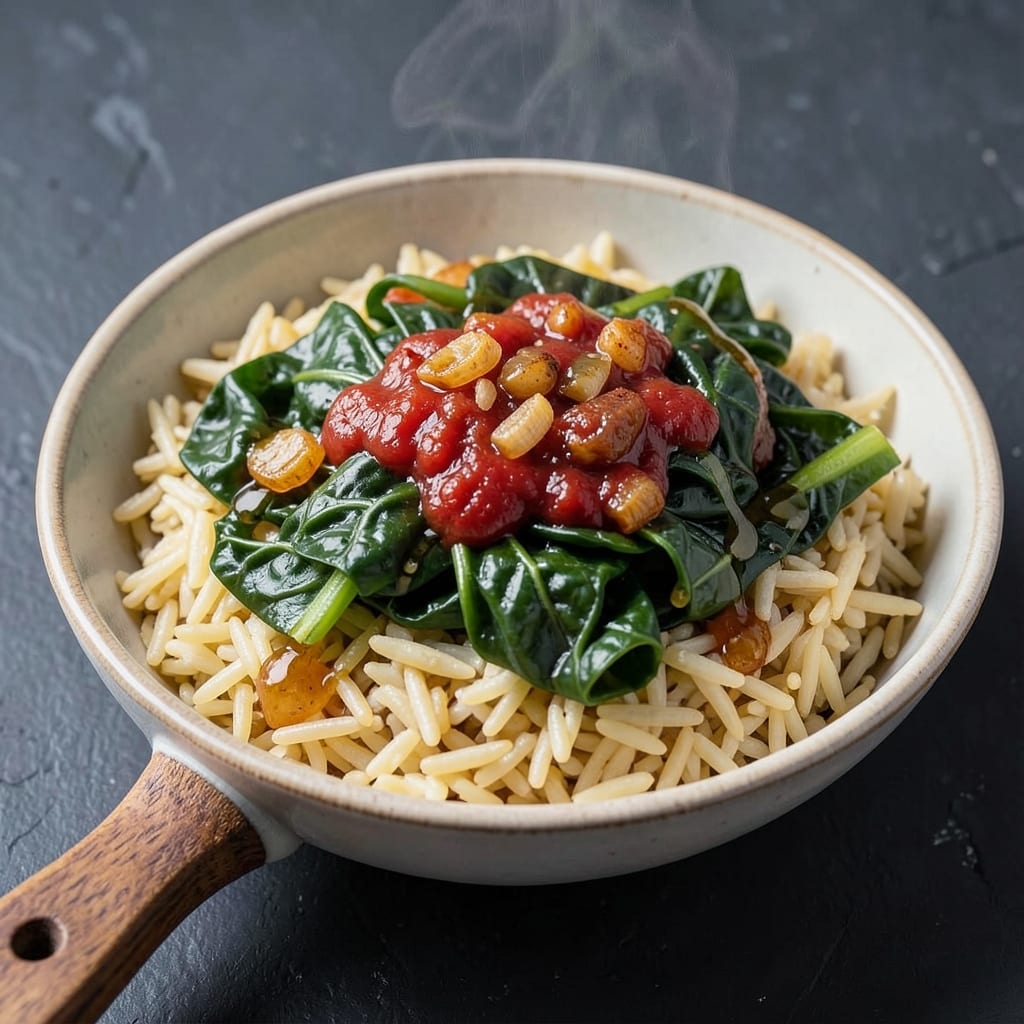
This African collard greens and rice recipe transforms simple ingredients into a vibrant, flavor-packed dish that balances earthy greens with fragrant basmati rice. The secret lies in a tomato-pepper vinegar infusion that tenderizes the collards while infusing them with bright, tangy depth—no shortcuts, just layered flavor built through slow cooking. I developed this recipe after years of refining techniques to capture the soul of West African home cooking, where greens aren't just a side but a centerpiece of the meal.
The foundation is a rich vegetable broth that simmers with garlic, onions, and aromatic spices until the collards melt into tender perfection. Meanwhile, the basmati rice cooks separately in a light infusion of the same spices, ensuring each bite delivers both texture and flavor harmony. What sets this dish apart is the vinegar—it cuts through the richness while adding a subtle tang that keeps every mouthful vibrant. This method preserves the greens' natural nutrients while making them irresistibly tender.
By the time you serve this dish, you'll have a plate that's visually striking with deep green collards draped over fluffy rice, each component perfectly balanced. The aroma alone—smoky, slightly sweet, with a hint of vinegar brightness—will draw everyone to the table. It's a complete meal that's vegetarian-friendly yet packed with depth, proving that sides can stand alone as the star of the show.
Perfect for family dinners, potlucks, or meal prep, this recipe scales easily while maintaining its restaurant-quality balance. The vinegar infusion can be adjusted to taste, and optional garnishes like toasted peanuts or fresh herbs add extra layers of texture. Here's how to bring this African-inspired classic to your table with professional results every time.
Ingredients for african collard greens and rice
Earthy collards meet fragrant basmati in this vibrant African-inspired dish. Simple ingredients transform into restaurant-quality flavor through slow cooking and vinegar infusion.
| Ingredient | Amount | Notes |
|---|---|---|
| Fresh Collard Greens 🥬 | 1 ½ lb | Stems removed, chopped into ribbons |
| Long-Grain Basmati Rice 🍚 | 1 cup | Uncooked, rinsed thoroughly |
| Yellow Onions 🧅 | 1 whole | Medium, diced small |
| Garlic Cloves 🧄 | 6 cloves | Fresh, minced finely |
| Canned Tomato Sauce 🍅 | 14 ½ oz | San Marzano preferred |
| White Wine Vinegar 🍶 | ¼ cup | Distilled or apple cider |
| Red Bell Pepper 🌶️ | 1 whole | Medium, diced small |
| Vegetable Broth 💧 | 2 cups | Low-sodium preferred |
| Ground Black Pepper 🌶️ | ½ tsp | Freshly cracked |
| Ground Cumin 🌿 | 1 tsp | Toasted for depth |
| Smoked Paprika 🌶️ | 1 tsp | For smoky richness |
| Salt 🧂 | 1 ½ tsp | Diamond Crystal preferred |
| Fresh Thyme Leaves 🌿 | ¼ cup | Or 1 tsp dried thyme |
| Olive Oil 🫒 | ¼ cup | Extra-virgin for cooking |
| Toasted Peanuts 🥜 | ¼ cup | Optional garnish |
The collard greens are the star here—look for deep green, crisp leaves at the grocery store's produce section. Whole Foods or local farmers markets often carry the freshest varieties. If you can't find collards, substitute kale or mustard greens, but chop them finely for faster cooking. For the tomato sauce, San Marzano cans deliver the sweetest flavor, though any quality canned tomatoes work. The vinegar is non-negotiable—white wine vinegar or apple cider vinegar both work, but avoid balsamic for this dish. Toast your cumin seeds in a dry pan for 30 seconds before grinding to deepen their flavor—Penzeys Spices sells pre-toasted blends if you're short on time.
No fresh thyme? Dried works at one-third the amount, but fresh gives that bright, herbal note. Short on peanuts? Toasted pumpkin seeds or sesame seeds make great garnishes too. The vegetable broth can be homemade or store-bought—Pacific Foods or Imagine brand are low-sodium and widely available. For the rice, rinsing thoroughly removes excess starch to prevent gummy texture. If you're making this for a crowd, double the broth and greens—this recipe scales beautifully while maintaining balance. The bell pepper can be swapped for jalapeño or serrano for heat, but red adds that classic West African color.
Collards keep best in the fridge for 3-4 days if stored in a sealed container with a damp paper towel. The cooked rice reheats beautifully—just add a splash of water and cover for 5 minutes. For meal prep, store components separately and assemble when ready to eat. The vinegar infusion can be made ahead and stored in the fridge for up to 5 days, though it's best used within 2 days for peak brightness. Freeze the cooked greens for up to 3 months by portioning into airtight containers. Garnish with fresh herbs like cilantro or scallions right before serving to keep everything vibrant.
Why You'll Love This Recipe
- One-Pot Magic: I swear by this recipe—just toss everything in one pot, and the rice and greens cook together like they’ve been best friends forever. No fancy equipment, no stress, and that rich tomato base clings to the rice perfectly.
- Garlic Bomb: Between us, the garlic here isn’t just a sidekick—it’s the star. Those cloves get crisped in the oil until they’re golden and fragrant, then simmered into the greens until every bite has that deep, toasty punch. Honestly, I’ll take this over plain collards any day.
- Leftover Goldmine: This dish actually tastes better the next day. The flavors meld overnight, and the rice soaks up all the extra sauce, making it even more satisfying. I make a double batch on Sundays because it’s my go-to for lazy lunches all week.
- Budget-Friendly Feast: Collard greens and rice? That’s a dollar-store dream. Fresh or frozen greens, a can of tomato sauce, and a bag of rice stretch into meals for days. Plus, it’s filling enough to feed four for under $10—no takeout needed.
Step-by-step instructions for African collard greens and rice
This method delivers vibrant, tangy greens and perfectly fluffy basmati rice in one flavorful package.
Prepare the Collard Greens
Remove the thick stems from the 1.5 lb fresh collard greens using a sharp knife. Chop the leaves into ribbons about ¼-inch wide—this ensures even cooking and maximum tenderness. Rinse thoroughly under cold water to remove any dirt or sand, then drain well in a colander.
Heat the 0.25 cup olive oil in a large pot over medium-high heat. Add the diced 1 whole yellow onions and cook for 5-6 minutes until softened and translucent. Stir in the 6 cloves minced garlic cloves and cook for another 30 seconds until fragrant—don't let it brown or it'll turn bitter. Add the chopped collard greens in batches, stirring to wilt them completely before adding more. This prevents overcrowding and ensures even cooking.
Build the Tomato-Pepper Vinegar Sauce
Once all the collard greens are wilted, stir in the 14.5 oz canned tomato sauce, 0.25 cup white wine vinegar, and 2 cups vegetable broth. Sprinkle with the 1 tsp ground cumin, 1 tsp smoked paprika, 1.5 tsp salt, and 0.5 tsp ground black pepper. Bring to a gentle simmer and cook uncovered for 20-25 minutes, stirring occasionally, until the greens are tender but still vibrant green. The sauce should thicken slightly and coat the back of a spoon.
Add the diced 1 whole red bell pepper and 0.25 cup fresh thyme leaves, stirring to combine. Simmer for another 5 minutes until the bell pepper softens. Taste and adjust seasoning—you want a balance of tangy, smoky, and slightly sweet flavors. The greens should be fork-tender with just a slight bite remaining.
Cook the Fluffy Basmati Rice
While the greens simmer, rinse the 1 cup long-grain basmati rice under cold water until the water runs clear. This removes excess starch that would make the rice gummy. In a separate pot, combine the rinsed rice with 2 cups of fresh vegetable broth (or use the remaining broth from the greens if needed). Bring to a boil, then reduce heat to low, cover tightly with a lid, and simmer for 15 minutes without lifting the lid. The rice should absorb all the liquid and become fluffy and separate.
Once the rice is cooked, remove it from heat and let it sit covered for 5 minutes. Fluff gently with a fork to separate the grains. If the rice feels undercooked, add 1-2 tablespoons of water, cover, and steam for another 2-3 minutes. The rice should be light and fluffy with no sticky residue.
Combine and Serve
Transfer the cooked collard greens to a serving platter or individual bowls. Spoon the fluffy basmati rice alongside the greens, allowing each person to serve themselves. Garnish with the 0.25 cup toasted peanuts for added crunch and texture. The peanuts should be lightly toasted to enhance their natural flavor without overpowering the dish.
Serve immediately while the greens are still warm and the rice is at its peak fluffiness. Each bite should deliver a harmonious blend of tender collards, tangy tomato-pepper sauce, and perfectly cooked rice. The dish pairs beautifully with a side of crusty bread or a simple green salad to balance the richness.
Pro Tips For Making African Collard Greens And Rice
- STRIP THOSE STALKS: Cut collard greens lengthwise down the center, then slice into ½-inch ribbons—not just chopping them. The wider surface area cooks faster and soaks up the tomato-garlic sauce better. I used to leave the thick stems in, and they’d turn to mush while the leaves stayed tough.
- SAUTE ONIONS LOW AND SLOW: Cook your onions at medium heat until they’re golden, not brown—this takes 8-10 minutes, not 5. Rushed onions burn and make the whole dish taste bitter. My grandmother called this the "foundation step," and she wasn’t wrong.
- SALT THE RICE WATER LIKE THE SEA: Use 1½ teaspoons of salt per 4 cups of water for basmati rice—more than you’d think. Too little leaves it bland; too much makes it bitter. Stir once after boiling, then let it sit covered. No peeking—resist the urge to check every 30 seconds.
- DILUTE THAT SAUCE: Thin your canned tomato sauce with ¼ cup water or broth before adding it to the greens. This prevents a thick, gluey mess and lets the flavors blend smoothly. I learned this after one disastrous batch where the sauce clumped like paste.
Troubleshooting this dish
Greens Too Tough
If your collards remain stubbornly tough after simmering, you likely rushed the cooking time or didn't chop them finely enough. The key is patience—collards need 20-25 minutes of gentle simmering to break down properly. I recommend chopping them into ¼-inch ribbons and stirring frequently to ensure even exposure to the liquid. If they're still tough, add ½ cup extra broth and simmer uncovered for another 10 minutes. 💫
Rice Turning Mushy
Mushy rice usually means overcooking or insufficient rinsing. Always rinse your basmati rice until the water runs clear to remove excess starch. When cooking, use a tight-fitting lid and maintain a low simmer—never boil vigorously. If your rice feels undercooked, steam it with 1-2 tablespoons of water for 2-3 minutes instead of adding more broth. This prevents sogginess while finishing the grains. ⏰
Sauce Too Thin
The tomato-pepper sauce should coat the back of a spoon, but if it's too thin, reduce the heat to low and simmer uncovered for 5-10 extra minutes to thicken naturally. Avoid adding flour or cornstarch—this dish relies on its natural flavors. If you're short on time, stir in 1 tablespoon tomato paste and simmer for 2 minutes to thicken. For future batches, reduce the broth by ¼ cup to start with a thicker base. 🌡️
Vinegar Overpowering
Too much vinegar can make the dish taste harsh. Start with ¼ cup and adjust to taste—this amount balances the greens beautifully. If it's too sharp, add 1 tablespoon honey or brown sugar and simmer for 1 minute to mellow the acidity. For a smoother flavor, use apple cider vinegar instead of white wine vinegar—it has a milder taste. 🍶
Peanuts Burning
Toasted peanuts should add crunch, not bitterness. Keep them in a dry pan over medium-low heat for 3-4 minutes, stirring constantly, until golden. Remove immediately—they continue cooking from residual heat. If they burn, try lower heat or toast in the oven at 325°F for 5 minutes. For extra flavor, add a pinch of smoked paprika while toasting. 🥜
Broth Too Salty
If your vegetable broth tastes too salty, dilute it by adding ½ cup water and simmering for 2 minutes. For future batches, use low-sodium broth and adjust seasoning gradually. If the greens are already cooked, stir in 1 tablespoon lemon juice to balance the saltiness. Always taste as you go—this dish rewards careful seasoning. 🧂
Nutrition facts
Frequently asked questions
Can I substitute collard greens with another type of green? While collards are traditional, you can use kale, mustard greens, or turnip greens for a similar texture. Chop them into ¼-inch ribbons and cook for 15-20 minutes instead of 20-25. For heartier greens like Swiss chard, reduce cooking time by 5 minutes. Just
How do I make this dish vegetarian-friendly?
This recipe is already vegetarian, but you can enhance it further by using vegetable broth (instead of chicken) and adding toasted chickpeas or lentils for protein. For extra richness, stir in 1 tablespoon nutritional yeast when serving. The vinegar and tomato base already provide plenty of umami without any animal products.
Can I prepare this dish in a slow cooker?
Yes! Sauté the onions and garlic first, then add all ingredients except rice to your slow cooker. Cook on low for 4-5 hours or high for 2-3 hours, stirring occasionally. For the rice, cook it separately on the stovetop as directed. The slow cooker method deepens the flavors but requires less hands-on time. Perfect for busy weeknights!
What's the best way to store leftovers?
Store the collard greens and rice separately in airtight containers in the fridge for up to 4 days. Reheat the greens with a splash of water or broth to restore moisture, and warm the rice in a steamer basket. For longer storage, freeze the greens for up to 3 months—they reheat beautifully when thawed. The rice reheats best when fresh, so enjoy it within 2 days.
Can I make this dish spicier?
Add ½ teaspoon cayenne pepper or 1 chopped jalapeño when building the sauce. For heat lovers, stir in 1 tablespoon hot sauce at the end.