
Main Courses
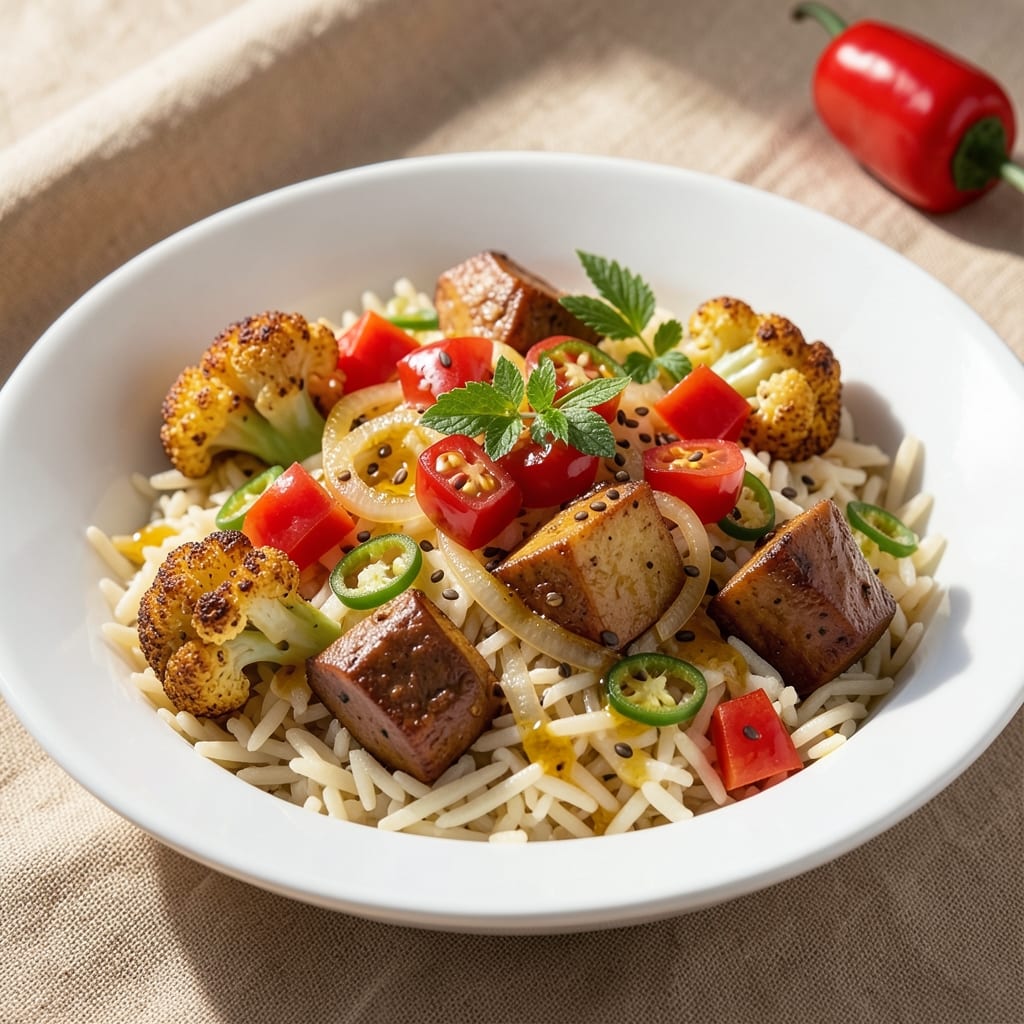
This aloo gobi rice recipe transforms humble potatoes and cauliflower into a fragrant, spiced pilaf that pairs perfectly with basmati rice. The secret lies in tempering whole spices—cumin, mustard seeds, and curry leaves—until they sing in the oil, creating layers of aroma that infuse every bite. I developed this recipe after years of perfecting the balance between earthy cauliflower, creamy potatoes, and the nutty crunch of toasted cumin, ensuring each component shines without overpowering the other.
The dish begins with a tadka—a traditional South Asian technique where spices are bloomed in hot oil to release their full flavor. Potatoes and cauliflower are then sautéed until golden, absorbing the spices before simmering in a light tomato-onion gravy. Meanwhile, basmati rice cooks separately, infused with cumin seeds for an extra layer of warmth. What makes this recipe stand out is the textural contrast: tender vegetables, fluffy rice, and the crunch of toasted cumin sprinkled on top, adding a satisfying bite.
By the time you serve this dish, your kitchen will smell like a home-cooked feast, and every forkful will deliver a harmonious blend of spiced vegetables and fragrant rice. The dish is hearty enough for a family dinner but simple enough for a weeknight meal. Garnish with fresh coriander and a squeeze of lemon for brightness, and you’ll have a restaurant-quality meal that’s restaurant-quality at home—without the fuss.
This recipe is designed to be foolproof, with clear steps for tempering, sautéing, and pressure cooking (if using). Whether you’re serving it for a gathering or a quiet evening, the combination of aromatic spices, tender vegetables, and perfectly cooked rice ensures it’s always a hit. Let’s get started on creating this comforting, flavorful dish that’s as satisfying as it is delicious.
Ingredients for aloo gobi rice
Spiced potatoes and cauliflower meet fragrant basmati rice in this comforting, crunchy pilaf.
| Ingredient | Amount | Notes |
|---|---|---|
| Basmati Rice 🍚 | 1 ½ cups | Uncooked, long-grain preferred |
| Russet Potatoes 🥔 | 1 ½ lb | Medium, peeled and cubed |
| Cauliflower 🧄 | 1 whole | Fresh, cut into florets |
| Onions 🧅 | 1 whole | Yellow, finely chopped |
| Tomatoes 🍅 | 2 medium | Ripe, diced or crushed |
| Green Chilies 🌶️ | 2 whole | Fresh, slit lengthwise |
| Ginger 🌿 | 1 inch | Fresh, grated |
| Garlic Cloves 🧄 | 6 cloves | Fresh, minced |
| Curry Leaves 🌿 | ¼ cup | Fresh, loosely packed |
| Mustard Seeds 🌶️ | 1 tbsp | Whole, light brown preferred |
| Cumin Seeds 🌶️ | 1 ½ tbsp | Whole, for tempering |
| Turmeric Powder 🌿 | ½ tsp | Freshly ground preferred |
| Red Chili Powder 🌶️ | 1 tsp | Adjust for heat preference |
| Garam Masala 🌶️ | ½ tsp | Store-bought or homemade |
| Coriander Powder 🌿 | ½ tsp | Freshly ground for best flavor |
| Vegetable Oil 🫒 | ½ cup | High smoke point preferred |
| Fresh Coriander 🌿 | ¼ cup | Chopped, for garnish |
| Lemon Juice 🍋 | 1 tbsp | Freshly squeezed |
| Salt 🧂 | 1 ½ tsp | Adjust to taste |
The spices are the soul of this dish, so don't skimp. Whole mustard seeds and cumin from Penzeys or local Indian markets deliver the best flavor—those tiny packets at the grocery store just won't cut it. Look for vibrant, freshly ground turmeric and coriander powder (the ones in clear jars at Whole Foods or Trader Joe's are usually fresh). Curry leaves? If you can't find them fresh, dried works at half the amount, but trust me—they're essential for that authentic aroma. For the potatoes and cauliflower, organic russets from the store's produce section hold up best when cubed.
No fresh curry leaves? Substitute with 1/2 tsp dried curry powder, but it won't be the same. Running low on mustard seeds? Swap for 1/2 tsp asafoetida (hing)—it's a game-changer for depth. The green chilies can be omitted if you prefer mild heat, but I always keep them in for that subtle kick. For the tomatoes, San Marzano canned tomatoes work perfectly if you're short on fresh ones—just crush them by hand. The ginger and garlic? Fresh is non-negotiable here—dried just won't give you that bright, zesty punch. And if you're out of garam masala, mix equal parts cinnamon, cardamom, cloves, and black pepper for a quick substitute.
This dish tastes even better the next day as the flavors meld together. Store leftovers in an airtight container in the fridge for up to 4 days, or freeze portions for 3 months. I like to reheat it gently in a pot with a splash of water to keep everything tender. The rice stays fluffy if you spread it out on a tray to cool before storing. For extra crunch, toast an additional 1/2 tbsp cumin seeds in a dry pan and sprinkle on top before serving—worth the extra minute for that satisfying texture.
Why You'll Love This Recipe
- That’s the genius of it: the potatoes stay tender while the cauliflower gets a slight char, and the onions caramelize just enough to make every bite ridiculously satisfying. Honestly, the way the spices cling to the rice? It’s like a hug in bowl form.
- One-Pot Magic: I swear by this recipe when I’m too tired to scrub pots—just toss everything in one pan with the rice, let it simmer, and boom. The potatoes and cauliflower soften right alongside the rice, so you’re not stuck with separate sides or extra cleanup.
- Creamy Crisp Contrast: That’s the genius of it: the potatoes stay tender while the cauliflower gets a slight char, and the onions caramelize just enough to make every bite ridiculously satisfying. Honestly, the way the spices cling to the rice? It’s like a hug in bowl form.
- Budget Meal Hero: Between us, this recipe stretches one onion, two tomatoes, and a single head of cauliflower to feed four people—no waste, just flavor. I make it twice a month because it’s my go-to when I’m trying to balance groceries without breaking the bank.
Step-by-step instructions for aloo gobi rice
Here's how to craft this hearty South Indian pilaf with perfectly spiced potatoes and cauliflower.
Prepare the Aloo Gobi Vegetable Mixture
Heat the 0.5 cup vegetable oil in a large pot over medium heat. Add the 1.5 tbsp cumin seeds and let them sizzle for 30 seconds until they begin to darken slightly—this releases their nutty aroma. Add the 1 tbsp mustard seeds and cook for another 30 seconds until they pop.
Next, add the 1 whole onions (finely chopped), 1 inch ginger (grated), and 6 cloves garlic cloves (minced). Sauté for 3-4 minutes until the onions turn translucent and the raw garlic smell disappears. Stir in the 0.25 cup curry leaves, 1 tsp red chili powder, 0.5 tsp turmeric powder, and 0.5 tsp coriander powder. Cook for 1 minute until the spices bloom and fill your kitchen with their warm, earthy scent.
Add the 1.5 lb russet potatoes (cubed) and 1 whole cauliflower (cut into florets). Toss everything to coat evenly with the spices. Pour in 1 cup water and bring to a gentle simmer. Cover and cook for 15 minutes on medium-low heat, stirring occasionally to prevent sticking. The potatoes should be tender but not mushy, and the cauliflower should still retain a slight bite.
Cook the Rice Separately
Rinse the 1.5 cups basmati rice under cold water until the water runs clear. This removes excess starch and prevents the rice from becoming gummy. In a separate pot, bring 3 cups water to a rolling boil and add 1 tsp salt. Add the rinsed rice and stir once to distribute it evenly.
Reduce heat to low and cover with a tight-fitting lid. Let the rice simmer for 15 minutes without lifting the lid—this steam cooking method ensures fluffy, separate grains. If you peek too early, the rice will release steam and become mushy. After 15 minutes, turn off the heat and let the rice sit covered for 10 minutes. The residual heat will finish cooking it perfectly.
Temper the Aloo Gobi Mixture
After the potatoes and cauliflower have cooked for 15 minutes, uncover the pot and increase heat to medium. Add the 2 medium tomatoes (diced or crushed) and 2 whole green chilies (slit lengthwise). Cook for 5 minutes until the tomatoes soften and the mixture thickens slightly. The green chilies should infuse the dish with a subtle, fresh heat.
Now, add 0.5 tsp garam masala and stir well. The spices should meld into the vegetable mixture, creating a fragrant, aromatic base. Taste and adjust seasoning with additional salt if needed. The dish should be well-seasoned but not overly salty.
Combine Rice and Vegetables
Gently fluff the cooked rice with a fork and transfer it to a large serving bowl. Make a well in the center of the rice and carefully pour the aloo gobi mixture into it. Use a spatula to gently fold the rice and vegetables together, ensuring even distribution. The rice should absorb the flavors from the spiced potatoes and cauliflower, creating a harmonious blend.
Drizzle 1 tbsp lemon juice over the top and sprinkle with 0.25 cup fresh coriander (chopped). The lemon juice brightens the dish, cutting through the richness of the spices, while the fresh coriander adds a vibrant finish. Serve immediately while the rice is still warm and the flavors are at their peak.
Garnish and Serve with Confidence
For an extra touch of authenticity, lightly toast 1 tbsp cumin seeds in a dry skillet over low heat until they turn golden brown and release their aroma. Sprinkle these toasted cumin seeds over the top of the dish just before serving. This adds a delightful crunch and enhances the overall texture.
Serve the aloo gobi rice hot, straight from the pot. The combination of fluffy basmati rice, tender potatoes, and slightly crisp cauliflower creates a satisfying bite in every spoonful. Pair it with a simple cucumber raita or a side of yogurt to balance the spice. This dish is a perfect balance of textures and flavors—comforting, hearty, and full of South Indian charm.
Pro Tips For Making Aloo Gobi Rice
- CUT POTATOES UNIFORMLY: Grab a mandoline or a sharp knife and slice those Russet potatoes into ¼-inch thick rounds—no thicker, or they’ll turn mushy while the cauliflower stays undercooked. I learned this the hard way when my first batch looked like potato pancakes instead of tender bites. A quick soak in cold water for 10 minutes after cutting also removes excess starch, so they absorb the aloo gobi flavors better.
- SOFTEN ONIONS FIRST: Cook the onions in oil until they’re golden and translucent before adding anything else—this prevents them from turning bitter or releasing too much moisture later. I used to rush this step and end up with a watery, flavorless base. A splash of water here (just 1 tablespoon) helps caramelize them faster if they’re sticking, but don’t overdo it.
- DON’T OVERMIX THE CURRY: Once you add tomatoes, spices, and potatoes/cauliflower, stir just enough to combine, then let it sit undisturbed for 2–3 minutes. Overmixing turns the cauliflower into mush and makes the rice soggy. I was skeptical until I tried it—now I swear by this "lazy stir" method for even cooking.
- USE LESS RICE, MORE GRAVY: Reduce the rice by 20% from the package instructions—this dish is about the aloo gobi, not the rice. Cook the rice separately in 1:1.5 rice-to-water ratio (not 1:2) and fluff it gently. The spiced potatoes and cauliflower will stretch over the rice, making every bite richer. Trust me, your plate will look fuller, and the flavors will sing.
Dietary considerations for aloo gobi rice
Vegetarian Powerhouse
This dish is a complete protein vegetarian meal thanks to the combination of potatoes, cauliflower, and rice. The 1.5 cups basmati rice provides complex carbohydrates, while the 1.5 lb potatoes and 1 whole cauliflower contribute fiber, vitamin C, and potassium. Together, they create a balanced plate that keeps you full and energized for hours. 💪
Gluten-Free Naturally
Aloo gobi rice is naturally gluten-free, making it perfect for those avoiding gluten. The recipe relies on whole spices, fresh vegetables, and rice—none of which contain gluten. Always double-check your spice blends (like garam masala) to ensure they’re certified gluten-free, as some brands may process their products in shared facilities. 🌾
Low-Fat, High-Fiber
With minimal oil (just 0.5 cup vegetable oil) and no added fats, this dish is a heart-healthy choice. The cauliflower and potatoes provide dietary fiber, supporting digestion and keeping you satisfied. For extra fiber, serve with a side of steamed greens or a cucumber raita. The dish is naturally low in saturated fat, making it ideal for those monitoring cholesterol levels.
Dairy-Free Option
This recipe is naturally dairy-free, but if you'd like to add richness, swap the 1 tbsp lemon juice for 1 tbsp coconut yogurt (ensure it’s unsweetened). The dish already shines with its spiced vegetable and rice combination, so no dairy is needed—but if you’re craving creaminess, cashew cream works beautifully as a garnish. 🥥
Spice Level Control
Adjust the heat to your preference by tweaking the green chilies and red chili powder. For a mild version, omit the chilies and reduce the chili powder to 0.25 tsp. If you love spice, add an extra 0.5 tsp red chili powder and include 1 extra green chili. Always taste as you go—this dish is highly customizable! 🌶️
Meal Prep Friendly
Perfect for batch cooking, this dish stores well in the fridge for 4 days or freezer for 3 months. The flavors deepen overnight, making it even more delicious the next day. To reheat, warm gently in a pot with 2 tbsp water to prevent drying. The rice stays fluffy if spread on a tray to cool before storing—no soggy textures here! ⏰
Nutrition facts
Frequently asked questions
Can I make aloo gobi rice without curry leaves?
Yes, but the flavor will differ slightly. Use ½ tsp dried curry powder instead, or substitute with ½ tsp asafoetida (hing) for depth. If you omit them entirely, the dish will still taste delicious—just less aromatic. Fresh curry leaves add that signature South Indian flavor, but dried alternatives work in a pinch.
How do I prevent the rice from getting mushy?
Rinse the rice thoroughly until the water runs clear, then cook it in a 1:2 rice-to-water ratio (e.g., 1.5 cups rice to 3 cups water). Use a tight-fitting lid and never peek or stir while cooking. After 15 minutes, turn off the heat and let it rest covered for 10 minutes—this steaming step keeps the grains separate and fluffy.
Can I use frozen cauliflower instead of fresh?
Fresh cauliflower gives the best texture, but frozen works if thawed properly. Rinse thawed florets well and pat them dry before cooking. Add them to the pot 5 minutes earlier than fresh cauliflower since they may take slightly longer to cook. For extra flavor, toss them in ½ tsp turmeric powder before adding to the pot.
What’s the best way to reheat leftovers?
Gently reheat on low heat with 2 tbsp water to prevent drying. For best results, spread leftovers on a tray to cool before storing, and reheat only what you need. The rice stays fluffy if warmed slowly—never microwave directly from the fridge, as this can make it rubbery. Aloo gobi reheats beautifully, with flavors deepening overnight!
Can I make this dish in a pressure cooker?
Cook the potatoes and cauliflower in the pressure cooker with 1 cup water for 3-4 whistles (about 10 minutes after pressure builds). After cooking, proceed with the tempering and tomato step as directed. The pressure cooker cuts prep time but keeps all the authentic flavors intact—just watch the cooking time closely to avoid overcooking.