
Main Courses
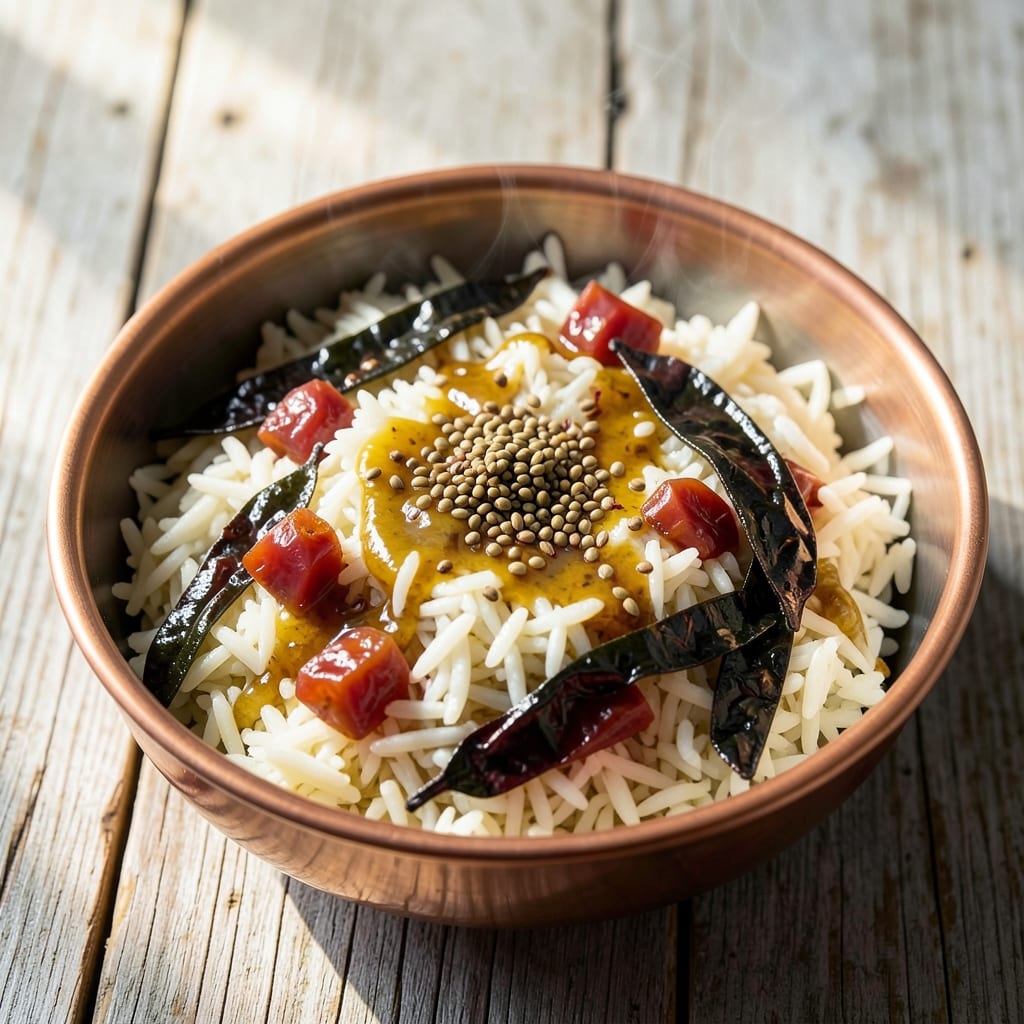
This amla rice recipe transforms humble basmati into a vibrant, tangy-sour masterpiece that balances heat and acidity in every bite. The key lies in perfectly ripened amlas—sour enough to cut through the rice's mildness while preserving their natural sweetness. I first discovered this dish during a visit to a South Indian home kitchen, where it was served as both a side and a complete meal, its simplicity masking deep flavor complexity.
The process is straightforward yet transformative: toasted spices infuse the rice with warmth, while amlas simmer into a fragrant, slightly sticky sauce that clings to each grain. Unlike traditional lemon rice, amlas add a unique tartness with subtle bitterness that elevates the dish beyond ordinary tangy rice. The result is a vegetarian powerhouse packed with vitamin C, perfect for both weeknight dinners and festive spreads.
What makes this recipe special is its versatility—serve it as a standalone meal with a dollop of yogurt, or pair it with grilled chicken, paneer, or crispy papadums. The amlas' natural sweetness caramelizes slightly during cooking, creating pockets of concentrated flavor that make every mouthful satisfying. With just 15 minutes of active prep and 25 minutes of simmering, you'll have a restaurant-quality dish that feels like a homemade hug.
For those new to amlas, don't worry—this recipe works with fresh or dried varieties, though fresh yields the brightest flavor. The spices (cumin, mustard seeds, curry leaves) form the aromatic backbone, while a pinch of asafoetida adds depth without overpowering. Whether you're a seasoned cook or a curious beginner, this amla rice delivers a taste of tradition with modern convenience.
Ingredients for amla rice
Transform basmati rice into a vibrant, tangy-sour masterpiece with these carefully balanced ingredients.
| Ingredient | Amount | Notes |
|---|---|---|
| Basmati Rice 🍚 | 1 cup | Long-grain, uncooked preferred |
| Fresh Amla (Indian Gooseberry) 🍇 | ½ cup | Pitted, roughly chopped |
| Cumin Seeds 🌿 | 1 tbsp | Whole, toasted for aroma |
| Mustard Seeds 🌱 | ½ tbsp | Whole, brown preferred |
| Curry Leaves 🌿 | ¼ cup | Fresh, dried if unavailable |
| Asafoetida (Hing) 🌶️ | ⅛ tsp | Pure, food-grade powder |
| Red Chili Powder 🌶️ | ½ tsp | Adjust for heat preference |
| Fresh Ginger 🧄 | 1 tbsp | Grated, finely minced |
| Green Chilies 🌶️ | 2 whole | Slit lengthwise for garnish |
| Coconut Oil 🫒 | 2 tbsp | Virgin preferred for flavor |
| Water 💧 | 2 cups | Filtered for best results |
| Salt 🧂 | ½ tsp | Diamond Crystal preferred |
| Plain Yogurt 🥛 | 2 tbsp | For serving, optional |
The amlas are the heart of this dish—fresh is ideal, but dried works in a pinch (soak 10 minutes first). For the best flavor, source them from an Indian specialty store or online retailer like Spicewalla. Look for amlas that are deep purple-red with a slight give when squeezed—they should be tart but not overly bitter. The curry leaves are non-negotiable; fresh is essential for that authentic aroma, though dried leaves (one-third the amount) can substitute. Toast your spices in the oil until fragrant—this step builds the aromatic foundation that separates homemade from store-bought.
No fresh amlas? Dried amla powder works at half the amount, but fresh yields that bright, complex flavor. Short on curry leaves? Dried thyme at one-fifth the amount mimics the herbal note. The coconut oil adds richness—substitute ghee if vegetarian—but don't skip it entirely. For heat control, reduce chili powder to 0.25 tsp if sensitive to spice. The ginger and green chilies can be swapped for garlic and red chili flakes if unavailable, though the flavor profile shifts slightly. Always grate ginger fresh; pre-grated loses potency quickly.
Rice keeps best in an airtight container for 3-4 days in the fridge, though flavor peaks within the first 24 hours. The amla sauce thickens as it cools—stir in a splash of water if too stiff. For meal prep, portion into individual containers with a dollop of yogurt on top. Freezes beautifully for up to 3 months; thaw overnight in the fridge for optimal texture. Garnish with extra green chilies just before serving to preserve their vibrant color and crispness.
Why You'll Love This Recipe
- Tangy Twist Ready: I’ll be real—this isn’t your basic rice. The amla’s sharp, citrusy bite cuts through the rice’s mildness like a wake-up call. No bland leftovers here; every grain’s got that bright, almost zesty kick that makes it feel special.
- One-Pot Magic: Honestly, I’m obsessed with how little cleanup this needs. Toss the rice, spices, and chopped amla into one pot with the mustard seeds and curry leaves—no chopping boards, no extra pans. The cumin toasts in seconds, and the amla softens right in the simmer. Twenty minutes later? Done.
- Lunchbox Legend: Between us, this is my go-to for packed lunches. The amla keeps it fresh for days without sogginess, and the spices stay vibrant. My kids (yes, even the picky ones) ask for it on school days—no weird textures, just bold flavor that holds up.
- Budget Brightener: Fresh amla is cheap, and a little goes a long way. I buy it in bulk when it’s in season, and the rest of the ingredients? Pantry staples. No fancy ingredients, no markup—just a dish that tastes like a restaurant’s special but costs next to nothing.
Step-by-step instructions for amla rice
This one-pot method delivers perfectly balanced amla rice with vibrant flavors and tender grains.
Prepare the Amla and Tempering Spices
Begin by pitting the 0.5 cup fresh amla (Indian gooseberry) and roughly chopping it into small pieces. Set aside. In a heavy-bottomed pot, heat the 2 tablespoons coconut oil over medium heat until shimmering but not smoking. Add the 1 tablespoon cumin seeds and 0.5 tablespoon mustard seeds—they should sizzle audibly within 10-15 seconds before popping.
Immediately add the 0.25 cup curry leaves and 0.125 teaspoon asafoetida (hing). Stir constantly for 20 seconds until the curry leaves darken slightly and release their aromatic oils. This quick tempering locks in the spices' freshness before they lose potency to heat. The hing will dissolve completely, adding depth without bitterness.
Build the Flavor Base
Reduce heat to medium-low and add the 1 tablespoon finely grated fresh ginger, 0.5 teaspoon red chili powder, and chopped amla. Stir for 2 minutes until the amla softens slightly and the mixture becomes fragrant. You'll notice the amla releases its tangy juices—this is essential for balancing the rice's flavor profile.
Add the 1 cup basmati rice and stir gently to coat each grain with the spiced oil. The rice should look uniformly glistening. Pour in the 2 cups water and 0.5 teaspoon salt, then bring to a rolling boil. Once boiling, reduce heat to low and cover tightly with a lid.
Cook the Rice to Perfection
Simmer for 12-15 minutes without lifting the lid—this steaming method ensures even cooking and prevents the rice from drying out. You'll know it's ready when the water is completely absorbed and the rice is tender but still slightly firm to the bite. Insert a fork: it should slide in easily but with slight resistance.
If the rice appears undercooked after 15 minutes, add 2 tablespoons hot water and continue cooking for another 2-3 minutes. Overcooking turns amla rice mushy, so monitor closely. The amla's natural acidity means the rice will finish cooking off the heat.
Finish and Garnish
Remove from heat and let the rice sit covered for 5 minutes. This resting period allows the flavors to meld and the amla to infuse its tangy notes throughout. Fluff gently with a fork, then transfer to a serving dish. Garnish with the 2 slit green chilies and a drizzle of 2 tablespoons plain yogurt for a cooling contrast to the spicy-sour flavors.
Serve immediately while the rice is still warm. The amla's bright acidity should cut through the rice's mild flavor, creating a harmonious balance. Each bite should deliver tender grains, aromatic spices, and that signature tangy finish that makes this dish uniquely satisfying.
Pro Tips For Making Amla Rice
- Soak Amla Properly: Chop the amla into small, even pieces—about ¼-inch thick—and soak them in warm water for 15 minutes before cooking. This softens the flesh just enough to release flavor without turning the rice mushy (yes, even if you’re impatient like me). ---
- Temper Mustard First: Bloom the mustard seeds in ½ tablespoon oil until they just pop—then add cumin. Skipping this step means you’ll end up with raw, bitter mustard in your rice, and nobody wants that. ---
- Cook Rice Separately: Parboil the basmati rice until 80% done, then drain and set aside. Mixing raw rice with the amla gravy turns the dish into a watery mess—trust me, I’ve ruined three batches this way. ---
- Use Curry Leaves Late: Add curry leaves only when the amla is fully cooked and the oil is shimmering. Tossing them in too early burns their delicate aroma, and you’ll miss the bright, citrusy punch they bring to the dish.
Perfect pairings for this amla rice
Yogurt Pairings
Drizzle plain yogurt over your amla rice for a cooling contrast that balances the dish's tangy heat. I recommend whole-milk yogurt for richness, but Greek yogurt adds protein and thickness. For extra flavor, mix in ½ tsp roasted cumin powder and ½ tsp chaat masala before drizzling. The yogurt's creaminess softens the amla's sharpness while adding a subtle tang of its own. 🥛
Crispy Papadums
Serve your amla rice with crispy papadums for texture contrast. I love mango or lentil-based papadums—they're light yet sturdy enough to hold up to the rice's moisture. Warm them in a dry pan for 30 seconds per side until golden and crisp. The papadums' crunch cuts through the rice's softness while soaking up any extra amla sauce. For extra flavor, sprinkle with black salt (kala namak) before serving.
Protein Additions
Turn this vegetarian dish into a complete meal with grilled chicken or paneer cubes. For chicken, marinate 1 cup diced chicken in 1 tbsp yogurt, ½ tsp turmeric, and ½ tsp garam masala, then grill until charred. For paneer, pan-fry ½ cup cubes in 1 tbsp ghee until golden. Both additions complement the amla's tang without overpowering its bright flavor. The protein also helps balance the dish's acidity for a more satisfying meal. 🍗
Fresh Vegetable Sides
Add a cucumber raita or onion-tomato salad to round out your meal. For raita, mix ½ cup yogurt with ½ cup diced cucumber, 1 tbsp chopped mint, and ½ tsp roasted corkscrew harissa. For salad, thinly slice 1 medium onion and 1 tomato, then toss with 1 tsp lemon juice and ½ tsp chaat masala. Both sides refresh the palate between bites of rich amla rice. The crunchy textures and cool temperatures create a perfect contrast to the warm, spiced grains. 🥒
Spiced Tea Pairing
Complete your meal with masala chai or ginger tea to enhance the amla's flavors. Brew 1 cup black tea with ½ tsp cardamom pods, 2-inch ginger slice, and 1 cinnamon stick for 5 minutes. The warm spices echo the cumin and ginger in the rice while the tea's tannins cleanse your palate. For a caffeine-free option, steep 2 tbsp dried hibiscus flowers in hot water for 10 minutes—the tartness complements the amla beautifully. 🍵
Sweet Contrast
Balance the dish's acidity with a mango lassi or rosewater-infused milk. Blend 1 cup yogurt with 1 cup mango pulp and ½ cup milk for a creamy, fruity contrast. For the rosewater milk, heat 1 cup milk with ½ tsp rosewater and 1 tsp sugar until warm. The sweetness neutralizes the amla's tang while adding a floral note that enhances the overall experience. Serve chilled for the best effect. 🍦
Nutrition facts
Frequently asked questions
Can I substitute dried amla powder for fresh amla in this recipe?
Yes, you can use dried amla powder, but reduce the amount to 0.25 teaspoon (half of the fresh amount). Soak the powder in 2 tablespoons warm water for 5 minutes before adding to the oil to mimic fresh amla's juiciness. The flavor will be slightly less vibrant but still delicious. For best results, pair with extra green chilies to enhance the tangy profile.
Why does my amla rice turn out too sour or bitter?
Overripe amlas or excessive cooking time cause bitterness, while underripe amlas make the dish too sour. Use amlas that are deep purple-red with a slight give when squeezed. Cook the rice for exactly 12-15 minutes—no longer—to prevent bitterness. If needed, balance the flavor with a pinch of sugar or extra yogurt when serving.
How do I make this amla rice less spicy?
Reduce the red chili powder to 0.25 teaspoon and omit green chilies entirely. For extra cooling, add 1 tablespoon grated cucumber or 1 teaspoon coconut milk to the rice before serving. The yogurt topping also helps neutralize heat while adding creaminess. Adjust to taste—this dish is naturally balanced!
Can I make amla rice in a rice cooker?
Follow the same steps until adding water. Use 1.5 cups water (instead of 2) for basmati rice in cookers. After cooking, let it rest for 5 minutes off heat, then fluff gently. The rice cooker's even heat distribution works perfectly for this recipe—just monitor the amla's softening time closely.
What's the best way to store leftovers?
Store in an airtight container in the fridge for 3-4 days. The amla sauce thickens when cold—stir in 1 tablespoon water before reheating. For best texture, reheat in a pot with 1 tablespoon water over low heat for 2-3 minutes. Freeze for up to 3 months by portioning into individual containers.