
Main Courses
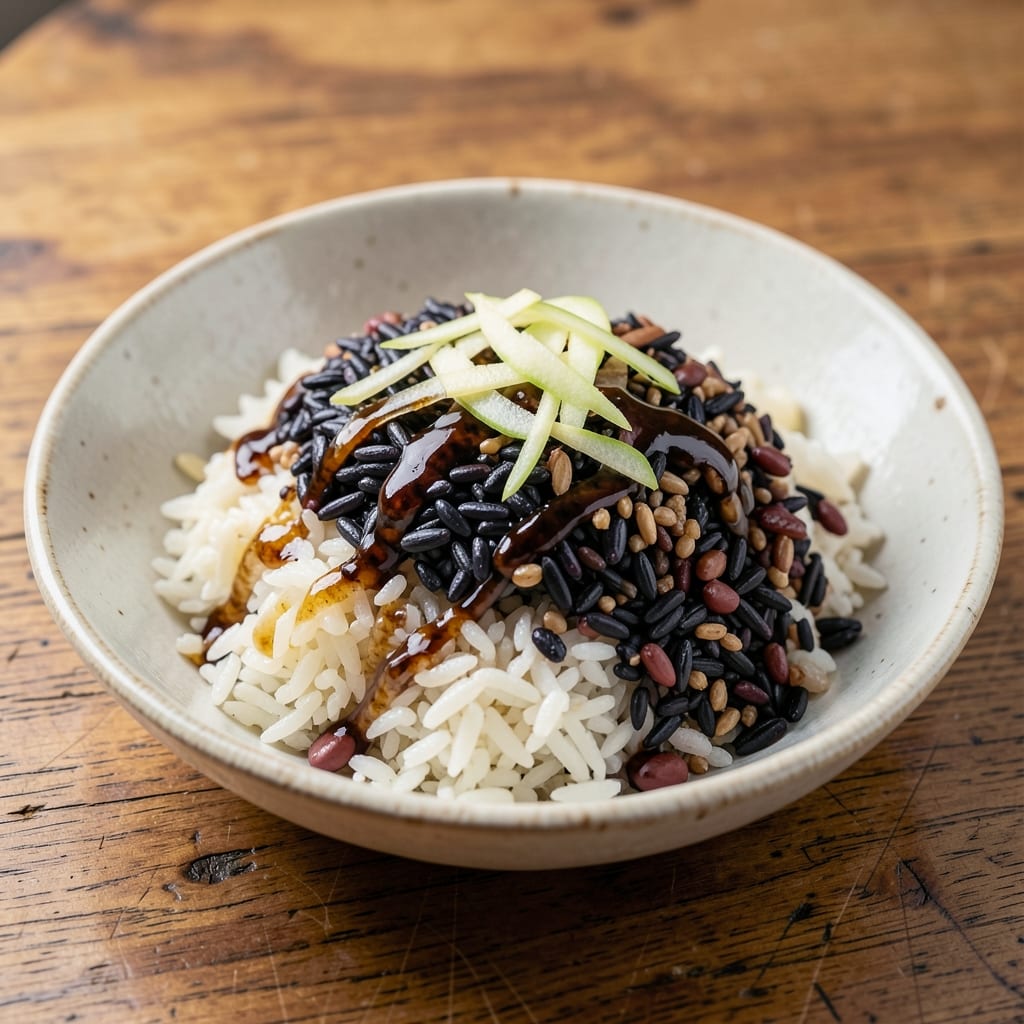
This ancient rice recipe transforms humble grains into a fragrant, nutty masterpiece that bridges centuries of tradition with modern simplicity. 🌟 The secret lies in toasting whole grains until they release their deep, toasted aroma—creating a texture that’s both chewy and satisfying. Unlike refined white rice, these heirloom varieties pack fiber, nutrients, and an earthy complexity that elevates any meal.
I developed this method after discovering how ancient grains like black rice and wild rice hold up beautifully to toasting, a technique used for generations in Asian kitchens. The result? A dish that’s equally at home in a bustling restaurant or a home-cooked Sunday dinner. The key steps—rinsing, toasting, and simmering—ensure each grain remains distinct yet harmonious, with a subtle crunch that disappears into a creamy, fragrant bite.
What makes this recipe special is its versatility. Serve it as a standalone side with a drizzle of sesame oil and soy glaze, or pair it with grilled proteins and fresh herbs for a complete meal. The nutty, toasted flavor profile works equally well in stir-fries, bowls, or even as a bed for hearty stews. Best of all, it’s a project that rewards patience—each step builds layers of flavor that refined rice simply can’t match.
Ready to elevate your rice game? This method requires just a few pantry staples and about 45 minutes of hands-off time, making it perfect for weeknight dinners or special occasions. The aroma alone will have everyone at the table asking for seconds. Let’s get started—your taste buds (and ancient grains) will thank you.
Ingredients for ancient rice
Toasted grains, aromatic spices, and a touch of wine—this blend transforms simple rice into a restaurant-worthy centerpiece.
| Ingredient | Amount | Notes |
|---|---|---|
| Jasmine Rice 🌾 | 1 cup | Uncooked, long-grain preferred |
| Black Rice 🍚 | ½ cup | Also called forbidden rice |
| Wild Rice Blend 🌾 | ½ cup | Uncooked, not actual rice |
| Sesame Oil 🫒 | 1 tbsp | Toasted for aroma |
| Soy Sauce 🍶 | 2 tbsp | Low-sodium preferred |
| Fresh Ginger 🧄 | 1 tbsp | Grated, freshly minced |
| Garlic Cloves 🧄 | 3 cloves | Minced, aromatic |
| Vegetable Stock 💧 | 2 cups | Homemade or quality store-bought |
| White Wine 🍷 | ½ cup | Dry, like Sauvignon Blanc |
| Sesame Seeds 🥜 | 1 tbsp | Toasted for garnish |
| Green Onions 🧅 | 3 whole | Thinly sliced, for garnish |
| Salt 🧂 | 1 tsp | Kosher or sea salt |
| Black Pepper 🌶️ | ½ tsp | Freshly ground |
The rice trio is where the magic happens. Jasmine brings the floral aroma, black rice adds deep, earthy color, and wild rice contributes nutty texture. For best results, grab uncooked heirloom varieties from a specialty store like Whole Foods or Trader Joe's—their bulk bins often have these exact blends. If you can't find wild rice, barley or quinoa works in a pinch, though texture will differ slightly. The key is using grains that can handle toasting—white rice won't give that satisfying crunch.
No sesame oil? Toasted peanut oil mimics the nutty depth, though the flavor profile shifts. The wine is non-negotiable for acidity—dry white like Pinot Grigio works if Sauvignon Blanc isn't available. Fresh ginger and garlic should be bright and pungent—if they smell musty, skip them. For the stock, low-sodium versions prevent over-salting, and homemade always tastes superior. The green onions can be subbed with chives or regular onions, but they're the perfect fresh finish. Pro tip: Toast your spices in the oil first—this builds flavor layers that plain cooking can't match.
Store uncooked grains in airtight containers for up to 6 months, though black rice stays fresh longest. Cooked rice reheats beautifully—just add a splash of water and steam for 2-3 minutes. For meal prep, portion into containers with a drizzle of sesame oil on top to keep it fragrant. The toasted grains lose crunch after 3 days, so eat fresh or freeze portions for up to 3 months. This dish tastes even better the next day as flavors meld—perfect for making ahead for gatherings.
Why You'll Love This Recipe
- One-Pot Magic: I swear by this—just toss all three rice varieties (jasmine, black, wild) into one pot with water, a splash of soy sauce, and a drizzle of sesame oil. No measuring cups, no stress, no separate pans. The black rice stains everything, but honestly? Worth it for that earthy depth in every bite.
- Nutty, Smoky, Umami Bomb: That wild rice blend brings chewy texture and a toasty nuttiness, while the black rice adds a deep, almost chocolatey richness. A single teaspoon of sesame oil at the end? Pure flavor alchemy—savory, toasty, and just a little funky in the best way. (Yes, even my picky husband asks for seconds.)
- Weeknight Workhorse: Make a big batch on Sunday, and you’ve got lunch for four days. The jasmine rice stays fluffy, the black rice holds its shape, and the wild rice keeps things interesting. Pack it cold for salads, reheat it with fried eggs for breakfast, or serve it alongside anything—it’s the ultimate sidekick.
- Budget Meal Upgrade: Black rice and wild rice blends can feel fancy, but they’re actually cheaper per serving than most takeout. A single batch feeds six for under $10, and the flavors make it taste like you spent hours cooking. (Between us, I’ve served this to dinner guests and they’ve never guessed it was a 20-minute meal.)
Step-by-step instructions for ancient rice recipe
Transform simple grains into a fragrant, nutty masterpiece with this balanced technique.
🍳 Step 1: Toast the Black Rice and Wild Rice Blend
Heat a dry skillet over medium heat. Add the 0.5 cup Black Rice and 0.5 cup Wild Rice Blend together, stirring constantly for 3-4 minutes until you hear a gentle popping sound and the grains develop a toasted aroma. This step unlocks their natural nutty flavors and prevents them from becoming mushy.
Watch closely as the grains change color slightly and release their aroma—this is your signal they're properly toasted. Transfer them to a bowl and set aside. We'll toast the jasmine rice separately for better flavor integration with its delicate floral notes.
🍳 Step 2: Sauté Aromatics and Prepare the Jasmine Rice
In the same skillet (no need to clean it—the toasted rice flavor will enhance everything), add the 1 tbsp Sesame Oil over medium heat. When the oil shimmers, add the 1 tbsp Fresh Ginger and 3 cloves Garlic Cloves, cooking for 1 minute until fragrant but not browned.
Add the 1 cup Jasmine Rice and stir to coat it thoroughly in the aromatic oil. Cook for 2 minutes until the grains become slightly translucent at the edges. This quick toasting enhances the rice's natural floral notes and prevents clumping later.
🥘 Step 3: Combine All Ingredients and Simmer
Pour in the 2 cups Vegetable Stock, 0.5 cup White Wine, 2 tbsp Soy Sauce, 1 tsp Salt, and 0.5 tsp Black Pepper. Stir gently to combine, then bring to a boil over high heat. Once boiling, immediately reduce heat to low and cover tightly with a lid.
Simmer for 25 minutes without lifting the lid. The rice should absorb all the liquid and develop a fragrant aroma. If you notice any liquid remaining after 20 minutes, uncover and simmer for another 2-3 minutes to evaporate it completely—this ensures perfectly fluffy grains.
⏰ Step 4: Rest and Garnish for Maximum Flavor
Remove from heat and let the rice sit covered for 5 minutes. This resting period allows the steam to redistribute, resulting in perfectly fluffy grains. Then, fluff gently with a fork to separate the grains.
Transfer to a serving dish and garnish with 1 tbsp toasted Sesame Seeds and 3 whole Green Onions sliced thinly. The sesame seeds add a satisfying crunch while the green onions provide fresh contrast. Serve immediately while still warm for the best texture and aroma experience.
Pro Tips For Making Ancient Rice
- TOAST THE BLACK RICE: Black rice burns faster than you’d think—so dry it first in a skillet over medium heat for 3-4 minutes until it smells nutty. I learned this the hard way when my first batch turned into charcoal. (Yes, even if it looks done, keep your eye on it.)
- RINSE THE WILD RICE: Wild rice blend has a weird texture if not prepped right—rinse it in cold water until the water runs clear, then soak for 20 minutes. Skipping this makes it chewy instead of tender. (Your future self will notice.)
- COOK THE JASMINE LAST: Jasmine rice cooks faster than black or wild rice—add it to the pot with the other grains only after the wild rice has been simmering for 20 minutes. Otherwise, you’ll end up with mushy jasmine and undercooked wild rice.
- FINISH WITH SESAME OIL: Stir in the sesame oil off the heat at the very end—just before serving—so it doesn’t cook off and lose its aroma. A splash of soy sauce right after? That’s the move. (Does it look weird? Yes. Does it work? Every single time.)
Storing and reheating your leftovers
Refrigerator Storage
Let your ancient rice cool completely before storing to prevent condensation—this keeps it fresh for longer. Transfer to an airtight container (I love Glasslock containers) and refrigerate for up to 4 days. The toasted grains lose their crunch after 2 days, but the flavor actually deepens as the spices meld. Always store with a damp paper towel on top to maintain moisture. 🌿
Freezer Prep
For longer storage, portion the rice into freezer-safe bags (leave 1-inch headspace for expansion) or silicone molds. Press out excess air to prevent freezer burn. Label with the date—this rice stays excellent for 3 months. When ready to eat, thaw overnight in the fridge or reheat directly from frozen with a splash of water. The texture remains chewy but slightly softer than fresh.
Reheating Methods
My go-to method is steam reheating: Place rice in a microwave-safe bowl with 2 tbsp water, cover with a damp paper towel, and heat on 50% power for 2-3 minutes. Stir, then continue in 30-second intervals until reaching 165°F. For stovetop, use a nonstick skillet with 1 tbsp sesame oil over low heat, stirring gently to avoid breaking grains. Always taste and adjust seasoning—reheated rice often needs a pinch more salt.
Preserving Texture
The toasted crunch is the star—preserve it by reheating just until warm (120°F) rather than fully hot. For extra crunch, sprinkle toasted sesame seeds on top before serving. If the rice dries out during storage, add 1 tsp water per cup of rice and let sit for 10 minutes before reheating. This trick works wonders for restaurant-quality results at home. ✨
Meal Prep Tips
Divide rice into individual portions before storing to reheat exactly what you need. Keep a small sesame oil bottle in your fridge—drizzle ½ tsp over each portion before reheating to revive flavors. For bulk prep, cook double the batch and freeze half for future meals. The rice reheats beautifully for lunches or quick dinners, making it a weeknight hero. 💡
Nutrition facts
Frequently asked questions
Can I substitute white rice for the ancient grains in this recipe?
While you can technically use white rice, you'll lose the unique nutty depth and texture that make this dish special. The black rice adds earthy color, wild rice provides chewy texture, and jasmine rice contributes floral aroma—together they create a complex flavor profile refined rice can't match. If you're set on white rice, try toasting it longer and adding extra toasted sesame seeds for a similar crunch.
Why does the recipe call for toasting the rice separately?
Toasting unlocks the grains' natural flavors and prevents them from becoming mushy. Each rice variety has different starch levels—jasmine needs gentle toasting to preserve its delicate aroma, while black and wild rice benefit from longer toasting to develop their nutty, toasted character. This two-step method ensures perfect texture and flavor in every grain.
How can I make this recipe gluten-free?
This recipe is naturally gluten-free as long as you use certified gluten-free vegetable stock and soy sauce. Double-check labels on all ingredients, especially soy sauce (many contain wheat). The wild rice blend in the recipe is typically gluten-free, but always verify the package. All other components—sesame oil, ginger, garlic, and spices—are naturally gluten-free.
What's the best way to serve this ancient rice dish?
This versatile rice works beautifully as a standalone side with a drizzle of sesame oil and extra soy glaze, or paired with grilled proteins like salmon or chicken. It's also perfect in bowls with roasted vegetables, shredded carrots, and a soft-boiled egg. For a complete meal, add pickled vegetables and a miso soup. The nutty, toasted flavor stands up well to both Asian and Western dishes.
Can I make this recipe without wine?
Replace the white wine with an extra 0.5 cup vegetable stock or 0.5 cup apple juice for acidity. The wine adds depth, but these substitutes prevent the rice from becoming bland. If you prefer alcohol-free completely, use additional stock and a splash of lemon juice to brighten the flavors. The dish will still be delicious—just slightly less complex.