
Main Courses
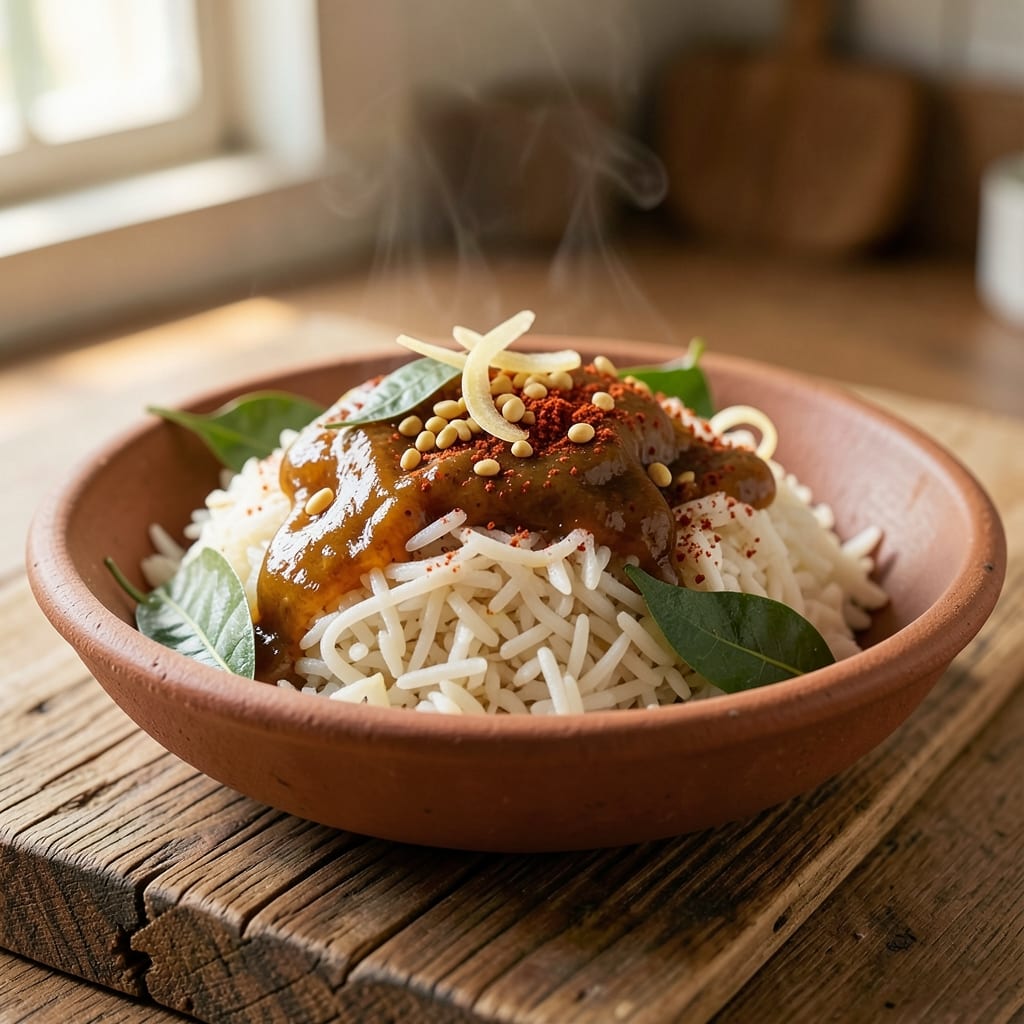
This Andhra tamarind rice recipe delivers a perfect balance of sour tang, fiery spices, and toasted rice crunch that transforms ordinary meals into vibrant South Indian feasts. The secret lies in tamarind's bright acidity, tempered by aromatic spices that create layers of flavor in every bite. I perfected this dish after years of experimenting with regional variations, ensuring the rice stays perfectly fluffy while absorbing the bold, complex seasoning.
The dish begins with rice cooked to just the right texture—neither mushy nor underdone—before being tossed with a tangy tamarind sauce infused with mustard seeds, curry leaves, and red chili powder. The key is achieving that signature toasted rice crunch while keeping the grains tender, a technique that elevates this simple yet impressive dish. For non-vegetarians, chicken or shrimp can be added, while toor dal makes it a hearty vegetarian option.
What sets this recipe apart is the harmony of flavors: the sour-tangy tamarind base, the warm spices, and the crispy texture of the toasted rice. Each component plays a crucial role, and when balanced correctly, the result is a dish that's both restaurant-quality and easy to replicate at home. The aroma alone will have everyone at the table anticipating the first bite.
Perfect for special occasions or weeknight dinners, this Andhra tamarind rice pairs beautifully with yogurt or a side of raita. The recipe scales easily, making it ideal for gatherings. Let's dive into the step-by-step process to create this flavorful masterpiece.
Ingredients for andhra tamarind rice
Fifteen ingredients create this vibrant South Indian dish with perfect sour-tangy balance and toasted rice crunch.
| Ingredient | Amount | Notes |
|---|---|---|
| Long-Grain Basmati Rice 🍚 | 1 ½ cups | Uncooked, rinsed thoroughly |
| Tamarind Paste 🍈 | ½ cup | Concentrated, unsweetened |
| Mustard Seeds 🌿 | 1 tbsp | Whole, light brown preferred |
| Curry Leaves 🌿 | ¼ cup | Fresh, dried if unavailable |
| Red Chili Powder 🌶️ | 2 tsp | Adjust for heat preference |
| Ginger 🧅 | 1 tbsp | Freshly grated, aromatic |
| Garlic Cloves 🧄 | 4 cloves | Minced, aromatic |
| Coconut Oil 🫒 | 3 tbsp | For tempering, virgin preferred |
| Salt 🧂 | 1 ½ tsp | Diamond Crystal preferred |
| Asafoetida Powder 🌶️ | ¼ tsp | Hing, for depth |
| Turmeric Powder 🌿 | ½ tsp | Freshly ground preferred |
| Cumin Seeds 🌿 | 1 tsp | Toasted for aroma |
| Green Chilies 🌶️ | 2 whole | Slit lengthwise, fresh |
| Lemon Juice 🍋 | 1 tbsp | Freshly squeezed |
| Fresh Coriander Leaves 🌿 | ¼ cup | Chopped, for garnish |
The tamarind paste is non-negotiable—look for concentrated, unsweetened versions at Indian grocery stores like Patel Brothers or Apna Bazaar. If you can't find it, tamarind pulp soaked in warm water works as a substitute. Fresh curry leaves elevate the dish; dried leaves lose their aroma quickly, so use them only if fresh aren't available. For the rice, Basmati with a long grain ensures that signature toasted crunch without turning mushy. The ginger and garlic should be freshly grated or minced—they're the aromatic foundation here.
No tamarind? Lemon juice plus a pinch of sugar mimics the sour-tangy profile, though it won't be identical. Substituting dried curry leaves? Use half the amount of fresh, but expect less complexity. The green chilies can be swapped for red chili powder at double the amount, but fresh adds a brighter heat. For those avoiding gluten, ensure your tamarind paste and spices are certified gluten-free. The asafoetida (hing) is optional but adds that signature depth—omit if you dislike its strong aroma.
Store uncooked rice in an airtight container for up to 6 months. Tamarind paste keeps indefinitely in the pantry, while fresh curry leaves last 1 week wrapped in damp paper towels. The tempering spices (mustard seeds, cumin) should be toasted fresh for maximum aroma—they lose potency within 2 weeks once ground. Leftover tamarind rice reheats beautifully; cover with a damp cloth to retain moisture in the microwave. For extra crunch, toast the rice again before serving.
Why You'll Love This Recipe
- One-Pot Magic: I swear by this—just rice, tamarind, and a few spices in one pot. No extra bowls, no mess, and honestly? The rice comes out fluffy and tangy without any fuss.
- Tamarind Tang Kick: That tamarind paste isn’t just flavor—it’s the star. The sour bite cuts through the richness, and the red chili powder gives it this just-right heat that lingers. (Yes, even on a Tuesday night.)
- Lunchbox Hero: Between us, this is my go-to for meal prep. The curry leaves keep it fragrant for days, and the rice stays separate but perfectly seasoned—no soggy sandwiches here.
- Pocketbook Performer: Mustard seeds and tamarind are cheap, but they taste like a restaurant. I make this for 4 people for under $5, and somehow, it always feels special. (My daughter picks out the curry leaves, but still asks for seconds.)
Step-by-step instructions for Andhra tamarind rice
Master this Andhra specialty with precise technique for perfect sour-tangy rice.
Prepare the Tamarind Base
In a saucepan, combine the 0.5 cup tamarind paste with 3 cups water (or enough to make a smooth paste). Bring to a gentle boil over medium heat while stirring continuously. The mixture should thicken slightly as it simmers for 5-7 minutes until it reaches a syrupy consistency. You'll know it's ready when it coats the back of a spoon smoothly—this is your flavor foundation.
Add the 1.5 tsp salt and 1 tbsp lemon juice now. Taste and adjust the tanginess—you want a balance between sharp and sweet. If it's too acidic, add a pinch more tamarind paste. If too mild, add a splash of lemon juice. This step is critical for achieving that signature Andhra sourness without overpowering the rice.
Cook the Aromatic Spice Base
In a separate heavy-bottomed pan, heat 2 tbsp coconut oil over medium heat. Add the 1 tsp cumin seeds and let them sizzle for 30 seconds until they release their aroma. Immediately add the 1 tbsp mustard seeds—they'll pop dramatically. Watch closely as they turn golden brown, then add the 0.25 cup curry leaves and 2 whole green chilies (slit lengthwise).
Cook for 1-2 minutes until the curry leaves turn crisp and the chilies soften. Add the 1 tbsp ginger and 4 cloves garlic cloves, stirring constantly for 30 seconds until the raw aroma disappears. This aromatic base forms the flavor backbone of the dish—don't rush this step. The spices should be fragrant but not burnt, with a deep, toasty aroma.
Combine Rice and Seasonings
Add the 1.5 cups long-grain basmati rice (previously rinsed) to the spice mixture. Stir gently to coat each grain with the aromatic oil. Pour in the prepared tamarind mixture, then add 1 cup water (for a 1:2 rice-to-water ratio). The rice should be just covered—if using older rice, add ½ cup more water. Stir once to distribute everything evenly.
Bring to a boil over high heat, then immediately reduce to low heat. Cover tightly with a lid and cook for 15 minutes without disturbing. After 15 minutes, check the rice—it should be 75% cooked with some water remaining. If the rice is sticking or burning, reduce the heat further. The goal is to develop a slight crust at the bottom for that characteristic toasted flavor.
Finish with Tempering
In a small pan, heat the remaining 1 tbsp coconut oil over medium heat. Add the 0.5 tsp turmeric powder and 0.25 tsp asafoetida powder, stirring for 30 seconds until fragrant. Pour this tempering oil evenly over the cooked rice while stirring gently. The rice should absorb the oil and develop a golden sheen—this final step enhances the dish's depth of flavor.
Let the rice sit covered for 5 minutes to steam through. Fluff gently with a fork, then transfer to a serving dish. Garnish with 0.25 cup chopped fresh coriander leaves and serve immediately with a side of yogurt or raita for balance. The rice should have a perfect texture—slightly firm with a toasted crust at the bottom, and each grain distinct but tender.
Pro Tips For Making Andhra Tamarind Rice
- SOAK RICE 30 MINUTES: DESCRIPTION: I learned this the hard way—skipping the soak means gummy rice that fights with the tangy tamarind. Use 1.5 cups of rice to 3 cups water, soak in cold water for 30 minutes, then drain. The starch release keeps grains separate and fluffy, even when mixed with the spicy gravy.
- TEMPER MUSTARD LOW: DESCRIPTION: Crank the heat for curry leaves and mustard seeds, but immediately drop it after they pop. High heat burns mustard before it blooms—you want golden aroma, not bitter smoke. A medium flame keeps the seeds crackling without turning the oil into a fire hazard.
- DILUTE TAMARIND PASTE: DESCRIPTION: Tamarind paste is thick and stubborn. Mix 2 tablespoons with ½ cup hot water first—this prevents clumps in your gravy. Strain if needed; lumps turn your rice into a gluey mess. (Yes, even if you’re impatient like me.)
- RICE TO GRAVY RATIO: DESCRIPTION: Cook rice slightly underdone—it’ll finish absorbing the tamarind gravy. For 1.5 cups rice, use 3 cups water, then drain when grains are still firm. The residual heat from the gravy will plump them perfectly. Overcooked rice turns mushy when mixed with sauce.
Wine and beer pairings for these flavors
Tamarind's Tangy Wine
Andhra tamarind rice's bright acidity pairs beautifully with dry Indian white wines like Chenin Blanc or Gewürztraminer. The crisp acidity of a Karnataka Chenin Blanc mirrors tamarind's tang, while Gewürztraminer's lychee notes complement the dish's aromatic spices. I recommend chilling the wine to 45°F—the cool temperature balances the dish's heat and sourness. 🍷
Spiced Beer Balance
For beer lovers, a German-style Hefeweizen with its banana and clove notes creates a surprising but delicious contrast. The beer's slight sweetness tempers the tamarind's sharpness, while the yeasty character echoes the dish's fermented flavors. Alternatively, try a Belgian Witbier like Hoegaarden—its citrusy profile enhances the tamarind's brightness. Serve both beers well-chilled at 40°F for optimal pairing.
Regional Indian Pairings
In Andhra Pradesh, this dish is traditionally served with mango lassi or curd rice to cool the palate. For a modern twist, I suggest rose-infused sparkling water—its floral notes harmonize with the dish's complex spices. The effervescence also helps reset your taste buds between bites. 💫
Bold Red Wine Option
If you prefer red, opt for a light-bodied Syrah from the Napa Valley—its peppery notes complement the green chilies while its acidity stands up to tamarind. Decant for 30 minutes before serving to soften tannins. Avoid heavy Cabernets, as their bold flavors will clash with the dish's delicate balance.
Non-Alcoholic Alternatives
For a refreshing non-alcoholic option, try sparkling pomegranate juice—its tartness enhances the tamarind while the bubbles cleanse the palate. Alternatively, a ginger-mint iced tea with 1 tbsp fresh lime juice per cup adds a cooling contrast. Both options should be served ice-cold to maintain crispness. ✨
Nutrition facts
Frequently asked questions
Can I make Andhra tamarind rice vegetarian?
The base recipe is already vegetarian, but you can enhance it by adding 1 cup cooked toor dal or 1 cup boiled potatoes for extra heartiness. For protein, consider paneer cubes or boiled chickpeas. The tamarind's tangy flavor works beautifully with these vegetarian additions while keeping the dish authentic.
How do I adjust the tamarind's sourness level?
The tamarind paste is key—start with 0.5 cup and taste as you simmer. For milder flavor, reduce to 0.375 cup and add 1 extra tbsp lemon juice. For extra tang, increase to 0.625 cup. Remember, tamarind's sourness mellows as it cooks, so start conservative. A pinch of sugar can also help balance sharpness.
Why does my rice turn mushy?
Mushy rice usually happens from overcooking or insufficient water. For perfect texture, use 1:2 rice-to-water ratio (1.5 cups rice to 3 cups total liquid) and cook on low heat for exactly 15 minutes after boiling. Let it steam covered for 5 minutes afterward—this resting period prevents mushiness. Also ensure your pot has a tight lid to trap steam.
Can I make this ahead of time?
Yes! Cook the rice completely, then spread it on a tray to cool quickly. Store in an airtight container in the fridge for up to 3 days. Reheat gently with 1 tbsp water in a microwave or steamer. For best texture, toast the rice in a dry pan for 2-3 minutes before serving to restore that signature crunch.
What's the secret to the toasted rice crunch?
The crunch comes from developing a slight crust at the bottom of the pot during cooking. After the initial 15 minutes of simmering, uncover the pot and cook on medium-low heat for 2-3 extra minutes until the bottom shows golden spots. Let it sit covered for 5 minutes before fluffing—this resting time creates the perfect texture contrast.