
Side Dishes
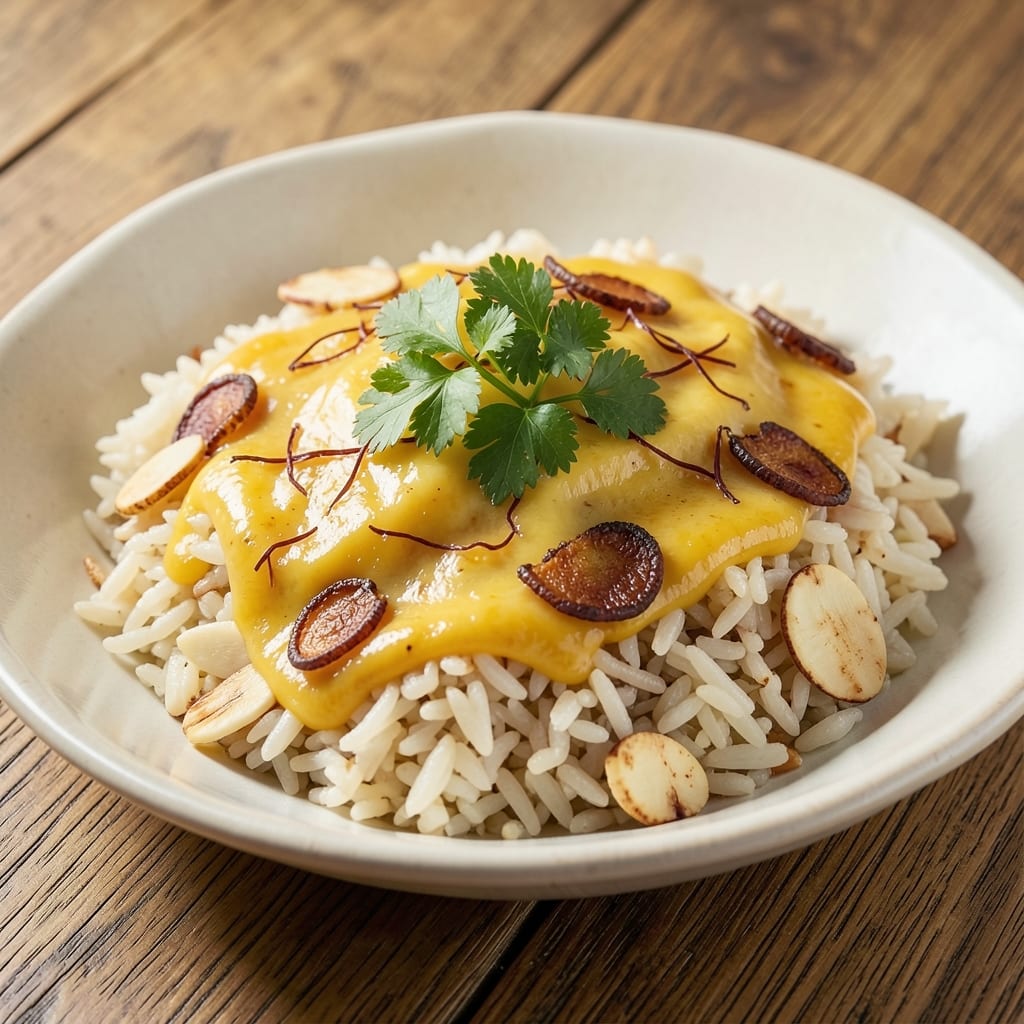
This Anthony's rice pilaf recipe delivers restaurant-quality texture and aroma with saffron-infused rice, toasted almonds, and aromatic herbs. The secret lies in toasting the rice and broth for deep, nutty flavor development before simmering to perfect fluffiness. Every grain absorbs the rich broth while maintaining its distinct shape—no mushy results here.
Professional chefs know the difference between good rice pilaf and exceptional rice pilaf comes down to technique. We start by toasting the rice in butter until golden, then bloom the saffron in warm broth for maximum color and flavor. The slow simmer allows the rice to absorb just the right amount of liquid, creating that signature tender yet distinct texture. Toasted almonds add crunch and depth that elevates this dish from ordinary to extraordinary.
The result is fragrant, golden rice with each grain separate yet cohesive, infused with saffron's delicate floral notes and nutty almond crunch. This pilaf stands up beautifully as a side for roasted chicken, grilled salmon, or even as a vegetarian main with added vegetables. The aroma alone will have everyone asking what's for dinner.
For those who want to customize, you can easily add diced chicken, mushrooms, or peas during the final simmer. The recipe scales perfectly for family gatherings or holiday feasts. Let's create this timeless classic that will become your new go-to side dish.
Ingredients for anthony's rice pilaf
These twelve ingredients transform simple rice into a fragrant, golden pilaf with saffron's delicate aroma and almond crunch.
| Ingredient | Amount | Notes |
|---|---|---|
| Long-Grain White Rice 🍚 | 1 ½ cups | Uncooked, rinsed thoroughly |
| Unsalted Butter 🧈 | ½ cup | Cold, cut into small cubes |
| Chicken Broth 💧 | 3 cups | Low-sodium, homemade preferred |
| Saffron Threads 🌼 | ⅛ tsp | High-quality, crumbled finely |
| Sliced Almonds 🥜 | ¼ cup | Toasted until golden |
| Fresh Parsley 🌿 | ¼ cup | Chopped finely for garnish |
| Dried Tarragon 🌿 | 1 tsp | Or 1 tbsp fresh chopped |
| Garlic Cloves 🧄 | 3 cloves | Minced finely for aroma |
| Shallots 🧅 | 2 whole | Minced finely, about 2 tbsp |
| Salt 🧂 | 1 tsp | Kosher or sea salt |
| Ground Black Pepper 🌶️ | ½ tsp | Freshly ground preferred |
| Lemon Zest 🍋 | 1 tsp | From 1 small organic lemon |
The saffron is the star here—Whole Foods or specialty spice shops carry the highest quality threads. Look for vibrant red strands, not yellow powder. The almonds must be toasted until golden and fragrant; skip the pre-toasted kind from the can. For the broth, homemade is ideal, but low-sodium store-bought works in a pinch. The rice? Jasmine or basmati both work, but basmati holds its shape best. Rinse it thoroughly before using to remove excess starch—this prevents gummy rice. The butter should be cold when you start toasting the rice; this ensures proper browning without burning.
No saffron? Turmeric at half the amount gives color but lacks the floral notes. Fresh parsley unavailable? Dried parsley at one-third the amount works, but fresh is brighter. The shallots can be swapped for 1/4 cup finely chopped red onion if needed. For a vegetarian version, use vegetable broth instead of chicken broth. The tarragon is essential for that signature pilaf flavor, but if you're out, dried thyme at half the amount is a decent substitute. The lemon zest brightens everything—don't skip it, but if you're fresh out, a pinch of citric acid (found in baking aisles) does the trick.
Toasted almonds keep for 2 weeks in an airtight container at room temperature, but they're best used fresh. Store the saffron in a dark glass jar in a cool, dark place for up to 1 year—light and heat degrade its potency. The cooked pilaf reheats beautifully; simply cover with a damp paper towel and warm in the microwave for 1-2 minutes. For make-ahead meals, this dish actually improves overnight as flavors meld—3-4 days in the fridge is perfect. Freeze portions for up to 3 months by spreading the pilaf on a tray to freeze first, then transferring to bags.
Why You'll Love This Recipe
- No-Fuss Weeknight Win: I swear by this when I’m too tired to fuss—just toast the almonds in butter, rinse the rice once, and let the broth do the work. The saffron steeps in the hot liquid while I chop veggies for dinner, so by the time everything’s ready, the rice is fluffy and golden.
- Golden Thread Magic: That single pinch of saffron? It turns ordinary rice into something luxurious—like a whisper of sunshine in every bite. The butter and broth create this perfect balance of richness and lightness, with the almonds adding a crunch that makes it feel special without the effort.
- Leftover Hero: This keeps better than takeout, honestly. Reheat with a splash of broth, and it’s just as good the next day—ideal for meal prep or when you’re too busy to cook. I make a big batch on Sundays and portion it out for lunches all week.
- Budget Luxury: Long-grain rice and chicken broth are cheap staples, but the saffron and almonds make it taste like a restaurant dish. It’s the kind of recipe that feels indulgent without breaking the bank—perfect for feeding a crowd or treating yourself after a long week.
Step-by-step instructions for saffron-kissed rice pilaf
This method delivers perfectly fluffy rice with aromatic saffron and nutty almond crunch every time.
Toast the Aromatics and Saffron
In a large, heavy-bottomed skillet, melt the 0.5 cup unsalted butter over medium heat until it foams but doesn't brown. Add the 2 whole shallots and 3 cloves garlic cloves (minced), cooking for 3-4 minutes until the shallots soften and become translucent. Here's the thing—don't let them brown or they'll turn bitter.
Reduce heat to low and stir in the 0.125 tsp saffron threads and 1 tsp dried tarragon. Let the saffron steep for 1 minute—you'll see the butter take on a gorgeous golden hue and smell that unmistakable floral aroma. This is where the magic happens: the saffron releases its color and flavor into the butter.
Cook the Rice Until Translucent
Add the 1.5 cups long-grain white rice to the skillet and stir to coat each grain completely in the butter. Cook for 2-3 minutes until the rice becomes translucent at the edges. This step is crucial—it prevents the rice from sticking and ensures even cooking. You'll see the grains start to look slightly glassy.
Pour in the 3 cups chicken broth and add the 1 tsp salt and 0.5 tsp ground black pepper. Bring to a gentle simmer, then immediately reduce heat to low. Cover the skillet with a tight-fitting lid and let it cook undisturbed for 15 minutes. Don't peek—steam is your friend here, and every time you lift the lid, you risk losing moisture.
Rest and Fluff the Pilaf
After 15 minutes, remove the skillet from heat and let it sit covered for another 5 minutes. This resting period allows the rice to finish steaming and absorb any remaining liquid. The reason we wait is that rice continues cooking off the heat—this prevents it from becoming mushy or undercooked.
Once rested, carefully remove the lid and use a fork to gently fluff the rice. You should see individual grains that are tender but still hold their shape. If any liquid remains, cover and let it sit for another 2-3 minutes to absorb completely. The rice should be moist but not saucy—each grain should release easily when pressed between your fingers.
Finish with Almonds and Lemon Zest
Transfer the pilaf to a serving dish and stir in the 0.25 cup toasted sliced almonds and 1 tsp lemon zest. The almonds add a delightful crunch that contrasts beautifully with the tender rice. I like to fold them in just before serving so they stay crisp rather than becoming soggy. Sprinkle the 0.25 cup fresh parsley on top for a pop of freshness and vibrant color.
Let the pilaf sit for 3-5 minutes before serving—this allows the flavors to meld together. The saffron will have infused the rice with its signature golden color, and the lemon zest will brighten the dish with a subtle citrus note. Serve immediately while the almonds are still crisp and the rice is at its peak texture.
Pro Tips For Making Anthony'S Rice Pilaf
- TOAST THE ALMONDS FIRST: I learned this the hard way—tossing raw almonds into the pilaf at the end just makes them soggy. Instead, dry-toast them in a separate pan over medium heat for 2-3 minutes until golden and fragrant, then sprinkle them on at the very end. The extra effort gives you crunch and depth that raw almonds can’t match.
- USE COLD BUTTER: Anthony’s recipe calls for butter, and I used to melt it straight into the pot. Big mistake. Start with cold, cubed butter—toss it in with the rice and broth, then let the pot come to a simmer. The butter will slowly melt, coating each grain and creating that signature rich texture. Trust me, it makes a real difference.
- STEAM THE SAFFRON: Skip the direct saffron-to-broth method unless you want bitter, overpowering rice. Instead, crush the threads and steep them in 2 tablespoons of warm broth for 5 minutes before adding the rest. This extracts the color and flavor without turning your pilaf into a golden-colored disappointment.
- LOWER THE HEAT AFTER 10 MINUTES: I used to let this thing boil like a maniac until the rice absorbed all the liquid. Now I know: after the initial 10 minutes of simmering, drop the heat to the lowest setting possible and cover tightly. The rice will finish cooking evenly without drying out or turning mushy—just like it should. (Yes, even if you’re impatient like me.)
Regional styles of this recipe
Middle Eastern Style
Transform this pilaf into a fragrant sharif pilaf by swapping the tarragon for 1 tsp ground cumin and ½ tsp cinnamon. Add ½ cup diced dried apricots during the final simmer for sweetness, and finish with toasted pistachios instead of almonds. Use vegetable broth for a vegetarian version, and garnish with chopped cilantro instead of parsley. The cumin and cinnamon create warm, earthy notes that pair beautifully with roasted lamb or grilled chicken. 🌿
French-Inspired Version
For a French-style risotto-like pilaf, replace the chicken broth with 3 cups dry white wine (like Sauvignon Blanc) and add ½ cup grated Gruyère cheese during the final 5 minutes of cooking. Skip the almonds and use toasted hazelnuts instead, plus fresh thyme in place of tarragon. The wine adds acidity that brightens the dish, while the Gruyère creates a creamy, melty finish perfect for serving with seared scallops or roasted duck. 🍷
Indian-Inspired Biryani Twist
Turn this into a saffron biryani by adding 1 tsp ground cardamom and ½ tsp turmeric to the butter toasting step. Use basmati rice instead of long-grain white rice, and fold in ½ cup raisins and ½ cup chopped cashews during the final simmer. Garnish with fried onions and mint leaves instead of almonds and parsley. The cardamom and turmeric give it a warm, aromatic profile that’s perfect with tandoori chicken or lamb kebabs. 🌶️
Mediterranean Herb Pilaf
For a bright, herb-forward version, swap the tarragon for 1 tbsp fresh oregano and 1 tsp dried marjoram. Add ½ cup diced sun-dried tomatoes during the final 5 minutes of cooking and finish with toasted pine nuts instead of almonds. Use lemon-infused olive oil (zest the lemon first) instead of butter for the toasting step. This version shines as a side for grilled fish or stuffed vegetables, with its vibrant, citrusy herbal notes. 🍋
Spicy Cajun Pilaf
Give it a Louisiana kick by adding ½ tsp smoked paprika, ¼ tsp cayenne pepper, and ½ tsp dried thyme to the butter toasting step. Use andouille sausage (diced) cooked in the butter before adding the rice, and finish with chopped green onions and crumbled bacon instead of almonds. The smoky, spicy flavors make this a fantastic side for blackened shrimp or Cajun-style chicken. Trust me, the heat will have everyone asking for seconds! 🔥
Nutrition facts
Frequently asked questions
Why does the recipe call for toasting the rice?
Toasting the rice in butter creates a nutty depth of flavor and prevents it from becoming mushy. The 2-3 minutes of toasting also helps each grain develop a slightly crisp exterior while keeping the center tender. This is the secret to that restaurant-quality texture!
Can I substitute saffron with something else?
For color, use ½ tsp turmeric (but it won't have the same floral aroma). For flavor, try ½ tsp ground cardamom instead—it adds warmth. The saffron's unique taste is hard to replicate, but these work in a pinch for special occasions.
How do I keep the almonds from getting soggy?
Toast the almonds separately until golden and add them to the pilaf just before serving. For extra crunch, sprinkle them on top instead of stirring in. If you make this ahead, store the almonds separately and toast them fresh before serving.
Can I make this with brown rice?
Technically yes, but it requires 30-40% more liquid and 30 minutes extra cooking time. The texture will be chewier, and the saffron color may be less vibrant. For best results, stick with long-grain white rice as called for in the original recipe.
What's the best way to reheat leftovers?
Cover with a damp paper towel and microwave for 1-2 minutes on medium power. For stovetop reheating, add 1-2 tablespoons broth per cup of pilaf and simmer covered for 3-5 minutes. Never microwave uncovered—it dries out the rice.