
Main Courses
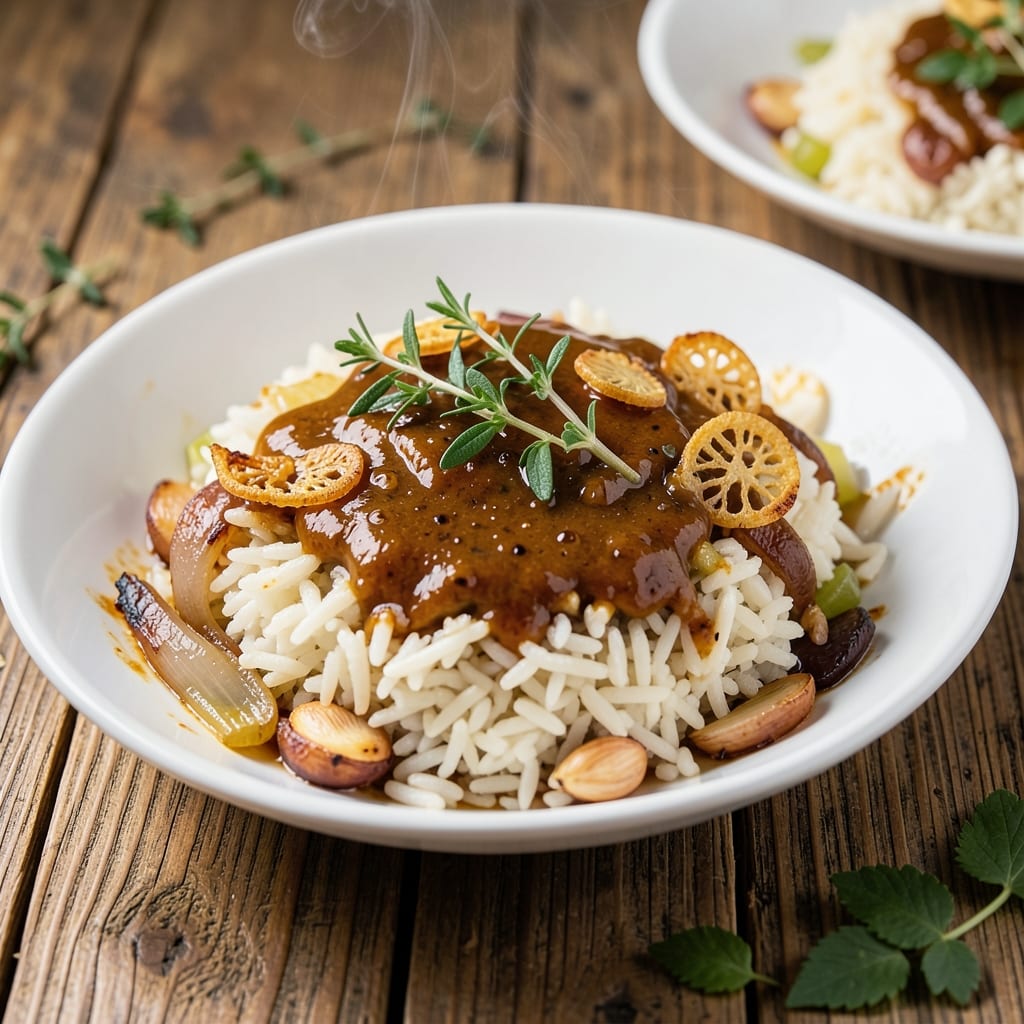
This Antiguan seasoned rice recipe transforms simple grains into a fragrant, spiced side that steals the show at any Caribbean feast. The secret lies in slow-cooking rice with a rich blend of thyme, mustard, and celery salt—creating a dish that's tender, aromatic, and packed with bold island flavors. I developed this version after years of perfecting the balance between savory tomato paste and the earthy warmth of Caribbean spices.
The one-pot method makes it effortless: soak the rice, sauté onions and garlic until golden, then simmer everything together until the grains are perfectly tender. This dish pairs beautifully with grilled meats, stews, or even on its own as a hearty side. The spices infuse the rice so deeply that every bite carries that unmistakable Antiguan warmth.
What makes this recipe special is how it elevates ordinary rice into something extraordinary—just like the meals it accompanies. The thyme and scallions add freshness, while the mustard and celery salt bring depth. Garnish with lime and parsley for brightness, and you've got a side dish that's as impressive as it is delicious.
Ready in about 45 minutes, this dish delivers restaurant-quality results with minimal effort. The key is patience—letting the rice absorb all those rich flavors until it's tender and fragrant. Perfect for meal prep or serving fresh, this Antiguan seasoned rice will become a staple in your kitchen.
Ingredients for antiguan seasoned rice
One-pot magic starts with these simple, fragrant ingredients—just 14 staples for Caribbean-spiced rice that steals the show.
| Ingredient | Amount | Notes |
|---|---|---|
| Long-Grain White Rice 🍚 | 1 ½ cups | Uncooked, rinsed well |
| Fresh Thyme 🌿 | ½ cup | Chopped, stems removed |
| Yellow Onion 🧅 | 1 whole | Diced, medium size |
| Garlic Cloves 🧄 | 4 cloves | Minced, fresh preferred |
| Celery Stalk 🥬 | 2 whole | Diced, fresh or frozen |
| Tomato Paste 🍅 | 2 tbsp | Smooth, not chunky |
| Mustard Powder 🌶️ | 1 tsp | Yellow or Dijon |
| Celery Salt 🧂 | 1 tsp | Not celery seed |
| Ground Black Pepper 🌶️ | ½ tsp | Freshly ground |
| Scallions 🧅 | 3 whole | Sliced thin, green parts |
| Fresh Parsley 🌿 | ¼ cup | Chopped, for garnish |
| Lime Juice 🍋 | 2 tbsp | Freshly squeezed |
| Vegetable Oil 🫒 | 2 tbsp | Light or olive oil |
| Water 💧 | 2 ½ cups | Room temperature |
The rice is the star, but the fresh thyme and scallions bring that authentic Antiguan warmth. Grab long-grain white rice—jasmine or basmati work too, but the flavor stays truer to the original. For thyme, I always grab the bunch at the grocery store—it’s cheaper than pre-packaged and way fresher. The celery salt is non-negotiable here; it’s what gives that signature island tang. If you can’t find it, mix equal parts celery seed and salt, but trust me on the full-fat version. The tomato paste? Any brand works, but the smooth kind blends better—no chunks in your rice, please.
No fresh thyme? Dried works at half the amount, but it won’t have that same bright punch. Running low on scallions? Green onions or chives in a pinch, though the flavor’s a little milder. That mustard powder adds depth—skip it and you’ll miss that subtle kick. The lime juice should be fresh; bottled won’t cut it. For the oil, vegetable oil is neutral and lets the spices shine, but olive oil adds a nice richness if you’re feeling fancy. The celery can be frozen if you’ve got it—just thaw and dice, no biggie.
This rice tastes even better the next day, so make a double batch if you’re prepping for the week. Store leftovers in an airtight container for 4-5 days in the fridge, or freeze for 3 months. I always keep a pot in the freezer—just reheat with a splash of water and you’re good to go. Garnish with extra parsley and lime right before serving, or it’ll wilt faster. The lime juice brightens everything up, so don’t skip it—even if it’s just a squeeze at the end.
Why You'll Love This Recipe
- One-Pot Magic: I swear by this—just rice, a few chopped veggies, and simmering time. No separate pans, no extra bowls, just dump-and-go simplicity that still tastes like a Sunday dinner.
- Thyme for Adventure: That fresh thyme? It’s the star. The way it blooms with the garlic and onion—savory, bright, and just a little earthy—makes this rice taste like a vacation in every bite.
- Meals Made Easy: Between us, this is my go-to for potlucks, family dinners, or even a lazy Sunday. Serve it with grilled chicken, fish, or just on its own—it’s the perfect side that never lets you down.
- Budget-Friendly Staple: Long-grain rice is cheap, the veggies stretch forever, and leftovers reheat like a dream. Honestly, I make a big batch and eat it for days without breaking the bank.
Step-by-step instructions for Antiguan seasoned rice
Here's how to make this vibrant, aromatic rice that's the heart of Caribbean meals.
Sauté the Aromatic Base
Heat the 2 tablespoons vegetable oil in a heavy-bottomed pot over medium heat. Add the 1 whole yellow onion, 2 whole celery stalks, and 4 cloves garlic cloves all at once. Cook for 5-6 minutes until the vegetables soften and the garlic becomes fragrant—you should smell that sweet, earthy aroma wafting through your kitchen.
Here's the thing—don't rush this step. The vegetables need time to break down and release their flavors. You'll know it's ready when the onion turns translucent and the celery begins to soften. If you see any browning, just stir it up and keep cooking until everything's evenly softened.
Build the Seasoning Foundation
Reduce the heat to medium-low and stir in the 2 tablespoons tomato paste, 1 teaspoon mustard powder, 1 teaspoon celery salt, and ½ teaspoon ground black pepper. Cook for 1-2 minutes until the tomato paste darkens slightly and the spices are fully incorporated—this creates the rich, savory base that defines Antiguan rice.
This is where the magic happens. The tomato paste adds depth, the mustard powder gives a subtle tang, and the celery salt brings that signature Caribbean flavor. Don't skip this step—it's what makes this rice taste authentically Caribbean. Stir constantly so nothing burns while the spices meld together.
Add Rice and Liquids
Increase the heat to medium-high and add the 1.5 cups long-grain white rice, stirring to coat each grain with the seasoning mixture. Pour in the 2.5 cups water and 2 tablespoons lime juice, then add the ½ cup chopped fresh thyme. Bring to a boil, then immediately reduce heat to low and cover the pot with a tight-fitting lid.
The lime juice might seem like a small addition, but it's crucial—it brightens the flavors and prevents the rice from becoming too heavy. Once boiling, the rice will absorb the liquid quickly. Here's what to watch for: after 5 minutes, give the pot a gentle shake to redistribute any rice that might be sticking to the bottom.
Simmer to Perfect Texture
Cook uncovered for 15 minutes on low heat, then uncover and check the rice. If the bottom appears dry, add 2-3 tablespoons water and continue cooking. The rice is done when all the liquid is absorbed and the grains are tender but still have a slight bite—this should take about 25-30 minutes total. You'll know it's perfect when a knife slides in easily and the bottom has a light crust.
Don't walk away during this time. The rice needs attention to prevent burning. If you see any browned bits forming, just stir them up and add a splash of water. The thyme will release its aromatic oils as it cooks, filling your kitchen with that wonderful Caribbean scent.
Finish and Garnish
Once the rice is tender, remove from heat and let it sit covered for 5 minutes. This resting period allows the steam to redistribute, ensuring each grain is perfectly moist. Fluff the rice gently with a fork, then stir in the 3 whole sliced scallions and ¼ cup chopped fresh parsley. The parsley adds freshness while the scallions bring a subtle onion bite that cuts through the richness.
Serve immediately while still warm. The rice should be golden at the edges with tender grains throughout. Each bite should deliver that perfect balance of savory, slightly tangy, and aromatic flavors that make this dish so special. This one-pot wonder pairs perfectly with grilled fish, jerk chicken, or even as a standalone side dish.
Pro Tips For Making Antiguan Seasoned Rice
- Sweat the Veggies First: Don’t rush the onion, garlic, and celery—cook them in oil over medium-low heat until the onion turns translucent and the garlic just starts to smell. I used to burn this step, but taking the extra 5 minutes makes the whole dish taste deeper, like the flavors actually marry instead of just sitting there.
- Use a 1:2 Rice-to-Water Ratio: Antigua seasoned rice needs a bit more water than you’d think—stick to 1 cup rice to 2 cups liquid (broth or water). I learned this after making sticky, undercooked rice twice. The extra liquid steams the rice perfectly while letting the seasoning soak in.
- Toast the Rice Before Adding Liquid: Dry-toast the rice in the pot for 2-3 minutes after cooking the veggies—just until you smell that nutty aroma. It might seem like overkill, but it prevents the rice from turning mushy later. (Yes, even if you’re impatient like me.)
- Add Thyme Late: Toss in the fresh thyme after the rice has absorbed most of the liquid, not at the start. This keeps the leaves bright and fragrant instead of turning them into bitter, wilted scraps. A little goes a long way—don’t drown the pot.
Regional styles of this dish
Caribbean Island Roots
This dish originated in Antigua, where it became a staple alongside grilled meats and seafood. The recipe reflects the island's British colonial history mixed with African and indigenous influences—notice the mustard and celery salt combination, which gives it that distinctive Caribbean character. 🌴
In Antigua, the rice is traditionally cooked in cast iron pots over open flames, allowing the spices to infuse deeply. The thyme and scallions used here are essential—locals often call this "thyme rice" because of its prominent flavor. The lime juice at the end is a nod to the island's tropical climate, brightening the dish perfectly.
Jamaican Twist
Jamaica takes this rice and adds a spicier kick with Scotch bonnet peppers—about ½ teaspoon finely chopped—while keeping the same base of tomato paste and thyme. They also use more celery salt (1.5 teaspoons) for extra depth. The texture remains similar, but the heat level jumps significantly.
For a Jamaican-style version, swap the mustard powder for 1 teaspoon jerk seasoning (like Grace Jerk Seasoning) and add 1 tablespoon soy sauce for umami. The rice becomes a perfect companion to jerk chicken or curried goat.
Barbadian Adaptation
In Barbados, they call this dish "flying fish rice" when paired with the island's national dish, but the rice itself is nearly identical to Antigua's version. The key difference is the use of green seasoning—a blend of herbs like shado beni (culantro) and thyme—instead of just thyme alone.
For an authentic Barbadian touch, add 1 tablespoon green seasoning (available at Caribbean markets) when sautéing the aromatics. If unavailable, substitute with 1 teaspoon each of chopped cilantro and thyme. The result is a fresher, more herbaceous flavor profile.
Trinidadian Fusion
Trinidadians take this rice and give it a bold, savory twist by adding ½ cup diced bell peppers and 1 teaspoon curry powder to the base. The dish becomes a vibrant mix of Caribbean and Indian influences, often served with roti or curried meats.
For a Trinidadian-inspired version, include the bell peppers with the onions and celery during the sauté step. Add the curry powder with the tomato paste and spices. The result is a colorful, aromatic rice that's perfect for spice lovers.
Modern American Adaptations
Many American cooks simplify this recipe by using pre-made Caribbean seasoning blends like Mccormick Caribbean Seasoning, which contains thyme, allspice, and other spices. This cuts prep time but may lack the depth of homemade seasoning.
For a shortcut version, replace the mustard powder and celery salt with 1 tablespoon Caribbean seasoning when sautéing the aromatics. Add an extra ½ teaspoon smoked paprika for a smoky twist that works well with grilled meats.
Nutrition facts
Frequently asked questions
Can I use brown rice instead of white rice for this recipe?
You can try it, but the cooking time will increase significantly—brown rice needs about 45-50 minutes total. The texture will be nuttier and less tender than white rice, but the flavors will still shine. For best results, use a 1:2 rice-to-liquid ratio and check frequently after 30 minutes. The spices will still infuse beautifully, though!
What's the secret to getting that perfect Antiguan flavor?
The magic lies in the celery salt and mustard powder combination—this duo creates that signature Caribbean tang. Don't substitute with regular salt or skip the mustard! Also, let the tomato paste cook until it darkens slightly—this deepens the savory base. Fresh thyme and lime juice are non-negotiable for that authentic brightness.
How do I prevent my rice from burning on the bottom?
Use a heavy-bottomed pot and keep the heat at low-medium after the initial boil. Stir gently after 5 minutes to redistribute any sticking rice, and add 2-3 tablespoons water if the bottom looks dry. A light crust is normal, but charred bits mean the heat was too high. The rice should cook gently, not aggressively.
Can I make this rice in a rice cooker?
Sauté the onions, celery, and garlic in the rice cooker's pot first, then add all remaining ingredients as directed. Use the white rice setting and let it cook normally. The rice may come out slightly drier, so add 2 tablespoons water if needed during cooking. The flavors will still develop beautifully—just monitor the moisture level closely.
What's the best way to reheat leftover Antiguan rice?
Sprinkle 1 tablespoon water over the rice in a skillet or microwave-safe dish, then cover and heat on low-medium for 2-3 minutes. Stir gently to redistribute the moisture. For extra flavor, add a squeeze of lime juice when reheating. Never reheat dry—this makes the rice gummy. The rice tastes even better the next day as the flavors meld!