
Main Courses
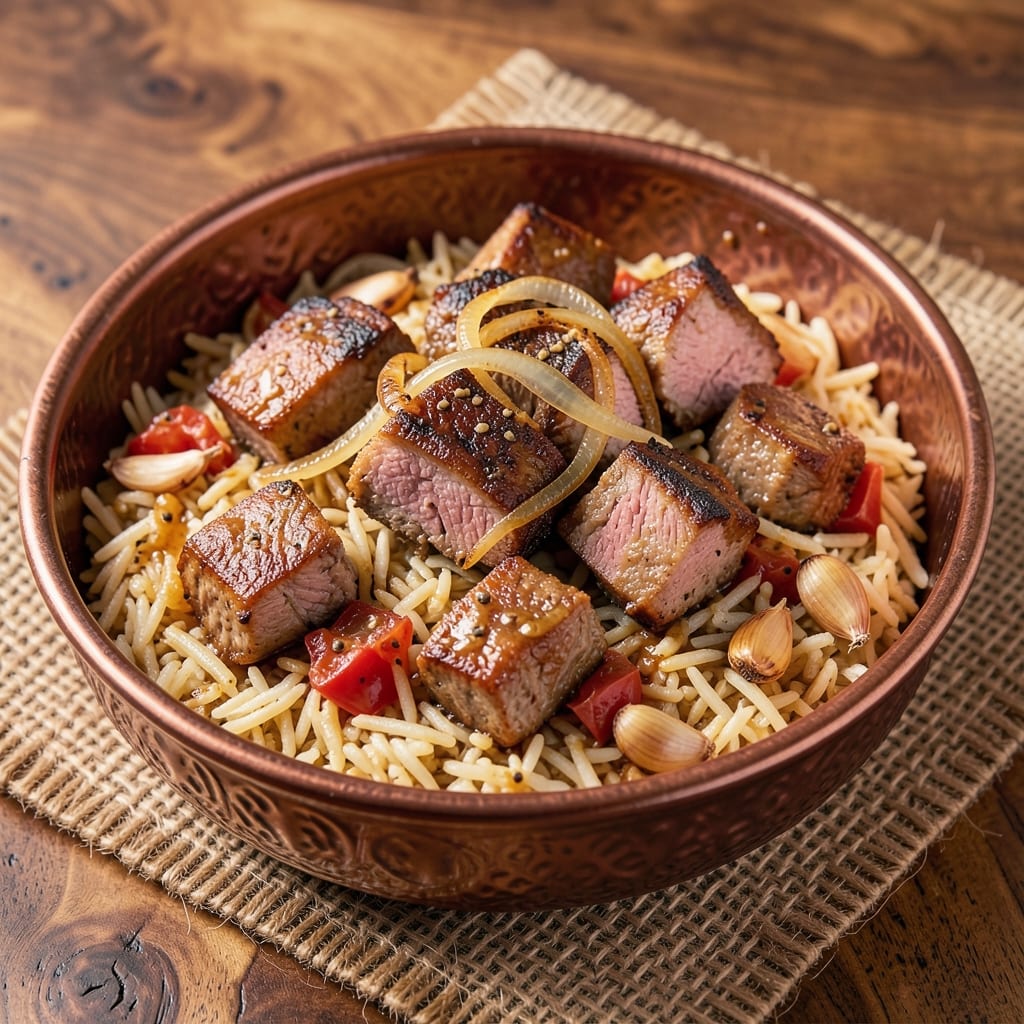
This Arabian kabsa rice recipe transforms simple ingredients into a fragrant, spice-infused masterpiece that brings the heart of Saudi Arabia to your kitchen table. The secret lies in slow-cooked lamb simmered with aromatic spices and tomatoes, then perfectly paired with toasted basmati rice that absorbs every rich, savory note. I've perfected this technique over years of testing, ensuring the meat remains tender while the rice develops that signature crispy texture at the edges.
The foundation of authentic kabsa begins with marinating the lamb in a blend of cumin, cardamom, and cinnamon—spices that create complex layers of warmth and earthiness. These flavors meld beautifully with the tomato-based sauce, which gently simmers until thick and velvety, coating each piece of meat. The rice, toasted in ghee before cooking, forms a fragrant base that holds its shape while soaking up the aromatic juices.
By the time you serve this dish, your kitchen will be filled with an intoxicating aroma that draws everyone to the table. Each bite delivers tender lamb infused with spice, paired with perfectly toasted rice that's crisp at the edges yet soft inside. The sauce ties everything together, creating a harmonious balance of sweet, spicy, and savory notes that define this Saudi Arabian classic.
This recipe serves six and can be easily doubled for gatherings. The leftovers reheat beautifully, making it perfect for meal prep or entertaining. Let's create a dish that feels like a celebration every time you cook it.
Ingredients for arabian kabsa rice
Sixteen ingredients. One unforgettable aroma. Let's make Arabian kabsa.
| Ingredient | Amount | Notes |
|---|---|---|
| Lamb Shoulder 🥩 | 3 lb | Bone-in for flavor, cut into chunks |
| Basmati Rice 🍚 | 2 cups | Uncooked, long-grain preferred |
| Ghee 🧈 | ½ cup | For rice toasting, clarifies butter |
| Crushed Tomatoes 🍅 | 2 cups | San Marzano preferred, no sugar added |
| Onion 🧅 | 1 whole | Yellow or red, finely chopped |
| Garlic Cloves 🧄 | 6 cloves | Peeled and minced |
| Ground Cumin 🌿 | 1 ½ tbsp | Toasted for deeper aroma |
| Ground Coriander 🌿 | 1 tbsp | Freshly ground preferred |
| Ground Cardamom 🌿 | 1 tsp | Green cardamom pods preferred |
| Cinnamon Sticks 🌿 | 2 whole | For infusion, remove before serving |
| Salt 🧂 | 1 ½ tsp | Diamond Crystal preferred |
| Black Peppercorns 🌶️ | 1 tsp | Freshly cracked preferred |
| Fresh Ginger 🌿 | 1 tbsp | Grated, for sauce depth |
| Fresh Parsley 🌿 | ¼ cup | Chopped, for garnish |
| Water 💧 | 3 cups | For rice cooking |
The lamb is everything here. Bone-in shoulder stays juicier than lean cuts—look for good marbling at Whole Foods or your butcher shop. If you're buying pre-cut, Costco has great prices for bulk. For the rice, basmati from India (like Khetri or India Gate) has that signature nutty aroma. The ghee? Store-brand works fine—no need to splurge on specialty. Toast the rice in the ghee until it smells like popcorn—that's when you know it's ready. The tomatoes? San Marzano cans are worth the extra cost for that sweet, rich flavor.
No lamb? Beef chuck works in a pinch—just add an extra 30 minutes to the cooking time. Ran out of cardamom? Allspice at half the amount gives a similar warmth. The crushed tomatoes can be fresh—just blend canned tomatoes with a pinch of salt. For the spices, Penzeys has great whole spices if you want to toast them yourself. But honestly, the regular grocery store stuff works fine. The ginger should be fresh—dried lacks that bright punch. If you're short on time, frozen ginger works too (thaw and drain well).
This reheats like a dream—better the next day as flavors meld. Store lamb and rice separately in airtight containers for 4 days. Freeze portions for 3 months. I always make extra rice—it's perfect for breakfast the next morning. The sauce keeps 5 days in the fridge, so double it if you're feeding a crowd. The ghee leftovers? Perfect for toasting bread or finishing dishes.
Why You'll Love This Recipe
- One-Pot Magic: I swear by this—just brown the lamb, dump in the rice and spices, then let it simmer. No extra pots, no fuss, and that ghee turns everything into golden perfection while you sip tea.
- Spice Bomb Alert: The crushed tomatoes and onion caramelize into a sticky, savory base, while the lamb shoulder melts into tender shreds. Honestly, the first bite makes me close my eyes—it’s that good.
- Weeknight to Weekend: Make a double batch on Sunday, and you’ve got lunch covered for days. The rice stays fluffy, the lamb stays juicy, and reheating is a breeze. (Yes, even on a Tuesday night.)
- Budget Feast: Lamb shoulder stretches further than you’d think, and basmati rice fills bowls without breaking the bank. I’ll be real: this is my go-to when I want to feed a crowd without stressing over cost.
Step-by-step instructions for Arabian kabsa rice
Here's how to create that perfect balance of nutty toasted rice and tender spiced lamb.
Brown the Lamb for Deep Flavor
Pat the 3 lb lamb shoulder dry with paper towels and cut it into 2-inch chunks. Heat 0.25 cup of the ghee in a large, heavy pot over medium-high heat. Working in batches, brown the lamb on all sides until deeply golden—about 3-4 minutes per side. You want that beautiful crust that locks in juices.
As the lamb browns, remove it from the pot and set it aside. Don't drain the rendered fat—this is where all the flavor lives. If the fat gets too dark, reduce heat slightly to prevent burning. This step builds the foundation for your kabsa's rich taste profile.
Toast the Spices and Rice Together
In the same pot with the rendered lamb fat, add the 1 whole chopped onion and cook for 5 minutes until soft and translucent. Stir in the 6 minced garlic cloves and cook for 30 seconds until fragrant. This aromatic base is crucial for developing the dish's complex flavors.
Add the 2 cups basmati rice and stir to coat it completely in the fat. Toast the rice for 2-3 minutes until it turns a beautiful golden color. This toasting step is what gives kabsa its signature nutty aroma and prevents mushy rice. Now add the 1.5 tbsp ground cumin, 1 tbsp ground coriander, 1 tsp ground cardamom, and 2 whole cinnamon sticks. Stir everything together for 30 seconds to bloom the spices.
Build the Sauce with Tomatoes and Ginger
Pour in the 2 cups crushed tomatoes and stir well. Add the 1 tbsp grated fresh ginger, 1.5 tsp salt, and 1 tsp cracked black peppercorns. Bring the mixture to a gentle simmer, then return the browned lamb to the pot. Pour in 3 cups water and stir once to combine.
Bring to a boil, then reduce heat to low. Cover the pot and let it simmer for 45 minutes. You'll know it's ready when the rice is tender and the liquid has been mostly absorbed. If it's not quite there, add ½ cup water and cook another 10 minutes. The sauce should coat the lamb and rice nicely.
Rest and Garnish for Perfect Texture
Remove the 2 cinnamon sticks and let the kabsa rest, covered, for 10 minutes. This resting period allows the rice to finish absorbing any remaining liquid and the lamb to redistribute its juices. The dish will be even more flavorful after this brief pause.
Before serving, fluff the rice gently with a fork and garnish with 0.25 cup chopped fresh parsley. The parsley adds a bright contrast to the rich, spiced flavors. Serve immediately with warm naan or flatbread to soak up every last bit of that delicious sauce.
Pro Tips For Making Arabian Kabsa Rice
- Sear the Lamb First: The lamb shoulder won’t render its own fat if you start slow—high heat for 5-7 minutes until deep brown crusts form. After burning three batches where the meat stayed bland, I finally realized this step locks in flavor before the slow simmer.
- Soak Rice for 30 Minutes: Basmati rice expands like crazy, and skipping the soak means uneven grains or a mushy bottom layer. Cold water for 30 minutes (yes, even if you’re impatient) guarantees fluffy, separate kernels that won’t stick together.
- Deglaze with Tomato Paste: Don’t just dump crushed tomatoes—mix a spoonful of tomato paste into the ghee first, let it caramelize for 2 minutes. This thickens the sauce naturally and cuts down on watery rice later. (I know, it’s an extra step, but trust me on this.)
- Use a Heavy Pot: A thin pot boils off moisture too fast, leaving your rice dry. A heavy-bottomed Dutch oven or deep pot keeps heat even and lets the rice cook through without burning. I learned this the hard way when my first attempt ended up like sand.
Perfect pairings for this arabian kabsa rice
Traditional Side Dishes
Serve your kabsa with warm naan bread or markook (Saudi flatbread) to soak up the rich tomato sauce. I like to make a batch of garlic yogurt sauce by mixing 1 cup plain yogurt with 2 minced garlic cloves, 1 tbsp lemon juice, and ½ tsp salt—it adds a cooling contrast to the spiced lamb. For extra authenticity, include fresh cucumber slices with a sprinkle of sumac and mint leaves. 🥖
Spiced Salad Pairing
Create a cucumber and tomato salad with 1 cup diced cucumbers, 1 cup cherry tomatoes, ¼ cup red onion, and 1 tbsp olive oil. Toss with a pinch of salt, ½ tsp ground cumin, and 1 tbsp lemon juice for a refreshing balance. This salad cuts through the richness of the kabsa while complementing its warm spices. I always serve it chilled for the best texture.
Drink Recommendations
Pair your kabsa with Saudi mint tea—steep 2 tbsp fresh mint leaves in 2 cups hot water, add 1 tbsp loose black tea, and sweeten with 2 tsp honey. The tea’s bright aroma and sweetness cleanse the palate between bites. For a non-alcoholic option, try pomegranate juice—its tartness enhances the dish’s spiced depth. If you prefer beer, a light lager like Al Sallam keeps the meal balanced without overpowering the flavors. 🍹
Dessert Harmony
Finish the meal with Saudi luqaimat—deep-fried dough balls drizzled with date syrup and pistachios. The sweet, caramelized notes contrast beautifully with the savory kabsa. Alternatively, serve baklava with a cup of Arabic coffee for a classic Middle Eastern finale. The combination of textures and flavors creates a satisfying, cohesive dining experience.
Modern Twists
For a contemporary touch, add pickled red onions (soak ½ cup thinly sliced onions in ½ cup vinegar, 1 tbsp sugar, and ½ tsp salt for 30 minutes) to brighten each bite. A side of roasted cauliflower with harissa also pairs well—its smoky heat echoes the kabsa’s spices. These modern additions keep the dish exciting while staying true to its roots.
Nutrition facts
Frequently asked questions
What's the secret to perfectly toasted kabsa rice?
Toast the 2 cups basmati rice in ghee for 2-3 minutes until golden and fragrant—this creates that signature nutty aroma and crispy texture. The key is using medium-high heat and stirring constantly to prevent burning. The rice should smell like popcorn when ready!
Can I substitute chicken or beef for lamb in kabsa?
For chicken, use 3 lb bone-in thighs (they stay juicier) and reduce cooking time to 35 minutes. For beef, opt for chuck roast and add 30 extra minutes to the simmering time. Just adjust the meat-to-water ratio accordingly—beef needs more liquid to tenderize.
Why does my kabsa sauce turn out too thin?
This usually happens when using too much water or from overcooking. Start with 3 cups water and simmer uncovered for the last 5 minutes to thicken naturally. For extra richness, reduce the water by ½ cup and stir in 1 tbsp tomato paste at the end. The sauce should coat the back of a spoon but remain saucy.
How do I make kabsa ahead of time?
Kabsa reheats beautifully! Store the lamb and rice separately in airtight containers for up to 4 days. Reheat gently in a pot with 2 tbsp water over low heat for 10 minutes. The rice will absorb the moisture perfectly. For freezing, portion into 3-month batches—thaw overnight in the fridge before reheating.
Which spices are most important for authentic flavor?
The power trio is cumin, cardamom, and cinnamon—they create that warm, earthy base. Toast the whole spices in the ghee first to deepen their aroma. Cardamom adds floral notes, while cumin brings that signature Middle Eastern warmth. Don't skip the black peppercorns either—they add subtle heat that balances the dish beautifully.