
Main Courses
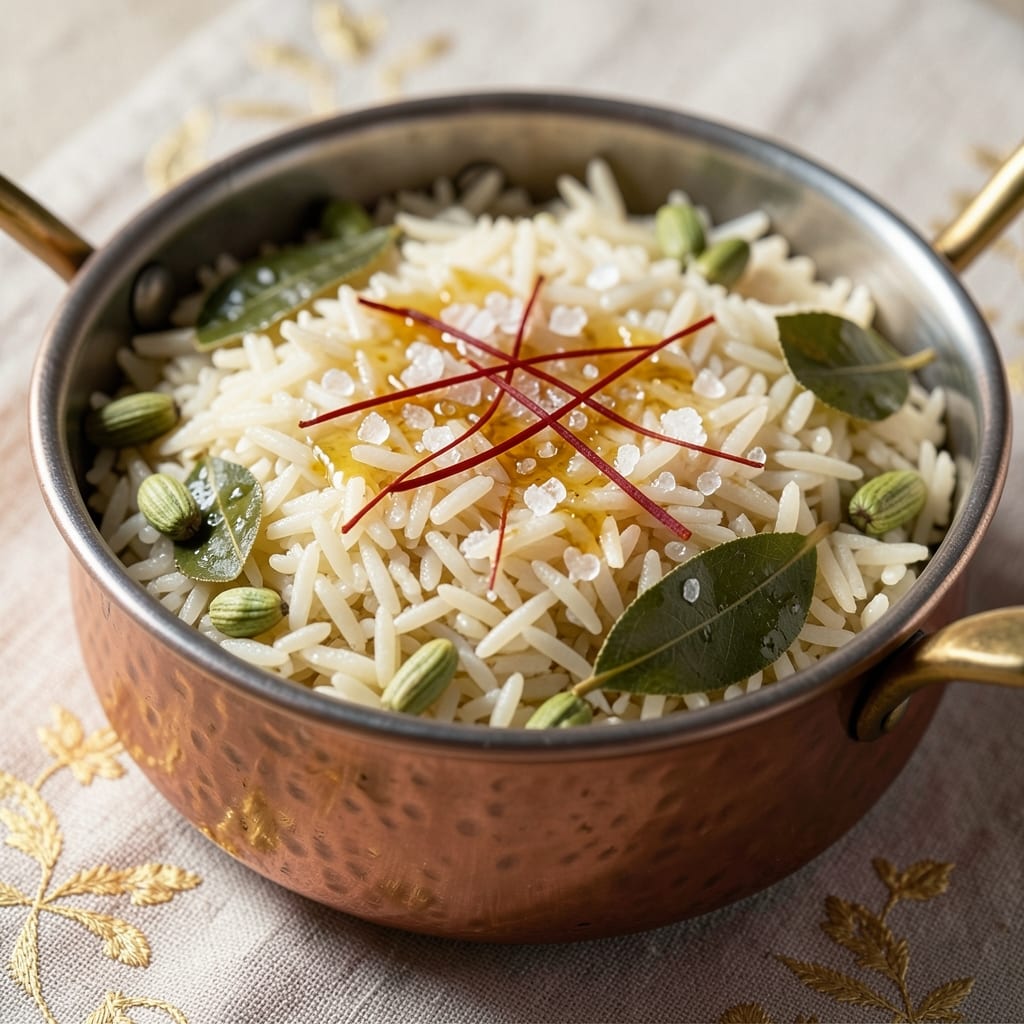
Arabic basmati rice transforms ordinary meals into fragrant feasts with just a few simple techniques. This recipe delivers perfectly fluffy grains infused with toasted spices and saffron, a staple in Middle Eastern cuisine that pairs beautifully with grilled meats and spiced stews. The secret lies in proper soaking, precise water ratios, and gentle heat—elements that elevate this dish beyond ordinary white rice.
What sets this basmati apart is the aromatic spice blend—cardamom, bay leaves, and a pinch of saffron—that infuses every grain with warm, earthy flavors. Unlike other rice methods, this approach ensures the grains remain separate and fragrant, never mushy or sticky. The process takes just 30 minutes but delivers restaurant-quality results that impress even the most discerning palates.
By mastering this technique, you'll achieve rice that's light, fluffy, and bursting with flavor—ideal for serving alongside lamb kebabs, falafel, or as a standalone dish. The key is patience: soaking the rice and controlling the heat to prevent overcooking. Each bite reveals the delicate balance of spices and saffron, making this a dish worth perfecting.
Once you try this method, you'll never go back to plain white rice again. The aromatic profile and texture make it a versatile centerpiece for any Middle Eastern meal. Let's get started on creating this flavorful staple that brings a taste of Arabia to your table.
Ingredients for arabic basmati rice
Eight simple ingredients transform plain rice into a fragrant Middle Eastern masterpiece.
| Ingredient | Amount | Notes |
|---|---|---|
| Long-Grain Basmati Rice 🌾 | 1 cup | Uncooked, high-quality grains |
| Water 💧 | 1 ¾ cups | Room temperature preferred |
| Saffron Threads 🌼 | ¼ tsp | High-quality, crushed lightly |
| Green Cardamom Pods 🌿 | 4 whole | Lightly crushed, seeds exposed |
| Bay Leaves 🍃 | 2 whole | Fresh or dried, whole leaves |
| Salt 🧂 | 1 ½ tsp | Fine sea salt preferred |
| Extra-Virgin Olive Oil 🫒 | 1 tbsp | For toasting spices |
| Fresh Lemon Juice 🍋 | 1 tbsp | Bright, freshly squeezed |
The rice makes all the difference here—look for basmati labeled 'long-grain' at stores like Whole Foods or Middle Eastern markets. Tilda or India Gate brands are my go-tos for that perfect aroma. Saffron is non-negotiable for authentic flavor, so grab high-quality threads (not powder) from specialty shops—they're worth the splurge. Cardamom pods should be plump and green, not dried out. If you can't find fresh bay leaves, dried works too, but toast them first in the olive oil for deeper flavor. The lemon juice brightens everything at the end—freshly squeezed makes a world of difference.
No saffron? A pinch of turmeric adds color (but no saffron flavor). Running out of cardamom? Cinnamon sticks or even allspice can mimic the warmth. Short on bay leaves? Rosemary or thyme work in a pinch. The olive oil is key for toasting—don't skip this step (trust me on the full-fat version). Using pre-soaked rice? Skip the initial soak but add 2 extra minutes to cook time. And if you're serving this with lamb, double the cardamom—it pairs amazingly.
Soak the rice for at least 20 minutes (up to 1 hour if you're really patient). The spices toast in just 30 seconds—watch closely! Once cooked, cover with a damp towel to keep it fluffy. This keeps perfectly for 3 days in the fridge, though it's best fresh. For leftovers, reheat gently with a splash of water—microwaving makes it rubbery. I always make extra—it freezes beautifully for up to 3 months if you wrap it tightly in parchment.
Why You'll Love This Recipe
- Just Five Ingredients: I swear by this—no chopping, no fuss, just rinse, simmer, and boom. The rice does all the work while you handle the rest of dinner. (Yes, even on a Tuesday night.)
- Golden Threads Magic: That saffron? It turns the rice a dreamy yellow, but it’s the cardamom and bay leaves that make it sing—warm, floral, and just a little mysterious. Honestly, it’s the kind of flavor that makes you pause mid-bite.
- Weeknight to Celebration: Same rice, endless uses. Pair it with grilled chicken for a quick weeknight meal, or serve it under lamb for a weekend feast. My daughter picks out the cardamom pods to snack on, but still asks for seconds.
- Budget-Friendly Staple: A cup of rice feeds four, and the spices last forever. I make a big batch on Sundays—it reheats perfectly, saves me money, and means I’m never scrambling for a side. (Between us, this is my secret weapon.)
Step-by-step instructions for arabic basmati rice
This method delivers fragrant, perfectly toasted rice with saffron's golden hue and cardamom's warmth.
🍳 Step 1: Toast the Spices in Olive Oil
Heat a medium saucepan over medium heat and add the 1 tablespoon extra-virgin olive oil. Once the oil shimmers but isn't smoking, add the 4 whole green cardamom pods and 2 whole bay leaves. Toast for 1-2 minutes until you smell their aromatic oils releasing—this is when the spices truly wake up.
Watch carefully—the moment the spices start to pop and release their fragrance, that's your cue. Remove the pan from heat immediately if you see any smoke, but don't worry if you do get a tiny bit of color on the spices. This toasting step builds the aromatic foundation of your rice, so don't skip it.
🍳 Step 2: Add Rice and Toast Until Glossy
Return the pan to medium heat and add the 1 cup long-grain basmati rice. Stir constantly for 2-3 minutes until every grain is coated in oil and the rice begins to look translucent at the edges. This toasting process is crucial—it prevents the rice from becoming mushy and gives it that characteristic nutty flavor.
You'll know you're doing it right when the rice starts to smell toasty and the grains look slightly puffed. If you see any grains sticking, add a quick splash of water and stir to release them. The goal is even toasting without burning.
🍳 Step 3: Bloom the Saffron and Add Water
Remove the pan from heat and stir in the 0.25 teaspoon saffron threads. Let them steep for 5 minutes—this allows their vibrant color and delicate flavor to infuse into the rice. While the saffron steeps, pour in the 1.75 cups water and add the 1.5 teaspoons salt.
Real talk: don't skip the saffron steeping. The threads need time to release their magic. If you're using high-quality saffron, you'll see it dissolve into a beautiful golden hue. If you're using the cheaper thread variety, give it extra time to bloom.
⏰ Step 4: Simmer Until Water Absorbs
Return the pan to low heat and bring to a gentle simmer. Cover tightly with a lid and cook for 12-15 minutes without peeking. You're looking for the water to be completely absorbed—when you lift the lid slightly, you should see steam escaping but no water remaining.
Here's the thing—this is where patience pays off. If you peek too early, you'll disturb the cooking process. The rice should be tender but still have a slight bite to it. If you're unsure, do the rice test: press a grain between your fingers—it should be soft but not mushy.
🍽️ Step 5: Finish with Lemon and Rest
Remove from heat and stir in the 1 tablespoon fresh lemon juice. The acidity brightens all the flavors and cuts through the richness of the spices. Let the rice sit covered for 5 minutes—this resting period allows the steam to redistribute and the grains to plump up perfectly.
Fluff the rice gently with a fork before serving. Each grain should be separate, fragrant, and infused with saffron's golden color. The cardamom and bay leaves should add a subtle warmth that lingers on your palate. Serve immediately with your favorite Middle Eastern dishes for the full experience.
Pro Tips For Making Arabic Basmati Rice
- TOAST THE SPICES FIRST: I learned this the hard way—skipping the quick toast for cardamom and bay leaves means you’ll just get a subtle aroma instead of that warm, earthy punch. Heat them in the pot for 30 seconds until fragrant, then add the rice. The difference is night and day.
- SOAK THE SAFFRON PROPERLY: Crush those saffron threads between your palms first, then steep them in ¼ cup warm water for at least 10 minutes. Dumping dry threads straight into the pot? You’re wasting half the flavor—this step guarantees every grain gets that golden hue and floral depth.
- USE THE 1:1.5 RATIO: Stick to 1 part rice to 1.5 parts water, no exceptions. Too little water and you’ll end up with chewy, undercooked grains; too much and it turns mushy. After the initial boil, reduce heat to the lowest setting and let it simmer uncovered—this keeps the texture light and separate.
- STIR ONCE, THEN LEAVE IT: The moment you add water, stir just once to distribute the rice evenly. Then walk away. Peeking or stirring later breaks the grains and turns your perfect rice into a gluey mess. Trust the process—it’s foolproof if you resist the urge to check every 30 seconds.
Pro cooking tips for this recipe
Spice Toasting Mastery
Toast your spices over medium heat for exactly 1-2 minutes—this releases their aromatic oils without burning. I use a medium saucepan (about 12-inch diameter) for even heat distribution. Watch closely: the moment you smell that toasty cardamom fragrance, remove the pan from heat. Over-toasting turns spices bitter, while under-toasting leaves them flavorless. 🌿
Rice Soaking Secrets
Soak your basmati rice for at least 20 minutes in room-temperature water before cooking. This prevents cracking and ensures even cooking. I use a fine-mesh strainer to drain excess water completely—never rinse after soaking. The goal is hydrated rice that cooks uniformly without turning mushy. For extra fluffiness, add ½ teaspoon lemon juice to the soaking water.
Water Ratio Precision
Use 1.75 cups water for 1 cup uncooked rice—this is critical for perfect texture. Too much water makes sticky rice; too little leaves it undercooked. I measure water in a liquid measuring cup for accuracy. If your rice is extra old or hard, increase water by ¼ cup. Always use room-temperature water—cold water starts cooking unevenly.
Saffron Bloom Technique
Bloom saffron in warm (not hot) oil for 5 minutes before adding water. This extracts maximum color and flavor. I crush the threads lightly with my fingers to expose more surface area. For best results, use high-quality saffron threads (like Kashmiri saffron)—they dissolve beautifully. If you see clumps, strain them out before serving for a cleaner presentation.
Low-and-Slow Simmering
Cook on low heat to maintain a gentle simmer—never a rolling boil. This prevents the rice from becoming gummy. I use a tight-fitting lid to trap steam, which cooks the rice evenly. If you see water boiling vigorously, reduce heat immediately. The rice is done when all water is absorbed and grains are tender but still slightly firm to the touch.
Resting for Perfection
Let the rice rest covered for 5 minutes after cooking. This redistributes steam and prevents sticking. I find a damp kitchen towel over the lid keeps it extra moist. Never fluff the rice immediately—wait until it's fully rested. The final lemon juice should be added just before serving to maintain its bright flavor. 🍋
Nutrition facts
Frequently asked questions
Why does Arabic basmati rice need toasting?
Toasted spices create the signature nutty aroma and prevent mushy rice. The 2-3 minute toasting step develops the cardamom and bay leaf flavors while coating each grain with olive oil, which gives the rice its signature texture. This is what separates homemade basmati from store-bought versions.
Can I substitute saffron with something else?
While nothing replaces saffron's delicate flavor, you can use ½ teaspoon turmeric for color (though it lacks saffron's aroma) or ½ teaspoon annatto powder for a golden hue. For authentic flavor, consider ½ teaspoon ground sumac—it adds a tangy note that pairs well with the spices.
What's the best way to store leftover Arabic basmati rice?
Store in an airtight container for up to 3 days in the fridge. For longer storage, freeze portions for 3 months—wrap tightly in parchment paper first. To reheat, gently warm with 1 tablespoon water per cup of rice in a covered pot over low heat for 5 minutes. Never microwave directly from the fridge.
How do I know when the rice is perfectly cooked?
When all water is absorbed and grains are tender but still slightly firm (like al dente pasta), it's done. Test by pressing a grain between your fingers—it should yield slightly but not feel mushy. If you see a thin layer of water at the bottom after 12-15 minutes, it's perfect. Overcooking by even 1 minute turns rice gummy.
What dishes pair best with this spiced rice?
This aromatic rice shines with grilled lamb chops, spiced chicken tagine, or falafel wraps. For vegetarian meals, serve with hummus, roasted vegetables, or a fresh cucumber-yogurt salad. The cardamom and saffron flavors complement rich meats while balancing lighter vegetable dishes perfectly.