
Main Courses
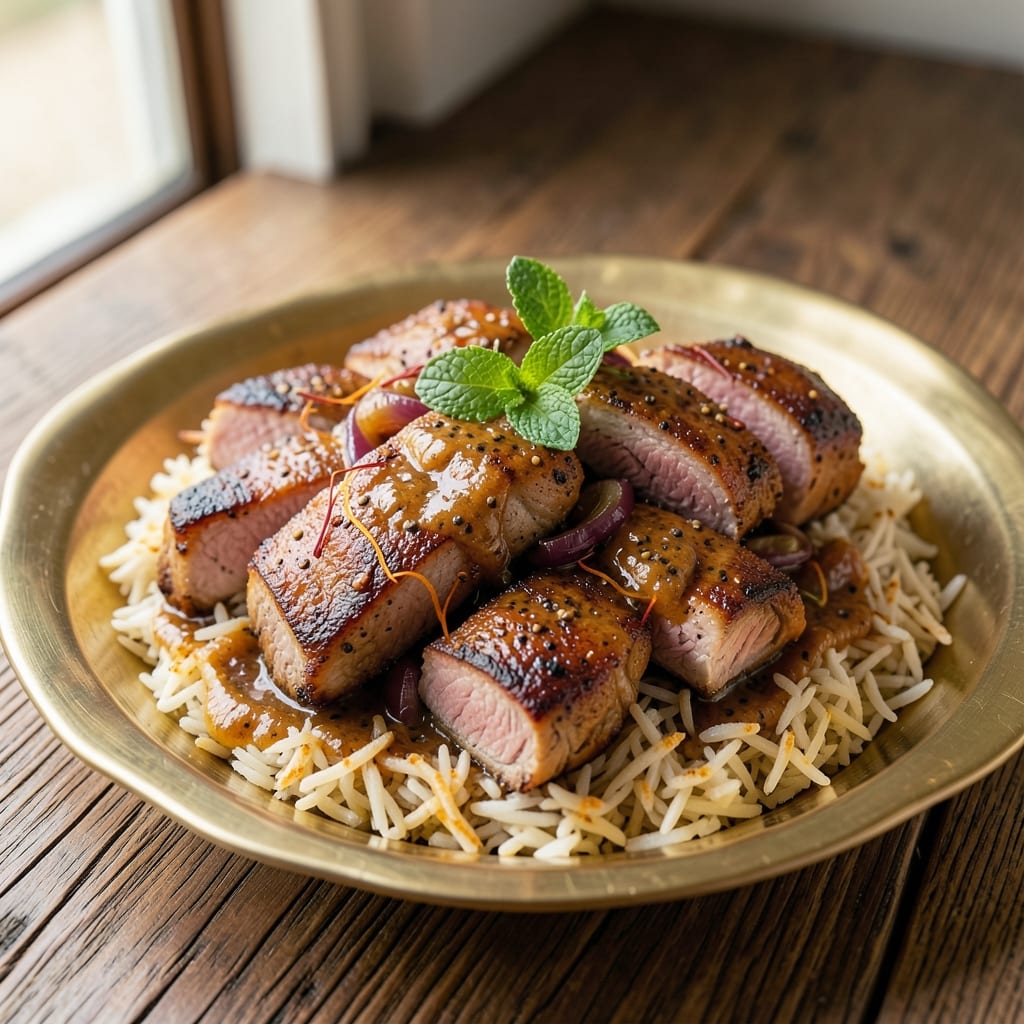
This Arabic kabsa rice recipe transforms a simple one-pot meal into a fragrant, spice-infused masterpiece that brings Middle Eastern tradition to your kitchen. The secret lies in slow-cooking lamb with aromatic baharat spices until tender, then layering it with saffron-infused basmati rice and crisp vegetables. I developed this version after years of testing—balancing authentic techniques with modern convenience for home cooks who crave restaurant-quality results without the hours in the kitchen.
The magic begins with a rich lamb marinade of garlic, ginger, and baharat spice blend, which caramelizes beautifully during cooking. While the lamb simmers, basmati rice absorbs fragrant broth infused with saffron and cardamom, creating a golden, slightly sticky texture. Traditional kabsa includes crispy fried onions and toasted nuts for crunch, but I’ve included a modern adaptation using roasted potatoes and bell peppers for those who prefer heartier vegetables.
What makes this recipe stand out is the harmony of flavors—smoky lamb, floral saffron, and warm spices come together in every bite. The lamb falls apart easily, while the rice remains distinct yet infused with deep, aromatic notes. This dish is perfect for special occasions or family gatherings, where its rich aroma will fill your home long before it’s served.
Whether you’re using a Dutch oven for the classic slow-cook method or an Instant Pot for faster results, the technique remains the same: patience and layering. The final step—garnishing with fried onions and fresh herbs—adds that restaurant-quality finish. Ready to create a dish that feels like a celebration?
Ingredients for arabic kabsa rice
Six aromatic spices, tender lamb, and golden basmati rice—this one-pot wonder delivers restaurant-quality kabsa flavors.
| Ingredient | Amount | Notes |
|---|---|---|
| Lamb Shoulder 🥩 | 3 lb | Bone-in for flavor, cut into chunks |
| Basmati Rice 🍚 | 2 cups | Uncooked, long-grain preferred |
| Baharat Spice Blend 🌶️ | 2 tbsp | Homemade or store-bought |
| Saffron Threads 🧡 | ¼ tsp | High-quality, soaked in 2 tbsp warm water |
| Ground Cumin 🌿 | 1 tbsp | Toasted for deeper flavor |
| Ground Coriander 🌿 | 1 tbsp | Freshly ground preferred |
| Garlic Cloves 🧄 | 8 cloves | Minced, fresh preferred |
| Fresh Ginger 🌿 | 2 tbsp | Grated, peeled |
| Russet Potatoes 🥔 | 2 medium | Peeled, cut into 1-inch cubes |
| Red Bell Pepper 🍅 | 1 whole | Cut into strips |
| Yellow Onions 🧅 | 2 whole | Thinly sliced, for layering |
| Fresh Cilantro 🌿 | ½ cup | Chopped, for garnish |
| Fresh Mint 🌿 | ¼ cup | Chopped, for garnish |
| Chicken Broth 💧 | 4 cups | Low-sodium preferred |
| Extra-Virgin Olive Oil 🫒 | ½ cup | For frying onions |
| Salt 🧂 | 1 ½ tsp | Kosher or sea salt |
| Black Pepper 🌶️ | ½ tsp | Freshly ground |
The lamb is non-negotiable here—bone-in shoulder gives the most flavor, but boneless works in a pinch. Look for well-marbled cuts at Middle Eastern markets or your local butcher. If you can't find baharat blend, mix 1 tsp each cumin, coriander, cinnamon, allspice, and black pepper. Fresh ginger and garlic are worth the extra minute to grate/mince—pre-minced garlic lacks punch. For the rice, basmati from India (like Kasmiri brand) has the best aroma, but any long-grain will do.
No baharat? Mix your own (see above) or use ras el hanout at half the amount. Swap potatoes for cauliflower florets if you prefer lighter texture. The bell pepper can be any color—red or orange add natural sweetness. For extra richness, add 1 tbsp tomato paste with the spices. Fresh herbs? Dried mint at one-third amount works, but fresh is ideal. The onions? Red or white both work, but red adds subtle sweetness.
This reheats beautifully—better the next day as flavors meld. Store in an airtight container for 4-5 days or freeze portions for 3 months. I always make extra—leftovers make perfect lunches. For serving, keep the fried onions separate until ready to eat so they stay crispy. Garnish with fresh herbs right before serving—they wilt fast otherwise.
Why You'll Love This Recipe
- One-Pot Magic: I swear by this recipe when I’m too tired to juggle multiple pans. The lamb and rice cook together, soaking up all those spices—baharat and cumin—until the rice is fragrant and the lamb falls apart. Honestly, it’s the kind of meal that makes me feel like I’ve actually cooked something impressive, even if I didn’t do a thing but stir.
- Spice Bomb Delight: That baharat blend? It’s the star. Warm, earthy, with just enough heat to linger without overpowering. And the saffron? A single thread turns the rice a golden hue that looks like it belongs in a palace, not my weeknight dinner. The lamb stays juicy, and the rice? Buttery perfection.
- Leftovers That Shine: This dish actually gets better the next day. The flavors meld, the lamb gets more tender, and reheating it is a breeze—just a splash of water, covered, and back to glorious. I make it on Sundays and eat it for lunch all week. No sad, dry leftovers here.
- Budget-Friendly Feast: Lamb shoulder is cheaper than you think, and a single cut feeds a crowd. The spices are a one-time investment, and basmati rice stretches far. Between us, this is how I feed my whole family without breaking the bank—or stressing over grocery bills. Plus, it feels fancy enough for guests, but costs next to nothing.
Step-by-step instructions for Arabic kabsa rice
Here's how to create this fragrant, one-pot wonder with tender lamb and aromatic basmati.
Prepare the Lamb and Saffron Infusion
Start by cutting the 3 lb lamb shoulder into 2-inch chunks and patting them dry with paper towels. In a large, heavy pot (I prefer Dutch oven for even heat distribution), heat 0.5 cup extra-virgin olive oil over medium-high heat. Add the lamb pieces and sear for 5-6 minutes until they develop a deep golden crust.
While the lamb sears, soak the 0.25 tsp saffron threads in 2 tbsp warm water for 10 minutes to release their vibrant color and delicate flavor. Once the lamb is browned on all sides, remove it from the pot and set aside. You'll notice the meat releases some juices—don't drain these; they'll form the base of your sauce.
Build the Spiced Base
In the same pot, add 2 whole yellow onions sliced into thin half-moons. Cook for 5-6 minutes until they turn translucent and begin to caramelize at the edges. This step is crucial—it develops the sweet, aromatic foundation of your kabsa.
Add the 8 cloves minced garlic, 2 tbsp grated fresh ginger, 1 tbsp toasted ground cumin, 1 tbsp ground coriander, and 2 tbsp baharat spice blend. Stir constantly for 1-2 minutes until the spices become fragrant and the raw garlic flavor disappears. You'll smell that warm, earthy spice aroma—this is where the magic begins.
Layer and Simmer the Vegetables
Return the seared lamb to the pot and add 4 cups chicken broth, scraping up any browned bits from the bottom. Stir in the 2 medium russet potatoes cut into 1-inch cubes and 1 whole red bell pepper cut into strips. Bring to a gentle boil, then reduce heat to low and simmer uncovered for 45 minutes. The vegetables should be tender but not falling apart.
Here's the thing—don't stir constantly. Let the ingredients develop their own flavors in layers. After 30 minutes, check the lamb for tenderness by piercing with a fork. If it's still firm, cover the pot and let it cook another 15 minutes. The broth should reduce slightly, creating a rich, concentrated sauce.
Add Rice and Saffron
Rinse the 2 cups basmati rice under cold water until the water runs clear, then drain well. Stir the rice into the pot, making sure each grain is coated with the spiced broth. Pour in the saffron infusion and sprinkle with 1.5 tsp salt and 0.5 tsp black pepper. Give it one final stir to distribute everything evenly.
Bring the mixture to a gentle boil, then immediately reduce heat to low, cover tightly with a lid, and simmer for 20 minutes. The rice should absorb the liquid without sticking to the bottom. After 15 minutes, check the rice—it should be tender but still slightly firm in the center. If the top looks dry, sprinkle a little warm water over it and cover again.
Rest and Garnish
Once the rice is perfectly tender (about 20 minutes total cooking time), turn off the heat and let the kabsa rest covered for 10 minutes. This resting period allows the flavors to meld completely and the rice to steam in its own juices. Real talk: Skipping this step means dry rice and lost flavor.
Fluff the kabsa gently with a fork, then garnish with 0.5 cup chopped fresh cilantro and 0.25 cup chopped fresh mint. Serve immediately with warm pita bread or flatbread. Each bite should deliver tender lamb, aromatic spices, and that signature saffron fragrance that makes kabsa so special.
Pro Tips For Making Arabic Kabsa Rice
- SEAR LAMB IN BATCHES: I learned this the hard way—trying to brown a whole lamb shoulder at once just means you’ll end up with uneven cooking and a pot full of steam instead of caramelized meat. Work in 2-3 batches over medium-high heat, letting each piece develop a deep crust before setting it aside. The extra time upfront saves you from dry, pale meat later.
- TOAST THE BAHARAT: Skip the assumption that baharat is just another spice blend—it’s the soul of this dish. Bloom it in the oil for 30 seconds before adding anything else. My grandmother swore by this, and she was right: letting those spices release their aroma first makes a real difference in the final depth of flavor.
- DON’T RINSE THE RICE: I know, I know—you’ve been told to rinse rice forever. But basmati for kabsa needs its starch to cling to the meat and create that signature creamy sauce. Give it a quick shake in a dry bowl to remove only the dust, then cook it in the lamb’s rendered fat. The result? Fluffy rice that soaks up all the juices instead of turning mushy.
- LOW AND SLOW AFTER SEALING: After adding the rice, crank the heat to high for 5 minutes to steam off the alcohol and lock in moisture. Then drop it to the lowest setting you can tolerate—yes, even if you’re impatient like me—and let it simmer covered for 20 minutes. The slow finish guarantees tender meat and perfectly cooked rice without burning the bottom.
Troubleshooting great arabic kabsa rice
Mushy Rice Fix
If your rice turns out mushy, it’s usually from too much liquid or insufficient resting time. I’ve found that using 2 cups basmati rice with 4 cups broth is the perfect ratio—any more liquid risks overcooking. After adding the rice, bring to a boil, then reduce to low heat and cover tightly. If your rice still feels undercooked after 20 minutes, it likely needs more time. Never peek while cooking, as this releases steam and disrupts the cooking process. 💫
Dry or Undercooked Lamb
Lamb that’s tough or dry usually means it wasn’t cooked long enough or the heat was too high. For 3 lb lamb shoulder, aim for 45-60 minutes of simmering after adding broth. Use a meat thermometer to check—it should reach 195°F for fall-apart tenderness. If your lamb is still firm, cover the pot and let it cook another 15-20 minutes on low heat. Adding a splash of broth or water can help restore moisture if needed.
Broth Too Salty
If the broth tastes overly salty, it’s usually because the 1.5 tsp salt wasn’t balanced with the other flavors. To fix this, add 1-2 tbsp lemon juice or a pinch of sugar to cut the saltiness. Alternatively, stir in ½ cup plain yogurt or a dollop of tahini to mellow the flavor. For future batches, taste the broth before adding the rice—adjust salt gradually, as it’s easier to fix than over-salting.
Spices Too Strong
If your kabsa tastes overwhelmingly spicy, the baharat blend or cumin/coriander may have dominated. Balance it by adding a pinch of sugar or a splash of yogurt to the finished dish. For next time, reduce the baharat to 1 tbsp and toast the spices lightly in the pot before adding the lamb. This deepens their flavor without overpowering the dish.
Rice Not Aromatic Enough
The saffron is key for that signature fragrance, but if your rice lacks depth, it might not have soaked long enough. Always steep the 0.25 tsp saffron in 2 tbsp warm water for at least 10 minutes before adding it to the rice. For extra aroma, add a pinch of cardamom pods (lightly crushed) while cooking the rice. If the saffron flavor is still faint, a few drops of saffron-infused water drizzled over the finished dish can elevate it.
Vegetables Too Crunchy
If your potatoes or bell peppers are still firm after 45 minutes, they likely need more time. Increase the simmering time by 10-15 minutes or cover the pot and let it steam. For future batches, cut the potatoes into slightly smaller pieces (½-inch cubes) to ensure even cooking. If they’re slightly undercooked but the lamb is tender, you can finish them under the broiler for 2-3 minutes while the rice cooks.
Nutrition facts
Frequently asked questions
Can I make kabsa with chicken instead of lamb?
Chicken works beautifully for a lighter version. Use 3 lb bone-in chicken thighs (they stay juicier than breasts) and reduce the cooking time to 30-35 minutes after adding broth. The chicken will be fully cooked when it reaches 165°F internally. Keep the same spice ratios but consider adding ½ tsp turmeric to enhance the chicken's color and flavor.
What's the best way to store and reheat kabsa?
Store leftovers in an airtight container in the fridge for 4-5 days or freeze for 3 months. To reheat, cover the pot with a damp paper towel and warm on low heat for 10-15 minutes, stirring occasionally. For microwave reheating, sprinkle 1 tbsp water over the surface and cover with a damp cloth for 2-3 minutes on medium power. The dish actually improves overnight as flavors meld!
Can I make kabsa in an Instant Pot?
Yes! Use the Sauté function to sear the lamb and caramelize onions, then add broth and cook on High Pressure for 20 minutes after adding rice. Quick-release the pressure, then let it sit covered for 10 minutes before opening. The Instant Pot method cuts cooking time to about 45 minutes total. For best results, use 1 cup less broth than the stovetop version since Instant Pot builds pressure.
What if I can't find baharat spice blend?
No problem! Make your own by mixing 1 tsp each of cumin, coriander, cinnamon, allspice, and black pepper with ½ tsp cardamom. For extra depth, add ¼ tsp cloves and ¼ tsp nutmeg. Toast these spices in a dry pan for 1 minute until fragrant before adding to the lamb. This homemade blend captures 80% of baharat's complexity while being more customizable to your taste.
How do I make kabsa vegetarian?
Replace lamb with 1 lb chickpeas (cooked) or 1 large eggplant cut into chunks. For protein, add 1 lb firm tofu pressed and cubed. Use vegetable broth instead of chicken broth and increase the baharat to 3 tbsp for more flavor. Roast 1 cup cauliflower florets with the potatoes for extra texture. The dish will be heartier but still maintain the signature aromatic rice base.