
Main Courses
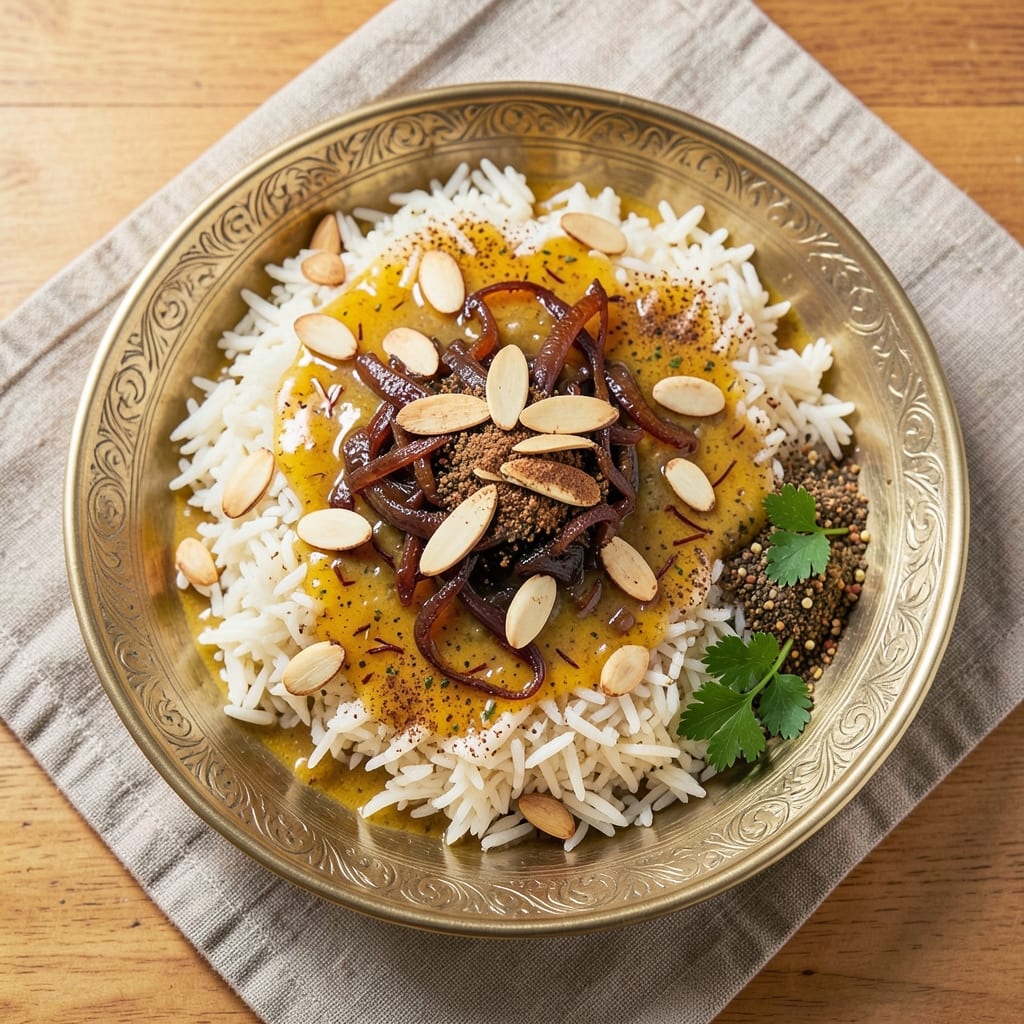
This Arabic Oriental rice recipe transforms simple basmati grains into a fragrant, spice-infused masterpiece that feels like a taste of the Middle East. The secret lies in slow-cooking the rice with warm broth, toasted spices, and a pinch of saffron that infuses every grain with golden aroma. I developed this version after years of testing—it’s the one that finally delivers that restaurant-quality texture and depth at home.
What sets this dish apart is the layering of flavors: warm cinnamon and cardamom mingle with the earthy notes of baharat spice blend, while toasted pine nuts add a delicate crunch. The rice cooks to perfect tenderness, absorbing the aromatic broth without becoming mushy. This isn’t just rice—it’s a canvas for spices that builds complexity with every bite.
By the time you serve it, you’ll have a dish that’s elegant enough for special occasions but simple enough for weeknight dinners. The saffron-infused grains release their fragrance as you plate it, while the toasted nuts add both visual appeal and textural contrast. It pairs beautifully with grilled meats or roasted vegetables, making it a versatile centerpiece for any meal.
The key to success is patience—letting the spices toast properly and allowing the rice to absorb the broth gradually. Trust the process, and you’ll end up with rice that’s fragrant, flavorful, and impossibly satisfying. Let’s get cooking!
Ingredients for arabic oriental rice
Simple grains meet bold spices—this is where Middle Eastern magic happens in your pot.
| Ingredient | Amount | Notes |
|---|---|---|
| Long-Grain Basmati Rice 🍚 | 1 ½ cups | Uncooked, rinsed thoroughly |
| Chicken Broth 💧 | 3 cups | Homemade or quality store-bought |
| Saffron Threads 🌼 | ¼ tsp | High-quality, soaked in 1 tbsp warm water |
| Ground Cinnamon 🌿 | ½ tsp | Freshly ground preferred |
| Ground Cardamom 🌿 | ½ tsp | Freshly ground for best flavor |
| Baharat Spice Blend 🌶️ | 1 tsp | Homemade or store-bought |
| Toasted Pine Nuts 🥜 | ¼ cup | Lightly browned, chopped |
| Unsalted Butter 🧈 | 2 tbsp | Cold, cubed for toasting |
| Fresh Lemon Juice 🍋 | 1 tbsp | Freshly squeezed |
| Salt 🧂 | 1 tsp | Kosher or sea salt |
| Fresh Parsley 🌿 | ¼ cup | Chopped, for garnish |
The rice is the star, so grab long-grain basmati—the kind that splits beautifully when cooked. Lundberg or Tilda are my go-tos, but any good-quality brand works. Rinsing it thoroughly removes excess starch, so the grains stay separate and fluffy. For the broth, homemade is ideal, but Swanson or Pacific Foods low-sodium versions save time. The saffron? Don’t skimp—Bulgarian or Iranian threads are the most potent, and soaking them in warm water unlocks their full golden flavor. Toast your spices in the butter until fragrant—this step is non-negotiable for that deep, warm aroma.
No baharat blend? Mix 1/4 tsp each of cumin, coriander, black pepper, and paprika for a quick substitute. Pine nuts too pricey? Toasted almonds or walnuts add a similar crunch. Fresh parsley wilting? Dried works at half the amount, but fresh is brighter. The lemon juice can be swapped for white wine vinegar if you're out, but fresh lemon brightens the dish. For extra richness, stir in 1 tbsp yogurt at the end—trust me, it’s worth it. And if you’re short on time, pre-soaking the rice for 30 minutes speeds up cooking without sacrificing texture.
This rice keeps beautifully—3-4 days in the fridge, covered tightly. Reheat with a splash of water or broth to restore moisture. For leftovers, store the pine nuts separately to keep them crisp. Freezing isn’t ideal, but you can portion the rice without the nuts and freeze it for up to 2 months. When reheating, fold in the nuts and a drizzle of lemon juice fresh—this is where the magic comes back to life. Serve with grilled chicken or roasted veggies for a complete meal.
Why You'll Love This Recipe
- One-Pot Magic: That’s right—just rice, broth, and spices. No separate pans, no constant stirring. The saffron infuses the broth while the rice cooks, and honestly? The cinnamon and cardamom do most of the work for you.
- Golden Fragrance Bomb: The moment you crack open those saffron threads into warm chicken broth, your kitchen smells like a Middle Eastern café. That earthy warmth from the cinnamon and the floral kick of cardamom? It’s the kind of flavor that makes people pause mid-bite.
- Weeknight to Weekend: I’ve served this with grilled chicken for a quick weeknight dinner, but it’s also my go-to for holiday platters. The rice stays fluffy for days, so it’s perfect when I’m feeding a crowd or just meal-prepping for myself.
- Budget Luxury: Basmati rice is affordable, and a pinch of saffron (plus spices) stretches across multiple meals. Between us, this is the kind of dish that makes fancy food feel accessible—no fancy price tag required.
Step-by-step instructions for Arabic Oriental rice
Here's how to craft this fragrant, golden rice dish with layers of spice and texture.
Prepare the Saffron Infusion
Soak the 0.25 teaspoon saffron threads in 1 tablespoon warm water for 5 minutes—this unlocks their vibrant color and delicate floral aroma. I like to use a small bowl and stir gently to ensure even hydration. The liquid should turn a beautiful golden hue, signaling the saffron is ready to work its magic in your rice.
While the saffron steeps, combine the 3 cups chicken broth in a saucepan and bring to a gentle simmer over medium heat. This preheated broth will help distribute the saffron infusion evenly throughout the rice. Keep it warm but not boiling—you want to maintain the saffron's delicate flavor without cooking it out.
Toast the Spices and Butter
In a large, heavy-bottomed pot (I prefer cast iron for even heat distribution), melt the 2 tablespoons unsalted butter over medium heat. Once the butter foams, add the 1 teaspoon baharat spice blend, 0.5 teaspoon ground cinnamon, and 0.5 teaspoon ground cardamom. Toast these spices for 1-2 minutes until fragrant—you'll smell their warm, earthy notes filling your kitchen.
This step is crucial for building flavor. Watch the spices carefully—they toast quickly and can burn easily. When they release their aroma and turn slightly darker, it's time to add the 1.5 cups long-grain basmati rice. Stir to coat each grain evenly in the spiced butter, ensuring they absorb those warm, aromatic notes before cooking.
Cook the Rice with Saffron Broth
Pour the warm saffron-infused broth into the pot with the rice, stirring gently to combine. Add the 1 teaspoon salt and bring to a gentle boil over medium-high heat. Once boiling, reduce heat to low, cover the pot tightly with a lid, and simmer for 15 minutes. This low-and-slow approach allows the rice to absorb the liquid evenly and develop its signature fragrance.
Here's the thing—don't peek or stir during this time. Every time you lift the lid, you release steam, which can lead to uneven cooking. After 15 minutes, turn off the heat and let the rice sit, covered, for 10 minutes. This resting period is what transforms good rice into exceptional rice, allowing the grains to finish steaming and develop their full texture.
Finish with Lemon and Garnish
After the rice has rested, fluff it gently with a fork to separate the grains. Stir in the 1 tablespoon fresh lemon juice—this brightens the dish and cuts through the richness of the spices. The lemon also helps balance the toasted pine nuts we'll add next. You'll notice the rice takes on a beautiful golden hue from the saffron, with delicate strands of color throughout.
Finally, fold in the 0.25 cup toasted pine nuts and top with the 0.25 cup fresh parsley. The pine nuts add a delightful crunch that contrasts perfectly with the tender rice, while the parsley provides a fresh, vibrant finish. Serve immediately while the rice is still warm and fragrant, ready to complement any main dish or enjoy on its own.
Pro Tips For Making Arabic Oriental Rice
- Bloom the Saffron First: Steep those saffron threads in a splash of warm broth (not boiling) for 10 minutes before adding to the rice—this pulls out the color and aroma without turning your rice yellowish-brown. I used to just toss it in dry; now my rice smells like a Persian market.
- Toast the Spices Lightly: Heat your cinnamon and cardamom in a dry pan for 30 seconds until fragrant—this wakes up their flavors and prevents that bitter, overcooked taste. Skip this, and your rice will taste like dusted spice instead of warm, aromatic layers.
- Use Cold Broth for Fluff: Start with cold chicken broth instead of hot—it gives the rice time to absorb evenly without steaming into mush. I learned this after watching my first batch turn into gluey porridge. Trust the process; the broth will heat up as the rice cooks.
- Layer Rice in One Batch: Cook all the rice at once in a single layer, then fold in any extra broth or saffron at the end—this keeps the grains separate and prevents clumping. I used to do partial batches, and the texture was inconsistent. One pot, one stir, done.
Common mistakes when making this dish
Skipping the Rinse
Rinsing your 1.5 cups basmati rice thoroughly before cooking removes excess starch, which prevents mushy grains. I’ve made this mistake—skipping the rinse leads to clumpy rice that lacks the delicate texture this dish deserves. Use a fine-mesh strainer and rinse until the water runs clear. This step is especially important for basmati, which releases more starch than other varieties. 💧
Overcrowding the Pot
Using a pot that’s too small forces the rice to steam unevenly, resulting in some grains overcooking while others stay underdone. I recommend a heavy-bottomed pot with at least 2 inches of headspace above the rice when liquid is added. For 1.5 cups rice, a 3-quart pot works perfectly. Overcrowding also traps too much steam, making the rice gummy rather than fluffy. 🍚
Burning the Spices
Toasting the spices too aggressively turns them bitter instead of aromatic. The baharat blend, cinnamon, and cardamom should just smell fragrant—not smoke. Keep heat at medium and watch closely. I’ve seen spices go from warm and inviting to burnt in 30 seconds flat. If they darken too much, start fresh with a new batch. 🌶️
Peeking Too Often
Every time you lift the lid during the 15-minute simmer, you release steam, disrupting the even cooking process. I’ve caught myself checking multiple times—resist the urge! The rice needs that trapped steam to develop its signature texture. If you must peek, do it quickly and minimize exposure. 🔍
Underestimating Rest Time
Skipping the 10-minute rest after cooking is a rookie mistake. This resting period allows the rice to reabsorb moisture and finish steaming, resulting in perfectly separated grains. I’ve served rice immediately, only to have it turn out dry and crumbly. Trust the process—patience here makes all the difference. ⏳
Using Low-Quality Saffron
Cheap saffron lacks the vibrant color and delicate floral aroma that define this dish. I’ve used bargain brands, and the result was a pale, flavorless rice. Invest in Bulgarian or Iranian saffron threads—they’re worth every penny. Soak them properly in warm water for 5 minutes before adding to the broth to maximize their impact. 🌼
Nutrition facts
Frequently asked questions
What's the difference between this Arabic rice and regular pilaf?
This recipe goes beyond basic pilaf by infusing the rice with saffron and baharat spice blend for a distinct aromatic profile. Traditional pilaf often uses simpler spice combinations, while this version includes toasted pine nuts and lemon juice for extra texture and brightness. The slow-cooking method with broth creates a more fragrant, tender result than quick-cooked pilaf.
Can I substitute pine nuts with something else?
If pine nuts are too expensive, try toasted almonds or walnuts for a similar crunch. For a different flavor, toasted pumpkin seeds add an earthy note. Just toast them until golden brown first—this enhances their flavor and prevents bitterness. Use the same quantity as the recipe calls for.
How do I make this dish vegetarian?
Replace the chicken broth with vegetable broth and add protein alternatives like chickpeas or mushrooms for texture. For extra richness, stir in 1/4 cup tahini at the end. The saffron and spices will still shine through beautifully without meat. This version works perfectly with roasted vegetables or falafel.
Why does my rice turn out mushy?
Mushy rice usually happens from either overcooking or not rinsing the rice first. Always rinse the basmati until the water runs clear to remove excess starch. Also, avoid lifting the lid during cooking—this releases steam and disrupts the cooking process. Let the rice rest for the full 10 minutes after cooking.
What's the best way to store leftovers?
Store in an airtight container in the fridge for up to 4 days. Reheat gently with a splash of water or broth to restore moisture. Keep the pine nuts separate if possible to maintain their crunch. For longer storage, freeze the rice (without nuts) for up to 2 months. Reheat and add fresh nuts and lemon juice when serving.