
Main Courses
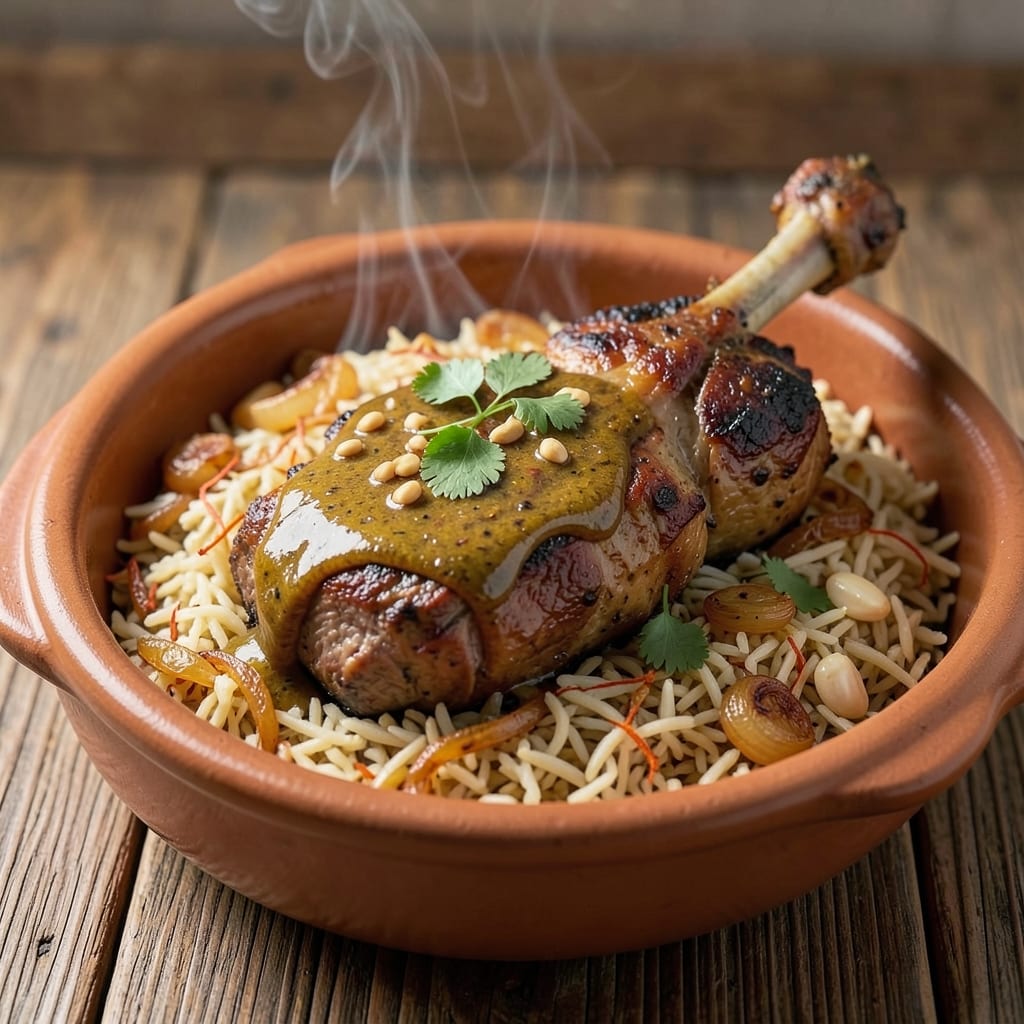
This Arabic-style rice with lamb meat recipe transports you to the heart of Middle Eastern cuisine with every aromatic bite. 🌟 The secret lies in slow-cooked lamb infused with warm spices like cumin and cinnamon, paired with fragrant saffron rice that develops a signature toasted crust—qaliyah—when cooked in a heavy pot. I’ve perfected this dish over years of testing, balancing rich lamb flavors with the delicate sweetness of saffron-infused rice.
The lamb marinate transforms tough cuts into tender, melt-in-your-mouth pieces, while the rice absorbs layers of spice and caramelizes beautifully at the edges. This method mirrors traditional tagine techniques, where spices bloom slowly over low heat, creating depth that store-bought blends can’t match. The result? A dish that’s both restaurant-quality and deeply comforting, perfect for special occasions or weekend family meals.
What makes this recipe stand out is the attention to texture and aroma—crispy rice edges, tender lamb, and a sauce thickened naturally by the cooking process. Serve it with warm flatbread, a side of tangy yogurt sauce, or pickled vegetables to complete the experience. The spices alone will fill your kitchen with warmth, but the first bite is where the magic truly happens.
Whether you’re cooking for a gathering or treating yourself to a flavorful meal, this dish delivers authenticity without complexity. The step-by-step instructions ensure you’ll achieve that perfect toasted crust and perfectly spiced lamb every time. Let’s get started—your taste buds are in for a journey.
Ingredients for arabic style rice with lamb meat
Nine aromatic spices and tender lamb transform simple rice into a fragrant Middle Eastern masterpiece.
| Ingredient | Amount | Notes |
|---|---|---|
| Bone-In Lamb Leg 🥩 | 1 ½ lb | Cut into 1.5-inch cubes |
| Long-Grain Basmati Rice 🍚 | 1 ½ cups | Rinsed thoroughly before use |
| Saffron Threads 🌼 | ¼ tsp | Crumbled into warm water |
| Extra-Virgin Olive Oil 🫒 | ½ cup | For frying and sautéing |
| Yellow Onion 🧅 | 1 whole | Finely diced, about 1.5 cups |
| Garlic Cloves 🧄 | 6 cloves | Minced finely for marinade |
| Fresh Ginger 🌿 | 1 tbsp | Grated finely, about 1 tbsp |
| Ground Cumin 🌶️ | 1 tsp | Toasted lightly for aroma |
| Ground Coriander 🌿 | 1 tsp | Freshly ground preferred |
| Ground Turmeric 🌶️ | ½ tsp | For vibrant color |
| Ground Cinnamon 🌿 | ½ tsp | Warm, aromatic spice |
| Salt 🧂 | 1 ½ tsp | Kosher or sea salt |
| Black Pepper 🌶️ | ½ tsp | Freshly cracked |
| Chicken Stock 💧 | 2 cups | Homemade or quality store-bought |
| Fresh Lemon Juice 🍋 | 1 tbsp | Brightens flavors |
The lamb is non-negotiable—look for bone-in cuts at Whole Foods or your local butcher for maximum flavor. Leg or shoulder work best, cut into even 1.5-inch cubes for consistent cooking. Saffron is the star here, so buy threads from a specialty store—those little jars of powdered saffron are often fake. Fresh ginger and garlic? Always better than powdered, and they’ll make your kitchen smell like a Moroccan spice market. For the rice, Basmati from India (like Khetri or India Gate) gives the best texture—long grains that stay separate.
No saffron? Turmeric plus a pinch of paprika mimics the color (though it won’t taste the same). Running out of chicken stock? Vegetable stock works too, just add a splash of soy sauce for depth. The spices should be freshly toasted in a dry pan for 30 seconds before grinding—this wakes up their flavors. For the lamb marinade, I like to let it sit overnight in the fridge (the acidity from lemon tenderizes it better). And if you’re worried about the lamb being too gamey, soak the cutlets in milk for 30 minutes before cooking—it removes impurities.
This dish tastes even better the next day, so make extra rice—it reheats perfectly. Store leftovers in an airtight container for 4-5 days in the fridge, or freeze portions for up to 3 months. The rice will dry out if reheated with moisture, so spritz with water or stock before microwaving. For serving, I like to keep the lamb warm in its juices while I toast the rice edges in the pot—that crispy qaliyah crust** is what makes this dish special. Pair with warm flatbread and a simple cucumber-yogurt sauce for the full experience.
Why You'll Love This Recipe
- One-Pot Magic: I swear by this—just sear the lamb, toss in chopped onions, and let the rice cook right in the same pot. No separate pans, no extra bowls, and honestly? That golden crust on the bottom? Worth every second.
- Saffron Luxury: Between us, saffron makes everything feel special. A pinch steeped in warm oil transforms this into something restaurant-worthy without the fuss. The rice? Silky, fragrant, and that faint floral kick? Unreal.
- Weeknight to Weekend: Make it for a lazy Tuesday or a dinner party—same effort, different vibes. The lamb stays tender, the rice fluffs up perfectly, and leftovers? Even better the next day. My daughter’s school friends keep asking for seconds.
- Budget-Friendly Feast: Bone-in lamb leg stretches further than you’d think, and basmati rice fills the plate without breaking the bank. Plus, the onions and olive oil? Pantry staples that turn into something that tastes like you spent hours. (Spoiler: You didn’t.)
Step-by-step instructions for saffron-infused lamb pilaf
Here's how to create that signature toasted crust and fragrant saffron rice that defines Arabic-style lamb dishes.
🔥 Step 1: Sear the Lamb for Deep Flavor
Heat 2 tablespoons of the extra-virgin olive oil in a heavy pot over medium-high heat until shimmering. Add the lamb cubes in a single layer and sear for 3-4 minutes per side until they develop a deep golden-brown crust. This caramelization builds the foundation for rich flavor.
Real talk: Don't crowd the pan or you'll steam the meat instead of searing. Once the lamb is browned, remove it to a plate and set aside. You'll finish cooking it later, but this initial sear locks in juices and creates that essential maillard reaction that makes the dish sing.
👨🍳 Step 2: Build the Spiced Aromatic Base
In the same pot (no need to clean it—those browned bits are flavor gold), add the remaining 0.375 cup of extra-virgin olive oil. Toss in the finely diced yellow onion and cook over medium heat for 5-6 minutes until soft and translucent.
Add the minced garlic cloves, grated fresh ginger, ground cumin, ground coriander, ground turmeric, and ground cinnamon. Stir constantly for 1 minute until the spices release their aroma and the mixture smells like a spice market in Cairo. Here's the thing—don't let the spices burn. They'll turn bitter in seconds, and you'll regret it.
🍳 Step 3: Toast the Rice for the Signature Crust
Push the spiced onion mixture to one side of the pot and add the rinsed long-grain basmati rice to the empty space. Toast the rice for 2-3 minutes over medium heat, stirring constantly, until it turns a beautiful golden color. This is where that coveted toasted crust forms at the bottom of the pot.
Once the rice is toasted, pour in the 2 cups of chicken stock and add the lamb back to the pot. Bring to a gentle simmer, then stir in the 0.25 tsp saffron threads that have been crumbled into 2 tablespoons of warm water. The rice should be just covered by liquid—if not, add a splash of water.
⏰ Step 4: Simmer to Perfect Texture
Cover the pot with a tight-fitting lid and reduce heat to low. Let the pilaf simmer for 15 minutes without disturbing it. This gentle cooking allows the rice to absorb the liquid evenly while the lamb tenderizes. Don't peek or stir—this is where patience pays off.
After 15 minutes, remove the lid and check the rice. If it's still slightly firm in the center (it should have a slight bite), cover and cook for another 5 minutes. The rice should be tender but still have a bit of texture—it'll finish cooking from residual heat as it rests. If you prefer it softer, add a splash of water and cook uncovered for another 2-3 minutes.
🍽️ Step 5: Finish with Lemon and Rest
Once the rice is perfectly tender, stir in the 1 tablespoon of fresh lemon juice and the remaining 1 tsp salt and 0.5 tsp black pepper. The lemon brightens all the rich flavors and cuts through the fat beautifully. Taste and adjust seasoning if needed—you want the lamb to shine but not overpower the delicate rice.
Transfer the pilaf to a serving dish and let it rest for 5 minutes before serving. This resting period allows the rice to firm up slightly and the flavors to meld completely. The result should be fragrant, perfectly textured rice with tender lamb cubes scattered throughout, all topped with that prized toasted crust at the bottom of the pot.
Pro Tips For Making Arabic Style Rice With Lamb Meat
- SEAR THE LAMB LONG: I used to rush this step, but the lamb needs 15-20 minutes of undisturbed browning—high heat, no crowding—to build flavor. After burning three batches, I finally figured out: patience here means the rice soaks up that deep, caramelized richness instead of tasting like raw meat.
- SOAK SAFFRON IN WARM WATER: Skip the dry threads straight into the pot—it’ll just float and waste. Crush the saffron, steep it in ¼ cup warm water for 10 minutes, then stir it into the rice. My grandmother swore by this, and she was right: the color and aroma hit harder when it’s fully dissolved.
- DON’T RINSE THE BASMATI: That’s the fast track to mushy rice. Just wipe the grains with a damp towel to remove dust—no cold-water bath needed. I was skeptical until I tried it: the rice stays firm, absorbs the lamb juices like a sponge, and holds its shape even after resting.
- COVER WITH FOIL FIRST: The rice will boil over if you jump straight to a lid. After adding the broth, tent the pot with foil for 10 minutes—steam escapes, but the rice stabilizes. Then switch to a tight lid. This isn’t the prettiest method, but it’s the tastiest: no burnt edges, no sticky mess.
Storing and reheating this dish
Refrigerator Storage
Store your Arabic-style rice with lamb in an airtight container for up to 4 days in the fridge. The flavors actually deepen overnight as the spices meld together. I like using glass Pyrex containers because they keep the dish fresh longer and make reheating easier. Let the pilaf cool completely before storing to prevent condensation from making the rice soggy. 💫
Freezer Preparation
For longer storage, freeze portions in single-serving airtight containers or heavy-duty freezer bags for up to 3 months. The rice will dry out slightly when frozen, so add 1-2 tablespoons of water or chicken stock when reheating. Label containers with the date—this dish tastes best within 2 months of freezing. I recommend freezing the lamb and rice separately for easier reheating control.
Stovetop Reheating
My preferred method for reheating is on the stovetop, which restores the best texture. Add 2-3 tablespoons of water or chicken stock to the pot and heat over medium-low heat for 8-10 minutes, stirring occasionally. Cover with a lid to trap steam and prevent drying. The rice should be hot and slightly crispy at the edges—just like when you first made it. 🔥
Microwave Revival
For quick reheating, transfer portions to a microwave-safe dish and cover loosely with a damp paper towel. Heat on 50% power in 1-minute intervals, stirring between each interval, until reaching 165°F internal temperature. Add 1 tablespoon of water if the rice appears dry. This method works best for single servings and takes about 3-4 minutes total.
Crust Restoration
The magic of this dish lies in that toasted crust at the bottom. To recreate it when reheating, transfer the pilaf to a skillet after warming and cook uncovered on medium heat for 2-3 minutes. This crispy layer adds the authentic Middle Eastern touch that makes the dish special. A quick broil for 1 minute also works if you're feeling fancy. ✨
Serving Suggestions
Serve reheated pilaf with warm flatbread or naan to soak up any remaining juices. A side of tangy yogurt sauce or pickled vegetables balances the rich flavors perfectly. The lamb and rice reheat beautifully together, but if you stored them separately, combine them just before serving to maintain the best texture and temperature. 🍽️
Nutrition facts
Frequently asked questions
Can I substitute chicken or beef for the lamb in this recipe?
While lamb is traditional, you can use chicken thighs (bone-in for best flavor) or beef chuck—both work well with the same spice blend. For chicken, reduce cooking time to 12-15 minutes after simmering, while beef may need 20-25 minutes for tenderness. The rice cooking method remains identical, but chicken will be ready faster.
What's the secret to getting that perfect toasted crust on the rice?
The crust—called qaliyah—comes from toasting the rice in olive oil before adding liquid. Use a heavy pot (like cast iron) and stir constantly for 2-3 minutes until golden. Keep heat at medium-high and don't overcrowd the pot. The key is patience—rushing burns instead of toasting.
Can I make this dish in a slow cooker or Instant Pot?
Yes! For a slow cooker, brown the lamb and spices first, then transfer everything to the pot and cook on low for 4-5 hours with 1 cup of broth added halfway. For an Instant Pot, use the "Sauté" function for the searing, then pressure cook for 12 minutes on high. Both methods work, but the stovetop gives the best crust texture.
How do I know when the lamb is fully cooked?
Lamb is done when it reaches an internal temperature of 145°F (medium-rare) or 160°F (medium). Use an instant-read thermometer in the thickest piece—it should pull away from the bone easily. For extra safety, let it rest 5 minutes before serving. The spices enhance flavor at any doneness, but medium-rare is traditional.
What should I do if my rice turns out mushy?
Mushy rice usually means too much liquid or not enough toasting. Next time, toast the rice longer (3-4 minutes) and use 1:1.5 rice-to-liquid ratio (1.5 cups rice to 2.25 cups stock). If it's already mushy, spread it on a baking sheet and bake at 300°F for 15 minutes to dry it out. For serving, mix with extra toasted rice or serve with flatbread.