
Main Courses
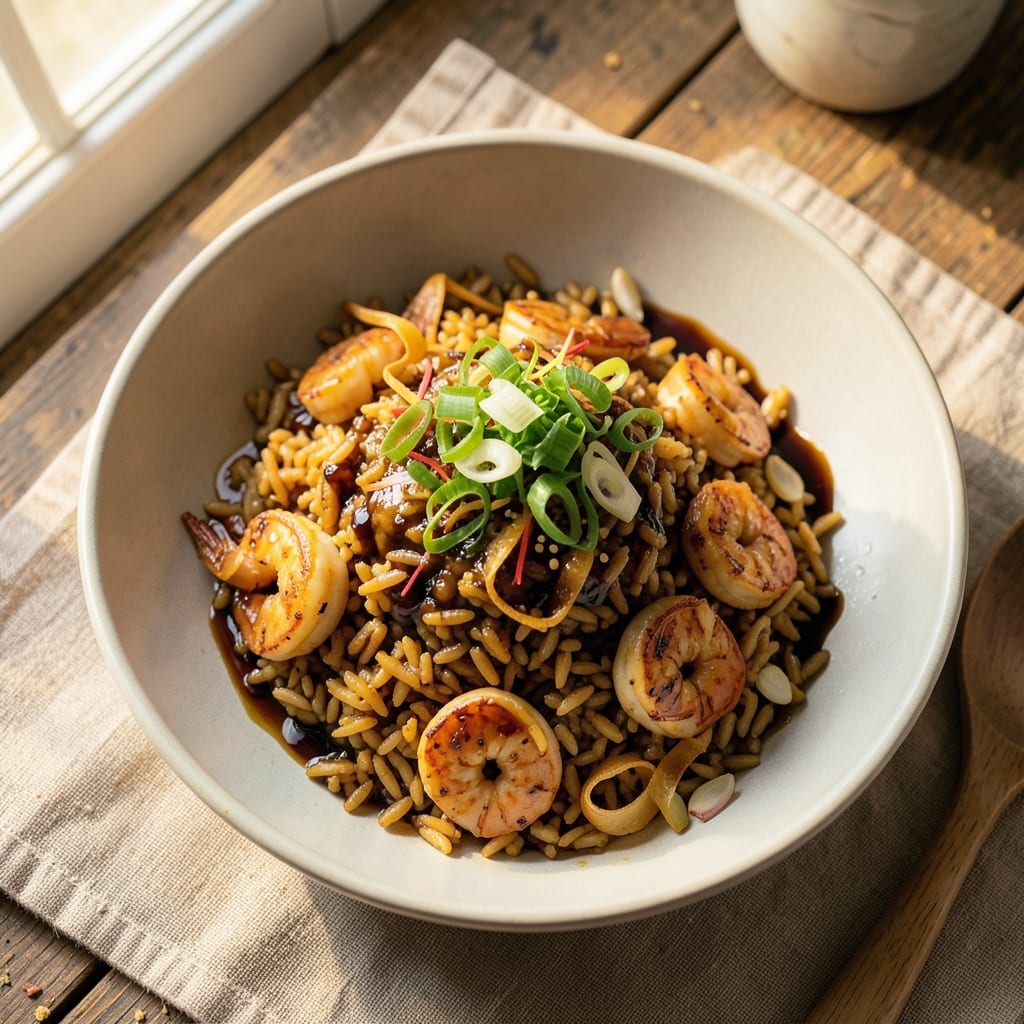
This Arborio fried rice recipe transforms starchy rice into a crispy, wok-seared masterpiece with golden edges and tender grains. The secret lies in high-heat cooking and proper rice prep—no soggy bites here. I developed this after years of experimenting with different rice types, and Arborio's high starch content delivers that signature crunch while absorbing flavors beautifully.
The technique starts with perfectly cooked and cooled Arborio rice, which we then break up into individual grains before hitting the wok. High heat is critical—it creates those crispy edges while keeping the centers tender. We'll use a combination of soy sauce, sesame oil, and aromatics to build layers of umami and nutty depth that transform ordinary rice into a restaurant-worthy dish.
What you'll end up with is fried rice that's crispy on the outside, tender within, and packed with wok-heated flavors. The texture contrast between the crispy grains and soft centers creates every bite, while the aromatic sauce ties everything together. This isn't just fried rice—it's a textural and flavor experience that elevates simple ingredients into something extraordinary.
The best part? This recipe adapts easily to your favorite proteins and vegetables. Whether you're using leftover rice or making fresh, the technique remains the same—high heat, proper prep, and attention to texture. Let's get cooking and master this crispy-grain technique that will change how you think about fried rice forever.
Ingredients for arborio fried rice
Arborio rice, eggs, and wok-heated aromatics create crispy-grain perfection with golden edges.
| Ingredient | Amount | Notes |
|---|---|---|
| Arborio Rice 🍚 | 2 cups | Uncooked, day-old preferred |
| Large Eggs 🥚 | 2 whole | Beaten for binding |
| Sesame Oil 🫒 | 2 tbsp | Toasted for aroma |
| Light Soy Sauce 🥢 | ½ cup | Kikkoman preferred |
| Dark Soy Sauce 🥢 | 1 tbsp | For color depth |
| Garlic Cloves 🧄 | 6 cloves | Minced finely |
| Fresh Ginger 🌿 | 1 ½ tbsp | Grated, not minced |
| Scallions 🧅 | ½ cup | White and green parts |
| Peanuts 🥜 | ¼ cup | Toasted, chopped |
| Vegetable Oil 🫒 | ½ cup | High smoke point |
| Salt 🧂 | 1 tsp | Diamond Crystal preferred |
| Black Pepper 🌶️ | ½ tsp | Freshly ground |
| Optional Protein 🍗 | 1 cup | Chicken, shrimp, or tofu |
Arborio rice is non-negotiable here—its high starch content creates that signature crunch. Day-old rice works best (it's drier), but if you're making fresh, cook it slightly underdone and spread it on a tray to cool. Trader Joe's sells Arborio rice in bulk, and I always grab the Italian brand if I see it—it's worth the extra penny. The eggs are your binder, so use room-temperature eggs that beat up fluffier. If you're using leftover rice, break it up into individual grains with your hands before cooking—this ensures those crispy edges. For the protein, chicken thighs hold up best to high heat, but shrimp or tofu work too if you're vegetarian.
No sesame oil? Toasted peanut oil gives similar nutty depth, though the aroma won't be identical. Light soy sauce out of stock? Coconut aminos at half the amount works in a pinch, but you'll lose some umami complexity. Fresh ginger wilting? Powdered ginger at one-third the amount is fine, but fresh is always better. The peanuts can be skipped if you're avoiding nuts, but I recommend toasting them separately—Costco sells them in bulk for cheap. For the soy sauces, Kikkoman light and Lee Kum Kee dark are my go-tos, but any good-quality brands work. If you're using tofu, press it first and cut into small cubes so it cooks evenly with the rice.
This dish reheats beautifully—microwave with a splash of water to revive crispiness. Store leftovers in an airtight container for 4-5 days, or freeze portions for up to 3 months. I like to portion it into single servings before freezing so I can grab and reheat whenever. The rice loses crispiness when reheated, so I often make fresh batches for leftovers. For extra crunch, add a sprinkle of toasted sesame seeds before serving—it's a game-changer.
Why You'll Love This Recipe
- One-Pan Magic: I swear by this—no chopping boards, no extra pots, just one skillet and a spatula. Toss in leftover Arborio rice, crack in a few eggs, and let the soy sauces work their savory magic while you stir. Honestly, it’s the kind of meal that makes me feel like a chef even when I’m barely trying.
- Umami Bomb: That dark soy sauce? It’s the secret weapon here—deep, caramelized, and chef’s kiss when it clings to the rice. Pair it with the nutty sesame oil finish and you’ve got layers of flavor that turn a simple fried rice into something dangerously addictive. (Yes, even on a Tuesday night.)
- Leftover Hero: Arborio rice is my pantry’s best-kept secret—it’s the only rice that gets better the next day, especially after a stir-fry. Double the batch, reheat with a splash of water, and it’s still got that perfect chewy bite. Between us, this is the meal I make when I’m too tired to cook but still want something satisfying.
- Budget Flex: Eggs, rice, and a couple of soy sauces—this recipe costs me about $3 for four servings. No fancy ingredients, no waste, and it’s the kind of dish my college self would’ve lived on. Plus, the sesame oil adds that little luxury touch without breaking the bank. Solid. Reliable. My secret weapon.
Step-by-step instructions for crispy Arborio fried rice
Here's how to transform day-old Arborio rice into crispy, wok-heated perfection with umami depth.
Prep the Protein and Aromatics
Start by cutting the 1 cup optional protein into ½-inch pieces—whether chicken, shrimp, or tofu. Pat them dry with paper towels to ensure a good sear. In a small bowl, combine the 6 cloves minced garlic, 1.5 tbsp grated fresh ginger, and ½ cup chopped scallions, setting aside. The garlic and ginger should be finely minced so they release their flavors evenly throughout the dish.
Toast the ¼ cup chopped peanuts in a dry skillet over medium heat for 2-3 minutes until fragrant and lightly golden. Remove them and set aside—they'll add crunch and nutty depth to your fried rice. This step is crucial because toasted peanuts bring a completely different texture and flavor profile than raw ones.
Cook the Protein and Aromatics
Heat ½ cup vegetable oil in a wok or large skillet over high heat until shimmering. Add the prepared protein and cook for 3-4 minutes until golden brown and cooked through. Remove the protein and set aside, but leave the oil in the pan—it's packed with flavor.
Lower the heat to medium-high and add the garlic-ginger-scallion mixture. Stir-fry for 30-45 seconds until fragrant but not browned. This quick cooking preserves their freshness while building the aromatic base. If you let them cook too long, they'll turn bitter. Here's where the magic happens: the garlic should smell pungent and the ginger should release its zesty aroma.
Stir-Fry the Arborio Rice
Add the 2 cups day-old Arborio rice to the wok and spread it evenly. Stir-fry for 1-2 minutes until the grains become translucent at the edges. The rice should release its starch and begin to develop that characteristic crispy texture. This is where the Arborio's high starch content shines—it creates a delightful crunch that regular long-grain rice can't match.
Pour in the ½ cup light soy sauce and 1 tbsp dark soy sauce, stirring constantly. The dark soy sauce will give your fried rice that beautiful deep brown color while adding umami depth. Cook for another 1-2 minutes until the rice is evenly coated and begins to develop a slightly crispy exterior. You'll hear a satisfying sizzle as the sauce caramelizes slightly on the grains.
Bind and Finish
Push the rice to one side of the wok and pour in the 2 tbsp toasted sesame oil. Let it heat for 10 seconds until fragrant, then add the 2 beaten eggs to the empty side. Scramble the eggs quickly with a spatula, then mix everything together. The eggs will bind the rice and add richness to each bite.
Season with 1 tsp salt and ½ tsp black pepper, then stir-fry for another 1-2 minutes until everything is heated through and the rice has that perfect crispy texture. The dish should smell like a symphony of wok-hei—smoky, nutty, and umami-rich. Taste and adjust seasoning if needed, adding a splash more soy sauce if the rice needs more depth.
Garnish and Serve
Transfer the fried rice to serving plates and garnish with the toasted peanuts. The peanuts should be sprinkled evenly across the top, adding both visual appeal and that satisfying crunch with every bite. Serve immediately while the rice is still crispy and the aromas are at their peak.
This Arborio fried rice delivers on all the promises: the rice has that coveted crispy grain crunch, the wok-heated aromatics sing with umami, and the texture contrast from the peanuts makes each bite exciting. The key to success is using day-old rice—it's crucial for achieving that perfect texture. Enjoy while warm for the ultimate experience!
Pro Tips For Making Arborio Fried Rice
- Use Day-Old Arborio: Arborio rice is sticky when fresh—it’ll clump like glue in your pan. Cook a fresh batch, let it sit uncovered in the fridge overnight, then break it apart with your hands before frying. The grains will be dry enough to toast properly and won’t turn into a single sad lump.
- Scramble Eggs First: I learned this the hard way—adding eggs last means they steam instead of sizzle. Push the rice to one side of the pan, scramble the beaten eggs in the empty space over medium-high heat until just set (about 20 seconds), then mix everything together. The eggs get crispy edges, not rubbery centers.
- Toast the Rice Hard: Skip the gentle stir-fry approach—this isn’t regular fried rice. Crank the heat to medium-high, spread the rice in a thin, even layer, and let it sit undisturbed for 30 seconds until it develops a golden crust. Stir then—that’s when the nutty, toasty flavor kicks in. (Yes, even if you’re impatient like me.)
- Dark Soy for Color, Light for Flavor: Drizzle the dark soy sauce last and toss vigorously—it’s your visual cue that the dish is ready. Use light soy for seasoning earlier (about 1 teaspoon per cup of rice), but save the dark (½ teaspoon per cup) until the very end. Too much too soon? Your rice turns black before it’s done.
Flavor customization for this dish
Spicy Kick
For heat lovers, add 1 tbsp gochujang (Korean chili paste) or ½ tsp chili crisp to the soy sauce mixture. I like to toast ½ tsp red pepper flakes in the wok with the garlic and ginger for extra smoky heat. If you want a sweeter-spicy balance, stir in 1 tsp honey or agave at the end. 🌶️
Umami Boost
Elevate the depth with 1 tbsp fish sauce or ½ tsp MSG—both add incredible savory complexity. I also love adding 1 tbsp oyster sauce for a rich, briny note. For a vegetarian version, swap in 1 tbsp mushroom powder or 1 tsp nutritional yeast for umami without meat.
Herbaceous Twist
Fresh herbs brighten up the dish—try 2 tbsp chopped cilantro or 1 tbsp Thai basil for a fragrant finish. I also like adding 1 tsp lime zest or 1 tbsp chopped mint for a citrusy contrast. For a more Mediterranean vibe, swap scallions for 2 tbsp chopped dill and add a pinch of oregano.
Sweet and Tangy
Balance the savory flavors with 1 tbsp rice vinegar or ½ tsp apple cider vinegar for brightness. I sometimes add 1 tbsp hoisin sauce for a touch of sweetness and depth. For a fruity twist, stir in 2 tbsp finely diced mango or ½ tsp lime juice at the end.
Nutty Crunch
Beyond peanuts, try ¼ cup crushed cashews or 2 tbsp chopped almonds for extra texture. I also love adding 1 tbsp toasted sesame seeds or 1 tbsp chopped walnuts for a richer, nuttier profile. For a crunchier finish, sprinkle 1 tbsp fried shallots on top before serving.
Smoky Depth
Infuse the dish with smokiness by adding ½ tsp smoked paprika or 1 tsp liquid smoke to the soy sauce. I also like cooking the garlic and ginger in 1 tbsp bacon fat instead of oil for a meaty, smoky flavor. For a bolder taste, char ½ tsp dried shiitake mushrooms in the wok before adding the rice.
Nutrition facts
Frequently asked questions
Why is Arborio rice better for fried rice than other types?
Arborio rice's high starch content creates that signature crispy texture when stir-fried. The grains hold up better to high heat, developing golden edges while staying tender inside. Regular long-grain rice turns mushy, while Arborio maintains its shape and crunch. The starch also helps absorb flavors more evenly.
Can I use fresh Arborio rice instead of day-old?
Yes, but with adjustments! Cook fresh Arborio rice slightly underdone (1-2 minutes less than package instructions), then spread it on a tray to cool completely. This mimics day-old rice's drier texture. If using immediately, stir-fry at high heat for 3-4 minutes to drive off excess moisture before adding other ingredients.
What's the secret to getting crispy edges on the rice?
Three keys: high heat, proper rice prep, and even spreading. Use a wok or skillet on high heat until shimmering, then spread rice in a single layer. Stir-fry constantly for 2-3 minutes until edges turn golden. The eggs added later also help create crispy pockets.
How do I prevent my fried rice from being soggy?
Sogginess comes from moisture. Always use day-old rice (or properly dried fresh rice), and avoid overcrowding the pan. Cook in batches if needed. Also, pat all proteins dry before cooking, and use high heat to evaporate excess moisture quickly. The eggs help bind everything together without adding liquid.
Can I make this vegetarian or vegan?
Skip the meat and use tofu, mushrooms, or extra vegetables instead. For umami depth, add 1 tbsp soy sauce + ½ tsp nutritional yeast or 1 tsp mushroom powder. Vegan sesame oil works too—just ensure it's refined for neutral flavor. The recipe's crispy texture remains the same regardless of protein choice.