
Side Dishes
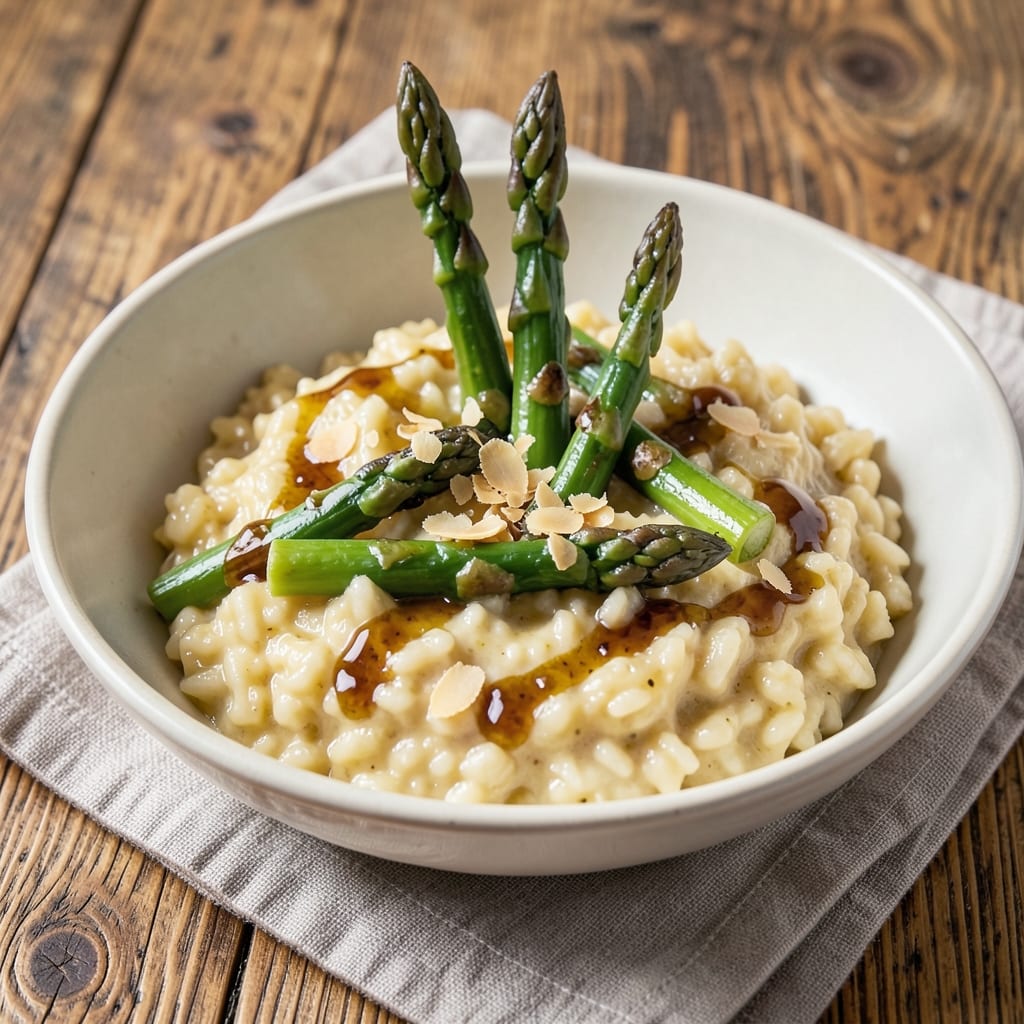
This arborio rice and asparagus recipe delivers restaurant-quality risotto texture without the constant stirring—just 30 minutes of hands-off cooking. The secret lies in toasting the rice properly and using warm broth to create that signature creamy consistency while asparagus adds vibrant color and freshness. I developed this method after years of testing, and it never fails to impress.
The process starts with sautéing garlic and asparagus until tender, then adding arborio rice and toasting it until translucent. Deglazing with white wine removes any bitterness, and the real magic happens when you gradually add warm broth—no constant stirring required. The result is perfectly creamy rice with tender asparagus spears woven throughout.
What makes this recipe special is the balance of flavors and textures: creamy rice, crisp-tender asparagus, and a subtle nutty finish from the arborio rice. The dish is elegant enough for dinner parties but simple enough for weeknight meals. The asparagus adds a bright, fresh element that cuts through the richness of the risotto.
Serve immediately with grilled chicken or fish for a complete meal, or enjoy as a hearty side dish. The technique works equally well with other vegetables if you prefer variety. Let's get started on this foolproof recipe!
Ingredients for arborio rice and asparagus
Twelve ingredients transform into creamy risotto with vibrant asparagus and nutty arborio rice perfection.
| Ingredient | Amount | Notes |
|---|---|---|
| Arborio Rice 🍚 | 1 ½ cups | Unrinsed for optimal starch release |
| Fresh Asparagus 🌱 | 1 lb | Trimmed, tough ends removed |
| Garlic Cloves 🧄 | 4 cloves | Minced for aromatic base |
| Extra-Virgin Olive Oil 🫒 | ½ cup | High-quality, fruity variety |
| Dry White Wine 🍷 | ½ cup | Bold, dry variety like Sauvignon Blanc |
| Vegetable Broth 💧 | 4 cups | Homemade or low-sodium store-bought |
| Parmesan Cheese 🧀 | ½ cup | Freshly grated, finely shaved |
| Unsalted Butter 🧈 | 4 tbsp | Cold, cubed for finishing |
| Diamond Crystal Kosher Salt 🧂 | 1 ½ tsp | Adjust to taste throughout |
| Freshly Ground Black Pepper 🌶️ | ½ tsp | For finishing touch |
| Lemon Zest 🍋 | 1 tsp | Brightens final flavor profile |
| Fresh Chives 🌿 | 2 tbsp | Chopped, for garnish |
The arborio rice is non-negotiable—its high starch content creates that signature creamy texture. Look for Arborio or Carnaroli varieties at specialty stores like Whole Foods or Trader Joe's for optimal quality. Fresh asparagus should have tight tips and vibrant green spears—avoid woody stems. The garlic should be freshly minced just before cooking to preserve its aromatic oils. For the wine, any bold, dry white like Sauvignon Blanc or Pinot Grigio works perfectly, though avoid oaked varieties that might overpower the dish. The vegetable broth should be homemade if possible, as store-bought versions often contain excess salt.
No Arborio rice? Carnaroli is a direct substitute, though slightly pricier. Substitute asparagus with fresh peas or green beans for a different texture. Running out of white wine? Dry vermouth or additional vegetable broth works in a pinch. For the Parmesan, Parmigiano-Reggiano is essential—pre-grated versions contain anti-caking agents that affect texture. The butter should be cold and cubed when adding at the end for that signature risotto finish. If you prefer a dairy-free option, vegan butter works equally well.
Store uncooked Arborio rice in a cool, dark place for up to 1 year, while asparagus should be refrigerated in a perforated bag with a damp paper towel for 5-7 days. The cooked risotto reheats beautifully—simply add a splash of warm broth and stir gently. For meal prep, portion into individual containers and refrigerate for up to 3 days. Freeze for up to 3 months by spreading portions on a tray before transferring to bags. The asparagus can be blanched ahead of time and stored separately for easy assembly.
Why You'll Love This Recipe
- One-Pot Magic: I swear by this recipe when I’m too tired to wash another pan. Just toss the rice, asparagus, and garlic in a deep skillet with olive oil—no measuring cups, no extra bowls—just stir and let the wine do its thing. The asparagus softens right in the pot, soaking up all that garlicky, nutty rice flavor.
- Nutty Wine Kiss: Honestly, the white wine isn’t just for show—it deepens the rice into something richer than plain Arborio ever could be. The asparagus adds a bright, grassy punch that cuts through the creaminess, and that crispy bottom layer? Chef’s kiss. It’s the kind of dish where every bite feels like a little reward.
- Weeknight to Dinner Party: Between us, this is my go-to when I need something that sounds fancy but takes zero effort. Serve it with grilled chicken for a Tuesday night, or add a sprinkle of Parmesan and lemon zest for a weekend brunch crowd. My roommates didn’t even notice I made it from scratch—until they asked for seconds.
- Leftovers That Don’t Suck: Most rice dishes turn into sad, dry glue the next day, but not this one. The asparagus holds up surprisingly well, and the rice stays tender enough to reheat with a splash of water. I’ve packed it for lunches, thrown it into salads, or just microwaved it straight from the fridge—still delicious. Budget-friendly? Absolutely. Waste-free? Even better.
Step-by-step instructions for creamy Arborio rice and asparagus
Master this technique to achieve velvety risotto without constant stirring—just precise timing.
Sauté Asparagus and Garlic for Aromatic Foundation
Heat 0.5 cup extra-virgin olive oil in a large, heavy-bottomed pot over medium heat. Add the 1 lb trimmed fresh asparagus, cut into 1-inch pieces, and sauté for 4-5 minutes until tender-crisp with vibrant green color. Remove asparagus and set aside.
In the same pot, add the 4 minced garlic cloves and cook for 30 seconds until fragrant—don't let it brown. This aromatic base will infuse the entire dish. The garlic should smell pungent but not burn, which would create bitter flavors. Keep the pot on medium heat for the next steps.
Toast Arborio Rice for Nutty Depth
Add the 1.5 cups unrinsed Arborio rice to the garlic-infused oil and stir for 1 minute until each grain is lightly coated and slightly translucent at the edges. This "toasting" step develops nutty flavors and prevents gummy texture. The rice should release its starch gradually rather than all at once.
Pour in the 0.5 cup dry white wine and stir vigorously for 30 seconds until fully absorbed. The wine will deglaze the pot and add acidity to balance the richness. You'll notice the rice begins to separate slightly—this is normal and indicates proper starch activation.
Cook Rice with Broth in Stages
Begin adding the 4 cups vegetable broth 1 ladle at a time, stirring only enough to mix after each addition. After each addition, wait 3-4 minutes until the liquid is nearly absorbed before adding the next. This gradual process creates the signature creamy texture without constant attention.
After about 12-15 minutes, the rice should be tender but still slightly al dente with a firm bite. The grains should be distinct but plump, and the mixture should have a thick, creamy consistency. If it looks dry before the rice is fully cooked, add 2-3 tablespoons of hot broth to finish.
Finish with Butter, Cheese, and Seasonings
Remove the pot from heat and stir in the 4 tbsp cold unsalted butter, 0.5 cup freshly grated Parmesan cheese, 1.5 tsp kosher salt, 0.5 tsp black pepper, and 1 tsp lemon zest. The butter will create a luxurious mouthfeel while the Parmesan adds umami depth. Let the mixture sit for 1 minute to allow the butter to melt completely.
Gently fold in the reserved asparagus and 2 tbsp chopped fresh chives. The asparagus should be heated through but still retain its bright green color and crisp texture. Taste and adjust seasoning—you may need a pinch more salt or pepper to balance the dish. The lemon zest adds a bright finish that cuts through the richness.
Pro Tips For Making Arborio Rice And Asparagus
- Toast the Rice First: Heat your olive oil until it shimmers—then add the Arborio rice and stir for 30 seconds before adding liquid. This step builds flavor and prevents gummy rice. (Yes, even if you’re impatient like me, don’t skip it.) ---
- Trim Asparagus Like a Pro: Snap the woody ends by bending stems—where they break is where you cut. Save the tough bottoms for stock, not the pan. Fresh asparagus should have crisp tips; if they’re limp, trim them shorter. ---
- Deglaze with Wine Slowly: Pour the white wine into the hot pan after the garlic sizzles, then let it bubble for 30 seconds before adding broth. Rushing this step means you’ll end up with a thin, flavorless sauce instead of a rich risotto base. ---
- Stir Like You Mean It: Use a wooden spoon and scrape the bottom constantly—especially in the first 10 minutes. The starch released from the rice needs to dissolve evenly, or you’ll get dry patches. (And no, a fork won’t cut it.)
Best sauces and condiments for arborio rice and asparagus
Creamy Lemon-Garlic Sauce
This bright, tangy sauce elevates your Arborio rice and asparagus by adding a refreshing zing. Squeeze 2 tbsp fresh lemon juice and 1 tsp lemon zest into the finished risotto, then stir in 2 tbsp extra-virgin olive oil and 1 minced garlic clove. The acidity cuts through the richness while enhancing the asparagus's natural sweetness. I like to finish with a sprinkle of fresh chives for a pop of color and freshness. 🍋
White Wine Reduction
For a richer sauce, reduce ½ cup dry white wine (like Sauvignon Blanc) down to 2 tbsp in a small saucepan over medium-high heat until syrupy. Stir this reduction into your finished risotto just before serving—it adds depth without overpowering the dish. The concentrated wine flavor enhances the umami notes from the Parmesan and butter. Keep a small amount reserved for drizzling at the table. 🍷
Parmesan-Cream Sauce
Blend ½ cup freshly grated Parmesan, 2 tbsp heavy cream, 1 tbsp unsalted butter, and 1 tbsp olive oil until smooth. Fold this into your risotto at the end for an ultra-creamy texture. The sauce coats each grain beautifully and adds a luxurious finish. For a lighter version, replace the cream with 2 tbsp warm vegetable broth. This works especially well if you prefer less dairy in your dish. 🧀
Garlic-Infused Olive Oil
Create a simple yet flavorful drizzle by infusing ½ cup extra-virgin olive oil with 3 minced garlic cloves and 1 tsp red pepper flakes over low heat for 5 minutes. Strain and drizzle over the finished risotto just before serving. The oil enhances the garlic's aroma while adding a subtle heat that pairs perfectly with the asparagus. Store any leftover infused oil in the fridge for up to 1 week. 🌶️
Brown Butter Sauce
For a nutty, caramelized touch, melt 4 tbsp unsalted butter in a small pan over medium heat until golden brown and fragrant (about 3-4 minutes). Immediately pour it over your finished risotto and stir gently. The brown butter adds a sophisticated depth that complements the Arborio rice's natural nuttiness. Be careful not to burn it—watch closely for the first signs of color change. ⚡
Herb-Butter Compote
Mix 4 tbsp softened butter, 1 tbsp chopped fresh chives, 1 tbsp chopped parsley, ½ tsp lemon zest, and a pinch of salt. Spread dollops over the finished risotto or serve on the side for dipping. This herb butter adds a fresh, vibrant contrast to the creamy rice and asparagus. You can also make this ahead and store it in the fridge for up to 3 days. 🌿
Nutrition facts
Frequently asked questions
Can I substitute Arborio rice with another type?
While Arborio is ideal for its creamy texture, Carnaroli rice works equally well. For a lighter option, try Vialone Nano, though the texture will be slightly less rich. Avoid long-grain rice like basmati—it won't absorb liquid properly and will remain separate. If you're in a pinch, short-grain Japanese rice can work, but expect a slightly stickier result.
Why does my Arborio rice turn mushy?
Over-stirring releases starch too quickly, creating mush. The key is adding broth 1 ladle at a time and letting it absorb before stirring again. Also, ensure your broth is warm (not boiling)—cold liquid shocks the rice and prevents proper starch activation. Finally, don't skip the toasting step; toasted rice handles liquid better.
Can I make this ahead of time?
This dish is best served immediately, but you can prep components ahead. Cook the rice al dente (about 12 minutes total), then refrigerate uncovered for 30 minutes to dry the surface slightly. Reheat with 2 tbsp broth per cup of rice, stirring gently. For asparagus, blanch it ahead and store separately. Assemble just before serving to maintain texture.
What's the best way to cook the asparagus?
For perfect asparagus, trim the tough ends and cut spears into 1-inch pieces. Sauté in olive oil over medium heat for 4-5 minutes until bright green and tender-crisp. Avoid overcooking—it should hold its shape but be easily pierced with a fork. For extra flavor, add a pinch of salt and a squeeze of lemon during the last minute of cooking.
How can I make this dish vegetarian?
Simply omit any meat components and enhance the dish with nutritional yeast (for cheesy flavor) or extra Parmesan. For umami depth, add 1 tsp soy sauce or mushroom powder when toasting the rice. Roasted mushrooms or caramelized onions make excellent meat substitutes. The asparagus already provides a satisfying texture contrast without needing additional protein.