
Main Courses
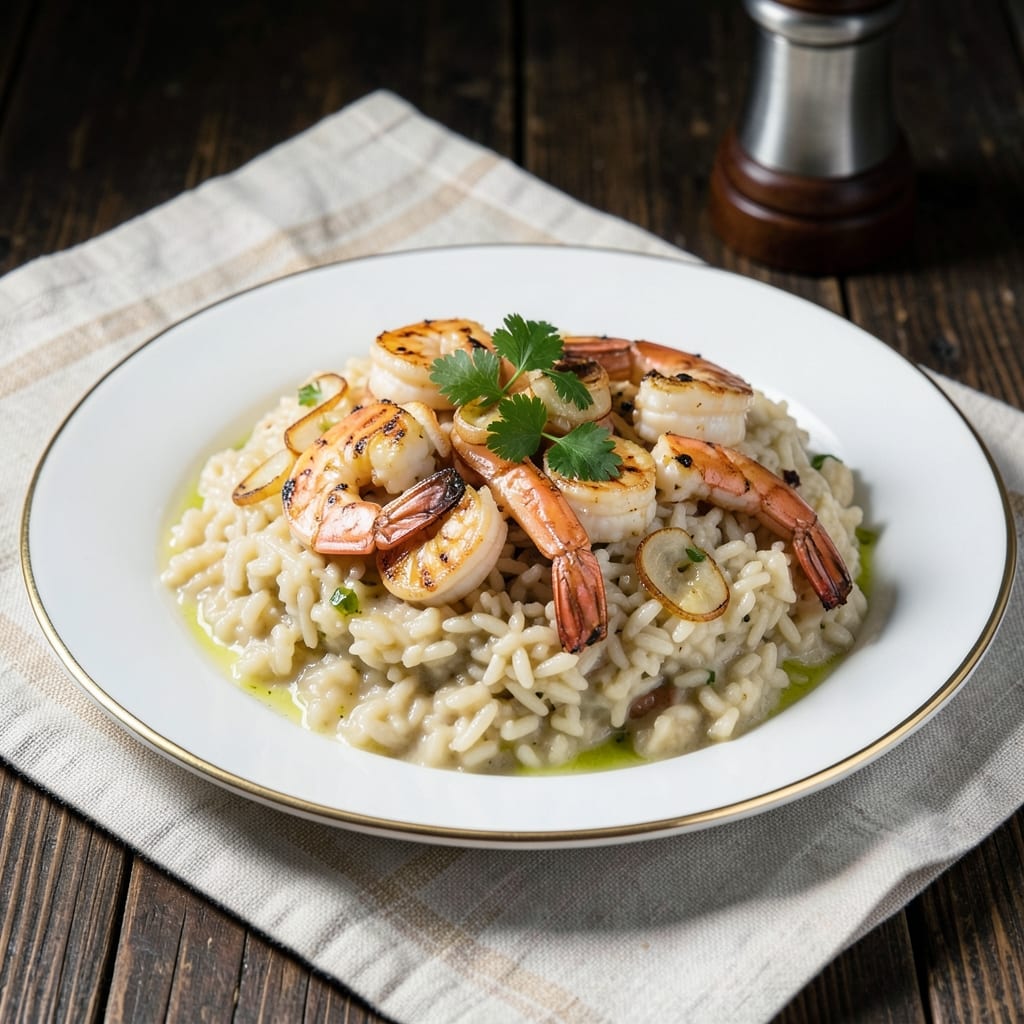
This arborio rice and shrimp recipe delivers a luxurious lemon-garlic risotto with perfectly cooked shrimp—creamy, aromatic, and restaurant-quality at home. The secret lies in toasting the rice just right and gradually building the sauce with white wine and parmesan, while the shrimp cooks in butter until tender yet firm. Every bite combines the rich, velvety texture of risotto with the delicate sweetness of shrimp, making it a standout main course for any occasion.
What sets this recipe apart is the balance of flavors: bright lemon zest, aromatic garlic, and rich parmesan create a harmonious base, while the shrimp adds a touch of elegance without overpowering the dish. The process is straightforward but requires attention to detail—especially the gradual addition of broth to achieve that signature creamy consistency. With just 30 minutes of active time, you’ll transform simple ingredients into a dish that feels like a gourmet experience.
The result is a plate of golden risotto with tender shrimp nestled throughout, finished with a sprinkle of fresh parsley and a drizzle of olive oil for extra richness. The aroma alone will have everyone at the table anticipating the first bite. This recipe isn’t just about technique—it’s about creating a dish that feels special, even on a weeknight.
Serve it immediately for the best texture, or pair it with a simple green salad and a glass of crisp white wine. The versatility of this dish makes it perfect for everything from intimate dinners to gatherings with friends. Let’s get started on this creamy, flavorful masterpiece.
Ingredients for arborio rice and shrimp
Creamy risotto meets delicate shrimp in this elegant lemon-garlic masterpiece.
| Ingredient | Amount | Notes |
|---|---|---|
| Arborio Rice 🍚 | 1 ½ cups | Unrinsed for creamy texture |
| Large Shrimp 🦐 | 1 ½ lb | Peeled, deveined, tail-on |
| Unsalted Butter 🧈 | ½ cup | Cold, cut into small cubes |
| Extra-Virgin Olive Oil 🫒 | 2 tbsp | Light, fruity variety |
| Shallots 🧅 | 2 whole | Finely minced, about 2 tbsp |
| Garlic Cloves 🧄 | 4 cloves | Minced, about 1 tbsp |
| Dry White Wine 🍷 | ½ cup | Sauvignon Blanc preferred |
| Chicken Stock 💧 | 4 cups | Low-sodium, warmed |
| Lemon Zest 🍋 | 1 tbsp | From 1 large organic lemon |
| Lemon Juice 🍋 | 1 tbsp | Freshly squeezed |
| Parmesan Cheese 🧀 | ½ cup | Freshly grated, fine |
| Fresh Parsley 🌿 | ¼ cup | Chopped, for garnish |
| Salt 🧂 | 1 tsp | Diamond Crystal preferred |
| Ground Black Pepper 🌶️ | ½ tsp | Freshly ground |
The Arborio rice is the heart of this dish—look for short-grain varieties with a slightly pearly sheen. Whole Foods or Trader Joe's carry excellent options, but any reputable grocery store will have it. For the shrimp, freshness is non-negotiable—buy live if possible, or frozen high-quality (like Wild Alaskan or Bayou Classic brands) thawed overnight in the fridge. The butter should be cold when you start, so it browns beautifully during toasting. Shallots add subtle sweetness without overpowering the garlic, so don't skip them—organic shallots from the produce section have the best flavor.
No white wine? Substitute extra chicken stock with 1 tsp apple cider vinegar for acidity. Fresh lemon is ideal, but bottled lemon juice works in a pinch—just add an extra pinch of salt. The Parmesan must be freshly grated; pre-shredded contains anti-caking agents that make the risotto grainy. For a richer finish, swap half the Parmesan for Pecorino Romano. If you're using frozen shrimp, thaw them overnight in the fridge—never in warm water, or they'll turn rubbery. The parsley can be subbed with chives or basil if needed, but parsley's bright note balances the richness perfectly.
Risotto is best served immediately, but you can hold it for up to 30 minutes at room temperature if needed. The shrimp should be cooked just until opaque—overcooking turns them rubbery. Store leftovers in an airtight container for 2 days in the fridge, but reheat gently with a splash of broth to restore creaminess. This dish pairs beautifully with a crisp Sauvignon Blanc or a light Pinot Grigio. For extra elegance, garnish with edible flowers or a drizzle of truffle oil if you're feeling fancy.
Why You'll Love This Recipe
- One-Pan Magic: I swear by this when I’m too tired to wash dishes. The shrimp sizzles in the same pan where the rice toasts—no extra pots, no extra stress. Just butter, olive oil, and a little patience while the shallots caramelize.
- Buttery, Briny Bliss: That first bite? Chef’s kiss. The shrimp stays juicy, the rice gets that signature creamy bite from the butter and olive oil, and the shallots add this sweet, nutty depth. It’s like a hug for your taste buds—rich but not heavy.
- Lunch or Dinner: Honestly, I make this for both. Pack it cold for a picnic (the rice holds up surprisingly well) or serve it warm with a squeeze of lemon for a weeknight feast. My college-age kid even asks for it when he’s home—rare for him.
- Budget-Friendly Luxury: Shrimp sounds fancy, but this recipe stretches it. A pound feeds four, and the Arborio rice makes it feel special without breaking the bank. Leftovers? Reheat with a splash of water and butter—just as good the second time.
Step-by-step instructions for lemon-garlic risotto with buttery shrimp
This method delivers perfectly creamy risotto with tender shrimp—every bite balanced between rich rice and bright citrus.
Sauté Shrimp Until Just Cooked
Set aside ½ cup of the chicken stock for later. In a large skillet, melt ½ cup of the unsalted butter and 2 tablespoons of the extra-virgin olive oil over medium-high heat. Add the 1.5 lb large shrimp and cook for 1-2 minutes per side until they turn pink and opaque. They should be just cooked through—not rubbery.
Remove the shrimp from the skillet and set aside on a plate. Keep them warm by loosely tenting with foil. Save the shrimp cooking liquid in the skillet—it's packed with flavor and will help build the risotto base later. If the pan looks dry, add 2 tablespoons of the reserved chicken stock to deglaze and scrape up any browned bits.
Toast the Arborio Rice and Build the Flavor Base
In the same skillet (with the shrimp cooking liquid), add the 2 whole minced shallots and 4 minced garlic cloves over medium heat. Cook for 3-4 minutes until the shallots are translucent and the garlic is fragrant—don't let it brown or it'll turn bitter. Add the 1.5 cups unrinsed Arborio rice and stir to coat in the aromatics.
Toast the rice for 2 minutes, stirring constantly, until it becomes slightly translucent at the edges. This step, called "toasting," develops the nutty flavor of the rice and prevents a raw taste in the final dish. The rice should smell toasty and earthy—this is your cue that it's ready for the liquid.
Cook the Risotto in Stages with Wine and Stock
Pour in the ½ cup dry white wine and stir until completely absorbed by the rice. This process, called "deglazing," adds acidity and depth to the risotto. Once the wine has evaporated, begin adding the 4 cups warmed chicken stock ½ cup at a time, stirring frequently. Wait until each addition is nearly absorbed before adding the next.
This gradual cooking method releases the rice's natural starches, creating that signature creamy texture. The risotto should simmer gently—never boil vigorously. After about 15 minutes, the rice should be tender but still slightly firm to the bite. If it's too dry, add more stock 1 tablespoon at a time. The final consistency should be creamy but still slightly al dente.
Finish with Lemon and Butter Emulsion
Once the rice is tender, remove the skillet from heat. Stir in the 1 tablespoon lemon zest, 1 tablespoon lemon juice, and the remaining ½ cup cold unsalted butter cut into small cubes. The butter will melt into a luxurious emulsion, giving the risotto its signature richness. Add the ½ cup freshly grated Parmesan cheese and stir until fully incorporated.
Season with the 1 teaspoon salt and ½ teaspoon freshly ground black pepper, tasting as you go. The risotto should be bright, creamy, and perfectly balanced between the lemon's acidity and the butter's richness. If it's too thick, stir in 1-2 tablespoons of the reserved stock to reach your desired consistency.
Combine and Garnish for Serving
Return the shrimp to the skillet and gently fold them into the risotto, coating them in the creamy sauce. Taste and adjust the seasoning one final time—this is your chance to balance flavors before serving. The shrimp should be warm but still tender, and the risotto should cling to them beautifully.
Divide the risotto among four serving plates and garnish each portion with 1 tablespoon chopped fresh parsley. Serve immediately, as risotto continues to thicken as it cools. The bright lemon notes should cut through the richness of the butter and Parmesan, while the shrimp adds a delicate sweetness. Each bite should be creamy, flavorful, and perfectly balanced.
Pro Tips For Making Arborio Rice And Shrimp
- TOAST THE SHRIMP FIRST: I learned this the hard way—raw shrimp in the pot turns the risotto into a sad, watery mess. Sear them in a separate pan with olive oil and salt until just opaque (about 2 minutes per side), then set aside. The residual heat keeps them tender while adding depth to the dish.
- STIR LIKE YOU MEAN IT: Arborio rice needs constant agitation to release starch, but most people treat it like a lazy Sunday brunch. Use a wooden spoon and scrape the bottom aggressively—yes, even when it looks dry. The crust (socca) is what makes risotto creamy, not the liquid.
- SAVE THE SHALLOT WATER: After mincing shallots, don’t dump the leftover liquid down the drain. Strain it through a fine-mesh sieve and reserve 1-2 tablespoons—it’s packed with flavor. Add it to the pot in the last 5 minutes of cooking to brighten the dish without extra prep.
- SALT THE SHRIMP, NOT THE RICE: This is the thing that matters most: Season the shrimp before cooking, not the rice. Unsalted butter and olive oil are already rich, so adding salt to the Arborio later risks making it bland. Shrimp absorb flavor better when salted early, and you’ll taste the difference.
Regional styles of arborio rice and shrimp
Italian Coastal Tradition
This dish traces its roots to the coastal regions of Northern Italy, where seafood and Arborio rice became staples. The classic risotto alla Milanese (saffron-infused) inspired modern seafood versions like this lemon-garlic shrimp adaptation. In Venice, shrimp risotto is often served with a touch of white wine reduction and fresh herbs, reflecting the region's love of bright, citrusy flavors. The technique of toasting rice in butter before adding liquid ensures that signature creamy texture Italians call all'onda—"wave-like" consistency. 🍋
Southern French Adaptation
In Provence, cooks often swap Arborio for Carnaroli rice (another creamy variety) and infuse the dish with herbes de Provence alongside lemon. The French version might include brandade de morue (salt cod puree) for depth, but shrimp remains a popular protein. A splash of pastis (anise-flavored liqueur) replaces white wine, adding an herbal note that complements the seafood. The French technique emphasizes a slower, more deliberate cooking process—often with a bouquet garni of thyme and bay leaf tied in cheesecloth.
Spanish Paella Influence
While paella uses short-grain rice like Bomba, the Spanish approach to seafood rice dishes shares similarities with risotto. In Catalonia, arroz negre (black rice with squid ink) sometimes incorporates shrimp, but a lighter version uses just lemon juice and saffron for color. The key difference? Spanish seafood rice is often cooked in a wide, shallow pan over open flame, while risotto relies on gradual stock additions. For a fusion twist, try adding smoked paprika and a pinch of saffron to this recipe—it transforms the dish into something distinctly Spanish. 🌶️
American Seafood Twist
Modern American adaptations often highlight local seafood like lobster or crab instead of shrimp, but the technique remains the same. In New England, cooks might add clams or mussels that steam open during cooking, releasing briny broth into the risotto. A splash of dry vermouth replaces wine in some versions, adding a herbal depth. The American style also embraces bold garnishes like microgreens or crispy prosciutto, turning risotto into an elegant first-course dish. For a Southern touch, swap lemon zest for grapefruit segments and finish with a drizzle of honey.
Japanese-Inspired Fusion
In Tokyo, chefs create shrimp risotto with miso butter, blending Italian technique with Japanese umami. The recipe starts with a white miso paste (1 tsp) toasted in the butter before adding aromatics, creating a subtle fermented depth. Shichimi togarashi (Japanese chili flakes) add a smoky kick, while yuzu kosho (citrus-chili paste) replaces lemon zest. The result? A creamy, slightly spicy dish with layers of complexity. For a fusion version at home, add 1 tsp white miso to the butter and garnish with toasted sesame seeds and scallions. ✨
Nutrition facts
Frequently asked questions
Can I use frozen shrimp instead of fresh?
Yes, but thaw them properly for best results. Place frozen shrimp in a sealed bag and submerge in cold water for 10-15 minutes—never use warm water. Or thaw overnight in the fridge. Pat them completely dry before cooking to ensure they sear properly and don't turn rubbery.
What's the secret to creamy risotto without lumps?
Stir constantly during cooking and add stock ½ cup at a time, waiting until each addition is nearly absorbed before adding more. Use warm (not boiling) stock to prevent shocking the rice. The key is patience—never let the rice sit in liquid for more than 2-3 minutes at a time.
Can I make this dish ahead of time?
Risotto is best served immediately, but you can prepare components ahead. Cook the shrimp and set aside (reheat gently before serving). Make the risotto base up to the wine stage, then refrigerate. When ready to serve, finish cooking with stock and add the shrimp at the end. Reheat with a splash of broth to restore creaminess.
What if my risotto turns out too dry?
Stir in 1-2 tablespoons of warm stock or water at a time, letting it absorb completely between additions. For extra richness, add a pat of cold butter while stirring vigorously. If it's still too dry, cover and let it sit off heat for 5 minutes—the residual heat will help distribute moisture.
How do I adjust this for dietary restrictions?
For gluten-free: Use certified gluten-free Arborio rice and check your stock for hidden gluten. For dairy-free: Swap butter for olive oil and use nutritional yeast instead of Parmesan. For lower fat: Reduce butter to 2 tablespoons and use extra stock. Always taste as you go to balance flavors.