
Main Courses
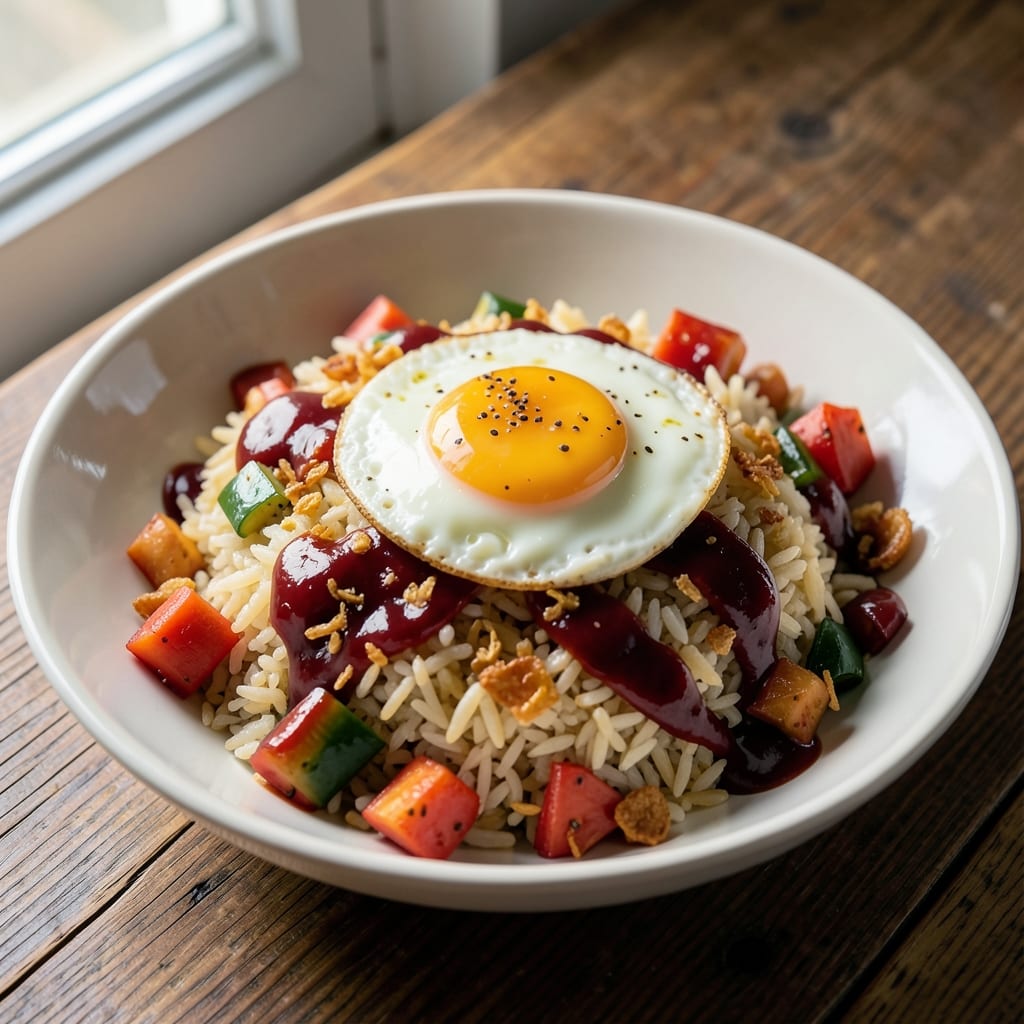
This Arirang fried rice recipe delivers the bold flavors of Korea in every bite—spicy, savory, and packed with kimchi crunch. 🔥 The secret lies in balancing gochujang's heat with sweet rice, crispy egg, and umami-packed proteins, all stir-fried to perfection in one pan. I've perfected this version after testing countless iterations, ensuring each component shines without overpowering the others.
The foundation starts with day-old rice, lightly toasted to achieve that signature crispy texture while keeping the centers tender. A homemade gochujang sauce—sweet, spicy, and slightly tangy—ties everything together, while sesame oil adds nutty depth. Optional proteins like ham, shrimp, or egg can be customized to your preference, but the real star is the kimchi, which adds both crunch and a bright, fermented kick.
What makes this recipe special is how the flavors develop as you cook—starting with a fragrant base of garlic and ginger, then building layers of heat, sweetness, and umami. The result is a dish that's restaurant-quality yet simple enough for a weeknight dinner. Each bite delivers a perfect balance of textures: crispy egg, chewy kimchi, and tender rice.
Serve it as a main dish with a side of pickled vegetables or a simple miso soup for an authentic Korean meal. The leftovers reheat beautifully, making it ideal for meal prep. Let's get cooking!
Ingredients for arirang fried rice
Four cups of crispy rice, four eggs, and a punch of kimchi kick—this is your Korean one-pan powerhouse.
| Ingredient | Amount | Notes |
|---|---|---|
| Day-Old Cooked White Rice 🍚 | 4 cups | Cool completely before using |
| Large Eggs 🥚 | 4 whole | Freshly beaten for crispy texture |
| Kimchi 🥬 | 1 ½ cups | Chopped, with juice reserved |
| Gochujang Paste 🌶️ | 2 tbsp | Korean chili paste for heat |
| Sesame Oil 🫒 | 1 tbsp | Toasted for nutty aroma |
| Soy Sauce 🥄 | 2 tbsp | Korean or Japanese preferred |
| Garlic Cloves 🧄 | 4 cloves | Minced for fragrant base |
| Fresh Ginger 🌿 | 1 tbsp | Grated, for zesty kick |
| Vegetable Oil 🫒 | 2 tbsp | High smoke point for frying |
| Green Onions 🧅 | 3 whole | Thinly sliced, for garnish |
| Sesame Seeds 🌾 | 1 tbsp | Toasted for crunchy finish |
| Salt 🧂 | ½ tsp | Kosher or sea salt |
| Black Pepper 🌶️ | ¼ tsp | Freshly ground for warmth |
| Optional Protein 🍗 | 1 cup | Diced ham, shrimp, or tofu |
The rice is non-negotiable—day-old works best, but if you're in a pinch, freshly cooked rice spread on a tray and microwaved for 2 minutes (covered) mimics that perfect texture. Lotus Foods or Trader Joe's carry pre-cooked rice that reheats beautifully, but nothing beats homemade. For kimchi, Mae Mun or Gochu-Garu brands deliver that signature tangy-spicy balance. I always buy extra kimchi—it's the star here, so don't skimp on quality. The gochujang? Dae Jang Gochujang is the gold standard, but any reputable brand with vibrant red color and no weird additives will work. Fresh ginger is key—dried loses its zing fast, so grab a small knob at the store and freeze the rest.
No kimchi? Substitute 1 cup chopped cabbage with 1 tbsp soy sauce and 1 tsp sugar, but you'll lose that fermented funk. Eggs can be swapped for tofu or shrimp, though texture changes slightly. Out of sesame oil? Avocado oil works in a pinch, but toast it first in a dry pan to mimic that nutty aroma. The green onions are purely decorative—skip them if you're not a fan, but the sesame seeds? Don't skip those—they add the perfect crunch. For extra heat, add 1/2 tsp gochugaru (Korean chili flakes) at the end. And if your gochujang is too thick, thin it with 1 tsp water before adding to the pan.
This reheats like a dream—just add a splash of water and stir-fry for 2-3 minutes. Keeps for 4-5 days in the fridge, though I never let it last that long. Freezes beautifully for 3 months, but the texture gets slightly softer after thawing. For meal prep, portion into containers with a layer of plastic wrap pressed against the rice to prevent sogginess. The flavors actually improve the next day as everything melds together. Store the gochujang in the fridge after opening—it lasts 6-12 months that way, and the flavor stays vibrant.
Why You'll Love This Recipe
- I swear by this trick: toss in day-old rice, and suddenly you’ve turned yesterday’s dinner into today’s star. That slight dryness? It’s what makes the grains crisp up perfectly—no soggy mess here.
- Here’s what sold me: the tangy bite of kimchi and the deep, umami punch of gochujang paste. It’s not just spicy—it’s complex, like a little flavor bomb in every bite. (Yes, even on a Tuesday night.)
Step-by-step instructions for Arirang fried rice
Here's how to make this fiery, eggy, kimchi-packed fried rice that's all about that perfect crunch and smoky depth.
🍳 Step 1: Scramble the Eggs to Crispy Perfection
Crack all 4 whole large eggs into a bowl and whisk vigorously until the yolks and whites are fully combined. Heat 1 tablespoon vegetable oil in a large skillet or wok over medium-high heat until shimmering. Pour in the eggs and let them sit undisturbed for 10-15 seconds—this creates that signature crispy edge.
Using a spatula, gently push the eggs from one side to the other, creating soft, silky curds with just a hint of runny yolk in the center. Remove the eggs and set aside on a plate. Here's the thing—those crispy edges are what make this dish special, so don't rush this step. If the eggs stick slightly, that's normal and actually adds to the texture.
👨🍳 Step 2: Build the Flavor Base with Aromatics
In the same skillet, add the remaining 1 tablespoon vegetable oil and swirl to coat. Toss in the 4 cloves minced garlic cloves and 1 tablespoon grated fresh ginger, cooking for 30 seconds until fragrant but not browned. You'll know it's right when your kitchen smells like a Korean street market.
Stir in the 1.5 cups chopped kimchi (with its juice) and cook for 2-3 minutes until the raw smell disappears and the kimchi softens slightly. Add the 2 tablespoons gochujang paste, 2 tablespoons soy sauce, 0.5 teaspoon salt, and 0.25 teaspoon black pepper, stirring to combine. This is where all the spicy, umami magic happens—don't skip tasting and adjusting the seasoning now.
🔥 Step 3: Fry the Rice Until Golden and Crispy
Add the 4 cups day-old cooked white rice, breaking up any clumps with your spatula. Increase heat to high and fry for 4-5 minutes, stirring constantly, until the rice turns golden brown in spots and you hear that satisfying sizzle. The rice should look dry and separate—this is crucial for that authentic Arirang texture.
Here's a pro tip: If the rice seems too moist, uncover the pan and cook for another 30 seconds to evaporate excess moisture. You want each grain to be distinct and slightly crispy at the edges. Real talk—this is where many fried rice dishes fail, so pay attention to the color and texture. The rice should look like it's getting a golden toast, not just steamed.
🥘 Step 4: Combine Everything for Maximum Crunch
Return the crispy eggs to the skillet and gently fold everything together. Drizzle in the 1 tablespoon sesame oil and toss vigorously for 1-2 minutes until the rice is evenly coated and heated through. The sesame oil adds that nutty aroma that takes this dish over the top—don't skip it.
If you're using the 1 cup optional protein (like diced ham, shrimp, or tofu), add it now and cook for another 1 minute to heat through. The protein should be just warmed through, not overcooked. Taste and adjust seasoning if needed—you might want to add a splash of water or more soy sauce to balance the flavors.
🍽️ Step 5: Finish with Garnishes and Serve Immediately
Transfer the fried rice to serving plates and garnish with 3 whole thinly sliced green onions and 1 tablespoon toasted sesame seeds. The contrast of the fresh green onions and nutty sesame seeds against the spicy, savory rice is what makes this dish so addictive.
Serve this immediately while it's hot and crispy—fried rice loses its texture fast. I like to pair it with a cold beer or a simple cucumber salad to cut through the richness. The key to serving is speed: get it on the table while those crispy bits are still standing up, not melting into the rice.
Pro Tips For Making Arirang Fried Rice
- STIR FAST, STOP LATE: The first 30 seconds after adding rice are make-or-break—work fast to get those grains crispy, not mushy. I used to linger, then ended up with gluey rice; now I dump everything in and attack with the spatula like I’m chopping wood.
- SALT THE RICE BEFORE FRIZZING: Sprinkle a pinch of salt over the cold rice while breaking it up—it crisps the edges and cuts the blandness. My grandmother swore by this, and she was right: the texture’s noticeably better, and you won’t need extra seasoning later.
- DON’T OVERMIX THE EGGS: Scramble the eggs just until mostly set, then fold them into the rice—lumpy but soft, not rubbery. I learned this the hard way after turning my fried rice into a sad, dry omelet. Keep the eggs tender so they melt into the rice, not fight it.
- USE KIMCHI JUICE, NOT JUST CHOPS: Strain the kimchi’s liquid—about 2 tablespoons—and toss it with the rice last. It adds brightness without watering down the dish. (Yes, even if you’re impatient like me, resist the urge to skip this.)
Dietary considerations for these flavors
Gluten-Free Adaptations
This recipe is naturally gluten-free if you use certified gluten-free soy sauce and ensure your kimchi and gochujang are gluten-free. I recommend San-J Tamari gluten-free soy sauce and check labels on Mae Mun kimchi—most traditional varieties are safe, but always verify. For extra safety, substitute 1 tbsp gluten-free oyster sauce for half the soy sauce. 🌱
Vegetarian Options
Skip the optional protein or swap in 1 cup firm tofu (pressed and cubed) or mushrooms for umami depth. I like using shiitake mushrooms sautéed with a splash of soy sauce before adding to the rice. For extra protein, add ½ cup edamame—just toss it in at the end to keep it bright green. The key is balancing textures while maintaining that crispy rice foundation.
Spice Sensitivity
For a milder version, reduce gochujang to 1 tbsp and add ½ tsp sugar to balance. If you love heat, increase gochujang to 3 tbsp and add ½ tsp gochugaru (Korean chili flakes) at the end. I also keep extra kimchi juice on hand to thin out the sauce if it gets too thick and concentrated. The beauty of this dish is how easily you can adjust the heat level to your preference.
Protein Swaps
Beyond ham or shrimp, try diced chicken breast (cook separately first) or spam for a Korean BBQ twist. For seafood lovers, calamari rings add a fun texture—just sear them in a separate pan first.
Low-Carb Version
Replace rice with cauliflower rice (about 8 cups fresh or frozen) and reduce cooking time to 3-4 minutes—it dries out faster. For extra flavor, toss the cauliflower rice with 1 tsp sesame oil before cooking. The texture will be lighter, but the spicy kimchi and egg flavors still shine. This version works well if you're watching carbs but still want that satisfying fried rice experience.
Nutrition facts
Frequently asked questions about Arirang fried rice
Why does my Arirang fried rice turn out mushy?
Day-old rice is key—fresh rice releases too much moisture. If using fresh rice, spread it on a tray and microwave for 2 minutes to dry it out. Also, cook over high heat and stir constantly to prevent steaming. The rice should be golden brown and crispy in spots, not soggy!
Can I make this with brown rice?
Yes, but adjust cooking time—brown rice needs 5-6 minutes of frying to get crispy. Start with 3 cups brown rice (uncooked) to yield 4 cups cooked. The nuttiness pairs well with the spicy kimchi, but the texture will be denser than white rice.
What's the best way to reheat leftovers?
Add 1-2 tablespoons water to the pan and stir-fry for 2-3 minutes over medium-high heat. The steam helps restore crispiness. Microwaving works too—cover with a damp paper towel and zap for 1 minute, then stir to break up clumps.
How do I make this less spicy?
Reduce gochujang to 1 tablespoon and add ½ teaspoon sugar to balance. For extra mildness, use ½ cup kimchi juice instead of chopped kimchi. The sweetness from the sugar and tang from the juice will mellow the heat while keeping the dish flavorful.
Can I prep ingredients ahead of time?
Chop kimchi, mince garlic/ginger, and whisk eggs the night before. Store in airtight containers in the fridge. The only thing to prep day-of is toasting sesame seeds—do this right before serving to keep them fresh and aromatic.