
Main Courses
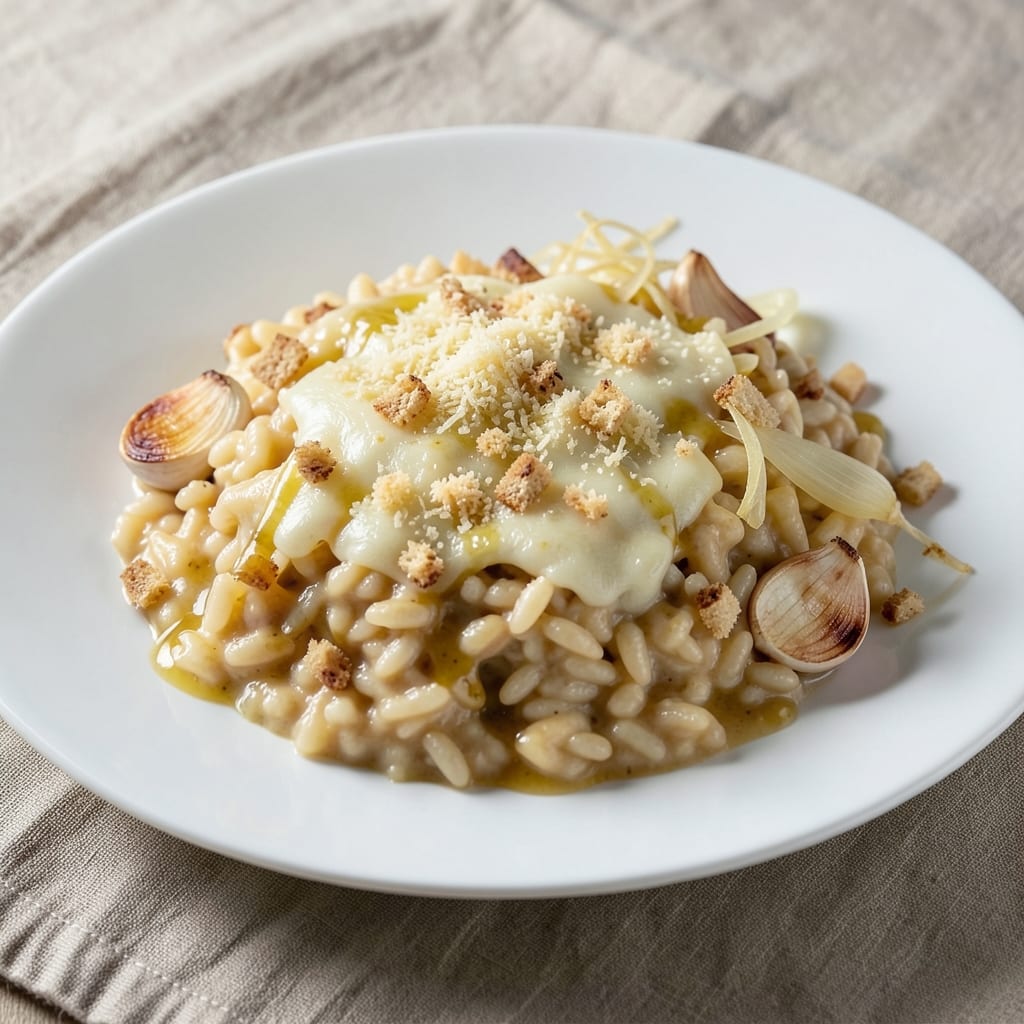
This Asiago rice recipe transforms simple grains into a rich, velvety side dish that melts with every bite. The secret lies in slow-cooking Arborio rice with creamy Asiago cheese, butter, and garlic until each grain is tender and coated in a luxurious sauce. I developed this technique after years of perfecting risotto-style textures—no stirring required, just layer upon layer of flavor.
The dish starts with toasted garlic and onions for depth, then builds richness as the rice absorbs broth and melts into the cheese. What makes it special is how the Asiago—nutty, slightly sweet, and sharp—transforms ordinary rice into something restaurant-worthy. The final texture is creamy yet firm, with each bite offering a perfect balance of cheesy indulgence and subtle garlic crunch.
This recipe delivers restaurant-quality results in under 30 minutes, making it ideal for weeknight dinners or holiday feasts. Serve alongside grilled meats, roasted vegetables, or as a vegetarian main with a sprinkle of fresh parsley. The dish reheats beautifully, so it’s perfect for meal prep too—just add a splash of milk or broth to restore creaminess.
For extra decadence, stir in sautéed mushrooms or wilted spinach at the end, or top with crispy breadcrumbs for texture. The possibilities are endless, but the foundation—creamy, cheesy, and deeply satisfying—remains the same. Let’s get cooking!
Ingredients for asiago rice
Transform ordinary rice into velvety, cheesy perfection with these carefully chosen ingredients.
| Ingredient | Amount | Notes |
|---|---|---|
| Arborio Rice 🍚 | 1 cup | Unrinsed for optimal starch absorption |
| Asiago Cheese 🧀 | 1 ½ cups | Freshly grated, aged variety preferred |
| Unsalted Butter 🧈 | ½ cup | Cold, cubed for even melting |
| Garlic Cloves 🧄 | 6 cloves | Sliced paper-thin for even toasting |
| Yellow Onion 🧅 | 1 whole | Diced into 1/4-inch pieces |
| Vegetable Broth 💧 | 2 cups | Low-sodium, room temperature |
| Dry White Wine 🍷 | ¼ cup | Sauvignon Blanc or Pinot Grigio |
| Fresh Parsley 🌿 | ¼ cup | Chopped, for garnish only |
| Kosher Salt 🧂 | 1 ½ tsp | Diamond Crystal preferred |
| Freshly Ground Black Pepper 🌶️ | ½ tsp | Cracked peppercorns preferred |
| Extra-Virgin Olive Oil 🫒 | 1 tbsp | For initial sautéing |
The Asiago cheese is non-negotiable here—aged Asiago delivers that perfect balance of nutty sweetness and sharpness. Whole Foods or specialty cheese shops carry the best aged varieties, but avoid pre-shredded (it loses moisture and flavor). For the rice, Arborio is essential—its high starch content creates the signature creamy texture. Toast your garlic until golden for maximum flavor development, but watch closely to avoid burning. The butter should be cold when added to create a luxurious sauce without breaking the rice's structure.
No Asiago? Parmigiano-Reggiano works in a pinch, though it lacks the sweetness. Substitute vegetable broth with homemade chicken stock if you prefer deeper flavor. For wine, any dry white will do—Sauvignon Blanc adds brightness, while Chardonnay brings richer notes. The parsley is purely decorative but adds freshness; skip if you're short on time. For extra richness, stir in 1/4 cup heavy cream at the end, though it's not traditional. The key to success is patience—don't rush the rice absorption time.
This dish reheats beautifully—simply add a splash of milk or broth to restore creaminess. Store leftovers in an airtight container for up to 4 days in the refrigerator. For longer storage, freeze portions for up to 3 months. The texture changes slightly when reheated, becoming even more tender. Double the recipe for holiday gatherings—it's always a crowd-pleaser. Garnish with extra cheese or parsley just before serving to maintain presentation.
Why You'll Love This Recipe
- One-Pot Magic: I swear by this recipe because it’s actually one-pan—no fancy techniques, just toasted Arborio rice, melted butter, and a sprinkle of Asiago until it’s creamy and golden. The onions caramelize right in the pot, so cleanup is just a quick wipe.
- Umami Bomb: That nutty Asiago melts into the rice like a dream, while the garlic and butter add layers I can’t get enough of. It’s rich but not heavy, and honestly? The first bite makes me forget takeout exists.
- Weeknight Hero: Between us, this is my go-to when I need something fast but still impressive. Toss it with grilled chicken or roasted veggies, and boom—dinner’s ready. Even my picky roommate asks for seconds.
- Budget Cheat Code: Arborio rice and Asiago stretch like crazy, so I make a big batch and reheat it all week. The butter and garlic are the only splurges, but they make it feel fancy without breaking the bank. Leftovers taste just as good the next day.
Step-by-step instructions for Asiago rice with toasted garlic crunch
Master this rich, creamy risotto with a perfect balance of melt-in-your-mouth Asiago and nutty garlic crunch.
Sauté Aromatics with Olive Oil
Heat the 1 tablespoon extra-virgin olive oil in a heavy-bottomed skillet over medium heat. Add the 1 whole yellow onion diced into ¼-inch pieces and cook for 5 minutes until softened and translucent. Push the onions to the sides of the pan.
Add the 6 cloves garlic cloves sliced paper-thin to the center of the pan. Cook for 1-2 minutes until they begin to turn golden at the edges but haven't browned completely. This gentle toasting releases their sweet, nutty aroma without bitterness. Remove the garlic slices and set them aside for later—you'll use them to create that signature crunch.
Toast the Arborio Rice
Increase the heat to medium-high and add the 1 cup unrinsed Arborio rice to the pan with the onions. Stir constantly for 2 minutes until the rice grains become translucent at the edges and develop a slight golden tint. This toasting step is crucial—it builds flavor and prevents gummy rice.
Add the 1.5 teaspoons kosher salt and 0.5 teaspoon freshly ground black pepper to the rice, stirring to coat each grain evenly. The salt will enhance the natural nuttiness of the rice while the pepper adds subtle heat that balances the richness of the cheese.
Deglaze with Wine and Add Broth
Pour in the ¼ cup dry white wine and stir vigorously, scraping up any browned bits from the bottom of the pan. Let the wine simmer for 1-2 minutes until completely evaporated. This deglazing step forms the flavor foundation of your risotto.
Begin adding the 2 cups vegetable broth in ½-cup increments, stirring frequently. Wait until each addition is nearly absorbed before adding the next. The rice should be al dente after about 12-15 minutes of cooking—it should have a slight bite but still feel tender when pierced with a fork. The starch released from the rice will create a creamy texture as it cooks.
Incorporate Cheese and Butter
Once the rice is al dente, reduce the heat to low and stir in the 1.5 cups freshly grated Asiago cheese and ½ cup cold unsalted butter cubed. The butter should melt slowly, creating a luxurious, velvety texture. Stir continuously for 2-3 minutes until the cheese is fully melted and the mixture reaches your desired consistency.
Here's the thing—don't be tempted to rush this step. The residual heat from the rice will continue melting the cheese and butter, creating a perfectly creamy sauce. If the mixture seems too thick, add 1-2 tablespoons of the reserved cooking liquid to loosen it to a spreadable consistency.
Finish with Toasted Garlic and Fresh Parsley
Return the reserved garlic slices to the pan and let them crisp for 30 seconds until golden brown. This creates that signature crunch that contrasts beautifully with the creamy rice. Remove the garlic slices and set them aside for garnish.
Stir in the ¼ cup chopped fresh parsley and taste for seasoning. Adjust with additional salt if needed. Serve immediately in warm bowls, garnished with the crispy garlic slices and extra grated Asiago cheese. The contrast of temperatures and textures makes this dish truly exceptional.
Pro Tips For Making Asiago Rice
- STIR LOW AND SLOW: The second the rice hits the pan, drop the heat to medium-low—Arborio rice burns faster than you’d think. I learned this the hard way when my first batch turned into a sad, crunchy mess instead of creamy goodness. Keep those grains moving just enough to coat them in butter; they’ll release starch on their own.
- GRATE THE ASIAGO FINE: Skip the block cheese and grate it yourself—pre-shredded Asiago clumps like it’s auditioning for a horror movie. Use the smallest holes on your grater, then pulse the bigger pieces in a food processor for 2 seconds. This melts smoothly into the rice instead of sitting there like a suspicious lump.
- TOAST THE GARLIC RIGHT: Cook the garlic in butter until it’s golden but not brown—otherwise, you’ll taste bitterness instead of nutty depth. Pull it out when it smells like a warm Italian bakery, then immediately remove the pan from heat. Leaving it too long turns your rice into a sad, burnt-flavored side dish.
- USE A LITTLE WATER: Arborio rice absorbs liquid differently than regular rice—start with 1:1.5 rice-to-liquid ratio, then taste at 12 minutes. If it’s dry, add a splash of warm broth or water, but resist the urge to drown it. The goal is al dente, not mushy. (Yes, even if you’re impatient like me.)
Regional styles of these flavors
Northern Italian Roots
The Asiago rice we're making today traces its lineage to the Veneto region of Italy, where Asiago cheese originated. This creamy, nutty cheese was traditionally made from cow's milk and aged in caves, giving it that signature depth. The dish evolved as a simple, hearty side for rustic meals—think polenta or grilled meats—but has since become a star in Italian-American kitchens. 🧀
What makes this version special is the toasted garlic crunch—a technique inspired by Roman-style pasta dishes. The Italians call this "risotto-style" cooking, but we're keeping it simpler with Arborio rice. The key is the slow cooking process, where each grain absorbs flavor like a sponge. This method was perfected in Northern Italy, where risotto became a staple during harvest seasons.
Venetian-Inspired Adaptations
In Venice, cooks often elevated rice dishes with local seafood—think shrimp or mussels—but our version stays vegetarian-friendly while keeping that Venetian soul. The white wine deglaze is pure Venetian tradition, where Sauvignon Blanc was historically used to brighten rich dishes. For extra authenticity, try adding a splash of lemon zest at the end, just like Venetian chefs do with their seafood risottos.
Another Venetian trick? Toast the rice before adding liquid—this step, called "soffritto," builds flavor that would otherwise be lost. The result is rice with deep, toasty notes that pair perfectly with the Asiago's nutty profile. This technique is what separates home-cooked rice from restaurant-quality results.
Modern American Twists
While the Italian roots run deep, American home cooks have put their own spin on this dish. Many versions replace wine with chicken broth for a richer flavor, or add mushrooms for extra umami. I've seen creative adaptations with sun-dried tomatoes or spinach stirred in at the end—both work beautifully with the creamy cheese base. 🍅
One of my favorite modern twists is adding crispy prosciutto bits on top before serving. The salty, smoky contrast with the creamy Asiago is pure magic. For a vegetarian version, swap the prosciutto for toasted pine nuts—they add a similar crunch without the meat. The beauty of this dish is how adaptable it is while keeping that Italian soul intact.
Holiday Table Staple
This dish became a holiday classic in many American households, especially during Thanksgiving and Christmas. The creamy texture and rich flavor make it the perfect complement to roasted meats like turkey or ham. I remember my grandmother always making a big batch—she'd double the recipe and keep it warm in a slow cooker all day. 🍽️
The best part? It reheats beautifully, making it ideal for family gatherings where you want to serve something impressive without spending hours in the kitchen. For extra festive flair, garnish with edible gold leaf or a sprinkle of smoked paprika—both add a touch of elegance that guests will notice immediately. The dish also freezes well, so you can prep it ahead and serve it straight from the freezer when needed.
Nutrition facts
Frequently asked questions
Can I use regular white rice instead of Arborio?
While you can use long-grain white rice, it won't give the same creamy texture. Arborio rice has higher starch content that creates that signature velvety consistency. For a compromise, try Carnaroli rice—it's even creamier than Arborio. If you're set on white rice, add 2 tablespoons cornstarch to the cooking liquid for extra thickness. The flavor will be different, but still delicious!
What's the secret to getting that perfect creamy texture?
The magic happens in three steps: toasting the rice first, adding broth gradually, and melting the cheese off-heat. The rice needs to absorb liquid slowly, and the cheese melts best when the pot is warm but not actively cooking. Stir in the cheese and butter during the last 2-3 minutes of cooking—this creates that luxurious, restaurant-style finish.
Can I make this ahead of time?
Yes! This dish reheats beautifully. Cook it as directed, then cool completely and store in an airtight container for up to 4 days in the fridge. To reheat, add a splash of milk or broth (about 1-2 tablespoons per cup of rice) and warm gently on low heat, stirring until creamy. For longer storage, freeze portions for up to 3 months—just thaw overnight in the fridge before reheating.
What's the best way to add extra flavor?
For deeper flavor, try these upgrades: Sauté mushrooms with the onions, add a pinch of nutmeg with the cheese, or stir in wilted spinach at the end. Another great trick is toasting pine nuts or breadcrumbs separately and sprinkling on top for crunch. For a smoky touch, add ½ teaspoon smoked paprika when you stir in the cheese. The possibilities are endless!
Why did my rice turn out gummy?
Gummy rice usually happens from one of three things: adding too much liquid at once, not toasting the rice properly, or covering the pot while cooking (steam makes rice mushy). For this recipe, keep the pot uncovered until the very end, and only add broth in small increments. Also,