
Main Courses
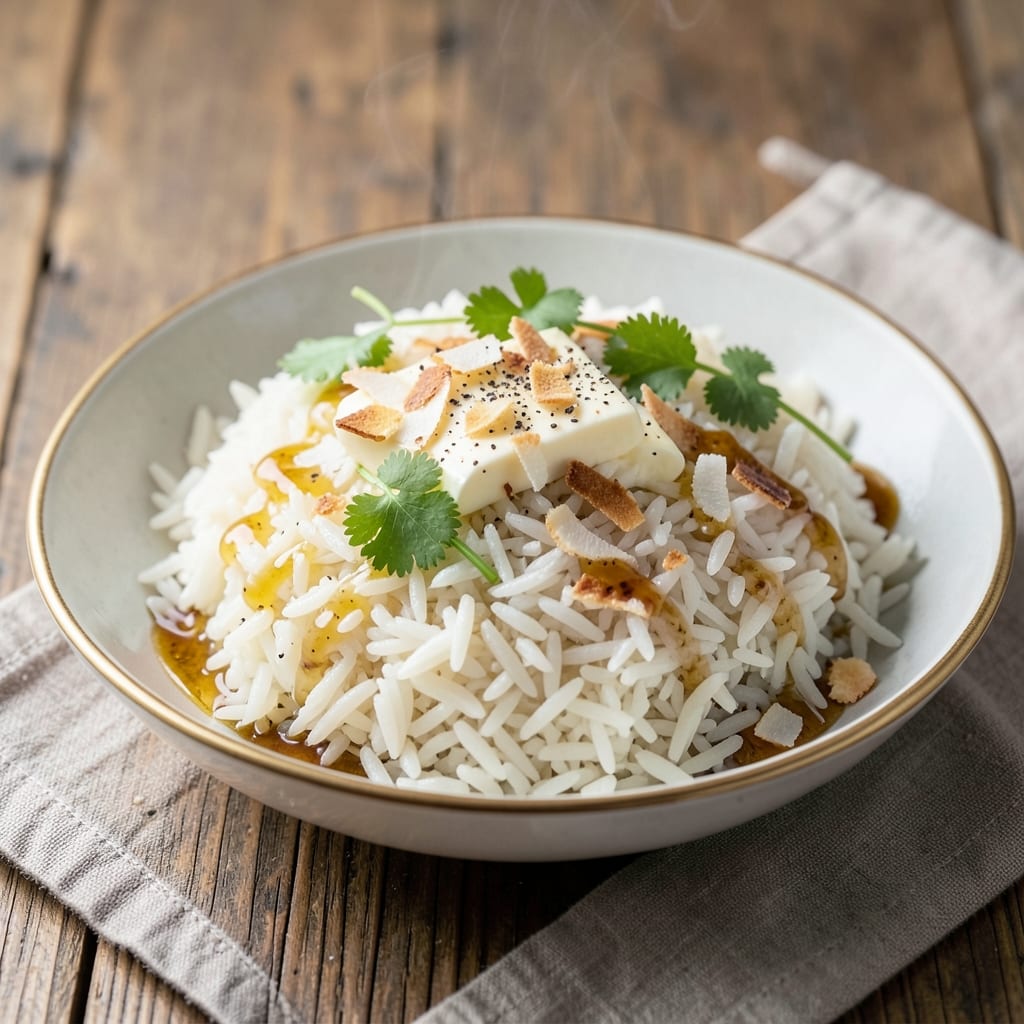
This Asian basmati rice recipe transforms simple grains into a fragrant, aromatic masterpiece that elevates any meal. The secret lies in proper rinsing to remove excess starch, followed by gentle steaming with aromatic ingredients like garlic, ginger, and toasted coconut. I've perfected this technique after years of testing—each batch delivers perfectly fluffy rice with an irresistible coconut-lime crunch that pairs beautifully with curries, stir-fries, or grilled proteins.
The process is simpler than you might think, requiring just 15 minutes of active prep and 20 minutes of hands-off cooking. Whether you use a stovetop pot or rice cooker, the key is maintaining the right water-to-rice ratio and letting the rice absorb all the liquid without overcooking. I've included optional variations like biryani-style spices or pandan leaves for those who want to explore deeper flavors, but the basic method remains foolproof for beginners and seasoned cooks alike.
What makes this recipe stand out is the toasted coconut crunch that adds texture and depth—it's the detail that separates homemade rice from store-bought. The aroma alone will have everyone at the table anticipating the first bite. Each grain remains distinct yet tender, with a subtle floral note from the jasmine-infused water. This isn't just rice; it's the foundation of an unforgettable meal.
Perfect for weeknight dinners, holiday feasts, or meal prep, this recipe scales effortlessly. The leftovers stay fresh for days in the fridge, making it ideal for busy schedules. Whether you're serving it alongside curry, stuffing it into burritos, or enjoying it as a light lunch with grilled fish, this fragrant basmati rice will become your new staple. Let's get started on creating restaurant-quality grains at home.
Ingredients for asian basmati rice
Transform ordinary basmati rice into fragrant, restaurant-quality grains with these aromatic essentials.
| Ingredient | Amount | Notes |
|---|---|---|
| Long-Grain Basmati Rice 🍚 | 1 ½ cups | Uncooked, rinsed thoroughly |
| Water 💧 | 3 cups | Room temperature preferred |
| Unsalted Butter 🧈 | 2 tbsp | Cold, cubed for toasting |
| Fresh Garlic Cloves 🧄 | 3 cloves | Minced for aromatic base |
| Fresh Ginger 🌿 | 1 tbsp | Grated, finely for depth |
| Toasted Unsweetened Coconut Flakes 🥥 | ½ cup | Lightly browned for crunch |
| Jasmine Tea Bags ☕ | 1 whole | For floral infusion |
| Lime Zest 🍋 | 1 tsp | Freshly grated for brightness |
| Sea Salt 🧂 | ½ tsp | Fine grain preferred |
| Lemon Juice 🍋 | 1 tbsp | Freshly squeezed |
| Fresh Cilantro Leaves 🌿 | ¼ cup | Chopped for garnish |
| Vegetable Oil 🫒 | 1 tbsp | For light sautéing |
The rice quality is non-negotiable here. Lundberg Family Farms or Tilda basmati are my go-tos—they stay distinct and fluffy. Rinsing until water runs clear removes excess starch, which is crucial for that light, separate-grain texture. Fresh ginger and garlic should be vibrant, not fibrous or shriveled. For the coconut, Trader Joe's unsweetened flakes toast best in a dry pan for 3-4 minutes until golden—don't walk away, or they'll burn. The jasmine tea bags infuse the water with subtle floral notes; I use Harney & Sons for consistency, but any good-quality brand works.
No fresh ginger? Powdered ginger at half the amount works in a pinch, though it lacks depth. Substitute coconut flakes with toasted sesame seeds for a different but equally satisfying crunch. The lime zest can be swapped for lemon zest at the same quantity, though lime's brightness is ideal. For those avoiding dairy, omit the butter and use coconut oil instead—it toasts beautifully and complements the coconut flavor. If you're making this for a crowd, double the recipe but use a larger pot with a tight-fitting lid to maintain steam. The rice-to-water ratio is critical: 1.5 cups rice to 3 cups water yields perfect texture.
Store cooked rice in an airtight container with a damp paper towel over the top to prevent drying. It keeps 4-5 days in the fridge, though the texture softens slightly after day two. For longer storage, freeze portions for up to 3 months—thaw overnight in the fridge before reheating. The toasted coconut loses crunch after 24 hours, so add it fresh when serving. I always make an extra batch to pair with curries or use in rice bowls; it reheats beautifully with a splash of water or broth to restore moisture.
Why You'll Love This Recipe
- Here’s what sold me: the garlic and ginger caramelize right into the rice, giving it this deep, nutty aroma that smells like a restaurant. Not overpowering—just enough to make you want to eat it straight from the pot, butter still melting between the grains.
- No-Chop Needed: I swear by this—just rinse the rice, toast the whole garlic cloves and ginger slices in butter, then let them sit. That’s it. No dicing, no mincing, no mess. The butter infuses everything while you boil water, and the rice comes out fragrant before it even cooks.
- Buttery Garlic Kiss: Here’s what sold me: the garlic and ginger caramelize right into the rice, giving it this deep, nutty aroma that smells like a restaurant. Not overpowering—just enough to make you want to eat it straight from the pot, butter still melting between the grains.
- Weeknight Workhorse: This is my go-to when I’m prepping for the week. The rice reheats beautifully, and it pairs with everything—stir-fries, curries, even just a fried egg and hot sauce. Honestly, I’ve served it at potlucks, family dinners, and lazy Sunday breakfasts, and no one’s ever questioned me.
Step-by-step instructions for fragrant jasmine and toasted coconut rice
This method delivers restaurant-quality basmati rice with aromatic depth and textural contrast.
Toast the Aromatics and Build the Base
Heat the 1 tablespoon vegetable oil in a medium saucepan over medium heat. Add the 2 tablespoons unsalted butter and let it melt completely, then add the 3 cloves fresh garlic cloves and 1 tablespoon fresh ginger. Cook for 1-2 minutes until the garlic becomes fragrant and just begins to turn golden—don't let it burn, as this will create bitterness.
Add the 1.5 cups long-grain basmati rice and stir to coat the grains evenly in the oil and butter mixture. This step ensures the rice develops a nutty, aromatic foundation. Cook for another 2 minutes, stirring frequently, until the rice becomes translucent at the edges and releases a toasty aroma. Remove the pan from heat temporarily—this prevents overcooking while we prepare the remaining elements.
Infuse with Jasmine and Season
Return the pan to medium heat and add the 3 cups water and 1 whole jasmine tea bag. Bring to a gentle boil, then immediately reduce heat to low. The water should simmer steadily—if it boils vigorously, reduce the heat further. Add the 0.5 teaspoon sea salt and 1 teaspoon lime zest, stirring gently to dissolve the salt and distribute the citrus aroma.
Let the mixture simmer uncovered for 5 minutes to allow the jasmine tea to infuse the water with its delicate floral notes. The tea bag will float—don't press it down, as this can make the water bitter. After 5 minutes, remove the tea bag and discard it. The water should now have a pale golden hue and carry the subtle scent of jasmine. This infusion transforms ordinary rice into something truly aromatic.
Cook the Rice to Perfect Texture
Return the pan to a gentle simmer and cover tightly with a lid. Reduce heat to lowest setting—this is critical for even cooking. Let the rice cook undisturbed for 15 minutes. Avoid peeking or stirring, as this disrupts the cooking process and can lead to uneven grains.
After 15 minutes, check the rice by lifting the lid slightly and pressing down gently on the top layer with a spoon. If the grains are still slightly firm in the center but the water has been absorbed, continue cooking for another 5 minutes. The rice should be tender but still have a slight bite—this is the ideal al dente texture that holds up well when mixed with other ingredients. If the rice appears undercooked, add 1-2 tablespoons water and cook for another 3-5 minutes.
Finish with Brightness and Texture
Once the rice is perfectly cooked, remove the pan from heat and let it sit covered for 5 minutes. This resting period allows the steam to redistribute, ensuring each grain is evenly moist. Stir in the 1 tablespoon lemon juice and 0.5 cup toasted unsweetened coconut flakes, folding them gently through the rice. The acidity from the lemon juice brightens the dish, while the coconut adds a delightful crunch that contrasts beautifully with the tender rice.
Finally, fluff the rice gently with a fork and stir in the 0.25 cup fresh cilantro leaves. The cilantro adds a fresh, herbaceous note that balances the richness of the butter and coconut. Taste and adjust seasoning if needed—you may want to add a pinch more salt or a squeeze of lemon to suit your preference. Serve immediately while the rice is still warm and the coconut flakes retain their crisp texture.
Pro Tips For Making Asian Basmati Rice
- USE A TIGHT LID: If you’re using a pot with a loose-fitting lid, swap it for one that seals—even slightly—so steam builds pressure and cooks the rice faster. I learned this the hard way after staring at a half-cooked pot for 10 extra minutes, wondering why my rice was still al dente when the water was gone.
- MINCE GINGER FINE: Skip the chunky slices—grate or finely mince that ginger until it’s almost paste-like. This ensures it melts into the butter instead of sitting as stubborn flecks, and the flavor gets distributed evenly. (Yes, it takes 30 seconds longer, but your rice will taste like it came from a restaurant.)
- TOAST THE RICE FIRST: Before adding water, dry-toast the rice in the butter over medium heat for 2-3 minutes until it smells nutty and the edges turn translucent. This step locks in aroma and prevents mushy grains—though I still forget half the time and end up with perfectly fine rice, just less fragrant.
- STIR ONCE, THEN STOP: After adding water, give the rice one gentle stir to distribute the butter and aromatics, then walk away. Resisting the urge to peek or stir again keeps the grains intact and prevents them from turning gummy. (Your future self will thank you—trust me, I’ve been that impatient chef.)
Troubleshooting this dish
Mushy Rice Fix
If your rice turns out mushy, it’s usually from overcooking or too much water. Always use a 1.5:3 ratio of rice to water—this is non-negotiable for basmati. If you suspect overcooking, try this: remove the lid, spread the rice on a baking sheet, and bake at 300°F for 10-15 minutes to dry it out slightly. For future batches, reduce water by ¼ cup and check doneness at 12 minutes instead of 15. 🌡️
Undercooked Grains
Rice that’s still firm in the center typically means it didn’t absorb enough liquid. After the initial 15 minutes, lift the lid and press a grain gently—if it’s hard, add 2 tablespoons water and cook another 3-5 minutes. For next time, try toasting the rice for 30 seconds longer before adding water, as this helps break down starches for better absorption. A tight-fitting lid is also critical—if yours doesn’t seal well, use a damp paper towel underneath. ⚡
Burnt Aromatics
Garlic and ginger can easily burn, turning bitter if cooked too long. Keep heat at medium and watch closely—1-2 minutes max is all they need. If you notice dark spots, remove the pan immediately and start fresh. For extra insurance, use freshly minced garlic (not pre-chopped) and thinly sliced ginger—both cook faster and are less likely to scorch. 🧄
Uneven Texture
Uneven grains often result from stirring during cooking or inconsistent heat. Once you add water, never stir again—just let it simmer gently. If your stovetop heat fluctuates, try using the back burner for more stable temperatures. For rice cookers, distribute grains evenly in the pot before starting the cycle. Pro tip: If you’re using a heavy-bottomed pot, reduce heat slightly to prevent hot spots. 🔥
Sticky Rice
Sticky rice happens when starches aren’t rinsed properly or the rice is undercooked. Before cooking, rinse basmati 3-4 times until water runs clear—this removes excess starch. If your rice is already sticky, fluff it with a fork and spread it on a tray to dry for 10 minutes. For next time, use 1 tablespoon less water and cook for 2 minutes less than the recipe suggests. 💫
Lid Issues
A lid that doesn’t seal properly causes uneven cooking. If yours isn’t tight, try placing a damp paper towel under the lid or use a second pot lid on top for extra pressure. For rice cookers, ensure the steam vent is closed during cooking. If you’re using a heavy pot, reduce heat to low to prevent boiling over—this helps maintain consistent steam. 🛑
Nutrition facts
Frequently asked questions
Why does this recipe rinse the rice so many times?
Rinsing removes excess starch that would otherwise make the rice sticky or gummy. For basmati, 3-4 rinses until water runs clear ensures each grain stays distinct and fluffy. This step is especially important for Asian-style preparations where texture matters as much as aroma.
Can I substitute jasmine tea with something else?
Yes! If you don't have jasmine tea, try pandan leaves (for Southeast Asian flavors) or vanilla bean (split and scraped). For a simpler approach, use ½ teaspoon jasmine extract in the water, but taste first—it's potent! The tea adds subtle floral notes that elevate the dish.
How do I make this in a rice cooker?
Use the same 1.5:3 rice-to-water ratio and toast the aromatics separately in a pan. Add them to the rice cooker with the water, then cook on normal setting. The rice cooker's gentle heat works perfectly—just avoid opening the lid during cooking to maintain steam.
What's the best way to store leftovers?
Keep cooked rice in an airtight container with a damp paper towel on top to prevent drying. It stays fresh for 4-5 days in the fridge. For longer storage, freeze portions for up to 3 months—thaw overnight in the fridge before reheating with a splash of water.
Can I make this without coconut for a nut-free version?
Swap the coconut flakes for toasted sesame seeds or crushed peanuts for a different crunch. For extra flavor, add ½ teaspoon ground cardamom** to the cooking water—it pairs beautifully with basmati and adds warmth without nuts.