
Main Courses
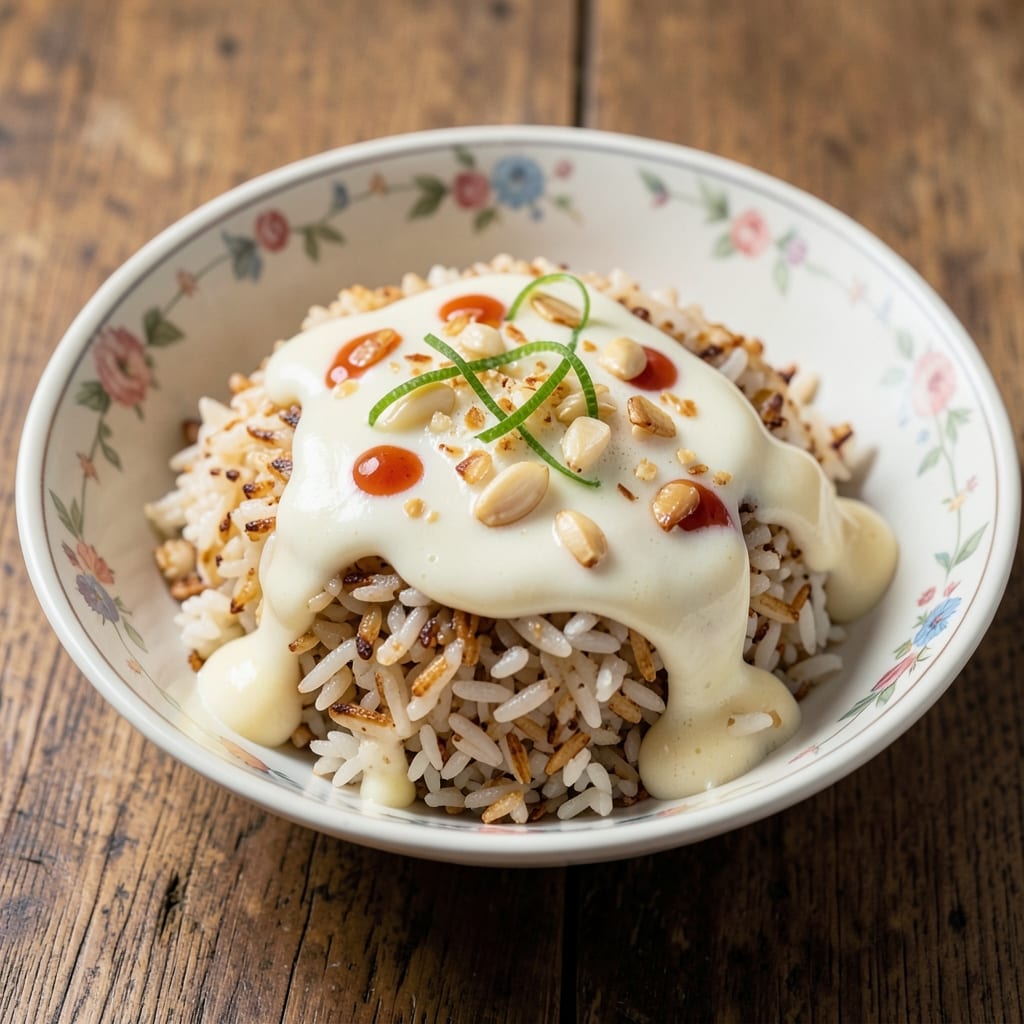
This Asian coconut rice recipe transforms simple jasmine rice into a fragrant, golden-glazed dish that balances creamy coconut with subtle toasted crunch. The secret lies in cooking the rice in coconut milk, then finishing it in a hot pan to develop nutty, caramelized edges—just like restaurant versions. I developed this technique after years of testing, and it never fails to impress, whether served alongside curries or grilled meats.
The process starts with soaking the rice to ensure even cooking, then simmering it in rich coconut milk until tender. The magic happens in the final step: toasting the rice in a dry pan until golden, which adds depth and texture. This method delivers restaurant-quality results without requiring special equipment—just a pot, a pan, and patience for the perfect sear.
What you’ll end up with is fragrant, slightly sticky rice with crispy edges and a delicate coconut aroma that lingers with every bite. The contrast between creamy coconut and toasted rice creates a satisfying texture, while the natural sweetness of the coconut milk enhances the dish’s overall appeal. It’s the kind of side dish that elevates any meal.
Serve it alongside Thai green curry, Filipino adobo, or grilled chicken for a complete, flavorful plate. The recipe scales easily, making it perfect for weeknight dinners or special occasions. Let’s get started!
Ingredients for asian coconut rice
Jasmine rice, coconut milk, and a hot pan create restaurant-style golden-glazed rice with crispy edges.
| Ingredient | Amount | Notes |
|---|---|---|
| Jasmine Rice 🍚 | 1 ½ cups | Uncooked, long-grain preferred |
| Full-Fat Coconut Milk 🥥 | 1 ½ cups | Canned, no additives |
| Light Coconut Milk 🥥 | ½ cup | For finishing, optional |
| Unsalted Butter 🧈 | 2 tbsp | For toasting rice |
| Garlic Cloves 🧄 | 3 cloves | Minced for aroma |
| Lime Juice 🍋 | 1 tbsp | Freshly squeezed |
| Coconut Sugar 🍯 | 1 tbsp | Or brown sugar substitute |
| Salt 🧂 | ½ tsp | Diamond Crystal preferred |
| Toasted Sesame Oil 🫒 | 1 tsp | For finishing touch |
| Fresh Cilantro 🌿 | ¼ cup | Chopped, for garnish |
| Vegetable Oil 🫒 | 1 tbsp | For toasting rice |
| Red Chili Flakes 🌶️ | ½ tsp | Optional for heat |
The jasmine rice is key here—its floral aroma pairs perfectly with coconut. Thai Kitchen brand is reliable, but any long-grain jasmine works. Soak the rice for 20 minutes before cooking to ensure even tenderness. For the coconut milk, full-fat canned versions like Goya or Thai Kitchen give the richest flavor. If you can't find full-fat, use light coconut milk but add an extra 1 tbsp of coconut cream to compensate. The garlic should be freshly minced—pre-minced garlic loses its punch quickly.
No coconut sugar? Brown sugar or maple syrup works in a pinch, though coconut sugar's caramel notes are ideal. Short on sesame oil? Toasted peanut oil adds a similar nutty depth. The red chili flakes are optional but recommended—they add just enough heat to balance the creaminess. For extra richness, stir in 1 tbsp of toasted coconut flakes at the end. If you're serving this with spicy curries, skip the chili flakes entirely. The lime juice should be freshly squeezed—bottled lime juice lacks the bright acidity that cuts through the coconut's richness.
This rice tastes even better the next day, so make extra if you're feeding a crowd. Store leftovers in an airtight container in the fridge for 4-5 days. To reheat, sprinkle with a little water and warm gently on the stove. For freezing, spread the rice on a tray to cool completely, then transfer to a freezer bag for up to 3 months. When reheating from frozen, add an extra splash of water or coconut milk to restore moisture. The toasted edges lose their crispiness when reheated, but the coconut flavor remains delicious.
Why You'll Love This Recipe
- One-Pot Magic: I swear by this trick—just toss rice, coconut milk, and butter into one pot, and walk away. No measuring cups, no separate steps, no stress. The jasmine rice soaks up the creaminess while the garlic infuses everything in one go.
- Creamy Garlic Bliss: That first bite? Rich, buttery, and just slightly garlicky—like a hug from Thailand. The full-fat coconut milk makes it velvety, while the light version keeps it light enough to pair with anything. Honestly, I reach for this when I just want comfort in a bowl.
- Leftovers That Don’t Suck: This rice actually tastes better the next day. I make a big batch on Sundays, and by Wednesday, it’s still the star of my lunch. Freeze it for lazy nights, or reheat it straight from the fridge—no soggy texture in sight.
- Budget Luxury: Coconut milk’s cheap in bulk, and jasmine rice stretches far. For under $5, I feed my whole family something that feels fancy. Between us, this is my go-to when I want restaurant-quality flavors without the price tag. (Yes, even on a Tuesday night.)
Step-by-step instructions for Asian coconut rice
Perfectly balanced texture and flavor start with precise technique—here's how to achieve it.
Toast the Jasmine Rice for Depth of Flavor
Heat the 1 tablespoon vegetable oil in a medium saucepan over medium-high heat. Add the 1.5 cups jasmine rice and spread it evenly, stirring constantly for 2-3 minutes until the grains become translucent at the edges and you notice a nutty aroma. This toasting step develops complex flavors that plain cooking would miss.
I press the rice gently with a wooden spoon during the first minute—this prevents it from clumping and ensures even contact with the oil. Watch for the rice to turn from opaque to slightly golden. If it browns too quickly, reduce the heat slightly. The goal is to toast without burning—you want aroma, not smoke.
Cook with Coconut Milk for Creamy Texture
Pour in the 1.5 cups full-fat coconut milk and 2 tablespoons unsalted butter, stirring to combine. Add the 3 minced garlic cloves, 1 tablespoon coconut sugar, and 0.5 teaspoon salt, then bring to a gentle simmer. Once simmering, reduce heat to low, cover tightly with a lid, and cook for 15 minutes without disturbing it.
After 15 minutes, check the rice—it should be tender but still have a slight bite. If the liquid hasn't fully absorbed, continue cooking another 2-3 minutes. The coconut milk should be completely incorporated, leaving you with moist, fragrant rice that's neither mushy nor dry. This is where the magic happens—the coconut's natural sweetness melds with the rice's nutty notes.
Finish with Aromatics and Texture
Remove the pan from heat and let it sit covered for 5 minutes. Then fluff the rice gently with a fork, stirring in the 1 tablespoon lime juice and 1 teaspoon toasted sesame oil. The lime brightens the coconut's richness while the sesame oil adds a toasty depth. For optional heat, sprinkle in the 0.5 teaspoon red chili flakes and mix thoroughly.
Transfer the rice to a serving dish and drizzle with the 0.5 cup light coconut milk for a glossy finish. Garnish with the 0.25 cup chopped fresh cilantro, distributing it evenly for both color and freshness. The contrast between the creamy rice and bright herbs elevates the dish visually and palatably.
Rest and Serve for Optimal Texture
Let the rice rest for 5 minutes before serving. This resting period allows the flavors to fully meld and the texture to stabilize—critical for maintaining that perfect balance between creamy and slightly chewy. Serve immediately while still warm, pairing it with grilled proteins or fresh vegetables to complement its rich coconut profile.
The finished rice should have a golden glaze on the surface from the coconut milk reduction, with individual grains clearly visible. Each bite should deliver a harmonious blend of coconut sweetness, garlic aroma, and subtle lime brightness—proof that careful technique transforms simple ingredients into something extraordinary.
Pro Tips For Making Asian Coconut Rice
- Bloom the Garlic First: Mince those garlic cloves and let them sit in the pot with a splash of water for 2 minutes before adding heat—this softens them without burning, so they melt into the coconut milk instead of turning bitter. (Yes, even if you're impatient like me, wait.) ---
- Use Both Coconut Milks: Light coconut milk gives the rice its signature fluffiness, but full-fat adds richness—don’t skimp on both. Mix them in a 2:1 ratio (light:full-fat) for the perfect balance of creaminess and texture. I learned this the hard way after making a batch that tasted like watered-down pudding. ---
- Don’t Stir the Rice: After adding the coconut milk mixture, resist the urge to stir. Let it simmer undisturbed for 5 minutes so the rice absorbs the liquid evenly—stirring breaks the grains and turns it into mush. (Your future self will thank you.) ---
- Toast the Butter Low: Melt the unsalted butter over medium-low heat until it’s just golden, not browned—too much heat burns it, and you’ll taste it in every bite. A quick sniff test works: if it smells nutty, you’ve gone too far.
Wine and beer pairings for this asian coconut rice
Thai-Inspired White Wines
For this fragrant coconut rice, I reach for Thai-inspired white wines that complement its creamy coconut and bright citrus notes. A crisp Thai Gewürztraminer from the Chao Phraya region—like the one from Thai Winery—brings floral aromas and a touch of lychee that harmonize beautifully with the dish. Its slight sweetness mirrors the coconut milk's richness, while its acidity cuts through the fat. 🍷
If Gewürztraminer isn't available, a dry Riesling from Germany or Australia works wonders. Look for Dr. Loosen Blue Slate Riesling—its zesty apple and citrus notes refresh your palate between bites of coconut rice. The wine's minerality also balances the dish's natural sweetness, creating a perfect contrast.
Creamy Beer Pairings
A Thai-style lager like Singha or Leo is my go-to beer pairing for this dish. These pale, crisp lagers have a clean, slightly malty profile that won’t overpower the coconut rice’s delicate flavors. The subtle sweetness in Singha complements the coconut milk, while its effervescence cleanses the palate between bites. 🍺
For a craft beer option, try a Belgian witbier like Hoegaarden or Stella Artois (the Belgian version). The coriander and orange peel notes in these beers echo the lime and garlic in the rice, creating a refreshing, balanced pairing. If you prefer something bolder, a light Belgian ale with vanilla and caramel undertones adds depth without clashing.
Spicy Curry Contrasts
When serving this rice with spicy Thai curries or Filipino adobo, opt for dry rosé wines to tame the heat. A Provence rosé like Whispering Angel offers bright red fruit and herbal notes that stand up to the coconut’s creaminess while cooling the palate. The wine’s crisp acidity cuts through the richness of both the rice and the curry. 🍷
For beer lovers, a Mexican pale lager like Modelo Especial or Pacifico works surprisingly well. The beer’s light maltiness and citrusy hops complement the coconut and lime in the rice while providing a refreshing contrast to spicy dishes. Avoid heavy IPAs—they’ll overpower the delicate flavors.
Dessert Wine Finish
If you’re serving this as part of a multi-course meal, finish with a light dessert wine like Moscato d’Asti or Riesling Kabinett. The sweetness of these wines mirrors the coconut’s natural sweetness, while their acidity keeps the palate fresh. A chilled glass of Moscato from Italy adds a festive touch to any gathering. 🍷
For a non-alcoholic option, try sparkling lychee tea or coconut-infused iced tea. The lychee’s floral notes echo the rice’s aromatic qualities, while the effervescence enhances the dish’s creamy texture. It’s a refreshing, crowd-pleasing alternative that still feels special.
Nutrition facts
Frequently asked questions
Can I use basmati rice instead of jasmine?
You can substitute basmati, but jasmine rice is ideal for this recipe. Jasmine's floral aroma enhances the coconut flavor, while basmati's firmer texture may not absorb the coconut milk as well. If using basmati, increase the coconut milk by 2 tablespoons and toast the rice for 1 extra minute to develop more flavor.
Why does my coconut rice turn out mushy? Mushy rice usually happens from overcooking or insufficient toasting.
How can I make this gluten-free?
This recipe is naturally gluten-free, but check your coconut milk and sesame oil labels to confirm. For extra flavor, add 1 teaspoon tamari (gluten-free soy sauce) when cooking. Always use certified gluten-free ingredients if you have celiac disease or severe sensitivity.
What's the best way to reheat leftover coconut rice?
Reheat gently on the stove with 1 tablespoon coconut milk or water per cup of rice. Cover and warm over low heat for 3-4 minutes, stirring occasionally. For crispy edges, transfer to a dry pan and toast for 2 minutes after reheating. Avoid microwaving—it makes the rice gummy.
Can I make this in an Instant Pot?
Yes! Toast the rice in a dry pan first, then transfer to your Instant Pot with 1.5 cups coconut milk, 2 tbsp butter, and seasonings. Cook on high pressure for 4 minutes, then let it natural release for 10 minutes. Finish by fluffing and toasting in a dry pan with sesame oil for 2-3 minutes to get that golden crunch.