
Side Dishes
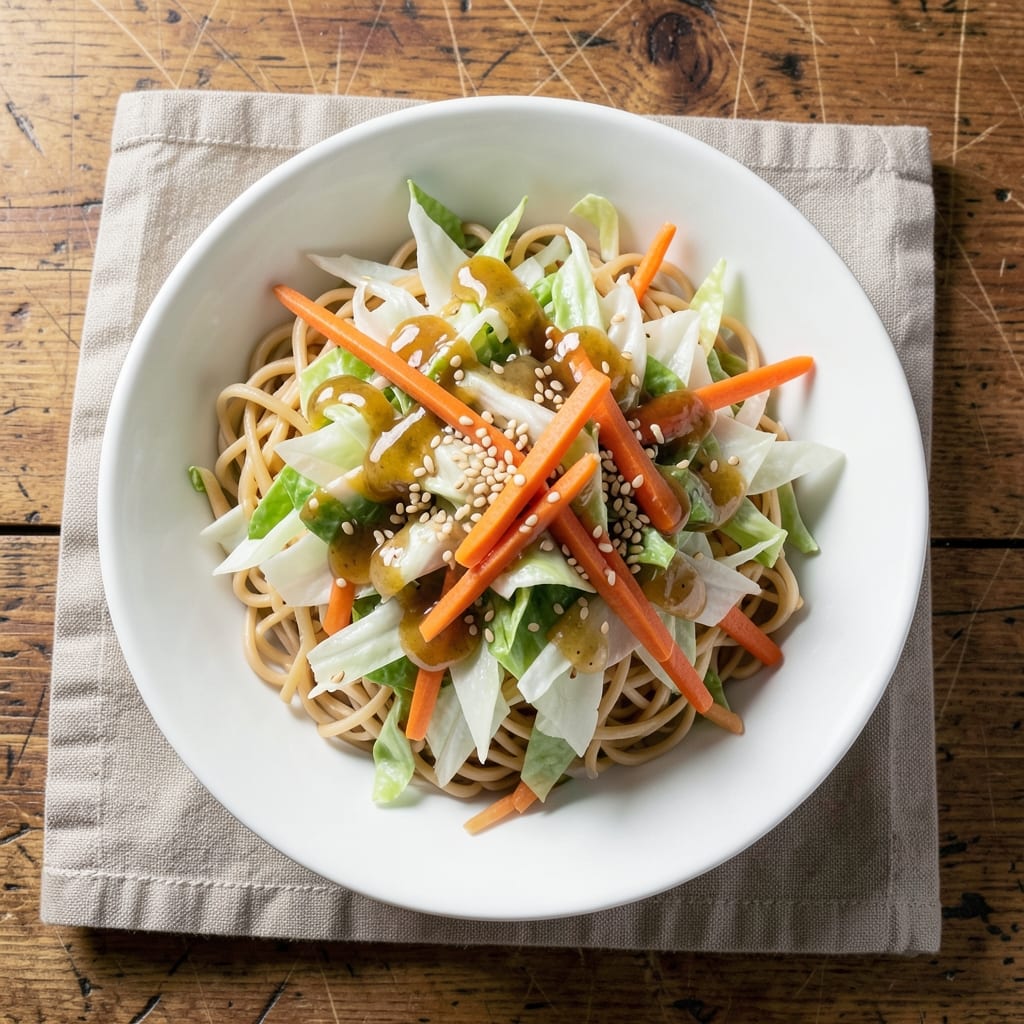
This Asian coleslaw recipe with ramen noodles and rice vinegar transforms a classic side into a crunchy, umami-packed dish that stands alone or pairs perfectly with grilled meats. The secret lies in using broken ramen noodles for texture and rice vinegar for that signature tangy brightness—no bland slaw here. I developed this after craving something fresh yet satisfying, and it became an instant weeknight favorite. What sets this apart is the balance: chewy ramen noodles add substance, while shredded cabbage and carrots provide crisp contrast. The dressing—rice vinegar, sesame oil, and a touch of honey—creates a bold, addictive flavor that cuts through richness. It’s vegetarian, budget-friendly, and ready in under 20 minutes with minimal prep. The result? A vibrant, texturally exciting dish with layers of flavor—salty from the noodles, sweet from the carrots, and tangy from the vinegar. Garnish with sesame seeds and chili flakes for extra depth, or keep it simple for a clean, refreshing bite. This isn’t just a side; it’s a full-flavored meal in itself. Perfect for meal prep, potlucks, or as a quick lunch. The noodles hold up well in the fridge, making this a go-to recipe for busy days. Let’s make it!
Ingredients for asian coleslaw recipe with ramen noodles and rice vinegar
Pantry staples meet bold Asian flavors—just 13 ingredients for a dish that packs serious texture and tang.
| Ingredient | Amount | Notes |
|---|---|---|
| Broken Ramen Noodles 🍜 | 3 oz | Uncooked, any flavor variety |
| Green Cabbage 🥬 | 4 cups | Shredded, medium ribbons preferred |
| Carrots 🥕 | 1 ½ cups | Shredded, medium julienne cut |
| Rice Vinegar 💧 | ⅓ cup | Unseasoned, mild acidity |
| Sesame Oil 🫒 | 1 tbsp | Toasted, for aroma |
| Honey 🍯 | 1 ½ tbsp | Light, for balance |
| Sesame Seeds 🌰 | 1 tbsp | Toasted, for garnish |
| Red Chili Flakes 🌶️ | ½ tsp | Optional, for heat |
| Vegetable Oil 🫒 | 1 tbsp | Neutral, for cooking noodles |
| Salt 🧂 | ½ tsp | Kosher, for seasoning |
| Garlic Cloves 🧄 | 2 cloves | Minced, for depth |
| Ginger Root 🌿 | 1 tsp | Freshly grated, for zing |
| Soy Sauce 🍶 | 1 tbsp | Light, for umami |
The ramen noodles are the backbone here. Broken dry noodles from Nissin or Maruchan work perfectly—they add that signature chewiness without overpowering. Look for flavor varieties like chicken or vegetable, but any will do. Fresh ginger and garlic elevate the dressing, so grab the brightest ginger root you can find at Whole Foods or Asian markets—it makes all the difference. The cabbage should be crisp; green cabbage over purple for that classic slaw texture. If you're short on time, pre-shredded coleslaw mix from the bagged salad section works in a pinch.
No sesame oil? Toasted peanut oil at half the amount gives a similar nutty depth. Skip the honey? Maple syrup or agave keeps it veggie-friendly. The soy sauce can be swapped for tamari for gluten-free, but don’t skip it entirely—it’s the umami bridge. For extra crunch, add 1/4 cup toasted peanuts or crushed wonton chips after mixing. The chili flakes are optional, but Trader Joe’s brand has the perfect heat level if you want to commit. Fresh herbs? Thinly sliced scallions or cilantro add brightness—just toss them in at the end.
This keeps beautifully for 4-5 days in the fridge, sealed tightly. The noodles stay chewy, and the dressing won’t make the cabbage soggy if stored properly. For meal prep, portion into glass containers with airtight lids—the noodles hold up better than you’d think. Freeze for up to 2 months if you’re prepping ahead, but the texture gets slightly softer after thawing. Garnish with sesame seeds and chili flakes right before serving to keep everything vibrant.
Why You'll Love This Recipe
- I’ll be real: this recipe uses stuff I already have. No specialty ingredients, no last-minute grocery runs. The ramen? Probably sitting in your cupboard. The cabbage? Lasts forever. It’s the kind of dish that turns "what’s for dinner?" into "let’s eat."
- No Boil, No Fuss: I swear by this trick—just toss those broken ramen noodles straight from the package into cold water, and they soften perfectly without overcooking. No draining, no waiting, no mess. That crisp-tender texture? It’s the secret weapon.
- Umami Crunch Magic: The combo of sesame oil and rice vinegar turns this into something far beyond basic coleslaw. The noodles soak up that salty-sweet dressing while the cabbage stays crisp, and those shredded carrots? They add just the right chew. Honestly, it’s the kind of flavor that makes you reach for seconds without even thinking.
- Lunchbox Hero: Between us, this is my go-to for packed lunches—it holds up for days in the fridge, and the flavors actually get better as the dressing marries with the veggies. Add a fried egg on top, and suddenly you’ve got a full meal that’s still under $5 to make.
Step-by-step instructions for Asian-inspired ramen noodle slaw
Transform simple ingredients into a vibrant, textured dish with perfect balance between crunch and tang.
Cook the Ramen Noodles Al Dente
Bring a small pot of water to a rolling boil and add the 3 oz broken ramen noodles. Cook for 2 minutes—this shorter time keeps them firm and chewy rather than mushy. Drain immediately in a colander and rinse under cold water for 30 seconds to stop the cooking process. The noodles should still have visible texture when squeezed between your fingers.
Spread the noodles on a clean kitchen towel to dry completely. This step prevents the dressing from making them soggy later. While they dry, I like to break them into ½-inch pieces with my fingers—this creates bite-sized noodle segments that distribute evenly throughout the slaw.
Prepare the Tangy Dressing
In a small bowl, whisk together the 0.33 cup rice vinegar, 1.5 tbsp honey, 1 tbsp soy sauce, 1 tbsp sesame oil, 2 cloves minced garlic, 1 tsp freshly grated ginger root, and 0.5 tsp salt. The mixture should be smooth with no visible streaks of honey. Taste and adjust—you want a balance where the acidity cuts through the sweetness without overwhelming it.
Here's the thing—let the dressing sit for 5 minutes before using. This allows the flavors to meld and the ginger to soften slightly, creating a more cohesive dressing. If you're using the 0.5 tsp red chili flakes, sprinkle them in now and stir gently to distribute the heat evenly.
Shred Vegetables for Maximum Crunch
Using a sharp mandoline or chef's knife, shred the 4 cups green cabbage into medium ribbons—about ¼-inch wide. For the 1.5 cups carrots, use the same tool to create thin julienne strips that will soften slightly but maintain their bite. The key is even shredding so all pieces cook uniformly when tossed with the dressing.
Transfer the shredded vegetables to a large mixing bowl. I like to work in batches—shred half the cabbage, toss with dressing, then repeat. This prevents overcrowding and ensures everything gets properly coated. Give the vegetables a quick toss with a silicone spatula to distribute the dressing evenly.
Combine All Ingredients
Add the dried ramen noodle pieces to the vegetable mixture and gently fold everything together. Work quickly but carefully—you want to combine without crushing the cabbage or breaking the noodles into small fragments. The texture contrast is what makes this dish special: crisp cabbage, tender carrots, and chewy ramen noodles.
Taste and adjust seasoning if needed. I often add a splash more rice vinegar if the dressing seems too thick, or a pinch of salt if the flavors need more depth. Cover the bowl and refrigerate for at least 30 minutes before serving. This chilling time allows all the flavors to meld completely.
Garnish and Serve
Before serving, transfer the slaw to a platter or individual bowls. Sprinkle with 1 tbsp toasted sesame seeds and any remaining red chili flakes for color and texture contrast. The sesame seeds add a nutty aroma that complements the tangy dressing beautifully.
Serve immediately for the best texture contrast. The cabbage should still have a satisfying crunch, the carrots slightly softened but not mushy, and the noodles maintaining their chewy bite. This dish holds well for 24 hours in the refrigerator, though the noodles may soften slightly over time.
Pro Tips For Making Asian Coleslaw Recipe With Ramen Noodles And Rice Vinegar
- Blanch Noodles First: Toss the broken ramen noodles in boiling water for 30 seconds—just until they soften, not cook through. This keeps them from turning mushy later when mixed with the wet dressing. I learned this the hard way when my first batch dissolved into a sad, noodle-y sludge after sitting too long. ---
- Shred Cabbage Thin: Use a sharp knife and slice the green cabbage as thinly as you can—almost like matchsticks. Thinner shreds soak up the dressing better and give that crisp, fresh texture you want. (Yes, it takes a few extra minutes, but your slaw will thank you.) ---
- Mix Dressing Last: Toss the noodles and veggies with just a splash of rice vinegar and sesame oil first, then fold in the rest of the dressing. This way, the noodles don’t turn into a soggy mess before you even get to taste it. I used to dump everything in at once—big mistake. ---
- Add Toasted Sesame Seeds: Skip the pre-packaged seasoning and toast 1 teaspoon of sesame seeds in a dry pan for 30 seconds until fragrant. Sprinkle them on top right before serving—it adds a nutty depth that store-bought mixes can’t match. (I know, it’s an extra step, but it’s worth it.)
Serving suggestions for this recipe
Meal Pairings
This ramen noodle slaw makes an incredible pairing with grilled or blackened chicken thighs—the smoky char complements the tangy dressing beautifully. I love serving it alongside sushi rolls for a fusion-style meal, where the crunchy noodles add substance to the delicate fish. For a vegetarian spread, pair it with miso-glazed tofu or crispy tempura vegetables to round out the plate. 🍗
Beverage Matches
A sparkling yuzu soda or green tea with a hint of lemon balances the dish’s bold flavors perfectly. For something stronger, try a dry Riesling—its crisp acidity mirrors the rice vinegar while cutting through the richness. If you prefer beer, a light lager like Asahi keeps the palate clean, while a hochheimer wheat beer adds a refreshing effervescence. 🍶
Garnish Upgrades
For extra depth, top with crispy fried shallots—their golden crunch contrasts the soft noodles. Thinly sliced scallions add a fresh, oniony bite, while pickled ginger introduces a bright, tangy note. A drizzle of spicy mayo (mix mayo with ½ tsp sriracha and 1 tsp honey) adds a creamy, heat-packed finish. 🌿
Make-Ahead Serving
Store leftovers in an airtight container for up to 5 days—the flavors deepen over time. Reheat gently in the microwave (or cold) and garnish with toasted sesame seeds and chili flakes to revive the texture. For a potluck-friendly presentation, serve in a glass bowl with a wooden spoon for rustic appeal. The noodles stay chewy when chilled properly! ❄️
Fusion Twist
Turn it into a bowl by adding steamed jasmine rice and soft-boiled eggs for a ramen-inspired slaw bowl. Top with quick-pickled cucumbers and crushed peanuts for crunch. This version becomes a full meal—perfect for busy weeknights when you want something satisfying yet balanced. 🥢
Nutrition facts
Frequently asked questions
Can I use regular ramen noodles or do I need specialty ones?
Standard ramen noodles work perfectly! The key is breaking them into ½-inch pieces before cooking. Look for flavor varieties like chicken or vegetable for extra depth, but any brand will give you that satisfying chewiness. Just cook them for 2 minutes instead of the full package time to keep them firm.
What if I don't have sesame oil? Can I substitute?
Use toasted peanut oil at half the amount (½ tbsp) for a similar nutty aroma. Another option is avocado oil—it won’t replicate the sesame flavor but keeps the dish balanced. If you’re avoiding nuts, a pinch of garlic powder can add subtle depth instead.
How do I prevent the cabbage from getting soggy?
Drain the noodles well and pat them dry on a kitchen towel before mixing. Also, work in batches—toss half the cabbage with dressing, then repeat. The 30-minute chilling time before serving helps the flavors meld without making the cabbage limp. For extra insurance, add the noodles last and fold gently.
Can I make this spicier or sweeter?
Easy adjustments! For more heat, add ½ tsp extra chili flakes or a dash of gochujang to the dressing. For sweeter, increase the honey to 2 tbsp or swap in maple syrup. Balance is key—taste as you go! The rice vinegar’s tang will keep the flavors harmonious.
Is this dish gluten-free or vegan?
Not naturally gluten-free (ramen contains wheat), but you can use rice noodles instead. For vegan, check your ramen for egg—most instant varieties are plant-based. The dressing is already vegan (rice vinegar, honey can be swapped for agave). Garnishes like sesame seeds are typically vegan, but always verify labels.