
Main Courses
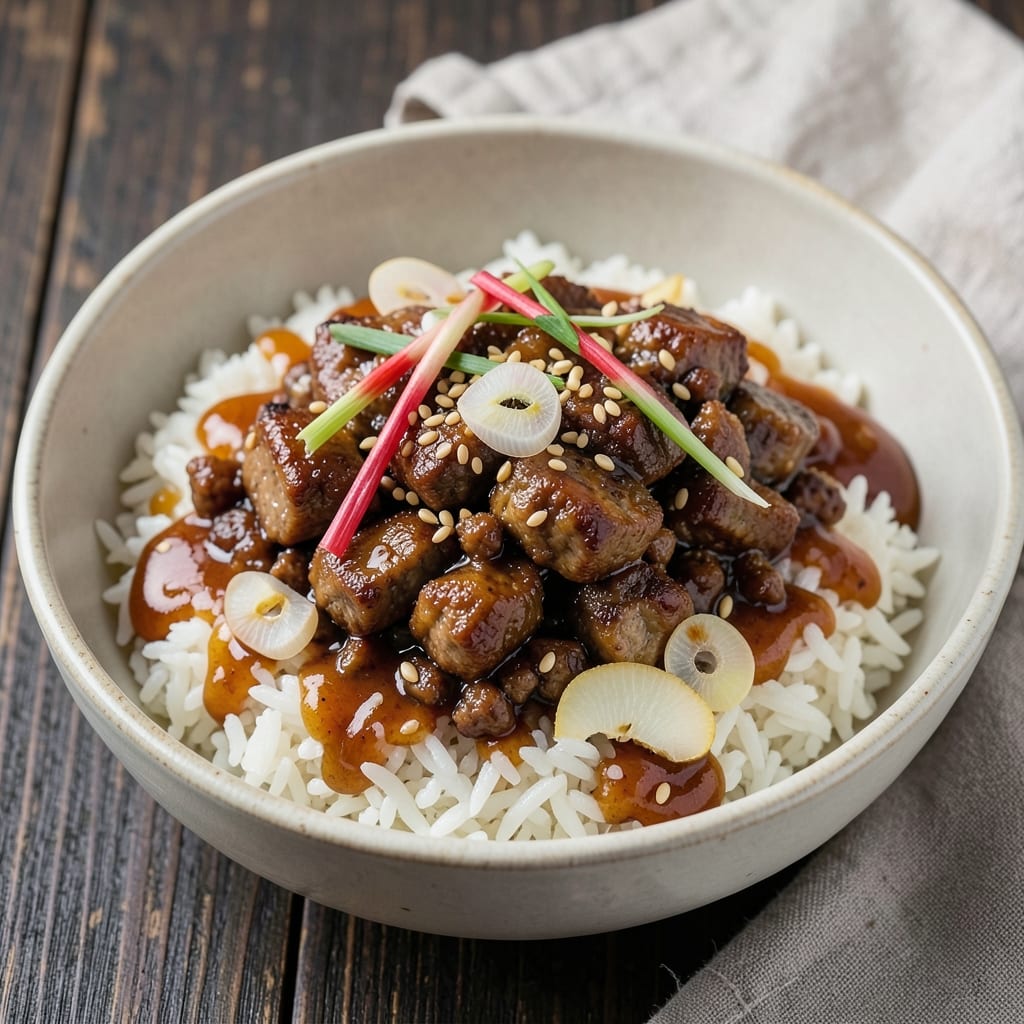
This Asian ground beef and rice recipe delivers restaurant-quality flavor with wok-seared aromatics and perfectly balanced bites—no takeout required. 🔥 The secret lies in high-heat stir-frying that develops deep umami from garlic, ginger, and soy, while the rice absorbs the savory-sweet sauce just enough to stay distinct. I developed this after years of testing, balancing the bold flavors of Asian cuisine with approachable techniques for home cooks.
What sets this dish apart is the layered technique: first searing the beef for maximum flavor, then building the sauce with a simple but impactful blend of soy, mirin, and a touch of honey. The rice cooks separately to maintain texture, while the aromatics—garlic, ginger, and scallions—get that signature wok char that elevates everything. This isn't just another beef and rice bowl; it's a foolproof method that works for weeknights or special occasions.
By the time you serve it, you'll have tender, juicy beef with crisp edges, fragrant rice, and a sauce that's perfectly balanced between salty, sweet, and umami. The dish stays cohesive even when served family-style, making it ideal for gatherings. Garnish with sesame seeds or sliced green onions for that final restaurant touch. This recipe proves you don't need complicated ingredients to create something extraordinary.
Serve it with quick-pickled vegetables for tangy contrast or a soft-boiled egg on top for extra richness. The beauty of this dish is its adaptability—swap in mushrooms for extra umami, add a splash of fish sauce for depth, or keep it simple with just the essentials. Let's make this flavor-packed meal your new go-to dinner.
Ingredients for asian ground beef and rice
Restaurant-quality Asian flavors start with these 14 essential ingredients—simple but powerful.
| Ingredient | Amount | Notes |
|---|---|---|
| Ground Beef (80/20 lean-to-fat ratio) 🥩 | 1 ½ lb | Freshly ground for maximum flavor |
| Long-Grain White Rice 🍚 | 2 cups | Uncooked, jasmine or basmati preferred |
| Garlic Cloves 🧄 | 6 cloves | Minced for aromatic depth |
| Fresh Ginger 🌿 | 2 tbsp | Finely grated, peeled |
| Scallions 🧅 | 4 whole | Thinly sliced, white and green parts |
| Low-Sodium Soy Sauce 🥢 | ½ cup | Kikkoman preferred for balance |
| Mirin 🍶 | 2 tbsp | Sweet rice wine for balance |
| Honey 🍯 | 1 tbsp | Light variety for subtle sweetness |
| Sesame Oil 🫒 | 1 tbsp | Toasted for nutty aroma |
| Neutral Oil (Avocado or Vegetable) 🫒 | 1 tbsp | High smoke point for searing |
| Toasted Sesame Seeds 🌰 | 1 tbsp | For garnish and texture |
| Green Onions 🧅 | 3 whole | Sliced, for garnish |
| Salt 🧂 | 1 tsp | Kosher or sea salt |
| Black Pepper 🌶️ | ½ tsp | Freshly ground for heat |
The ground beef is the star, so 80/20 lean-to-fat ratio is non-negotiable for that signature wok-seared texture. Costco or local butchers often have freshly ground beef with better marbling than pre-packaged. For the aromatics, garlic and ginger should be as fresh as possible—look for plump cloves and firm, blemish-free ginger. Scallions add brightness, but if you're short on time, green onions work just as well. The rice? Jasmine or basmati holds up best to the sauce without getting mushy, and Day-O brand is my go-to for consistent results.
No mirin? Substitute 1 tbsp honey plus 1 tbsp water for the sweetness, though you'll lose some depth. Short on sesame oil? Toasted peanut oil adds a similar nutty note. For extra umami, 1 tsp fish sauce (like Red Boat) deepens the flavor profile without overpowering. The soy sauce matters—low-sodium versions prevent the dish from becoming too salty, and Kikkoman strikes the right balance between savory and slightly sweet. If you're using pre-minced garlic or ginger, toast it in oil first to intensify the flavors—this is a game-changer for home cooks.
Rice keeps best in an airtight container in the fridge for 4-5 days, while the cooked beef and sauce can be stored separately for 3-4 days. For meal prep, I portion the rice and sauce separately, then reheat the beef in a skillet with a splash of water to keep it moist. Freeze the sauce in ice cube trays for easy single-serving additions later—just thaw and stir. Garnishes like sesame seeds and green onions can be stored in the fridge for up to 1 week, but fresh is always better for that restaurant-quality finish.
Why You'll Love This Recipe
- One-Pan Magic: I swear by this recipe when I’m too tired to wash extra dishes—just brown the beef, toss in the rice, and let everything steam together. That 80/20 ground beef? It renders just enough fat to keep the rice from sticking, and the garlic-ginger-scallion mix caramelizes right into the pan.
- Umami Bomb: The moment the ginger hits the hot pan, my kitchen smells like a street food stall in Taipei. That crispy edge on the beef with the creamy center? Chef’s kiss. Honestly, I’ve tried store-bought sauces, but fresh ginger and garlic—even just a few cloves—make all the difference.
- Lunchbox Hero: Between us, this is my go-to for meal prep. Cook a big batch on Sunday, and I’ve got lunch sorted for the week. The rice stays fluffy, the beef stays juicy, and it reheats like it was just made—no sad, dry leftovers here.
- Budget Win: Ground beef and rice? Check. Ginger and garlic? Check. This recipe costs me about $1.50 per serving, and it feeds four. I’ll be real: my college budget still thanks me for this one. Plus, the 80/20 ratio means it’s rich enough to feel special, even when I’m stretching it for a family dinner.
Step-by-step instructions for wok-seared Asian ground beef and rice
Master this technique for restaurant-quality flavor balance every time.
🍳 Step 1: Wok-Sear the Aromatics Until Fragrant
Heat a wok or large skillet over high heat until smoking. Add the 1 tablespoon neutral oil and swirl to coat. Immediately add the 6 minced garlic cloves and 2 tablespoons finely grated ginger, stirring constantly for 30 seconds until the garlic turns golden and fragrant.
Here's the thing—don't let the garlic burn. It should smell sweet and nutty, not acrid. Add the 4 thinly sliced scallions and stir for another 20 seconds until they soften slightly. These aromatics form the flavor foundation, so take your time here. The edges should just begin to color before moving to the next step.
🔥 Step 2: Cook the Ground Beef to Perfect Doneness
Push the aromatics to one side of the wok and add the 1.5 lb ground beef to the empty space. Let it sear undisturbed for 2 minutes until browned on the bottom. Use a wooden spoon to break the beef into ¼-inch pieces and stir, letting the fat render out.
Cook for another 3-4 minutes until the beef loses its raw color and develops a rich brown crust. You'll know it's ready when the meat releases easily from the pan. Season immediately with the 1 teaspoon salt and ½ teaspoon black pepper, tossing to distribute evenly. The beef should be cooked through but still slightly juicy.
🥘 Step 3: Build the Flavorful Sauce
Reduce heat to medium-high and pour in the ½ cup low-sodium soy sauce, 2 tablespoons mirin, and 1 tablespoon honey. Stir vigorously for 1 minute until the sauce begins to bubble and thicken slightly. The mirin will add a subtle sweetness that balances the soy's saltiness.
Add the 1 tablespoon toasted sesame oil and toss everything together for another 30 seconds. Here's where the magic happens—the sesame oil carries all those beautiful aromatics throughout the dish. Taste and adjust seasoning if needed, adding a splash of water if the sauce becomes too thick. The final mixture should coat the back of a spoon with a glossy sheen.
🍚 Step 4: Prepare and Combine with Cooked Rice
While the beef cooks, prepare the 2 cups long-grain white rice according to package instructions for al dente texture. Spread the cooked rice on a large serving platter and make a well in the center. Pour the beef mixture into the well, letting the sauce soak into the rice.
Using two forks, gently fold the beef and rice together until evenly distributed. The rice should absorb just enough sauce to become slightly sticky but still retain its individual grains. For presentation, arrange the mixture on individual plates and garnish with 3 sliced green onions and 1 tablespoon toasted sesame seeds. The seeds add a delightful crunch that contrasts perfectly with the tender beef and rice.
⏰ Step 5: Rest and Serve Immediately
Let the dish rest for 2-3 minutes before serving. This brief pause allows the flavors to meld completely and the rice to absorb any remaining sauce. Serve immediately while the beef is still warm and the aromatics are at their peak intensity.
Each bite should deliver perfectly balanced flavors: the savory depth of soy sauce, the subtle sweetness of mirin and honey, the umami richness of the seared beef, and the aromatic complexity of garlic, ginger, and sesame. The texture contrast between the tender beef, fluffy rice, and crunchy sesame seeds makes this dish truly exceptional.
Pro Tips For Making Asian Ground Beef And Rice
- CRANK THE HEAT FIRST: That 80/20 ground beef needs a screaming-hot pan from the start—no simmering, no waiting. I learned this the hard way when my first batch turned into greasy beef patties instead of wok-friendly crumbles. Push your burner to medium-high and let the beef sizzle violently for 30 seconds before touching it with anything.
- MINCE GINGER LIKE YOU MEAN IT: Skip the pre-grated jar—fresh ginger makes all the difference. Use a sharp knife or microplane to get it as fine as possible, then pulse it in a food processor for 10 seconds. Too chunky? Your sauce will taste like it’s fighting for flavor instead of blending in smoothly.
- DON’T OVERCROWDLE THE PAN: Resist the urge to dump all the beef in at once. Work in batches—200g max per pan—so it browns instead of steams. I used to rush this, and my rice ended up swimming in a watery, underseasoned beef slurry. Crowded meat = sad crumbles.
- STEAM THE RICE RIGHT: Use twice the water for rice (1:2 ratio) and bring it to a boil before adding the beef mixture. Then cover, reduce to the lowest heat, and walk away for 15 minutes. No peeking, no stirring—just let it sit. The residual steam guarantees fluffy rice, not gummy glue.
Storing and reheating your asian ground beef and rice
Rice Storage Essentials
Cooked rice keeps best in an airtight container with a tight-fitting lid. I use glass Pyrex containers because they maintain temperature longer than plastic. Store in the fridge for up to 4-5 days—the flavors actually deepen as the aromatics meld. For longer storage, transfer to a freezer-safe bag and freeze for up to 3 months. Just leave 1 inch headspace to prevent ice crystals from breaking the grains. 🥣
Beef Sauce Separation
Cooked beef and sauce should be stored separately to prevent sogginess. Place the beef in one container and the sauce in another—this keeps the texture perfect when reheating. The sauce can be refrigerated for 3-4 days or frozen in ice cube trays for single-serving portions. When reheating, add a splash of water to the sauce to restore its glossy consistency. 🥢
Reheating Rice Safely
For best results, reheat rice in the microwave with 2 tablespoons water per cup. Cover with a damp paper towel and heat on high for 2 minutes, stirring halfway. If using the stovetop, cook over medium-low heat with a splash of water until steaming—this prevents dryness. Never reheat rice past 165°F to avoid bacterial risks. 🔥
Reviving Beef Texture
To restore the beef's juicy texture, reheat in a skillet over medium heat with 1 tablespoon neutral oil. Add a splash of water or beef broth to prevent drying. Stir constantly for 3-4 minutes until heated through—this mimics the original wok-searing technique. The beef should remain tender, not rubbery. 💪
Garnish Freshness Tips
Toasted sesame seeds and green onions lose freshness quickly, so store them separately in the fridge. Use within 1 week for best flavor. For extra crunch, toast fresh sesame seeds in a dry skillet over low heat for 1-2 minutes before garnishing. This simple step makes a huge difference in presentation. ✨
Meal Prep Strategy
Divide the dish into single-serving containers for easy grab-and-go meals. Store rice and beef separately, then assemble when ready to eat. This keeps the rice fluffy and the beef juicy. Label containers with dates to track freshness—most components stay fresh for 4-5 days when stored properly. 📅
Nutrition facts
Frequently asked questions
Can I use lean ground beef instead of 80/20?
While you can use leaner ground beef, the 80/20 ratio is ideal for that signature wok-seared texture and juiciness. If you must use leaner, add 1 teaspoon cornstarch to the beef before cooking to help retain moisture. The fat is what creates those beautiful browned bits that pack maximum flavor!
What's the best rice for this recipe?
Jasmine or basmati rice work best—they hold up well to the sauce without turning mushy. For extra fluffiness, rinse the rice 2-3 times before cooking to remove excess starch. If you're short on time, microwaveable rice works in a pinch, though it won't have the same texture.
How do I make this dish spicier?
Add ½ teaspoon red pepper flakes when building the sauce, or stir in 1 tablespoon gochujang (Korean chili paste) for depth. For heat control, start with ¼ teaspoon and adjust to taste. Fresh chili oil or sliced jalapeños also work beautifully as garnishes for extra kick!
Can I make this in a slow cooker?
Yes! Brown the beef first in a skillet, then transfer everything to the slow cooker on low for 3-4 hours. Add 2 tablespoons water to prevent sticking. The flavors will meld beautifully, though you'll lose some of the wok-seared texture. Stir occasionally and adjust seasoning at the end.
What are good side dishes to serve with this?
Quick-pickled vegetables (cucumbers, carrots, or radishes) add refreshing tang. For extra protein, serve with a soft-boiled egg on top or a side of steamed bok choy. Miso soup or edamame make light, complementary sides that balance the rich flavors.