
Salads
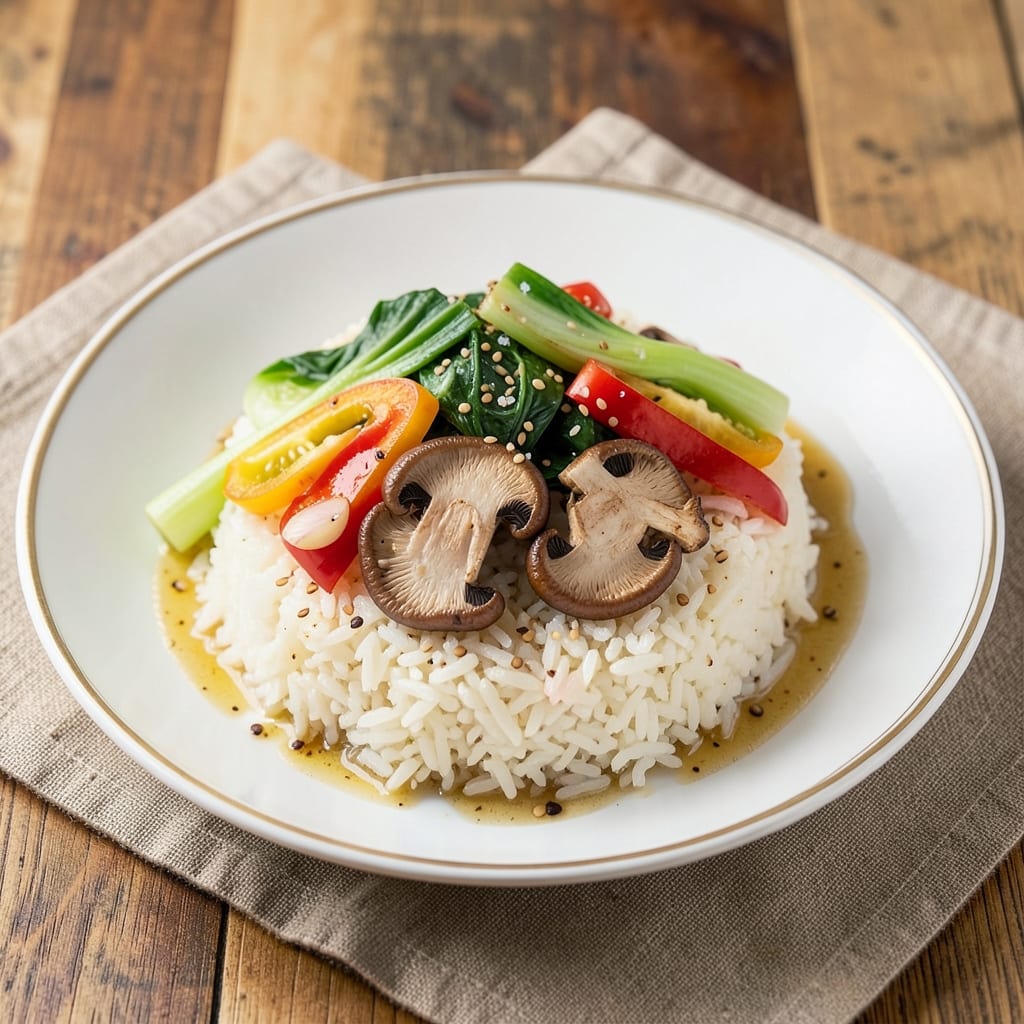
This Asian rice and vegetables recipe transforms simple ingredients into a fragrant, balanced meal that brings restaurant-quality flavors to your kitchen. 🌟 The secret lies in perfectly steamed jasmine rice paired with quick stir-fried vegetables—crisp-tender bok choy, sweet bell peppers, and earthy mushrooms—all infused with aromatic garlic, ginger, and a touch of sesame oil. I developed this dish after craving a light yet satisfying weeknight dinner that required minimal prep but maximum flavor impact.
The foundation of this recipe is fragrant jasmine rice, cooked just right to stay separate and fluffy, absorbing the subtle scents of the vegetables and seasonings. While the rice steams, the vegetables get a rapid stir-fry in a hot pan with garlic, ginger, and soy sauce, creating a caramelized glaze that adds depth. The key to success is high heat and quick cooking—this ensures the vegetables stay crisp-tender rather than turning mushy.
What you’ll end up with is a vibrant, aromatic dish that’s perfect for meal prep or a spontaneous dinner. The rice remains light and fragrant, while the vegetables deliver a satisfying crunch and sweet-savory flavor. Optional proteins like tofu, shrimp, or chicken can be added for extra substance, making this recipe adaptable to any preference.
This dish is not only quick to prepare but also packed with nutrients, offering a balance of textures and flavors that make it a standout in any meal rotation. Whether you're cooking for one or feeding a crowd, this recipe delivers restaurant-inspired results with minimal effort. Let’s get started!
Ingredients for asian rice and vegetables
Fragrant rice and crisp vegetables come together with minimal prep for restaurant-quality flavor.
| Ingredient | Amount | Notes |
|---|---|---|
| Jasmine Rice 🍚 | 1 ½ cups | Uncooked, long-grain preferred |
| Bok Choy 🥬 | 4 whole | Baby or regular, halved lengthwise |
| Bell Peppers 🌶️ | 2 whole | Any color, sliced into strips |
| Shiitake Mushrooms 🍄 | 8 whole | Stems removed, caps sliced |
| Garlic Cloves 🧄 | 4 cloves | Minced for aromatic base |
| Ginger Root 🌿 | 1 ½ tbsp | Freshly grated, finely minced |
| Sesame Oil 🫒 | 1 tbsp | Toasted for authentic flavor |
| Soy Sauce 🥢 | 3 tbsp | Low-sodium preferred |
| Vegetable Oil 🫒 | 2 tbsp | High smoke point for stir-fry |
| Green Onions 🧅 | 3 whole | Thinly sliced for garnish |
| Sesame Seeds 🌰 | 1 tbsp | Toasted for crunchy texture |
| Salt 🧂 | ½ tsp | Diamond Crystal preferred |
| Black Pepper 🌶️ | ¼ tsp | Freshly ground for warmth |
The jasmine rice is the heart of this dish—look for fragrant varieties at Whole Foods or your local Asian market. If you can't find jasmine, basmati works beautifully too. For the vegetables, freshness matters most: bok choy should be crisp with vibrant green leaves, and shiitake mushrooms should be firm and plump. The bell peppers can be any color, but yellow or red add natural sweetness that pairs perfectly with the savory mushrooms. If you're short on time, pre-cut stir-fry mixes from the frozen section work in a pinch, though fresh always tastes better.
No sesame oil? Toasted peanut oil gives a similar nutty depth, though it's not quite the same. Short on ginger? Substitute 1/2 teaspoon ground ginger, but fresh is ideal for that bright, zesty kick. The soy sauce can be tamari for gluten-free, and if you're avoiding sodium, reduce to 2 tablespoons and add a splash of water. For extra protein, add 1 cup cubed tofu or shrimp—just cook it separately and stir in at the end to keep it tender. The green onions and sesame seeds are optional but add that final restaurant-quality touch, so don't skip them if you've got them.
Rice keeps best in an airtight container in the fridge for 3-4 days, though it reheats beautifully—just add a splash of water and microwave. The stir-fried vegetables are best eaten fresh but will hold in the fridge for 2 days if stored separately. For meal prep, cook the rice and vegetables separately and combine when ready to eat. The flavors actually improve overnight as everything melds together—perfect for busy weeknights. Portion into containers with a small drizzle of sesame oil to keep everything fresh.
Why You'll Love This Recipe
- One-Pot Magic: I swear by this recipe when I’m too tired to wash dishes—just toss everything in one pot, let the rice steam with the veggies, and walk away. The shiitake mushrooms release their umami into the rice like a flavor bomb, so you end up with a dish that’s actually easier than takeout.
- Garlic-Glazed Umami: That first bite of crisp-tender bell peppers and shiitake mushrooms, kissed by garlic and a whisper of soy, is ridiculously good. The bok choy wilts just enough to soak up all the savory goodness, while the jasmine rice stays fragrant and separate—no mushy texture here.
- Meal Prep MVP: Between us, this is my go-to for busy mornings. Cook a big batch on Sunday, and you’ve got lunch for three days—just reheat and serve. (Yes, even on a Tuesday night when you’re running late.) The flavors actually improve the next day, thanks to the mushrooms and garlic deepening in the fridge.
- Budget-Friendly Feast: I’m always surprised by how little this costs to feed four. Bok choy and shiitake mushrooms stretch farther than you’d think, and jasmine rice is a pantry staple. Honestly, it’s the kind of dish where you’ll make it twice in a week because it’s that satisfying—and your wallet won’t cry.
Step-by-step instructions for fragrant jasmine basmati with stir-fried crunch
Here's how to transform simple ingredients into a restaurant-quality Asian rice bowl with perfect texture and bold flavors.
🍳 Step 1: Prepare the Jasmine Rice for Fluffy Perfection
Rinse the 1½ cups jasmine rice under cold water in a fine-mesh strainer until the water runs completely clear. This removes excess starch that can make the rice gummy. Transfer the rinsed rice to a pot and add 2 cups water (yes, it's a 1:1 ratio for this method). Bring to a boil over medium-high heat until bubbles break the surface.
Once boiling, immediately reduce heat to low, cover tightly with a lid, and let it steam for 15 minutes without peeking. The rice is done when all water is absorbed and the grains are tender but still slightly firm to the bite. Let it sit covered for 5 minutes off the heat—this resting period prevents mushiness and ensures each grain stays distinct. Fluff with a fork before serving.
🍳 Step 2: Stir-Fry the Vegetables with Perfect Texture
Heat 2 tablespoons vegetable oil in a wok or large skillet over high heat until shimmering. Add the 4 cloves minced garlic and 1½ tablespoons minced ginger root, stirring constantly for 30 seconds until fragrant but not browned. Add the 8 sliced shiitake mushrooms and 2 sliced bell peppers, stirring frequently for 3-4 minutes until the mushrooms release their moisture and begin to brown.
Push the vegetables to one side of the pan and add the 4 halved bok choy (cut-side down). Cook for 2 minutes until the stems are tender-crisp. Season with 3 tablespoons soy sauce, ½ teaspoon salt, and ¼ teaspoon black pepper, tossing everything together. The vegetables should be vibrant with a glossy sheen from the soy sauce but still retain their bite—this is the ideal stir-fry texture.
🥘 Step 3: Finish with Aromatic Touches
Lower the heat to medium and drizzle in 1 tablespoon toasted sesame oil. Immediately add the 3 tablespoons toasted sesame seeds and 3 sliced green onions, tossing everything together for 30 seconds until the sesame seeds are evenly distributed. The aroma should be rich and nutty, with a hint of garlic and ginger lingering in the air.
Taste and adjust seasoning if needed—you may want to add a splash of water or an extra pinch of salt to balance the flavors. The vegetables should be coated in a glossy sauce with visible sesame seeds and green onions scattered throughout. Serve immediately over the fluffy jasmine rice for the perfect balance of textures and flavors.
Pro Tips For Making Asian Rice And Vegetables
- STIR-FRY MUSHROOMS FIRST: I learned this the hard way—shiitake mushrooms take forever to soften if you toss them in last. Slice them thick (¼-inch) and cook them alone in the wok for 3-4 minutes with a splash of water or soy sauce before adding the rest. They’ll release their umami into the pan, and you won’t end up with dry, rubbery caps.
- SALT THE BOK CHOY: Bok choy wilts into a sad, limp pile if you don’t prep it right. Cut it in half lengthwise, then sprinkle the cut sides with ½ teaspoon of salt and let it sit for 5 minutes. Rinse and drain—this removes bitterness and keeps the texture crisp. (Yes, even if you’re impatient like me.)
- USE HIGH HEAT FOR PEPPERS: Bell peppers turn mushy if you cook them on medium. Crank the heat to high and blister them for just 1-2 minutes—you want charred edges, not a soggy mess. Toss them out of the pan once they soften, then add back at the end to lock in their crunch.
- COOK RICE SEPARATELY: This isn’t the prettiest method, but it’s the tastiest. Jasmine rice absorbs flavors better when cooked plain and added to the stir-fry at the very end. Fluff it into the pan for the last 30 seconds—it’ll soak up the garlic, soy, and veggie juices perfectly. (Your future self will thank you.)
Best sauces and condiments for this dish
Classic Soy-Ginger Base
Start with a simple yet powerful foundation: 3 tablespoons low-sodium soy sauce and 1½ tablespoons freshly grated ginger (about ½-inch piece). The soy sauce provides that signature umami depth, while the ginger adds a bright, zesty kick that cuts through the richness of the mushrooms. I like to toast the ginger in the oil for 30 seconds before adding other ingredients—this deepens its flavor and releases those aromatic oils. 🌿
Sweet-Savory Glaze
For a touch of natural sweetness that balances the savory notes, add 1 tablespoon honey or 1 teaspoon brown sugar to your sauce mixture. This works especially well with bell peppers, which caramelize beautifully when exposed to heat. I often use Kikkoman Soy Sauce for its balanced flavor, but Lee Kum Kee Oyster Sauce (just 1 teaspoon) adds a luxurious depth that pairs perfectly with shrimp or chicken. 🍯
Umami Boosters
Elevate your dish with 1 teaspoon fish sauce or 1 tablespoon hoisin sauce for an extra layer of complexity. The fish sauce adds a salty, funky depth that’s essential in many Southeast Asian dishes, while hoisin brings a slightly sweet, tangy richness. For a vegetarian option, 1 tablespoon soy sauce mixed with ½ teaspoon mushroom powder mimics that umami punch. Trust me, these small additions make a huge difference in flavor. 💫
Sesame Oil Magic
Finish with 1 tablespoon toasted sesame oil—this is non-negotiable for that authentic Asian flavor. The oil should be added at the very end over low heat to preserve its delicate aroma. I recommend Kadoya Toasted Sesame Oil for its rich, nutty taste. A quick tip: If you don’t have sesame oil, toasted peanut oil works in a pinch, though it won’t be quite the same. 🫒
Spicy Kick
For heat lovers, stir in ½ teaspoon chili crisp or ½ teaspoon gochujang (Korean chili paste) during the final toss. The chili crisp adds a smoky, spicy depth, while gochujang brings a sweet, tangy heat. If you prefer fresh heat, add 1 teaspoon minced Thai bird’s eye chili or ½ teaspoon red pepper flakes—just be mindful of the heat level. 🌶️
Fresh Herbs Finish
Brighten the dish with 2 tablespoons chopped cilantro or 1 tablespoon sliced Thai basil at the very end. These herbs add a fresh, almost minty contrast to the rich, savory flavors. I also love sprinkling 1 teaspoon lime zest over the top for a citrusy lift that cuts through the oiliness. Garnish with extra sesame seeds for crunch and visual appeal. 🌿
Nutrition facts
Frequently asked questions
Can I use any type of rice for this recipe?
While jasmine rice is ideal for its fragrant aroma, you can substitute with basmati rice or even sticky rice if you prefer. For basmati, use a 1:1.25 rice-to-water ratio, and for sticky rice, follow package instructions—it requires more water and a longer cooking time. The texture will differ slightly, but the flavor pairing with the vegetables remains excellent.
How do I prevent the vegetables from getting mushy?
The key is high heat and quick cooking. Make sure your wok or skillet is smoking hot before adding the vegetables, and stir constantly. Overcrowding the pan also causes steaming instead of searing. Cook in batches if needed, and add bok choy last—it's the most delicate and cooks fastest. Aim for 3-4 minutes total for the stir-fry.
What if I don't have sesame oil?
You can use toasted peanut oil or even avocado oil as a substitute, though they won't provide the exact same nutty aroma. For a similar flavor without oil, try 1 teaspoon toasted sesame seeds mixed with 1/2 teaspoon ground coriander as a dry garnish. The dish will still taste delicious, just with slightly different depth.
Can I make this recipe ahead of time?
Cook the rice and vegetables separately, then store them in airtight containers in the fridge for up to 4 days. Reheat the vegetables in a pan with a splash of water to restore crispness, and microwave the rice with a damp paper towel over it. The flavors actually improve overnight as everything melds together—perfect for meal prep!
What's the best way to add protein?
For extra protein, add 1 cup cubed tofu (press and pan-fry first), 1/2 pound shrimp (cook separately for 2 minutes), or 1/2 pound chicken breast (slice thin and cook until just done). Stir in proteins at the very end to keep them tender. For vegetarian options, consider adding edamame or tempeh—both pair beautifully with the stir-fry flavors.