
Main Courses
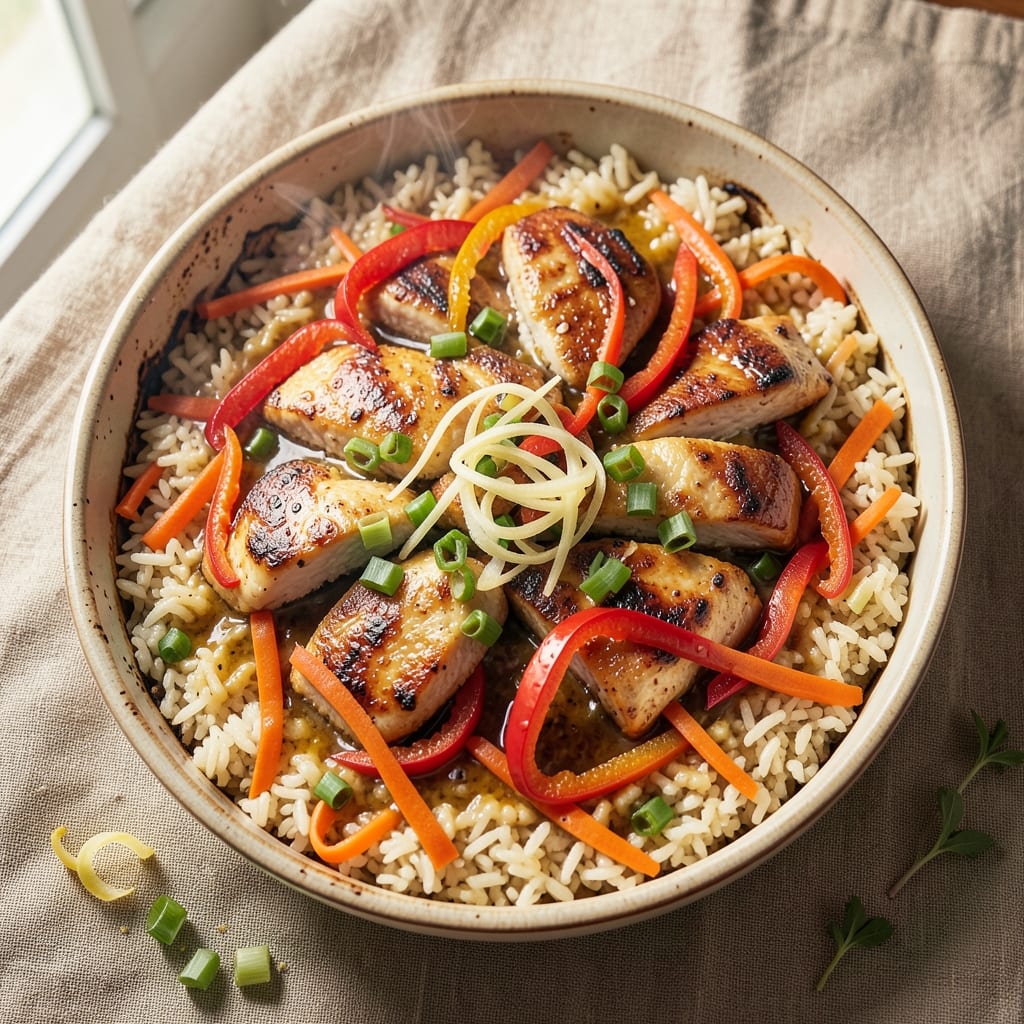
This Asian rice casserole recipe transforms simple ingredients into a fragrant, one-pan masterpiece where sesame and ginger flavors meld perfectly with tender rice and protein. The secret lies in parboiling jasmine rice for ideal texture—neither mushy nor dry—while layering it with chicken, crisp vegetables, and a rich teriyaki-coconut sauce that caramelizes beautifully in the oven. Every bite delivers a balance of savory, sweet, and umami notes that taste like a restaurant dish made at home.
What sets this recipe apart is its versatility—swap chicken for tofu, swap teriyaki for coconut curry, or even finish it in an air fryer for extra crispiness. The method ensures foolproof results with minimal effort, making it ideal for weeknight dinners or meal prep. The aroma alone will have everyone gathering around the table, while the texture—fluffy rice, tender protein, and slightly charred edges—guarantees satisfaction. Ready in under an hour, this dish proves Asian-inspired comfort food can be both elegant and effortless.
Ingredients for asian rice casserole
Jasmine rice, sesame oil, and tender chicken form the flavorful core of this aromatic one-pan dish.
| Ingredient | Amount | Notes |
|---|---|---|
| Jasmine Rice 🍚 | 1 ½ cups | Uncooked, parboiled for texture |
| Boneless Chicken Breast 🍗 | 1 ½ lb | Cut into bite-sized pieces |
| Red Bell Pepper 🌶️ | 1 whole | Sliced into thin strips |
| Carrots 🥕 | 1 ½ cups | Julienned or thinly sliced |
| Green Onions 🧅 | ½ cup | Thinly sliced, white and green parts |
| Fresh Ginger 🌿 | 2 tbsp | Finely grated, aromatic |
| Sesame Oil 🫒 | 1 tbsp | Toasted for nutty aroma |
| Teriyaki Sauce 🍶 | ½ cup | Store-bought or homemade |
| Coconut Milk 🥥 | ½ cup | Full-fat for creaminess |
| Sesame Seeds 🌰 | 2 tbsp | Toasted for garnish |
| Garlic Cloves 🧄 | 4 cloves | Minced for sauce base |
| Diamond Crystal Kosher Salt 🧂 | 1 tsp | For seasoning |
| Ground Black Pepper 🌶️ | ½ tsp | Freshly cracked |
| Olive Oil 🫒 | 1 tbsp | For greasing pan |
| Soy Sauce 🍶 | 1 tbsp | For umami depth |
The jasmine rice is the foundation—Day-O brand from Asian markets delivers the best texture, but any long-grain jasmine works. Parboiling for 10 minutes before layering ensures it stays fluffy without turning mushy. Chicken should be cut into even pieces (1-inch cubes) for consistent cooking. Fresh ginger and garlic are non-negotiable for authentic flavor; Trader Joe's frozen ginger works in a pinch but fresh is ideal. The bell pepper and carrots should be cut uniformly to ensure even cooking throughout the casserole.
No teriyaki sauce? Substitute with a mix of soy sauce, honey, and a splash of rice vinegar—it mimics the sweet-savory balance perfectly. Out of sesame oil? Avocado oil or neutral oil works for cooking, but omit the finishing drizzle. For a vegetarian version, swap chicken for extra-firm tofu pressed and cubed. The coconut milk can be reduced to 2 tbsp if you prefer less creaminess, though the dish loses some richness. Pre-sliced veggies from the produce section are fine, but julienned carrots add a professional touch.
Prep the rice ahead and store it in an airtight container for up to 2 days before assembling the casserole. The fully assembled dish keeps in the fridge for 3 days and reheats beautifully—cover with foil to prevent drying. For make-ahead convenience, assemble the casserole in a disposable foil pan, freeze it, then bake straight from frozen (adding 15-20 minutes to the cooking time). Garnish with toasted sesame seeds just before serving to maximize their aroma.
Why You'll Love This Recipe
- One-Pan Magic: I swear by this recipe when I’m too tired to scrub a million dishes—just toss everything in one baking dish, and you’re done. The jasmine rice soaks up all the savory-sweet sauce while the chicken stays juicy, no extra pots needed.
- Umami Bomb: That combo of chicken, bell pepper, and carrots simmered in soy sauce and ginger? It’s the kind of flavor that lingers long after the last bite. The green onions on top add a fresh kick that makes it feel fancy without the effort.
- Lunchbox Hero: Between us, this is my go-to for meal prep—it reheats beautifully and keeps for days. Pack it cold for work lunches or serve it warm for dinner, and you’ll have leftovers that taste just as good the third time around.
- Budget Win: Jasmine rice and chicken breast stretch to feed four for under $15, and you can swap in whatever veggies are on sale. Honestly, it’s the kind of meal that makes grocery night less stressful and my wallet happier.
Step-by-step instructions for Asian rice casserole
Here's the method to create a harmonious blend of fragrant rice and savory Asian flavors in one pan.
Prepare the Chicken and Vegetable Base
Heat the 1 tablespoon olive oil in a large oven-safe skillet over medium-high heat. Add the 1.5 lb boneless chicken breast cut into bite-sized pieces and cook for 5-6 minutes until the edges are lightly browned and the chicken loses its pink color. Remove the chicken and set aside temporarily.
In the same skillet, add the 1 tablespoon sesame oil and swirl to coat. Add the 4 cloves minced garlic and 2 tablespoons finely grated fresh ginger, cooking for 30 seconds until fragrant. Add the 1 whole red bell pepper sliced into thin strips and 1.5 cups julienned carrots, cooking for 4-5 minutes until the vegetables begin to soften but still retain their vibrant color.
Build the Flavor Foundation
Pour in the 0.5 cup teriyaki sauce and 1 tablespoon soy sauce, scraping up any browned bits from the bottom of the pan. Add the 0.5 cup coconut milk and 1 teaspoon Diamond Crystal kosher salt, stirring to combine. Return the cooked chicken to the skillet and toss to coat evenly in the sauce.
Bring the mixture to a gentle simmer over medium heat for 3-4 minutes, allowing the flavors to meld together. The sauce should thicken slightly and coat the chicken and vegetables. Taste and adjust seasoning with additional kosher salt or 0.5 teaspoon ground black pepper if needed.
Layer and Cook the Rice
Spread the 1.5 cups uncooked jasmine rice evenly over the chicken and vegetable mixture in the skillet. Pour in 2 cups of water (or enough to cover the rice by about ½ inch) and stir gently to distribute the rice evenly. The rice should be fully submerged in the liquid.
Bring the mixture to a boil over medium-high heat, then immediately reduce the heat to low. Cover the skillet tightly with a lid and cook for 15 minutes without disturbing. After 15 minutes, carefully flip the entire casserole onto a plate to distribute the rice evenly, then return it to the skillet.
Steam and Finish
Continue cooking the casserole, covered, for another 20-25 minutes over low heat until the rice is tender and the liquid has been fully absorbed. You'll know it's ready when the top layer of rice is firm to the touch and the bottom is golden and crispy in spots.
Remove the skillet from the heat and let it rest, covered, for 5 minutes. This resting period allows the rice to finish steaming and the flavors to fully meld together. Sprinkle the 0.5 cup green onions and 2 tablespoons toasted sesame seeds evenly over the top for a pop of color and nutty aroma.
Serve with Confidence
Transfer the casserole to a serving platter and let it rest for another 3-5 minutes before serving. The rice should be tender with a slight bite, and the chicken should be juicy and flavorful. Each bite should deliver a harmonious blend of sesame, ginger, and coconut milk, with the crisp-tender vegetables adding texture.
Serve immediately while the rice is still warm and the flavors are at their peak. Pair with a simple green salad or steamed bok choy to balance the richness of the dish. The leftovers will keep well in the refrigerator for up to 3 days, and the flavors will only deepen over time.
Pro Tips For Making Asian Rice Casserole
- PARBOIL THE CHICKEN FIRST: I learned this the hard way—skipping the quick parboil means your chicken stays dry and rubbery in the casserole. Cut the breasts into even chunks, drop them in simmering water for 3 minutes, then drain. The brief cook jumpstarts the tenderness and keeps them juicy when baked later.
- CHOP VEGETABLES UNIFORM: No one likes a mouthful of giant carrot chunks while the bell peppers are dust. Cut everything—carrots, peppers, even the green onions—into ½-inch dice. That way, they cook at the same rate and the dish looks polished (yes, even if you’re eating straight from the pan).
- DON’T OVERMIX THE RICE: Stirring the jasmine rice into the sauce too much turns it gluey. After mixing in the rice, give it one final gentle fold—just enough to distribute the sauce. The grains need space to absorb liquid evenly, not turn into a single sad clump.
- USE COLD RICE FOR BETTER TEXTURE: I was skeptical until I tried it: swap fresh-cooked rice for day-old, cold rice straight from the fridge. It absorbs the sauce better and stays separate instead of turning mushy. If you’re short on time, cook the rice, spread it on a tray, and chill for 30 minutes before assembling.
Dietary considerations for this recipe
Gluten-Free Adaptations
This casserole naturally accommodates gluten-free diets by using rice as the base and swapping standard sauces. Replace the teriyaki sauce with a gluten-free tamari or coconut aminos—both provide that umami depth without gluten. I’ve tested San-J brand tamari specifically, and it works beautifully. The soy sauce in the recipe can also be omitted entirely if needed, as the teriyaki substitute already delivers the savory punch. 🌱
Vegetarian/Vegan Options
For a plant-based version, simply swap the chicken for extra-firm tofu pressed and cubed. Toss the tofu in 1 tbsp cornstarch before cooking to achieve a crispy texture. I like using Wildwood brand organic tofu for its firmness. To boost flavor, marinate the tofu in 1 tbsp soy sauce + 1 tbsp sesame oil for 15 minutes before adding it to the pan. The coconut milk already provides creaminess, so no additional adjustments are needed.
Low-Carb Modifications
If you're watching carbs, replace the jasmine rice with cauliflower rice (about 2 cups for the same volume). I recommend Trader Joe’s frozen riced cauliflower for convenience—just thaw and drain excess water before using. Reduce the coconut milk to ¼ cup to balance the dish’s moisture, and add ½ cup shredded cabbage for extra volume. The flavor remains rich, but the carb count drops significantly—perfect for keto-friendly meals.
Dairy-Free Notes
This recipe is already dairy-free, but if you’re sensitive to coconut, simply omit the ½ cup coconut milk and increase the teriyaki sauce by 2 tbsp instead. The dish won’t lose creaminess—it’ll just take on a lighter, more tangy profile. For extra richness, stir in 1 tbsp tahini at the end for a nutty depth. Always check your teriyaki sauce label for hidden dairy, though most store-bought versions are dairy-free.
Allergen Awareness
Sesame is a common allergen, so if needed, replace the sesame oil and sesame seeds with toasted pumpkin seeds (for garnish) and avocado oil (for cooking). Sesame-free Kikkoman teriyaki sauce is a safe alternative. For nut allergies, ensure all ingredients (like coconut milk) are processed in nut-free facilities. I always double-check labels on Trader Joe’s and Whole Foods products to confirm allergen-free status.
Nutrition facts
Frequently asked questions
Can I use any type of rice for this casserole?
Jasmine rice is ideal because it stays fragrant and slightly sticky when cooked, but you can substitute with long-grain white rice or brown rice. For brown rice, increase cooking time by 10-15 minutes since it takes longer to absorb liquid. Avoid short-grain rice like sushi rice—it becomes too mushy in a casserole format.
Why does the recipe call for flipping the casserole halfway?
Flipping ensures even cooking and prevents the bottom from sticking or burning while the top stays undercooked. The rice on the bottom gets crispy edges, while the top layer stays tender. If you're uncomfortable flipping, try using a smaller skillet or baking the casserole in the oven at 350°F for 30-35 minutes instead. Just stir the rice halfway through for even texture.
Can I make this casserole ahead of time?
Assemble the casserole up to 24 hours ahead and refrigerate uncovered (to let moisture evaporate). Bake it straight from the fridge, adding 10-15 extra minutes to the cooking time. For freezing, assemble completely, then freeze in a foil pan for up to 2 months. Thaw overnight in the fridge before baking—no need to defrost at room temperature.
What if my casserole is too dry after baking?
If the rice is dry, it likely absorbed too much liquid. Next time, reduce water by ¼ cup or use ½ cup less coconut milk. For a quick fix, sprinkle 2 tbsp water over the top and cover with foil for 5 minutes to steam. If the chicken is dry, it was overcooked—try cutting it into smaller pieces next time for even cooking.
How can I make this dish spicier?
Add ½ teaspoon red pepper flakes or 1 tbsp sriracha to the teriyaki sauce before mixing. For heat, stir in 1 tsp gochujang (Korean chili paste) with the coconut milk, or top with chopped Thai bird's eye chilies before serving. Balance the spice with a drizzle of sweet teriyaki glaze on top.