
Salads
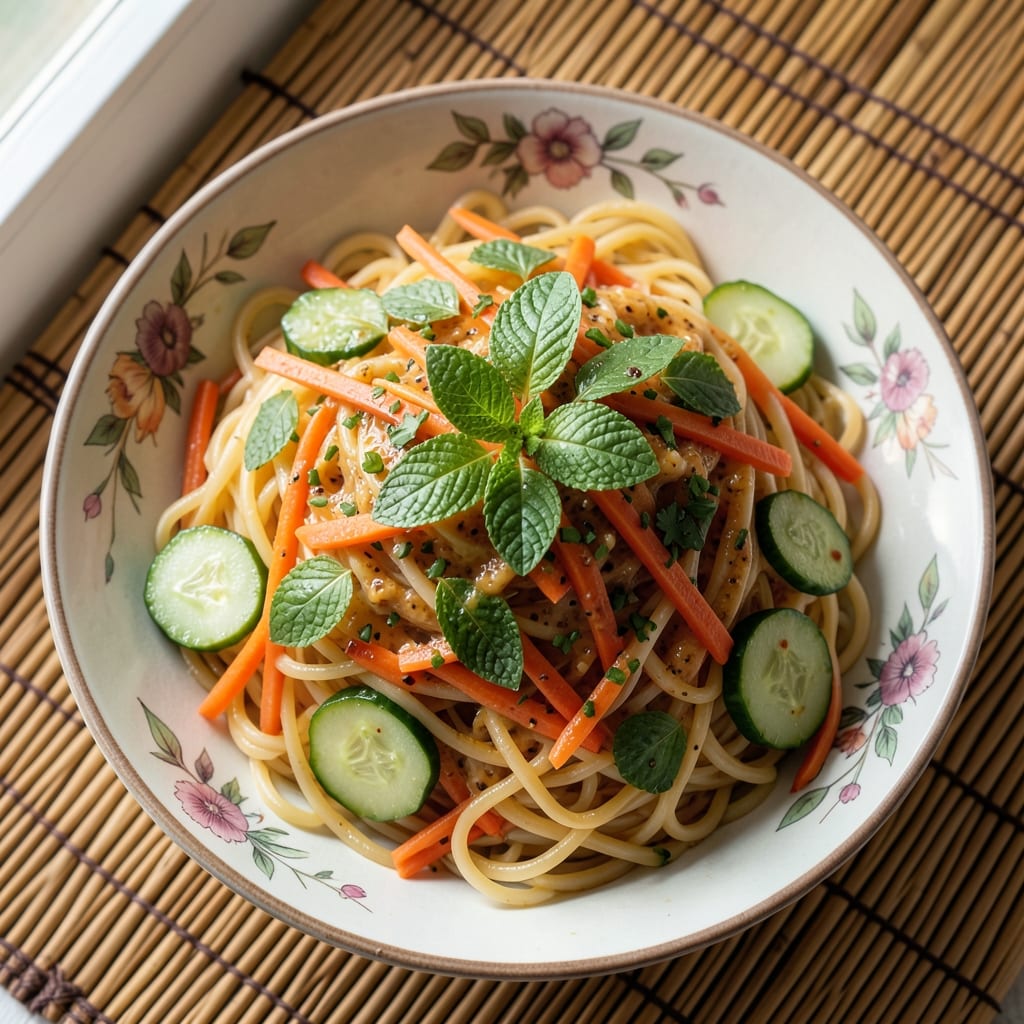
This Asian rice noodle salad recipe transforms simple ingredients into a vibrant, Vietnamese-inspired dish bursting with fresh herbs and bright flavors. The key lies in perfectly cooked rice noodles that hold their shape while absorbing the tangy, aromatic dressing. I developed this recipe after years of experimenting with Southeast Asian salads, balancing traditional techniques with modern convenience—no wok required.
The foundation starts with wide rice noodles, quickly blanched in boiling water until just tender (about 2 minutes), then immediately shocked in ice water to stop cooking. This ensures they stay al dente and don't turn mushy. Fresh herbs like mint, cilantro, and Thai basil form the heart of the salad, while shredded carrots and cucumber add crunch. For protein, grilled chicken, shrimp, or tofu can be added—each brings its own texture and flavor profile.
What makes this salad special is the dressing—a harmonious blend of fish sauce, lime juice, and a touch of coconut aminos that creates depth without overpowering. The result is a dish that's light yet satisfying, packed with freshness but complex enough to stand as a main course. Every bite delivers a perfect balance of textures and flavors that transport you to a bustling Vietnamese street market.
This recipe works equally well as a refreshing lunch or a light dinner, and it's adaptable for dietary preferences—just swap in your preferred protein or make it vegetarian. The assembly is simple: toss everything together just before serving to maintain crispness. Here's how to create this vibrant, herb-packed salad that's as beautiful as it is delicious.
Ingredients for asian rice noodle salad
Fresh herbs and perfectly cooked rice noodles form the vibrant heart of this Vietnamese-inspired dish.
| Ingredient | Amount | Notes |
|---|---|---|
| Wide Rice Noodles 🍜 | 8 oz | Flat, medium-width variety |
| Fresh Mint Leaves 🌿 | ½ cup | Stems removed, loosely packed |
| Fresh Cilantro Leaves 🌿 | ½ cup | Stems removed, loosely packed |
| Thai Basil Leaves 🌿 | ¼ cup | Bright green, stems removed |
| Carrots 🥕 | 2 whole | Shredded, medium size |
| English Cucumber 🥒 | 1 whole | Seedless, thinly sliced |
| Red Bell Pepper 🌶️ | 1 whole | Thinly sliced, seeds removed |
| Fish Sauce 🍶 | 2 tbsp | Red Boat brand preferred |
| Lime Juice 🍋 | 3 tbsp | Freshly squeezed |
| Coconut Aminos 🥫 | 1 tbsp | Or sub with soy sauce |
| Sesame Oil 🫒 | 1 tsp | Toasted, for aroma |
| Garlic Cloves 🧄 | 3 cloves | Minced, fresh preferred |
| Ginger 🌿 | 1 tsp | Freshly grated |
| Honey 🍯 | 1 tsp | Or agave for vegan option |
| Vegetable Oil 🫒 | 1 tbsp | For blanching noodles |
The rice noodles are non-negotiable for texture. Thai Kitchen brand or similar flat noodles work best—they hold their shape perfectly when blanched. Look for packages labeled 'rice vermicelli' or 'pad Thai noodles' at Asian markets or the international aisle of major grocery stores like Whole Foods. Fresh herbs are the soul of this salad: Thai basil (not Italian basil) gives that signature anise flavor, while mint and cilantro add brightness. Buy herbs in small bunches and store them wrapped in damp paper towels—they'll last 5-7 days in the fridge.
No fish sauce? Soy sauce plus a pinch of sugar works in a pinch, though it won't have the same umami depth. Running short on coconut aminos? Low-sodium soy sauce is a decent swap, but reduce to 1 tbsp since it's saltier. The dressing ratio is key: 1:1:1 fish sauce to lime to coconut aminos creates that perfect balance. For extra crunch, swap the cucumber for jicama or daikon radish—both hold up beautifully. The carrots can be pre-shredded from a bag if you're short on time, but fresh-shredded has better texture.
Prep the dressing last—it oxidizes quickly. Store components separately: herbs in one container, veggies in another, and dressing in a small jar. Keeps 3 days in the fridge if sealed tightly. The noodles? Cook them fresh—they lose texture when reheated. If you must prep ahead, blanch the noodles, rinse with cold water, and store in a sealed container with a damp paper towel. They'll last 2 days this way, though texture will be slightly softer. Assemble just before serving to maintain crispness.
Why You'll Love This Recipe
- No-Cook Prep Magic: I swear by the 10-minute soak-and-chop method—just toss the wide rice noodles in warm water, let them soften while I slice carrots into matchsticks (no julienne skills needed). The herbs? Tear them by hand—no knives, no fuss, just freshness.
- Herb-Packed Punch: That trio of mint, cilantro, and Thai basil? It’s like a flavor explosion in every bite. The Thai basil adds a peppery depth, while the mint brightens it up—honestly, I could eat this salad just with the dressing and herbs alone.
- Lunchbox Hero: Between us, this is my go-to for packed lunches—it stays crisp for days when stored right. Add grilled chicken or tofu for protein, and it’s a full meal that still feels fresh, not soggy. (Yes, even on a Tuesday night.)
- Budget Brightener: Carrots and herbs stretch this salad further than you’d think. I buy them in bulk, and one bunch of Thai basil lasts me three batches. Plus, the noodles are cheaper than takeout, but way more satisfying.
Step-by-step instructions for Vietnamese-inspired rice noodle salad
Here's how to create a vibrant, herb-forward salad with perfect texture and balance.
Blanch and Cool the Wide Rice Noodles
Bring a large pot of water to a rolling boil. Add the 8 oz wide rice noodles and cook for exactly 2 minutes—they'll look slightly translucent but still firm. Immediately drain and rinse under cold water for 10 seconds to stop cooking. Transfer to a large mixing bowl and toss with 1 tablespoon vegetable oil to prevent sticking.
This quick blanching ensures the noodles stay al dente rather than turning mushy. I like to work fast here—overcooking even by 30 seconds makes the texture disappointing. Let them cool completely before adding other ingredients to prevent the salad from becoming soggy.
Prepare the Fresh Vegetable Components
Using a julienne peeler or sharp knife, shred the 2 whole carrots into thin strips. Thinly slice the 1 whole English cucumber lengthwise, then cut each half into ¼-inch thick half-moons. Remove seeds from the 1 whole red bell pepper and slice into ¼-inch thick strips. Distribute all vegetables evenly over the cooled noodles.
The key here is uniformity—consistent cutting ensures even texture throughout the salad. I recommend working quickly while the vegetables are still fresh. If you're ahead of schedule, store them in the fridge until ready to assemble, but don't rinse them as this removes their natural flavors.
Create the Signature Herb and Aromatic Base
In a small bowl, combine the 0.5 cup fresh mint leaves, 0.5 cup fresh cilantro leaves, and 0.25 cup Thai basil leaves. Finely mince the 3 cloves garlic and grate the 1 tsp ginger. Add these to the herbs along with the 1 tsp sesame oil. Gently toss with your hands to distribute the oil evenly.
This aromatic blend forms the heart of the salad's flavor. I press the herbs lightly between my fingers to release their essential oils before mixing. The sesame oil adds depth while preventing the herbs from overpowering the other components. Set this mixture aside until ready to combine with the noodles.
Make the Zesty Dressing
In a measuring cup, whisk together the 2 tbsp fish sauce, 3 tbsp lime juice, 1 tbsp coconut aminos, and 1 tsp honey until completely combined. The mixture should be smooth and slightly syrupy. Taste and adjust seasoning—add a splash more lime juice if needed for brightness or a pinch of salt if the fish sauce needs balancing.
This dressing is where the magic happens. The fish sauce provides umami depth, lime juice offers acidity, coconut aminos add saltiness, and honey rounds out the flavors. I always taste before combining with the salad—this ensures perfect balance from the first bite. The dressing should coat the back of a spoon but remain pourable.
Assemble and Toss the Salad
Add the herb mixture to the noodles and vegetables, then pour the dressing over everything. Using clean hands or a large spoon, gently toss until all components are evenly coated and the dressing is fully absorbed. Let the salad sit for 5 minutes before serving to allow flavors to meld.
This final step is crucial for texture and flavor distribution. I find that tossing by hand gives better control than forks or spoons—you can feel when everything is perfectly combined. The salad should be vibrant green with visible noodles and vegetables, not a uniform mush. Serve immediately while the herbs are at their freshest and the dressing is still bright.
Pro Tips For Making Asian Rice Noodle Salad
- Rinse Noodles Twice: Wide rice noodles stick like glue if you don’t rinse them properly. Toss them in cold water for 30 seconds, drain, then rinse again—this removes excess starch and keeps them from turning mushy when dressed. (Yes, even if the package says otherwise.) ---
- Shred Carrots Thin: Skip the peeler—use a sharp knife and cut carrots into matchsticks, then slice lengthwise into paper-thin strips. This ensures even cooking and a satisfying crunch that holds up in the salad. (I used to overcook them by accident.) ---
- Toss Herbs Last: Add mint, cilantro, and Thai basil just before serving—they wilt fast in dressing. If you’re prepping ahead, keep them separate and fold them in right when plating. (Trust me, no one wants sad, limp herbs.) ---
- Use Cold Dressing: Chill your dressing (peanut, lime, or soy-based) in the fridge for 10 minutes before tossing. Cold dressing coats the noodles better and prevents them from absorbing too much liquid, keeping the texture perfect. (I learned this after a soggy disaster.)
Troubleshooting perfect results
Noodles Too Soft
If your rice noodles turn mushy, you likely overcooked them. The key is precise timing—blanch for exactly 2 minutes in boiling water, then shock immediately in ice water. For extra insurance, use 8 oz of fresh, high-quality wide rice noodles like Thai Kitchen brand. If you're prepping ahead, store cooked noodles in an airtight container with a damp paper towel—they'll last 2 days in the fridge but texture will soften. 🥗
Dressing Too Salty
Fish sauce is potent, so taste before combining with the salad. If your dressing is too salty, balance it with 1-2 tbsp more lime juice or a pinch of honey. For a milder flavor, reduce fish sauce to 1.5 tbsp and add ½ tsp sugar to compensate. Always whisk the dressing thoroughly—uneven mixing can create pockets of saltiness. 💧
Herbs Losing Freshness
Fresh herbs wilt quickly, so store them properly: wrap in a damp paper towel and refrigerate in an airtight container. Use them within 3-4 days for peak flavor. For extra vibrancy, add herbs just before serving. If they look limp, submerge in ice water for 5 minutes to revive. Thai basil is particularly delicate—buy it fresh and use it within 2 days. 🌿
Vegetables Too Watery
Overly watery vegetables (like cucumber or bell pepper) can dilute the dressing. Pat sliced veggies dry with a paper towel before adding to the salad. For crunchier carrots, shred them just before assembling. If your salad seems soggy, add 1 tbsp toasted sesame seeds or ½ cup crushed peanuts for texture contrast. 🥕
Protein Overpowering
If your protein (chicken, shrimp, or tofu) dominates the salad, reduce the amount or marinate it in a lighter sauce. For shrimp, cook with just ½ tsp salt and 1 tsp lime juice—no heavy marinades. For tofu, press and pan-fry until crispy, then slice thinly. Balance protein portions: 4 oz per serving is ideal. 🍤
Dressing Separating
If your dressing separates, whisk in ½ tsp xanthan gum or 1 tsp cornstarch slurry to stabilize it. For a smoother texture, blend the dressing ingredients with 2 tbsp water before adding to the salad. Always store dressing in the fridge and whisk again before using. The honey in the recipe helps bind ingredients naturally. 🍶
Nutrition facts
Frequently asked questions
Can I use regular spaghetti instead of rice noodles?
Not recommended! Rice noodles are gluten-free and absorb flavors beautifully, while spaghetti is wheat-based and has a chewier texture. For a similar experience, try vermicelli noodles or rice stick noodles—they cook faster and hold up better in salads. If you must use wheat noodles, cook them al dente and rinse with cold water to remove excess starch.
How do I make this salad spicier?
Add a pinch of red chili flakes or ½ tsp sriracha to the dressing for immediate heat. For deeper spice, mix 1 tsp gochujang (Korean chili paste) into the dressing or top with thinly sliced jalapeños. Balance with extra lime juice if the heat becomes overwhelming.
Can I prepare this ahead of time?
Yes, but assemble just before serving to keep ingredients crisp. Cook noodles and store separately in the fridge for 2 days (covered with damp paper towel). Prep veggies and herbs in advance, but toss with dressing only when ready to eat. For protein, cook and store separately—grill shrimp or chicken last minute for best texture.
What's the best way to store leftovers?
Store components separately in airtight containers: noodles in one, veggies in another, and dressing in a small jar. Keep leftovers for 2 days max—reheat noodles gently in a dry pan (no water) to avoid mushiness. Discard wilted herbs or soggy veggies. For longer storage, freeze cooked noodles (without dressing) for up to 1 month.
Is this recipe gluten-free?
Yes! This recipe is naturally gluten-free as long as you use rice noodles and check your fish sauce (some brands contain wheat). Verify coconut aminos and sesame oil labels too. For extra safety, use certified gluten-free fish sauce like Red Boat Gluten-Free. The fresh herbs and vegetables are always gluten-free.