
Salads
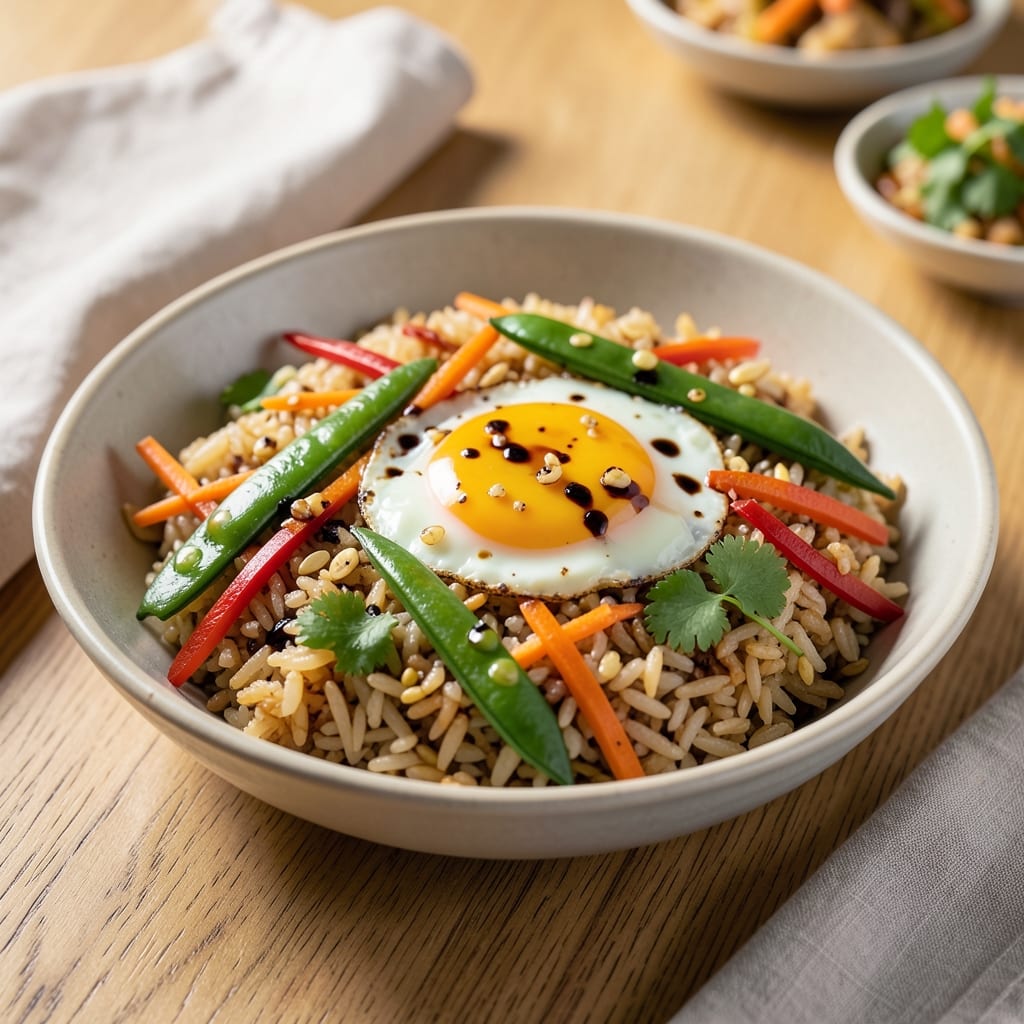
This Asian vegetable fried rice recipe transforms simple ingredients into a fragrant, textured dish that balances garlic-chili heat with eggy richness. The secret lies in perfectly cooked rice—slightly sticky yet separate—and a wok that sings with garlic, ginger, and sesame oil. I developed this version after testing countless adaptations, ensuring it works for vegetarians, pescatarians, and anyone craving restaurant-quality flavor at home.
The foundation is day-old rice (never fresh!), stir-fried with a rainbow of vegetables—bell peppers, carrots, peas, and snap peas—until they blister at the edges. A quick scramble of eggs adds protein and creaminess, while a splash of soy sauce, a drizzle of sesame oil, and a pinch of red pepper flakes create that signature umami kick. The dish is adaptable: swap in shrimp for pescatarians or tofu for vegans without sacrificing texture.
What you’ll end up with is a crunchy, aromatic bowl where each bite delivers a mix of textures—crisp vegetables, tender eggs, and chewy rice—all tied together by a sauce that’s savory, slightly sweet, and just spicy enough. The garlic-chili crunch from the wok’s high heat elevates every component, making this more than just fried rice. It’s a complete, satisfying meal that’s ready in 20 minutes with minimal cleanup.
Serve it as a main dish or alongside grilled proteins for a full spread. The beauty of this recipe is its flexibility—it’s hearty enough for lunch but light enough for dinner. Let’s get cooking!
Ingredients for asian vegetable fried rice
Simple ingredients elevated by technique—garlic-chili heat meets eggy richness in every bite.
| Ingredient | Amount | Notes |
|---|---|---|
| Day-Old Cooked White Rice 🍚 | 4 cups | Cold, slightly sticky texture preferred |
| Large Eggs 🥚 | 4 whole | Room temperature for even cooking |
| Red Bell Pepper 🍆 | 1 piece | Seeds removed, cut into thin strips |
| Yellow Carrot 🥕 | 1 whole | Julienned into thin matchsticks |
| Green Snap Peas 🌱 | 1 cup | Shelling peas preferred |
| Garlic Cloves 🧄 | 6 cloves | Minced into fine paste |
| Fresh Ginger 🌿 | 1 tbsp | Finely grated, fresh preferred |
| Sesame Oil 🫒 | 1 tbsp | Toasted, for aroma |
| Light Soy Sauce 🥢 | 3 tbsp | Low-sodium preferred |
| Vegetable Oil 🫒 | 3 tbsp | High smoke point |
| Red Pepper Flakes 🌶️ | ½ tsp | Adjust for desired heat |
| Sesame Seeds 🌱 | 1 tsp | Toasted for garnish |
| Salt 🧂 | ½ tsp | Kosher or sea salt |
| Black Pepper 🌶️ | ¼ tsp | Freshly ground |
The rice is non-negotiable—day-old with a slight stickiness ensures proper texture. Jasmine or basmati works best, but any long-grain rice will do. For the vegetables, freshness matters: snap peas should snap when bent, carrots should be firm, and bell peppers vibrant. Garlic and ginger should be freshly minced—pre-minced jars lack the aromatic punch. If you're short on time, frozen peas work perfectly—no need to thaw. The sesame oil is where the magic happens; look for toasted varieties in the Asian aisle for maximum flavor.
No snap peas? Green beans or frozen peas are excellent substitutes. The red bell pepper can be swapped for yellow or orange for color variation. For extra umami, add 1 tbsp of miso paste to the soy sauce. If you're making this for a crowd, double the vegetables—they're the star here. The eggs can be replaced with silken tofu for a vegan option, though texture will differ slightly. For heat control, reduce red pepper flakes to 1/4 tsp or omit entirely. The dish adapts beautifully to seasonal vegetables—think zucchini in summer or mushrooms in winter.
Rice reheats beautifully—microwave for 2 minutes with a splash of water to restore moisture. Store leftovers in an airtight container for 4-5 days in the fridge. For longer storage, freeze for up to 3 months. Garnish with sesame seeds just before serving to preserve their crunch. This dish tastes even better the next day as flavors meld. Portion into containers for easy lunches—double the sauce if you're serving it cold.
Why You'll Love This Recipe
- Uses Day-Old Rice: I swear by this trick—day-old rice sticks together perfectly, so you’re not fighting clumps or soggy bits. No need to cook fresh rice or stress over texture; just grab what’s left in your fridge and get cooking.
- One-Pan Magic: Honestly, this is my go-to when I’m too tired to wash a million dishes. Toss everything—rice, veggies, eggs—into one hot pan with a little oil, and stir. That’s it. No extra pots, no extra cleanup.
- Sweet-Savory Balance: The bell pepper adds a bright crunch, the carrot brings natural sweetness, and those snap peas? They’re the perfect pop of freshness. Scramble in a couple of eggs, and suddenly, you’ve got a dish that’s both comforting and exciting.
- Budget Meal Powerhouse: Between us, this recipe is my secret weapon for feeding the family without breaking the bank. Eggs, veggies, and rice? Check. Fills everyone up, keeps leftovers tasting fresh for days, and still leaves room for dessert. (Yes, even on a Tuesday night.)
Step-by-step instructions for garlic-chili vegetable fried rice
Transform day-old rice into restaurant-quality fried rice with bold garlic-chili notes and perfect eggy richness.
Prep All Ingredients for Maximum Flavor
Begin by thoroughly preparing all ingredients while the rice sits at room temperature. Cut the red bell pepper into thin strips—this ensures even cooking and maximum crisp-tender texture. Julienne the yellow carrot into matchsticks, then shell the green snap peas and trim any tough ends. Finely mince the 6 cloves garlic into a paste and grate the fresh ginger using a microplane for a fine, aromatic texture.
Toast the sesame seeds in a dry skillet over medium heat for 1-2 minutes until fragrant and golden—this enhances their nutty flavor. Keep them nearby for garnishing later. The key here is precision: properly prepped vegetables cook evenly and release their flavors more effectively during the stir-fry process.
Scramble the Eggs for Perfect Texture
Heat 1 tablespoon of vegetable oil in a wok or large skillet over medium-high heat until shimmering. Crack all 4 eggs into a bowl, season with 0.25 teaspoon black pepper, and whisk vigorously until fully combined. Pour the eggs into the hot oil and let them sit undisturbed for 5-7 seconds before gently pushing them around with a spatula.
Scramble the eggs just until they're still slightly runny in the center—about 20-25 seconds. Remove them from the pan and set aside. The eggs should be soft and custardy, not fully set. This texture is crucial for that signature eggy richness in fried rice. Keep the remaining 2 tablespoons vegetable oil in the pan for the next step.
Stir-Fry Vegetables with Garlic-Ginger Base
Add the remaining 2 tablespoons vegetable oil to the same pan and increase heat to high. Add the minced garlic and grated ginger, stirring constantly for 20-30 seconds until fragrant and just beginning to color. Immediately add the prepped vegetables—red bell pepper, carrot, and snap peas—and stir-fry for 2-3 minutes until they begin to soften but remain vibrant and crisp.
Here's the thing—don't overcrowd the pan. If your wok is large enough, work in batches if needed to maintain high heat. The vegetables should blister slightly at the edges while staying bright in color. This quick cooking preserves their texture and prevents them from turning mushy.
Combine Rice and Season with Precision
Add the 4 cups day-old cooked white rice to the pan, breaking up any clumps with your spatula. Stir-fry for 2-3 minutes, allowing the rice to absorb the vegetable flavors. Pour in the 3 tablespoons light soy sauce and 0.5 teaspoon red pepper flakes, stirring constantly for another 2 minutes until the rice is evenly coated and begins to sizzle.
This is where the magic happens: the soy sauce should glisten on the rice, and the red pepper flakes should infuse heat throughout. Taste and adjust seasoning with the 0.5 teaspoon salt if needed—fried rice should be savory with a subtle heat, not bland or overly salty. The rice should be hot throughout and slightly sticky from the residual starch.
Finish with Eggs and Sesame Oil
Return the scrambled eggs to the pan and gently fold them into the rice mixture, tossing everything together for 1-2 minutes until fully combined. Drizzle in the 1 tablespoon toasted sesame oil while stirring continuously. The sesame oil should coat every grain of rice, adding depth of flavor and a subtle nutty aroma.
Remove from heat and let the fried rice rest for 1 minute to allow the flavors to meld. Garnish immediately with the toasted sesame seeds. Serve while hot, straight from the wok, with extra red pepper flakes on the side if desired. Each bite should deliver perfect texture contrast—crisp vegetables, tender rice, and creamy eggs—all bound together by the aromatic garlic-chili sauce.
Pro Tips For Making Asian Vegetable Fried Rice
- SCATTER THE RICE: Break up clumps with a fork first—no need to mash it into powder. The goal is even cooking, not rice dust. I used to overcrowd the pan and end up with soggy bits; spreading it in a thin layer lets the heat work its magic. ---
- PREP PEPPERS LIKE A PRO: Dice the red bell pepper into ¼-inch cubes, not thin strips—thick pieces hold up better to stir-frying. Thin slices turn mushy fast, and you’ll spend the whole time fishing them out. (Yes, I’ve done that too.) ---
- SCRAMBLE EGGS SEPARATELY: Push the eggs to one side of the pan and scramble them low and slow until just set—no need to cook them crispy. Then mix them into the rice at the end. This keeps the eggs tender and prevents them from drying out in the hot oil. ---
- SALT THE RICE BEFORE FRYING: Toss the day-old rice with ½ teaspoon salt (or to taste) before it hits the pan—it’ll absorb better than sprinkling later. I learned this the hard way when my fried rice tasted bland no matter how much soy sauce I added. (Trust me, it matters.)
Regional styles of these flavors
Japanese Yakimeshi Style
This version, known as yakimeshi, focuses on a lighter, more delicate flavor profile. Use short-grain Japanese rice (like Koshihikari) and reduce the soy sauce to just 2 tablespoons—the key is balancing sweetness and umami. Add 1 tablespoon mirin and 1 teaspoon sake to the soy sauce mixture for brightness. Stir-fry with shredded cabbage and scallions instead of bell peppers, and finish with a sprinkle of furikake (Japanese seasoning blend) for that signature crunch and seaweed flavor. 🌿
Thai-Inspired Pad Thai Fusion
Elevate your fried rice with Thai flavors by adding 1 tablespoon tamarind paste and 1 teaspoon fish sauce (or soy sauce for vegan) to the seasoning. Swap the snap peas for bean sprouts and add thinly sliced red onions and crushed peanuts for texture. Garnish with lime wedges and fresh cilantro—this version is tangy, nutty, and packed with contrast. The tamarind gives it that signature Thai sweet-sour balance. 🍋
Korean Kimchi Fried Rice
For a bold, fermented kick, stir in ½ cup chopped kimchi (with its juice) during the final 2 minutes of cooking. Use gochujang (Korean chili paste) instead of red pepper flakes—start with 1 teaspoon and adjust to taste. Top with fried egg (runny yolk preferred) and sesame seeds, then finish with a drizzle of sesame oil. The kimchi adds probiotics and a tangy depth that transforms this into a probiotic-rich, umami-packed dish. 🌶️
Singaporean Chili Crab Fusion
Give your fried rice a Singaporean twist by adding 1 tablespoon chili crab sauce (like Chye Seng) and ½ cup diced crab meat (or imitation crab for affordability). Stir-fry with shredded cabbage and green beans, then finish with a sprinkle of crushed peanuts and cilantro. The sweet-spicy chili crab sauce creates a rich, sticky glaze that coats every grain. Serve with lime wedges for brightness. 🦀
Vietnamese Caramelized Version
For a Vietnamese-inspired take, caramelize 1 tablespoon fish sauce with 1 teaspoon sugar in the wok before adding vegetables. Use long-grain jasmine rice and add shredded carrots and green onions for color. Finish with a drizzle of hoisin sauce and crushed peanuts—this version is sweet, savory, and nutty. The caramelization adds a deep, complex flavor that’s uniquely Vietnamese. 🥜
Nutrition facts
Frequently asked questions
Why does the recipe specify day-old rice instead of fresh?
Day-old rice has just the right texture—slightly sticky yet separate grains—that fresh rice lacks. Fresh rice releases excess moisture when heated, making it mushy. The slight stickiness from day-old rice helps it absorb flavors better while maintaining a satisfying bite. If you only have fresh rice, spread it on a tray and refrigerate for 1-2 hours before using.
Can I make this recipe without eggs for a vegan version?
Replace the eggs with 1 cup silken tofu, crumbled and pan-fried until slightly crispy. For extra flavor, marinate the tofu in 1 tbsp soy sauce and ½ tsp garlic powder before cooking. Alternatively, omit the eggs entirely and increase the vegetables by ½ cup for a hearty plant-based dish. The dish will still be packed with protein from the tofu or beans.
What’s the best way to prevent the fried rice from getting soggy?
High heat is your secret weapon! Use a wok or large skillet on high heat and avoid overcrowding the pan. Cook in batches if needed, and stir constantly to prevent steam buildup. Also, make sure your rice is completely cooled before using—warm rice will release too much moisture. Finally, finish cooking the rice just before serving to maintain crispness.
How can I adjust the spice level for kids or sensitive eaters?
Reduce the red pepper flakes to ¼ tsp or omit them entirely. For a milder kick, substitute with ½ tsp sweet paprika instead. You can also serve the spice on the side so everyone can adjust to their preference. The garlic and ginger already provide plenty of flavor without heat, so the dish will still taste delicious and aromatic.
Can I use frozen vegetables instead of fresh?
Yes, but with a few adjustments! Thaw frozen vegetables completely first, then pat them dry with a paper towel to remove excess moisture. This prevents soggy rice. For best results, use high-quality frozen stir-fry mixes or individual frozen veggies like peas and carrots. The texture will be slightly different but still delicious—just avoid overcooking to maintain crispness.