
Sauces & Condiments
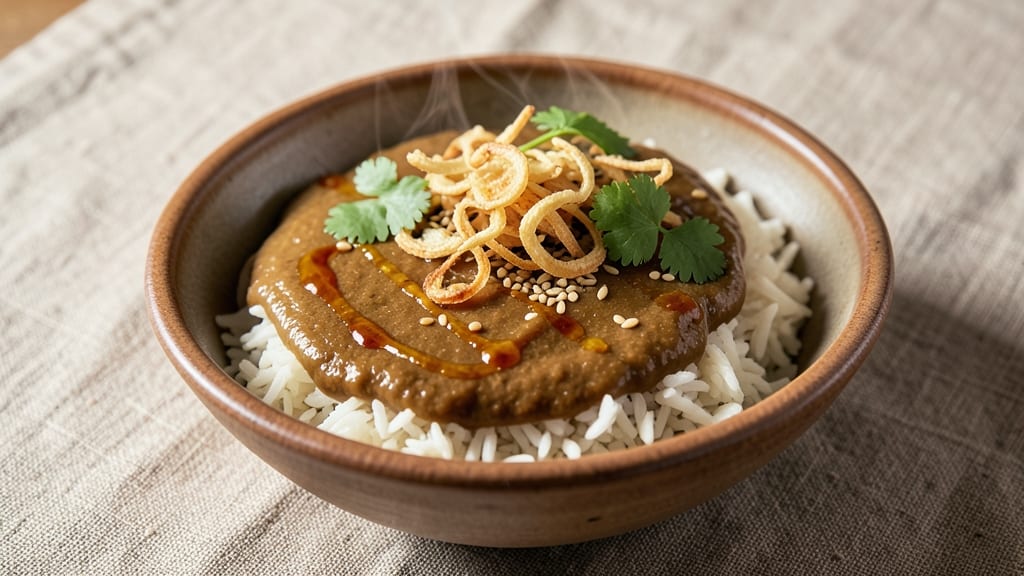
This brown rice flour gravy recipe transforms simple liquids into a velvety, nutty-rich sauce that elevates every dish. The secret lies in whisking brown rice flour into hot broth or coconut milk for a smooth, lump-free consistency—no roux required.
Perfect for vegan diets, this gravy adds depth to roasted vegetables, lentils, or even mashed potatoes.
What sets this gravy apart is its ability to thicken without dairy or gluten, while still delivering that satisfying, velvety texture. A touch of garlic powder, smoked paprika, or miso paste can amplify its umami richness, making it a versatile base for soups, stews, or drizzling over grilled meats.
The nutty flavor of brown rice flour infuses the sauce, creating a complex taste profile that’s both comforting and sophisticated.
Ingredients for brown rice flour gravy
Eight simple ingredients transform basic liquids into a velvety, nutty-rich gravy perfect for any dish.
| Ingredient | Amount | Notes |
|---|---|---|
| Brown Rice Flour 🌾 | ½ cup | Fine-ground for smooth texture |
| Vegetable Broth 💧 | 4 cups | Low-sodium preferred |
| Coconut Milk 🥥 | 1 cup | Full-fat for creaminess |
| Garlic Powder 🧄 | 1 tsp | Freshly ground preferred |
| Smoked Paprika 🌶️ | ½ tsp | For subtle smokiness |
| White Miso Paste 🍜 | 1 tbsp | For umami depth |
| Extra-Virgin Olive Oil 🫒 | 2 tbsp | High-quality preferred |
| Nutritional Yeast 🧀 | 1 tbsp | For cheesy flavor |
| Sea Salt 🧂 | ½ tsp | Adjust to taste |
| Black Pepper 🌶️ | ¼ tsp | Freshly ground |
Brown rice flour is the star here—look for fine-ground varieties at health food stores or bulk bins like Whole Foods or Trader Joe's. The Bob's Red Mill brand is a reliable choice, but any organic brand works. Avoid pre-ground flours that may contain lumps. For broth, low-sodium vegetable broth ensures you control the salt level—Pacific Foods or Imagine brands are excellent. Coconut milk adds richness; full-fat canned coconut milk works best for creaminess, but light versions can be used if needed.
No vegetable broth? Mushroom broth or cashew milk works in a pinch, though flavor will differ slightly. Skip the smoked paprika? A pinch of liquid smoke or extra garlic powder adds depth. Miso paste is non-negotiable for umami—White miso is milder than red, so it won’t overpower. Nutritional yeast can be swapped for vegan Parmesan if you prefer a stronger cheesy note. For extra richness, blend in 1 tbsp tahini or cashew cream—both add a luxurious texture.
Store gravy in an airtight container in the fridge for up to 5 days or freeze for 3 months. Reheat gently on low heat, stirring frequently to prevent lumps. For a smoother consistency, whisk in 1-2 tbsp water or plant-based milk if it thickens too much. Double the recipe and freeze portions for quick future use—it’s the perfect pantry staple for vegan cooking.
Why You'll Love This Recipe
- No-Fuss Magic: I swear, this gravy comes together with just a whisk and a pot—no fancy techniques. Toss in the brown rice flour with cold broth to avoid lumps, stir in coconut milk for that velvety base, and boom: rich, smoky depth without the stress.
- Smoky Creamy Hug: That smoked paprika and garlic powder combo? It’s like a warm blanket for your taste buds. The brown rice flour adds a subtle nuttiness that balances the creamy coconut milk, making it taste way more restaurant-worthy than it takes to make.
- Leftover Goldmine: This gravy thickens beautifully when reheated—perfect for drizzling over rice, roasted veggies, or even toast the next day. I’ve turned 2 cups into 3 meals without breaking a sweat (or a budget).
- Budget Pantry Hero: Already have rice flour, broth, and spices? You’re halfway there. Coconut milk adds richness without the price tag of heavy cream, and this recipe stretches to feed a crowd or stretch a single serving into two satisfying meals.
Step-by-step instructions for brown rice flour gravy
This method delivers a velvety, nutty gravy with deep umami flavor—perfect for thickening soups, stews, or drizzling over roasted vegetables.
Bloom the Brown Rice Flour
Heat the 2 tablespoons extra-virgin olive oil in a medium saucepan over medium-low heat. Add the 0.5 cup brown rice flour and whisk constantly for 2-3 minutes until the mixture turns a pale golden color and smells nutty. This step, called blooming, removes the raw flour taste and creates a smooth base.
Watch closely—if the flour darkens too quickly, reduce the heat slightly. You're looking for a toasted aroma similar to freshly ground nuts. Once golden, immediately add the 4 cups vegetable broth to prevent burning. The flour will clump slightly at first, but keep whisking until fully incorporated.
Simmer and Thicken the Base
Bring the mixture to a gentle simmer over medium heat, then reduce to low heat and let it cook uncovered for 8-10 minutes. Stir occasionally with a wooden spoon, scraping the bottom to release any browned bits that form—these contain concentrated flavor. The gravy should thicken noticeably, coating the back of a spoon.
If the gravy thickens too quickly, add 1-2 tablespoons water to adjust consistency. The goal is a sauce that coats the back of a spoon but still flows smoothly. Here's where the brown rice flour shines—it thickens without the grainy texture of cornstarch or roux.
Build Flavor with Aromatics and Umami
Whisk in the 1 cup coconut milk, followed by the 1 tbsp white miso paste, 1 tbsp nutritional yeast, 1 tsp garlic powder, 0.5 tsp smoked paprika, 0.5 tsp sea salt, and 0.25 tsp black pepper. Simmer for an additional 5 minutes on low heat, stirring constantly. The miso and nutritional yeast will dissolve completely, adding that signature umami depth.
Taste and adjust seasoning—this is your chance to balance the flavors. The coconut milk adds creaminess while keeping it dairy-free, and the smoked paprika contributes subtle warmth. If the gravy separates slightly, whisk vigorously to re-emulsify. This blend of ingredients creates a complex flavor profile that works equally well with savory dishes or even as a drizzle for noodles.
Finish and Use Immediately
Remove the saucepan from heat and let the gravy rest for 2-3 minutes—this allows the flavors to meld. The final texture should be smooth with a velvety consistency, perfect for drizzling or pouring. For immediate use, strain through a fine-mesh sieve if you prefer an ultra-smooth finish, though the brown rice flour typically creates a naturally silky texture.
Use within 2-3 hours for best results, as the flavors continue to develop. This gravy works beautifully over roasted vegetables, as a sauce for tofu or tempeh, or even as a creamy base for soups. The nutty richness comes from the brown rice flour, while the coconut milk and miso add layers of complexity that elevate simple dishes to restaurant-quality.
Pro Tips For Making Brown Rice Flour Gravy
- Whisk Like You Mean It: DESCRIPTION: Brown rice flour clumps like your ex’s excuses—don’t let it happen. Whisk it into the cold broth before heating, and keep stirring on medium-low. I used to ignore this, and my gravy turned into a sad, lumpy paste. Now? Silky every time.
- Toast the Flour First: DESCRIPTION: Dry-toast the brown rice flour in a pan for 2-3 minutes before adding liquid—it deepens the nutty flavor and cuts the raw taste. Skip this, and your gravy will taste like floury regret. (Yes, even if you’re impatient like me.)
- Simmer, Don’t Boil: DESCRIPTION: Keep the heat low after combining everything. Boiling turns coconut milk grainy and burns the flour’s edges. A gentle simmer (tiny bubbles, occasional stir) keeps it smooth and rich. Trust me, your gravy will thank you.
- Salt the Broth Early: DESCRIPTION: Season the vegetable broth before adding the flour—it balances the flavors better than sprinkling salt at the end. Smoked paprika and garlic powder need a solid base to shine. (I learned this after tasting bland, one-note gravy.)
Best sauces and condiments for this brown rice flour gravy
Creamy Coconut Twist
Swap the vegetable broth for 4 cups coconut milk and reduce the water content by half. The result is a luscious, dairy-free gravy with tropical notes—perfect for curries or as a drizzle over roasted sweet potatoes.
I love adding 1 tsp fresh ginger and ½ tsp turmeric for warmth. The coconut milk's natural sweetness balances the nutty brown rice flour beautifully. 🥥
Umami Miso Boost
For an extra depth of flavor, increase the white miso paste to 2 tbsp and add 1 tbsp soy sauce (ensure it's vegan). This creates a rich, savory base that pairs exceptionally well with stir-fried vegetables or noodle dishes.
The miso also enhances the gravy's ability to cling to food, making every bite more flavorful. Trust me, this is a game-changer for vegan dishes. 🍜
Herb-Infused Variations
Fresh herbs elevate this gravy to restaurant-quality. Add 1 tbsp chopped fresh thyme or rosemary during the final 5 minutes of simmering. For a Mediterranean twist, stir in 1 tsp dried oregano and ½ tsp lemon zest.
These herbs brighten the nutty flavor and add a fragrant aroma that makes the gravy irresistible. 🌿
Spicy Kick Options
If you love heat, add ½ tsp cayenne pepper or 1 tsp gochujang (Korean chili paste) during the final simmer. For a smoky heat, combine ½ tsp smoked paprika with ¼ tsp cayenne.
These additions work beautifully with spicy dishes like vegan tacos or black bean bowls, adding a bold contrast to the creamy gravy. 🌶️
Nutty Tahini Swirl
Stir in 1 tbsp tahini during the last 2 minutes of cooking for a luxurious, nutty depth. Tahini adds a silky texture and earthy flavor that complements the brown rice flour perfectly.
This variation is ideal for drizzling over roasted eggplant or as a sauce for falafel. The tahini also makes the gravy richer, almost like a vegan béchamel. 💫
Garnish Ideas
Finish your gravy with fresh garnishes to elevate its presentation. A sprinkle of toasted sesame seeds or crushed peanuts adds crunch and visual appeal. For a pop of color, drizzle with fresh cilantro or microgreens.
These garnishes not only look stunning but also enhance the gravy's texture and flavor profile. 🌟
Nutrition facts
Frequently asked questions
Can I substitute brown rice flour with another flour?
While other flours like all-purpose or whole wheat can thicken gravy, they won't provide the same nutty depth or gluten-free benefits. For best results, use white rice flour (lighter flavor) or tapioca starch (clear, glossy finish). Avoid almond flour—it creates a gritty texture. The brown rice flour's natural richness is key to this recipe's signature taste.
Why did my gravy turn lumpy?
Lumps usually happen when flour isn't whisked enough before adding liquid or if heat is too high during cooking. Always whisk vigorously when combining flour with hot liquid, and simmer on low heat while stirring constantly. For extra smoothness, strain through a fine-mesh sieve before serving. The blooming step (toasting flour in oil first) helps prevent this.
How can I make this gravy spicier? Add heat during the final 5 minutes of simmering: try ½ tsp cayenne, 1 tsp gochujang, or ½ tsp chili flakes. For smoky heat, increase smoked paprika to 1 tsp.
Can I use this gravy as a pasta sauce?
This gravy works beautifully with pasta—its velvety texture clings perfectly to noodles. For best results, toss cooked pasta with the warm gravy and let it sit for 2-3 minutes to absorb flavors. Add a splash of pasta water if needed to loosen. The nutty richness pairs especially well with mushrooms, lentils, or roasted vegetables in the sauce.
What's the best way to store leftovers?
Cool the gravy completely, then store in an airtight container in the fridge for up to 5 days. For longer storage, freeze in 1-cup portions for up to 3 months. Thaw overnight in the fridge and reheat gently on low heat, stirring frequently to restore smoothness. Avoid microwaving—it can create hot spots and separate the texture.