
Main Courses
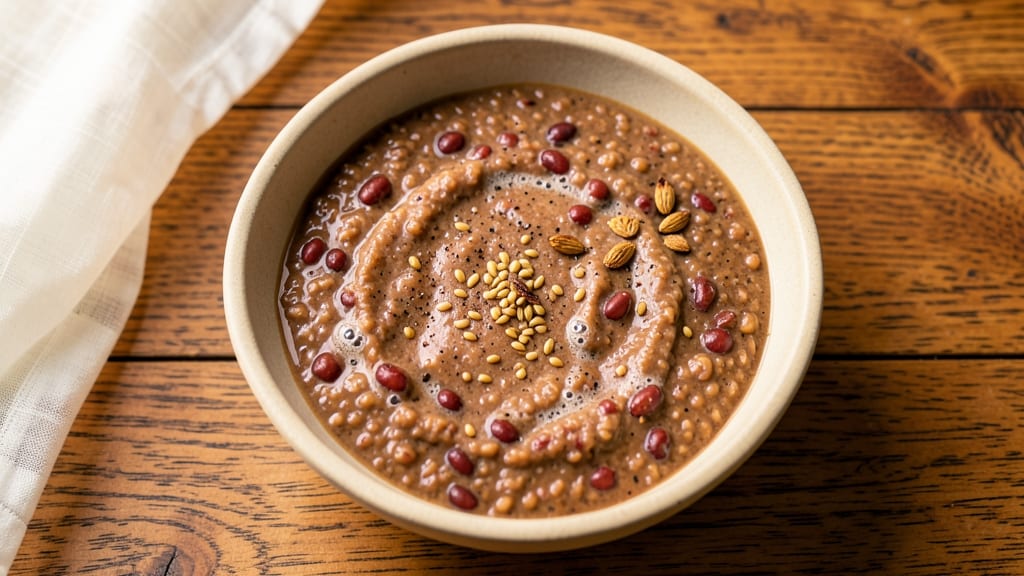
This brown rice idli batter recipe transforms traditional idlis into a healthier, nutrient-packed breakfast staple without sacrificing fluffiness. The key lies in proper fermentation—soaking brown rice overnight unlocks its natural nutrients while creating that signature light, airy texture.
Unlike white rice versions, this batter retains fiber and protein, making it a wholesome alternative that still delivers authentic South Indian flavor.
The process is straightforward: soak the rice and urad dal, grind into a smooth batter, and let it ferment for 8–12 hours. The result? Idlis with a delicate crumb and subtle nuttiness from the brown rice, paired perfectly with coconut chutney or tangy sambar.
Whether you're a health-conscious cook or a traditionalist looking for a twist, this recipe delivers restaurant-quality idlis at home.
Ingredients for brown rice idli batter
Nutrient-rich brown rice and urad dal create a wholesome batter with authentic South Indian flavor.
| Ingredient | Amount | Notes |
|---|---|---|
| Short-Grain Brown Rice 🌾 | 1 cup | Uncooked, rinsed thoroughly |
| Urad Dal (Black Gram) 🌱 | ½ cup | Split, rinsed well |
| Filtered Water 💧 | 2 ½ cups | Room temperature preferred |
| Active Dry Yeast 🍞 | ¼ tsp | For fermentation boost |
| Asafoetida (Hing) 🌿 | ⅛ tsp | Crushed between palms |
| Cumin Seeds 🌶️ | ½ tsp | Toasted lightly |
| Fennel Seeds 🌿 | ¼ tsp | Toasted lightly |
| Salt 🧂 | ¾ tsp | Diamond Crystal preferred |
| Fresh Fenugreek Leaves 🌿 | ¼ cup | Methi leaves, chopped |
| Fresh Curd (Coconut Yogurt) 🥥 | ¼ cup | Unsweetened, vegan |
| Lemon Juice 🍋 | 1 tbsp | Freshly squeezed |
The brown rice is the foundation here—short-grain varieties ferment best for that signature idli texture. Bob's Red Mill or Lotus Foods carry excellent options. Urad dal should be split and rinsed thoroughly to remove impurities. For the yeast, Fleischmann's works reliably, but store-bought active dry yeast is fine. Fresh fenugreek leaves add depth; if unavailable, dried methi leaves at one-fourth the amount suffice. The coconut yogurt replaces traditional curd, ensuring vegan compliance while maintaining tangy balance.
No asafoetida? Garlic powder at half the amount mimics its umami punch. Toasting the cumin and fennel seeds in a dry pan for 30 seconds releases their aroma—don't skip this step. Lemon juice can be swapped for apple cider vinegar if needed. For extra fluffiness, add 1 tsp baking soda during steaming (reduce water by 1 tbsp). The batter should be smooth but slightly thick—adjust with water if needed. If using a blender, pulse in short bursts to avoid over-grinding.
Ferment the batter in a warm spot for 8-12 hours—a slow cooker on 'warm' setting works perfectly. Once fermented, the batter will rise slightly and develop a tangy aroma. Store unused batter in an airtight container in the fridge for up to 3 days, re-fermenting at room temperature before use. For best texture, steam idlis in batches—overcrowding flattens them. The nuttiness from brown rice intensifies with proper fermentation, making these idlis uniquely wholesome.
Why You'll Love This Recipe
- No-Soak Shortcut: I’ll be real—soaking rice overnight is not my jam. This batter skips that step entirely, using pre-cooked brown rice that blends into fluffiness in 15 minutes. The urad dal soaks for just 4 hours (set a phone alarm), and boom—ready to ferment. That hing pinch? Magic—it cuts through the earthy rice and makes every bite taste like a fresh start.
- Fermented Depth: The yeast and urad dal work together to create this ridiculously tangy, airy texture—like a cloud with a bite. No sour cream or vinegar shortcuts here; the fermentation happens naturally, giving you that signature idli lightness with a subtle funk. Honestly, the first time I tasted this, I thought, “Wait, we’re eating this?” Now it’s my default.
- Weeknight Meal Boss: This batter doubles as pancakes, dosas, or even a savory porridge when you’re in a rush. (Yes, even on a Tuesday night.) The versatility is wild—use half for idlis, the rest for crispy dosas with coconut chutney. And because it’s rice-based, it sticks to your ribs longer than regular idlis. My kids call it “the glue that holds breakfast together.”
- Budget-Friendly Staple: Brown rice and urad dal are dirt cheap compared to white rice or store-bought mixes, and this recipe stretches one batch into three meals. Leftovers? Ferment them again for even better flavor—no waste, just more deliciousness. Between us, I’ve made this for potlucks, lazy Sundays, and “I-forgot-to-grocery-shop” emergencies. It’s my secret weapon for looking like a cooking pro.
Step-by-step instructions for brown rice idli batter
Here's the precise method to create a perfectly fermented, fluffy idli batter using brown rice.
Soak the Rice and Urad Dal Separately
Place the 1 cup short-grain brown rice in a large bowl and cover it with 2 cups of the 2.5 cups filtered water. Let it soak for at least 6 hours or preferably overnight. The rice should absorb water and become plump—when pressed between your fingers, it should hold its shape without crumbling.
In a separate container, soak the 0.5 cup urad dal (black gram) with the remaining 0.5 cups filtered water for the same duration. The dal should soften noticeably but remain slightly firm to the touch. This separation prevents the dal from over-soaking, which can make the batter gummy. Drain both the rice and dal thoroughly before proceeding—excess water disrupts fermentation.
Grind and Prepare the Batter Base
Combine the soaked rice and urad dal in a wet grinder or food processor. Add 0.25 cup fresh curd (coconut yogurt) and grind into a smooth, thick batter. The consistency should resemble pancake batter—thick enough to hold its shape when dropped but still pourable. If it's too thick, add 1-2 tablespoons of filtered water; if too thin, add 1 tablespoon of the reserved rice.
Transfer the batter to a large mixing bowl. In a small bowl, dissolve the 0.25 tsp active dry yeast in 2 tablespoons of warm water (around 105°F) until it becomes frothy. This activated yeast is the key to proper fermentation—it should double in volume within 5-10 minutes when left in a warm place. Stir the yeast mixture into the batter, then add the 0.25 cup chopped fresh fenugreek leaves, 0.125 tsp crushed asafoetida (hing), 0.5 tsp toasted cumin seeds, 0.25 tsp toasted fennel seeds, and 0.75 tsp salt.
Ferment the Batter for Optimal Texture
Cover the bowl with a clean kitchen towel or plastic wrap and let the batter ferment at room temperature for 8-10 hours (or overnight). The ideal fermentation occurs when the batter doubles in volume and develops a slightly tangy aroma. You'll notice small bubbles forming on the surface and throughout the batter—this indicates active yeast activity. The batter should rise noticeably but remain thick; if it becomes too runny, it's over-fermented.
To check for doneness, press a spoon into the batter. If it springs back slowly (not immediately) and leaves a clear indentation, it's ready. For best results, ferment in a warm spot (around 80-85°F)—a slightly warm oven with the light on works well. Avoid refrigerating during fermentation as it slows the process and alters the flavor.
Adjust and Prepare for Steaming
Once fully fermented, stir the batter gently to redistribute any settled ingredients. The batter should now have a light, airy texture with a mild tang. Add 1 tbsp freshly squeezed lemon juice and mix thoroughly. This acidity enhances the flavor and helps maintain the fluffiness during steaming. The batter should now be ready for idli preparation—it should hold its shape when dropped but still be pourable.
For best results, use the batter within 4-6 hours of fermentation. If you need to store it, cover tightly and refrigerate for up to 24 hours, but bring it to room temperature before using. The batter should be at 75-80°F when steaming for optimal texture—cold batter makes dense idlis. This batter yields approximately 12-15 idlis depending on the size of your idli mold.
Pro Tips For Making Brown Rice Idli Batter
- SOAK RICE SEPARATELY: Brown rice clings like glue when soaked—split it into two batches and rinse each under cold water while massaging with your fingers. This breaks up the grains so they cook evenly and your batter won’t turn into a thick paste. (Yes, it’s tedious, but your idlis will thank you.)
- USE WARM WATER FOR YEAST: Dissolve the yeast in warm water (around 110°F/43°C)—not hot—that’s just above body temperature. Cold water kills it instantly, and hot water cooks it on the spot. Stir in a pinch of sugar (or a tiny bit of rice water) to wake it up faster.
- SKIP THE OVERMIXING: Once you add the urad dal and rice to the batter, mix just until the dal is broken down—no need to turn it into a smooth paste. Overmixing develops gluten, and your idlis will end up dense instead of fluffy. A few lumps won’t ruin the dish.
- REST THE BATTER LONGER: Let the batter sit for at least 8 hours (overnight is ideal) in a warm spot—cover it with a damp cloth, not plastic. This gives the yeast time to work properly, especially with brown rice, which ferments slower than white. Patience here makes the difference between flat idlis and light, airy ones.
Health benefits of these flavors
Whole Grain Powerhouse
Brown rice idli batter transforms traditional idlis into a nutrient-dense power breakfast. The short-grain brown rice provides fiber, magnesium, and B vitamins that white rice lacks, while urad dal adds plant-based protein (about 12 grams per serving). This combo keeps blood sugar stable—perfect for morning energy without crashes. 💪
Digestive Benefits
The fermentation process enhances digestibility by breaking down phytic acid in whole grains, making nutrients more bioavailable. The probiotic-rich coconut yogurt and active yeast promote gut health, similar to traditional dosa batter but with added fiber. I notice my digestion improves when I include these fermented foods regularly.
Low Glycemic Advantage
Unlike white rice idlis, this version has a lower glycemic index due to the brown rice's bran layer. The resistant starch in brown rice also feeds beneficial gut bacteria.
This makes it ideal for diabetes management or anyone monitoring blood sugar levels. The fenugreek leaves further help regulate glucose metabolism.
Protein-Packed Breakfast
Each serving delivers 15-18 grams of complete protein thanks to the urad dal, which contains all essential amino acids. The coconut yogurt adds healthy fats for satiety, while the toasted spices (cumin and fennel) aid digestion. This protein punch keeps you full for hours—no mid-morning snack attacks here!
Antioxidant Boost
The brown rice contains lutein and zeaxanthin, antioxidants that support eye health. The asafoetida (hing) adds sulfur compounds with anti-inflammatory benefits. Together, these ingredients create a breakfast that fights oxidative stress while tasting delicious. The lemon juice at the end adds vitamin C for extra immune support.
Fermentation Magic
Fermentation unlocks prebiotic benefits—the natural sugars in rice feed good gut bacteria during fermentation. This creates a synbiotic effect (probiotics + prebiotics) that enhances nutrient absorption. The tangy aroma you smell during fermentation is a sign of lactic acid production, which improves both flavor and digestibility. 🌱
Nutrition facts
Frequently asked questions
Why does brown rice idli batter need longer fermentation than white rice?
The bran layer in brown rice absorbs more water and releases starch more slowly, requiring 8-12 hours of fermentation for optimal texture. This longer process breaks down complex carbohydrates, creating that signature fluffiness while preserving the nutty flavor. The extra time also enhances digestibility by reducing phytic acid levels.
Can I substitute coconut yogurt with regular yogurt?
Yes, but use unsweetened plain yogurt (vegan or dairy) and reduce the liquid slightly since yogurt adds moisture. Traditional curd works too, but coconut yogurt's mild sweetness complements the brown rice's earthiness better. For a tangier kick, add 1 extra tsp lemon juice when mixing.
What if my batter doesn't ferment properly?
Check these common issues: Cold environment? Move to a warm spot (80-85°F). Dead yeast? Dissolve in warm water (105°F) and wait 10 minutes for froth. Too much water? Drain excess before grinding. If still flat, add 1/4 tsp baking soda before steaming for lift—just don't overdo it!
How do I make these idlis extra fluffy?
Steam on medium-high heat for 10-12 minutes (not boiling) and avoid overcrowding molds. For a pro trick, add 1 tsp baking soda to the batter just before steaming—it reacts with the acidity for airy results. Also, use hot idli plates to prevent condensation from making them soggy.
Can I use this batter for dosas too?
This batter works perfectly for crispy dosas. Spread 2 tbsp batter per dosa on a hot griddle with medium-high heat, adding a little oil around the edges. The brown rice adds a lovely nuttiness that pairs beautifully with coconut chutney. For extra crispiness, press the dosa edges firmly with a spatula.