Main Courses
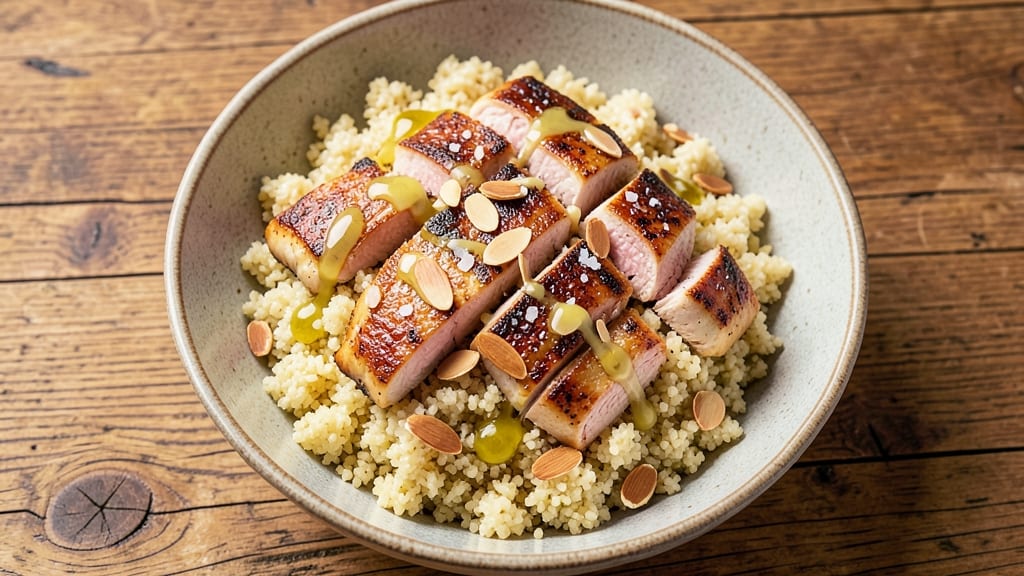
This brown rice keto recipe isn't about rice at all—it's a game-changing stir-fry that swaps carbs for cauliflower rice while keeping the dish savory, satisfying, and perfectly aligned with your macros.
The secret lies in a rich garlic butter sauce that transforms simple ingredients into a restaurant-worthy meal without the guilt.
With just 15 minutes of active prep and a crisp-tender cauliflower base, this recipe delivers the texture and heartiness of brown rice while keeping net carbs under 8g per serving. Pair it with protein-packed chicken or tofu, and you’ve got a keto-friendly dish that even non-keto eaters will request.
The garlic butter sauce adds depth, ensuring every bite is flavorful and filling—no blandness here.
Ingredients for brown rice keto
Cauliflower rice, protein-packed chicken, and a rich garlic butter sauce redefine keto dining without sacrificing texture or flavor.
| Ingredient | Amount | Notes |
|---|---|---|
| Fresh Cauliflower Rice 🥬 | 4 cups | Fresh or frozen, thawed and drained |
| Boneless, Skinless Chicken Breast 🍗 | 1 ½ lb | Pounded to even thickness |
| Unsalted Butter 🧈 | ½ cup | Cold, cut into cubes |
| Garlic Cloves 🧄 | 6 cloves | Minced, fresh preferred |
| Extra-Virgin Olive Oil 🫒 | 2 tbsp | For high-heat searing |
| Diamond Crystal Kosher Salt 🧂 | 1 ½ tsp | Adjust to taste |
| Freshly Ground Black Pepper 🌶️ | 1 tsp | For seasoning |
| Low-Sodium Soy Sauce 🍶 | 2 tbsp | For umami depth |
| Sesame Oil 🌿 | 1 tsp | For aromatic finish |
| Fresh Ginger 🌿 | 1 tbsp | Grated, for brightness |
| Green Onions 🧅 | ¼ cup | Sliced, for garnish |
| Sesame Seeds 🌰 | 1 tsp | Toasted, for crunch |
| Lemon Juice 🍋 | 1 tbsp | Freshly squeezed |
| Xanthan Gum 🧪 | ¼ tsp | For binding cauliflower |
The cauliflower rice is the star here—fresh is ideal, but frozen works perfectly if you thaw and drain it well. Trader Joe's sells pre-riced cauliflower that saves time, though fresh riced cauliflower (the kind you pulse in a food processor) has better texture. For the chicken, opt for boneless, skinless breast cutlets—pounding them to even thickness ensures even cooking. The butter matters too; European-style unsalted butter has higher fat content, making the sauce richer. If you can't find it, regular unsalted butter works fine.
No sesame oil? Toasted sesame seeds mixed with neutral oil replicate the flavor. Short on fresh ginger? Ground ginger at half the amount is a decent swap, though fresh adds brightness. The soy sauce should be low-sodium—regular brands can overpower the dish. For extra umami, a splash of coconut aminos works in a pinch. The garlic is non-negotiable though; freshly minced releases more flavor than pre-minced or powdered. If you're using tofu instead of chicken, extra-firm, pressed tofu holds up best to the stir-fry.
Prep the cauliflower rice first—it wilts quickly. Store leftover chicken in an airtight container for 3 days or freeze for 3 months. The garlic butter sauce keeps well in the fridge for 5 days if stored in a sealed jar with a thin layer of oil on top. For maximum crispness, reheat cauliflower rice in a dry skillet for 2-3 minutes after adding sauce. Garnishes like sesame seeds and green onions can be added fresh to any serving, so store them separately.
Why You'll Love This Recipe
- No Rice, No Problem: I swear, the cauliflower rice mimics the texture of brown rice so well—it’s the sneaky swap that actually works. No one misses the carbs, especially when it soaks up that buttery garlic chicken like a dream.
- One-Pan Magic: Honestly, this is my lazy-day hero. Sear the chicken, toss the cauliflower rice in the same pan, and let the residual heat finish it—minimal cleanup, maximum flavor. (Yes, even when I’m scrolling through my phone waiting for dinner.)
- Meal Prep MVP: Between us, this keeps perfectly for four days in the fridge. Reheat the chicken and rice together, and it’s like you just made it—no soggy cauliflower here. Pack it for lunch or save it for when you’re too tired to cook.
- Budget-Friendly Flex: Fresh cauliflower rice stretches further than you’d think, and chicken breast is one of the most affordable proteins out there. Plus, the olive oil and butter make it feel indulgent without breaking the bank—my wallet thanks me every time.
Step-by-step instructions for savory garlic butter cauliflower rice
This method transforms humble cauliflower rice into a satisfying, low-carb grain alternative with restaurant-quality texture.
Prepare the Cauliflower Rice for Maximum Texture
In a large mixing bowl, combine the 4 cups fresh cauliflower rice with the 0.25 teaspoon xanthan gum. Using your hands, gently toss until the xanthan gum is evenly distributed throughout the rice. This binding agent mimics the natural starch in brown rice, creating that satisfying chewiness without the carbs.
Transfer the mixture to a clean kitchen towel and squeeze firmly to remove any excess moisture. This step is crucial—wet cauliflower rice will steam instead of crisp during cooking. Spread the rice on a baking sheet and let it sit at room temperature for 10 minutes while you prepare the chicken. The slight drying period ensures better browning and texture when we cook it later.
Sear the Chicken to Perfect Doneness
Pat the 1.5 lb boneless, skinless chicken breast dry with paper towels and pound it to an even ½-inch thickness between two sheets of plastic wrap. Season both sides generously with 1 teaspoon freshly ground black pepper and 1.5 teaspoons diamond crystal kosher salt, pressing the seasoning into the meat.
Heat 2 tablespoons extra-virgin olive oil in a large skillet over medium-high heat until shimmering. Add the chicken and cook for 4-5 minutes per side until the internal temperature reaches 160°F and the edges are golden brown. Remove from heat and let rest for 5 minutes before slicing into thin strips against the grain. This resting period prevents the chicken from drying out when we incorporate it into the cauliflower mixture.
Create the Garlic Butter Sauce Base
In the same skillet (no need to clean it—the fond adds flavor), melt the 0.5 cup unsalted butter over medium heat. Add the 6 cloves minced garlic and 1 tablespoon grated fresh ginger, cooking for 1-2 minutes until fragrant but not browned. Immediately remove from heat and stir in 2 tablespoons low-sodium soy sauce and 1 tablespoon freshly squeezed lemon juice. This sauce should be glossy and aromatic, with a balance of umami and bright citrus notes.
Return the skillet to medium-low heat and carefully add the prepared cauliflower rice, stirring gently to coat each piece in the garlic butter sauce. The rice will begin to soften almost immediately—this is where the xanthan gum works its magic, creating that satisfying bite. Cook for 3-4 minutes, stirring occasionally, until the cauliflower reaches your desired tenderness while maintaining some texture.
Finish with Aromatic Oils and Garnishes
Remove the skillet from heat and stir in 1 teaspoon sesame oil. The aroma will intensify dramatically—this is your signal that the dish is nearly complete. Add the sliced green onions and 1 teaspoon toasted sesame seeds, tossing gently to distribute evenly. The sesame seeds should be lightly toasted but not burned, adding a subtle nutty crunch to each bite.
Taste and adjust seasoning with additional salt if needed. The dish should be savory with a perfect balance of garlic, ginger, and umami from the soy sauce. For serving, divide the cauliflower rice among plates and top with the sliced chicken. The contrast of tender chicken against the slightly crisp cauliflower rice creates an incredibly satisfying texture profile that mimics traditional brown rice dishes while keeping it keto-friendly.
Pro Tips For Making Brown Rice Keto
- Sear Chicken First: I used to toss the chicken in with the cauliflower rice, thinking it’d all cook together—big mistake. Start by searing the chicken breasts in a hot pan with olive oil (or butter) for 3-4 minutes per side until golden. This locks in flavor and ensures they don’t turn rubbery while the cauliflower rice cooks. (Yes, even if you’re impatient like me, resist the urge to rush this.)
- Pulse Cauliflower Rice: Fresh cauliflower rice isn’t just chopped—it’s pulsed. Use a food processor to break it down into rice-sized pieces, but don’t overdo it or you’ll end up with mush. Stop when it looks like coarse rice, then give it a quick rinse under cold water to remove excess starch. This keeps the texture light and prevents a gummy finish.
- Don’t Overcrowd the Pan: After searing the chicken, I learned the hard way that piling everything into the pan at once steams the cauliflower rice instead of crisping it. Cook the chicken in batches if needed, then push it to the side of the pan and add the cauliflower rice in a single layer. Let it sizzle for 2-3 minutes before stirring—this gives you that perfect golden-brown crust.
- Finish with Butter and Garlic: Dumping butter and garlic at the end isn’t just for flavor—it’s the upgrade that makes this dish feel restaurant-worthy. Once the cauliflower rice is tender and the chicken is cooked, remove the pan from heat, add 2 tablespoons of unsalted butter and 3 minced garlic cloves, then let it melt for 30 seconds. Toss everything together, and that rich, garlicky butter coats every bite. (I know, I know, but trust the process.)
Troubleshooting great brown rice keto
Cauliflower Too Soft?
If your cauliflower rice turns into mush, you likely overcooked it or didn’t dry it properly. Always squeeze out excess moisture before cooking—this is non-negotiable for texture. For extra crispness, spread the cooked cauliflower on a wire rack for 5 minutes before adding sauce.
I’ve found that freshly riced cauliflower holds up better than pre-shredded bags, which often contain more water. 🥬
Sauce Too Thin?
The garlic butter sauce should coat the cauliflower but not pool at the bottom. If it’s too thin, reduce the heat to low and let it simmer uncovered for 2-3 minutes to thicken naturally.
For an instant fix, stir in ½ teaspoon cornstarch mixed with 1 teaspoon water—just enough to bind without making it gluey. Avoid adding too much soy sauce upfront; you can always adjust at the end. 🧈
Chicken Overcooked?
Chicken breast dries out fast, especially when sliced thin. The key is hitting 160°F internal temp and resting for 5 minutes before slicing. If your chicken turns out tough, try brining it for 30 minutes in ¼ cup salt + 4 cups water before cooking.
For extra moisture, add 1 tablespoon butter to the pan when searing. I’ve also had success with boneless thighs, which stay juicier at higher temps. 🍗
Xanthan Gum Clumps?
Xanthan gum can be tricky—if it clumps, you didn’t distribute it evenly. Whisk it into 1 tablespoon cold water first, then mix into the cauliflower rice. The gum needs to dissolve completely to work properly.
If you’re avoiding it (like for a grain-free diet), try ½ teaspoon psyllium husk instead—it’s a natural binder that works similarly. Just remember, these binders are essential for that satisfying brown rice texture. 🧪
Flavor Too Mild?
This dish thrives on bold flavors, so don’t skimp! If your sauce tastes bland, boost it with ½ teaspoon fish sauce (for umami depth) or 1 extra clove of garlic. A pinch of red pepper flakes adds heat without carbs.
For brightness, add 1 extra tablespoon lemon juice or a splash of rice vinegar. I often finish with a drizzle of chili crisp for a spicy kick that elevates the whole dish. 🌶️
Leftovers Too Dry?
Reheating cauliflower rice can make it dry, but you can fix it! Stir in 1 tablespoon butter or olive oil while reheating. For best results, cook in a dry skillet over medium heat for 3-4 minutes—this crisps the edges without steaming it.
If the sauce has separated, warm it separately and toss it in at the end. Leftovers keep well for 3 days in the fridge, but I recommend reheating only what you’ll eat immediately. ❄️
Nutrition facts
Frequently asked questions
Why use cauliflower rice instead of brown rice for keto?
Brown rice contains 45g net carbs per cup, which is way too high for keto. Cauliflower rice delivers the same satisfying texture with just 5g net carbs per cup—plus, it mimics the chewiness of brown rice when cooked properly with xanthan gum. The garlic butter sauce adds richness to make up for any flavor difference!
Can I make this recipe with tofu instead of chicken?
Use 1 block (14 oz) extra-firm tofu pressed for 20 minutes to remove excess water. Cut into thin strips and pan-fry in 1 tablespoon sesame oil until golden before adding to the cauliflower. For extra flavor, marinate the tofu in 1 tablespoon soy sauce + 1 teaspoon grated ginger for 15 minutes before cooking.
How do I get the cauliflower rice to taste like brown rice?
The xanthan gum is your secret weapon—it mimics the natural starch in brown rice. For extra depth, add ½ teaspoon smoked paprika or 1 teaspoon nutritional yeast to the sauce for a nutty, umami flavor. The garlic butter sauce also adds richness that brown rice lacks. If you're missing the earthiness, try 1 tablespoon coconut aminos instead of soy sauce.
Is this recipe really keto-friendly?
Yes! With 8g net carbs per serving, it fits perfectly in a keto diet. The key is keeping portions controlled—this recipe serves 4 with 1 cup cauliflower rice per serving. The chicken adds 26g protein and the butter sauce provides healthy fats, making it a balanced, satisfying meal. Always check your macros with your preferred tracking app.
Can I meal prep this for the week?
Store components separately for best results. Keep the cooked cauliflower rice and chicken in airtight containers for 3 days, and the sauce in a sealed jar with a thin layer of oil on top. When reheating, cook the cauliflower in a dry skillet for 3-4 minutes before adding the sauce to maintain texture. For extra flavor, add fresh green onions and sesame seeds when serving.