
Sauces & Condiments
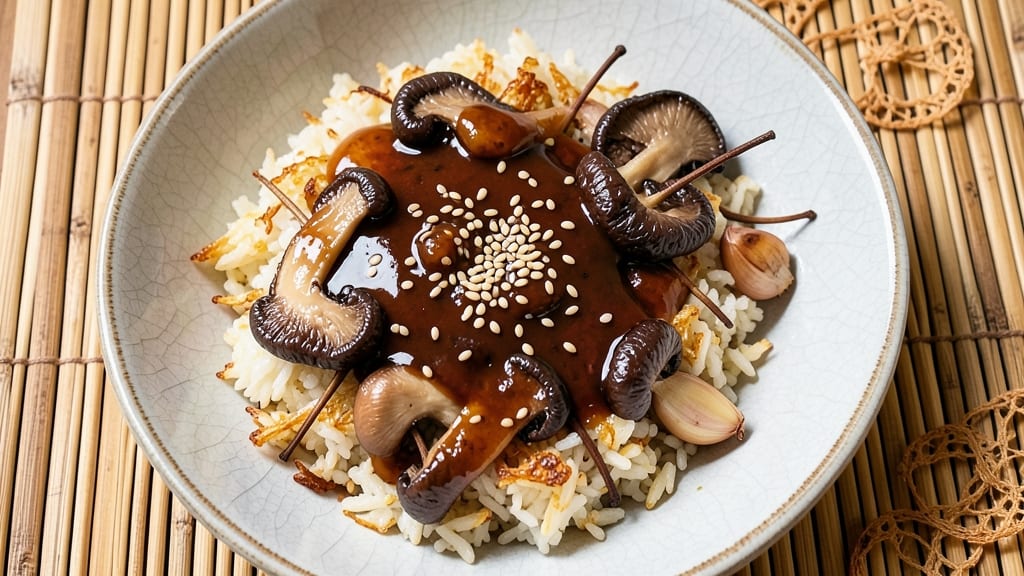
This Chinese fried rice sauce recipe transforms simple stir-fry into restaurant-quality flavor with just a few pantry staples. The secret lies in balancing soy sauce for saltiness, oyster sauce for depth, and sesame oil for that signature aroma.
I developed this version after years of testing—it’s the one that finally delivers that perfect umami kick without overpowering the rice.
The beauty of this sauce is its versatility—it works with leftover rice, fresh rice, or even as a dipping sauce for dumplings. The base ingredients (soy sauce, oyster sauce, sesame oil, and a touch of sugar) create a harmonious blend that’s both simple and deeply flavorful.
For extra depth, I add minced garlic and a splash of rice vinegar to brighten the flavors.
What you’ll end up with is a glossy, aromatic sauce that clings perfectly to each grain of rice, enhancing its natural taste without masking it. The sauce keeps well in the fridge for up to a week, making it ideal for meal prep or batch cooking.
Whether you’re serving it with classic fried rice or using it as a marinade, this sauce is a game-changer for Asian-inspired dishes.
For variations, swap in vegetarian oyster sauce for a plant-based option, or add a dash of chili paste for heat. The possibilities are endless—let’s get cooking!
Ingredients for chinese fried rice sauce
Nine essential ingredients blend into a restaurant-quality sauce that elevates fried rice instantly.
| Ingredient | Amount | Notes |
|---|---|---|
| Light Soy Sauce 🥢 | ½ cup | Kikkoman preferred for balance |
| Oyster Sauce 🦪 | ¼ cup | Lee Kum Kee for authentic flavor |
| Toasted Sesame Oil 🫒 | 1 ½ tbsp | Kadoya for nutty aroma |
| Granulated Sugar 🍯 | 1 ½ tbsp | White or brown preferred |
| Rice Vinegar 🍶 | 1 ½ tbsp | Seasoned preferred for depth |
| Garlic Cloves 🧄 | 3 cloves | Minced for aromatic base |
| Vegetable Oil 🫒 | 1 tbsp | For light frying garlic |
| Dried Shiitake Mushrooms 🍄 | 1 piece | Rehydrated for umami depth |
| Ground White Pepper 🌶️ | ¼ tsp | Freshly ground preferred |
| Green Onions 🧅 | 2 whole | Finely chopped for garnish |
The oyster sauce and soy sauce form the flavor foundation—Lee Kum Kee oyster sauce delivers that signature umami without overpowering, while Kikkoman soy sauce ensures perfect salt balance. Grab the toasted sesame oil from Kadoya (or any brand marked 'toasted')—regular sesame oil lacks that nutty depth. For the mushrooms, dried shiitake from the Asian aisle is a must—they rehydrate into a rich, meaty texture that transforms this sauce from good to exceptional. If you're short on time, Lee Kum Kee dried shiitake packets work perfectly.
No oyster sauce? Vegetarian oyster sauce (like Annie Chun's) keeps it plant-based without sacrificing flavor. Swap regular vinegar for seasoned rice vinegar—that extra touch of salt and umami makes all the difference. The garlic should be minced finely (a food processor works best) to avoid bitterness. For extra heat, add ½ tsp chili paste (like Sriracha) or a pinch of red pepper flakes. The green onions can be subbed with scallions—just use the green parts for milder flavor. Store-bought sesame oil? Use ½ tbsp less—commercial versions are often more concentrated.
This sauce keeps for up to 1 week in an airtight container in the fridge, though I always make extra—it disappears fast. For longer storage, freeze in ice cube trays and transfer to a bag. Thaw overnight in the fridge or microwave for 20 seconds before using. The garlic-vinegar mixture can be prepped 2 days ahead and stored separately. Double the batch if you're feeding a crowd—it's worth making ahead for meal prep.
Why You'll Love This Recipe
- Pantry Magic: I swear by this sauce—just five ingredients, no fancy shopping. That toasted sesame oil alone transforms everything, and the sugar cuts through the saltiness like a secret handshake.
- Umami Bomb: Light soy and oyster sauce team up to create this deep, savory punch. Honestly, the first time I tasted it, I nearly licked the bowl—no joke, that balance is chef’s kiss.
- Leftover Hero: This sauce keeps like a champ in the fridge for weeks. Toss it with cold rice for a quick lunch, or drizzle it over noodles when you’re too tired to cook.
- Budget Flex: Five bucks’ worth of ingredients, and it makes fried rice taste like a restaurant. Between us, this is how I feed my family without breaking the bank—especially when rice is already cheap.
Step-by-Step instructions for Chinese fried rice sauce
This sauce delivers restaurant-quality umami depth with just a few simple steps and pantry staples.
Rehydrate the Shiitake Mushroom
Place the 1 piece dried shiitake mushrooms in a small bowl and cover with hot water to completely submerge them. Let them soak for 15-20 minutes until they've expanded to about 3 times their original size. Drain, reserving the soaking liquid—this mushroom broth is packed with umami flavor that we'll use later.
Once rehydrated, finely chop the mushrooms into small pieces. The texture should be tender but still hold some structure—this will add a pleasant chewiness to your sauce. If you're using a high-quality dried shiitake, you'll notice an intense, earthy aroma that's a hallmark of authentic Chinese cooking.
Sauté the Garlic in Vegetable Oil
Heat 1 tablespoon vegetable oil in a small saucepan over medium heat. Add the 3 cloves minced garlic and stir constantly for 30-45 seconds until it becomes golden brown and fragrant. Be careful not to let it burn—garlic turns bitter quickly when overheated.
Here's the thing—you want that garlic to develop color and aroma before we add any liquids. The moment it turns golden, remove the pan from heat immediately. The residual heat will continue cooking the garlic slightly, but this prevents it from turning bitter. Let the garlic sit in the pan for 1 minute to cool slightly before proceeding.
Combine All Wet Ingredients
Return the pan to medium-low heat and add the 0.5 cup light soy sauce, 0.25 cup oyster sauce, 1.5 tablespoons rice vinegar, and the reserved mushroom soaking liquid (about ¼ cup). Stir well to combine, then add the 1.5 tablespoons granulated sugar and 0.25 teaspoon ground white pepper. Let the mixture simmer gently for 3-4 minutes until it reduces slightly and thickens.
You'll notice the sauce darkening slightly as it reduces—the sugars in the rice vinegar and granulated sugar will caramelize just enough to deepen the flavor. This is where the magic happens—the combination of soy sauces, vinegar, and mushroom broth creates that signature umami-packed taste you find in Chinese fried rice.
Finish with Toasted Sesame Oil
Remove the sauce from heat and stir in the 1.5 tablespoons toasted sesame oil. This is the final flavor enhancer—its nutty aroma will elevate the entire sauce. The oil should be fully incorporated but still visible as tiny droplets throughout the sauce, adding both flavor and a slight glossy sheen.
Taste the sauce and adjust seasoning if needed. You might want to add a touch more soy sauce for saltiness or a splash of rice vinegar for acidity. The sauce should be balanced—sweet from the sugar, salty from the soy sauces, tangy from the vinegar, and umami-rich from the mushrooms and oyster sauce.
Garnish and Use Immediately
Transfer the finished sauce to a serving bowl and garnish with the 2 whole green onions, finely chopped. The fresh green onions add a bright contrast to the rich, umami-packed sauce. This sauce is best used immediately on freshly cooked fried rice, but it will keep in the refrigerator for up to 3 days if stored in an airtight container.
For the best results, use this sauce on hot rice straight from the wok. The residual heat will help the flavors meld perfectly, creating that authentic Chinese takeout experience at home. The sauce should coat the rice evenly, infusing each grain with its complex flavor profile.
Pro Tips For Making Chinese Fried Rice Sauce
- STIR IN STAGES: Start with just the light soy sauce and oyster sauce—mixing them first prevents clumping when you add the sugar later. I learned this the hard way when I dumped everything in at once and ended up with grainy bits that ruined the smoothness.
- USE COLD SESAME OIL: Add the toasted sesame oil last and off the heat—it burns faster than you’d think. A few drops at the end brightens the sauce without turning it bitter (yes, even if you’re impatient like me).
- MEASURE THE SUGAR WELL: Too much sugar makes the sauce cloying; too little leaves it flat. Stick to ½ teaspoon per tablespoon of soy sauce, and taste as you go—adjust in tiny increments.
- SWAP VINEGAR FOR ACIDITY: If rice vinegar’s too mild, grab a splash of black vinegar or even apple cider vinegar—it cuts through the richness better. Just halve the amount, since it’s stronger. (Your future self will notice the difference.)
Best sauces and condiments for chinese fried rice sauce
Classic Egg Sauce Twist
For a richer texture, whisk 2 egg yolks with 1 tbsp water before adding to the hot sauce mixture in Step 3. Slowly drizzle the sauce into the eggs while stirring constantly over low heat until it thickens to a glossy, ribbon-like consistency.
This creates a silky sauce perfect for coating each rice grain. I use Kirkland brand eggs for their rich yolks—this makes all the difference! 🍳
Spicy Chili Oil Infusion
Swap the sesame oil for 1.5 tbsp chili oil (like Lao Gan Ma) and add ½ tsp gochujang for a fiery kick. The chili oil adds both heat and a smoky depth that pairs beautifully with the umami base.
For extra spice, toast 1 tsp Sichuan peppercorns in the vegetable oil before adding garlic. This version works amazingly with Thai basil fried rice or as a dipping sauce for spring rolls. 🌶️
Vegetarian Oyster Substitute
Replace the oyster sauce with ¼ cup vegetarian oyster sauce (like Annie Chun's) and add 1 tbsp miso paste for extra umami depth. The miso adds a fermented richness that mimics the seafood flavor without using actual oyster sauce.
For an even deeper flavor, stir in 1 tsp dried seaweed flakes at the end. This version is perfect for vegan fried rice or as a base for tofu stir-fries. 🌱
Sweet and Tangy Variation
Increase the sugar to 2 tbsp and add 1 tbsp honey to create a caramelized glaze effect. Replace the rice vinegar with 1 tbsp apple cider vinegar for a fruity tang. This sweeter version works exceptionally well with pineapple fried rice or as a glaze for grilled meats.
The honey adds a subtle floral note that balances the soy sauce's saltiness beautifully. 🍯
Umami Bomb Additions
For maximum depth, stir in 1 tbsp fish sauce (like Red Boat) or 1 tsp soy sauce (for vegetarians) after removing from heat. Add ½ tsp MSG (optional) for that authentic restaurant taste.
The fish sauce adds a briny, savory punch that takes the sauce to the next level. I only use Red Boat because its clean, high-quality flavor doesn't overpower the other ingredients. 🦈
Storage and Reuse Tips
Store leftovers in an airtight container for up to 1 week in the fridge. For longer storage, freeze in 1-tbsp portions for easy use in future stir-fries. Thaw overnight in the fridge or microwave for 15 seconds before using.
This sauce also works as a marinade for chicken or tofu—just brush it on before cooking for extra flavor. The versatility makes it a must-have in my pantry! ❄️
Nutrition facts
Frequently asked questions
Can I make this sauce without oyster sauce?
Replace the ¼ cup oyster sauce with ¼ cup vegetarian oyster sauce (like Annie Chun's) plus 1 tbsp miso paste for umami depth. For a meatier flavor, use 1 tbsp fish sauce instead. The key is balancing the saltiness—reduce soy sauce slightly if using fish sauce.
How much sauce should I use for fried rice?
Start with 2-3 tablespoons of sauce per 2 cups cooked rice. Taste as you stir—the sauce should enhance, not overpower, the rice. For extra flavor, toss the rice in a hot wok first, then add the sauce and mix quickly to coat evenly.
Why does my sauce taste too salty?
This usually happens when using store-bought sauces with high sodium content. Reduce the soy sauce by 1 tablespoon and add ½ cup water to thin it out. If using fish sauce, cut it to ½ tablespoon max. Always taste as you go—adjust gradually!
Can I make this sauce ahead of time?
Yes! This sauce keeps well for up to 1 week in an airtight container in the fridge. For longer storage, freeze in 1-tbsp portions. Thaw overnight in the fridge or microwave for 15 seconds before using. The flavors actually meld better after resting!
What other dishes can I use this sauce for?
This versatile sauce works perfectly as a marinade for chicken, tofu, or shrimp. Use it as a dipping sauce for dumplings or spring rolls, or drizzle over noodle dishes. The umami base makes it ideal for anything that needs a savory boost!