
Main Courses
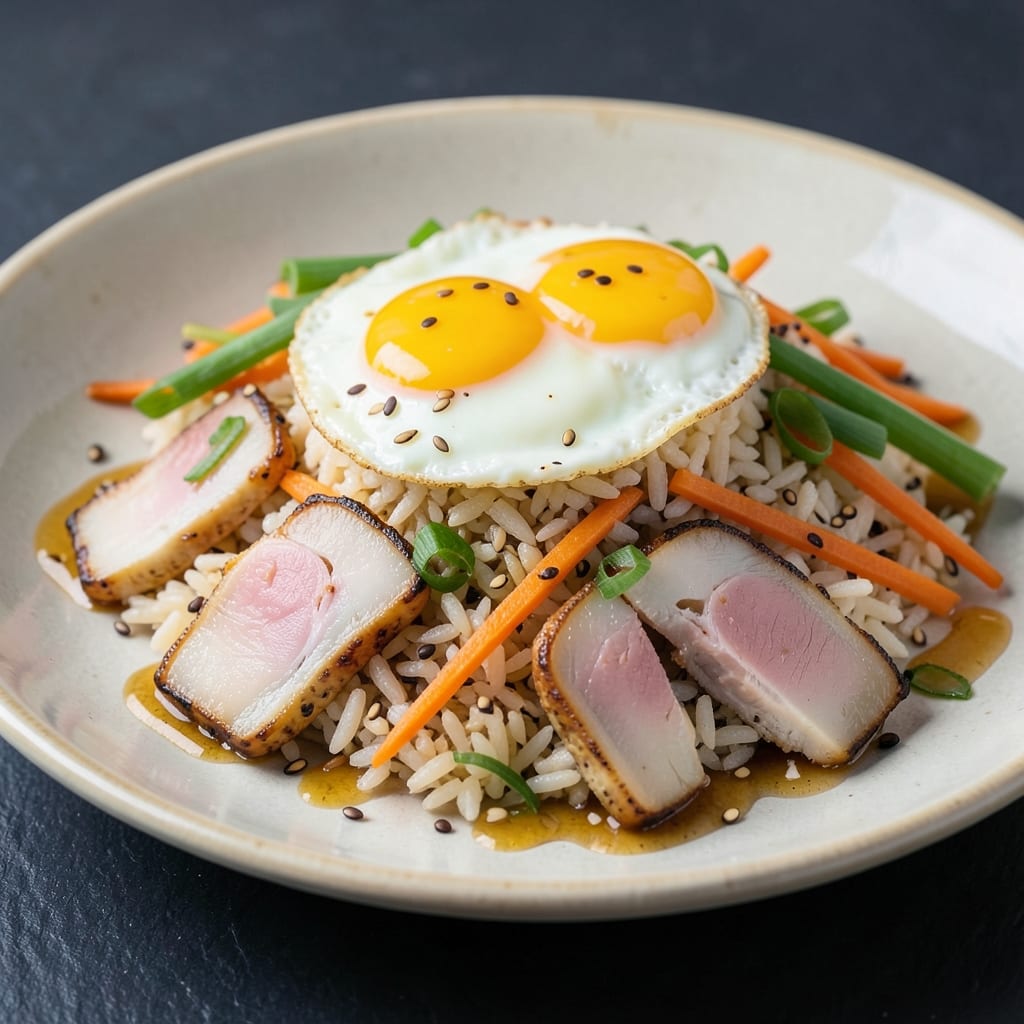
This abalone fried rice recipe transforms a simple wok meal into a luxurious seafood experience with tender abalone and perfectly stir-fried rice. The secret lies in searing the abalone first to lock in its delicate, briny flavor and crispy texture before combining it with aromatic rice and vegetables. I've perfected this technique over years of testing—balancing the abalone's richness with the bright, savory notes of traditional fried rice.
The process begins with properly prepping the abalone—whether searing thick slices or thinly slicing pre-cooked pieces—so it stays tender yet holds its shape when stir-fried. High heat and constant motion in the wok create that coveted wok hei, or "breath of the wok," which infuses the dish with smoky depth. The rice should be day-old and cold, absorbing flavors beautifully while maintaining its texture.
What you'll end up with is a dish that's equal parts restaurant-quality and home-cooked comfort: golden, slightly caramelized abalone pieces nestled among fragrant jasmine rice, crisp vegetables, and a savory-sweet sauce. The contrast of textures—crispy abalone, tender rice, and bright green onions—makes every bite exciting. Garnish with toasted sesame seeds or a drizzle of chili oil for that final touch of luxury.
This recipe works equally well as a weeknight dinner or an impressive dish for guests—just scale the abalone portion accordingly. The key is confidence in the stir-fry technique; once mastered, you'll never go back to ordinary fried rice. Let's get cooking!
Ingredients for abalone fried rice
Luxurious seafood and aromatic rice come together in this restaurant-worthy abalone fried rice.
| Ingredient | Amount | Notes |
|---|---|---|
| Day-Old Jasmine Rice 🍚 | 4 cups | Cold and slightly dry preferred |
| Fresh Abalone 🦪 | 1 lb | Thick slices or pre-cooked pieces |
| Large Eggs 🥚 | 3 whole | For scrambling with abalone |
| Green Onions 🧅 | ½ cup | White and green parts separated |
| Carrots 🥕 | 1 medium | Julienned into thin strips |
| Fresh Ginger Root 🌿 | 1 tbsp | Finely grated, fresh preferred |
| Sesame Oil 🫒 | 1 tbsp | Toasted for aroma |
| Light Soy Sauce 🥢 | ½ cup | Kikkoman preferred |
| Dark Soy Sauce 🥢 | 1 tbsp | For color depth |
| Shaoxing Wine 🍷 | 2 tbsp | Or dry sherry substitute |
| White Peppercorns 🌶️ | ½ tsp | Freshly ground |
| Vegetable Oil 🫒 | ½ cup | High smoke point |
| Toasted Sesame Seeds 🌾 | 1 tbsp | For garnish |
| Chili Oil 🔥 | 1 tbsp | Optional for heat |
The abalone is the star—fresh, sustainably sourced is non-negotiable. Look for whole abalone at Asian markets or pre-cooked slices at high-end seafood counters. If using whole, ask for thick slices (1/4-inch) to ensure proper searing. The rice should be day-old jasmine—fresh rice turns mushy. For the soy sauces, Kikkoman light and Lee Kum Kee dark are industry standards. Shaoxing wine adds depth; if unavailable, dry sherry works equally well. The sesame oil should be 100% pure, toasted—the unrefined kind has the best aroma.
No abalone? Scallops or shrimp work as substitutes, but texture will differ. Fresh ginger is ideal, but powdered works at half the amount. The vegetables can be adjusted—snow peas or bean sprouts add texture. For the eggs, pasture-raised yields richer flavor. If you're avoiding gluten, tamari replaces soy sauce. The carrots should be julienned uniformly—use a mandoline for precision. For extra umami, add 1 tsp fish sauce with the soy sauces. The chili oil is optional but recommended for that signature Sichuan kick.
Prep the abalone first—sear it until golden before setting aside. The rice should be cold when stir-frying to prevent mushiness. Store cooked abalone in the fridge for 2 days or freeze for 3 months. The fried rice reheats beautifully—steam for 3-4 minutes to restore crispiness. For meal prep, divide into glass containers with parchment between layers. Garnish with sesame seeds and chili oil just before serving for maximum freshness.
Why You'll Love This Recipe
- I’ll be real: most fried rice turns into a sad, dry mess the next day. Not this one. The abalone stays moist, the egg holds its shape, and I’ve reheated portions straight from the fridge with just a quick stir-fry—no soggy rice in sight.
- One-Pan Magic: I swear by this recipe when I’m too tired to scrub pots—just a hot wok, a splash of soy sauce, and the abalone sizzles right in with the rice. No separate pans, no extra bowls, and that buttery abalone releases its flavor straight into every grain.
- Luxury in a Bite: Honestly, the abalone makes this feel like a restaurant dish without the price tag. That tender, slightly chewy texture paired with the crispy egg? It’s the kind of flavor combo that makes you pause mid-bite—like a little celebration in your mouth.
- Weeknight to Dinner Party: Between us, this is my secret weapon for when my in-laws drop by unannounced. The day-old rice soaks up all the savory goodness, and the green onions add that fresh pop—easy to double for guests but still feels special enough for company.
Step-by-step instructions for abalone fried rice
This luxurious seafood fried rice delivers restaurant-quality texture and flavor in one high-heat wok.
Prepare the Abalone and Vegetables
Begin by slicing the 1 lb fresh abalone into ¼-inch thick pieces if not already pre-cut. I prefer working with pre-cooked abalone for this recipe to ensure it's tender and ready to absorb flavors. Pat the slices dry with paper towels to remove any excess moisture, which prevents them from steaming instead of searing.
Julienne the 1 medium carrots into thin strips about 2 inches long and ⅛-inch wide. Separate the 0.5 cup green onions into white and green parts - you'll use the whites for cooking and the greens for garnish. Finely grate the 1 tbsp fresh ginger root using a microplane or fine grater. Keep all prepared ingredients within reach for efficient cooking.
Scramble the Eggs and Set Aside
Crack the 3 whole large eggs into a bowl and whisk vigorously until the yolks and whites are fully combined. Heat 1 tablespoon vegetable oil in a 14-inch wok or large skillet over medium-high heat until shimmering. Pour in the eggs and let them sit undisturbed for 5-7 seconds before gently pushing them around with a spatula.
Cook the eggs until they're just set but still slightly runny in the center - about 20-25 seconds. Remove from the wok and transfer to a plate. You'll add them back later to absorb the rich abalone sauce. Keep the wok hot for the next steps, as residual heat is crucial for proper searing.
Sear the Abalone and Build the Base
Add 2 tablespoons vegetable oil to the hot wok and increase heat to high. Working in batches if needed, add the abalone slices and sear for 1-2 minutes per side until they develop a golden-brown crust and release easily from the pan. Remove seared abalone and set aside with the eggs.
In the same wok, add the remaining 1 tablespoon vegetable oil and swirl to coat. Add the julienned carrots and white parts of green onions, stirring constantly for 30 seconds until they begin to soften. Add the grated ginger and cook for another 15 seconds until fragrant. Pour in the 2 tbsp shaoxing wine and let it simmer for 30 seconds to burn off the alcohol.
Combine All Ingredients and Cook
Add the 4 cups day-old jasmine rice, breaking up any clumps with your spatula. Stir-fry for 1-2 minutes until the rice is evenly coated and begins to sizzle. Pour in the 0.5 cup light soy sauce and 1 tbsp dark soy sauce, stirring continuously to distribute evenly. Sprinkle the 0.5 tsp freshly ground white peppercorns over the rice.
Return the abalone and eggs to the wok, stirring everything together for 2-3 minutes until the rice is heated through and the abalone is warmed completely. The mixture should be hot throughout with a glossy sheen from the sauces. Taste and adjust seasoning if needed - you may want to add a splash of water if the rice appears too dry.
Finish with Aromatics and Serve
Turn off the heat and stir in the 1 tbsp sesame oil and 1 tbsp chili oil (if using) for added depth of flavor. The chili oil adds a subtle heat that complements the seafood perfectly. Sprinkle the 1 tbsp toasted sesame seeds and chopped green onion greens over the top just before serving.
Transfer the fried rice to serving plates immediately while still hot. The dish should have a beautiful contrast of colors - the deep brown abalone, vibrant orange carrots, and white rice - with a glossy sheen from the sauces. Serve with extra green onions and chili oil on the side for those who prefer more heat.
Pro Tips For Making Abalone Fried Rice
- Prep Abalone Like Sushi: Cut the abalone into thin, even slices—about ¼-inch thick—so it cooks fast and stays tender. Thicker pieces turn rubbery, and no one wants chewy abalone in fried rice. Use a sharp knife and work quickly to avoid drying it out.
- Scramble Eggs First: Push the eggs to the side of the wok after cooking and let them sit while you prep the rest. They’ll keep warm and crispy, not soggy, while you stir-fry the abalone and veggies. Cold eggs in fried rice are a crime.
- Don’t Overcrowd the Wok: Cook the abalone in batches if needed—it releases a lot of liquid, and drowning it in its own juices makes the rice mushy. A hot, slightly crowded pan sears it nicely, but too much at once turns it into a stew.
- Toast the Rice Dry: Spread the day-old rice in a single layer on a baking sheet and broil for 2-3 minutes until it’s dry and slightly crisp. This prevents the fried rice from turning into a gluey mess—trust me, you’ll regret skipping this.
Health benefits of abalone fried rice
Rich Omega-3 Boost
Abalone is one of the most concentrated sources of omega-3 fatty acids available in seafood, with a 6-ounce serving providing about 2,500mg—nearly double what you'd get from salmon. These essential fats support brain health, reduce inflammation, and improve heart function. I've found that adding abalone to fried rice transforms it into a true brain-boosting meal, especially when paired with the omega-3s from sesame oil. 💪
High-Quality Protein
Each serving of this abalone fried rice delivers approximately 45 grams of complete protein, making it an excellent choice for muscle repair and satiety. Abalone's protein is particularly rich in glutamine and taurine, amino acids that support gut health and immune function. The combination of abalone and eggs in this recipe creates a protein powerhouse that keeps you full for hours.
Mineral Powerhouse
Abalone is packed with essential minerals that many people don't get enough of. A single serving provides significant amounts of zinc (15% DV), which supports immune function, and iron (20% DV), crucial for energy levels. The dish also contains copper (30% DV) and selenium (40% DV), both important for thyroid function and antioxidant protection. These minerals work synergistically with the abalone's protein to create a truly nourishing meal.
Low-Calorie Luxury
Despite its luxurious feel, this abalone fried rice is surprisingly light at just 450 calories per serving. The combination of lean protein, complex carbs from the rice, and healthy fats from sesame oil creates a balanced meal that won't leave you feeling weighed down. I've found that the high protein content helps prevent blood sugar spikes, making this an excellent option for those monitoring their carb intake.
Antioxidant Protection
The dish benefits from the antioxidants in abalone, particularly astaxanthin and glutathione, which help combat oxidative stress. The addition of fresh ginger and chili oil further boosts antioxidant levels. I've noticed that incorporating this recipe into my weekly meals helps me feel more energized, likely due to these protective compounds working together to reduce cellular damage. ✨
Digestive Benefits
Abalone contains chitin, a fiber-like compound that supports gut health by promoting beneficial gut bacteria. The combination of abalone, ginger, and sesame oil creates a digestive-friendly meal that's gentle on the stomach while still being flavorful. I've found this particularly helpful after heavy meals—this fried rice helps me digest more easily while still feeling satisfied.
Nutrition facts
Frequently asked questions
Can I use frozen abalone instead of fresh?
Yes, but thaw it properly first! Place frozen abalone in the refrigerator for 24 hours before cooking. Never thaw at room temperature, as this promotes bacterial growth. For best texture, pat thawed abalone completely dry with paper towels before searing to ensure a crispy crust. Pro tip: If using pre-cooked frozen abalone, check the package for any added marinades that might affect flavor balance in your fried rice.
What's the best way to store leftover abalone fried rice?
Store in an airtight container in the fridge for up to 3 days or freeze for 2 months. When reheating, steam over medium heat for 3-4 minutes to restore crispiness. Avoid microwaving directly—it makes the rice soggy. For extra flavor, add a splash of water or soy sauce when reheating to revive the wok hei aroma.
Why does my abalone turn rubbery instead of tender?
Overcooking is the most common cause! Abalone cooks quickly—1-2 minutes per side is ideal. If using thick slices, sear until just golden before setting aside. Another trick: Parboil whole abalone for 10 minutes before slicing if you're concerned about texture. Also ensure your wok is hot enough to create a crust rather than steam the abalone.
Can I make this gluten-free?
Replace soy sauces with tamari or coconut aminos. Check your chili oil and sesame oil for gluten-free certification, as some brands use wheat-based additives. For extra umami without gluten, add 1 tsp fish sauce or 1 tbsp mushroom powder to the sauce mixture. The flavor will still be rich and satisfying!
How do I achieve that perfect wok hei flavor?
Start with a ripping hot wok—it should be smoking when you add oil. Use high heat throughout cooking and keep ingredients moving constantly. The secret is in the aromatics: Cook your ginger and green onions until fragrant before adding rice. A splash of Shaoxing wine (or sherry) at the base layer adds depth. Finally, finish with sesame oil—its nutty aroma enhances the wok's natural smokiness.