
Side Dishes
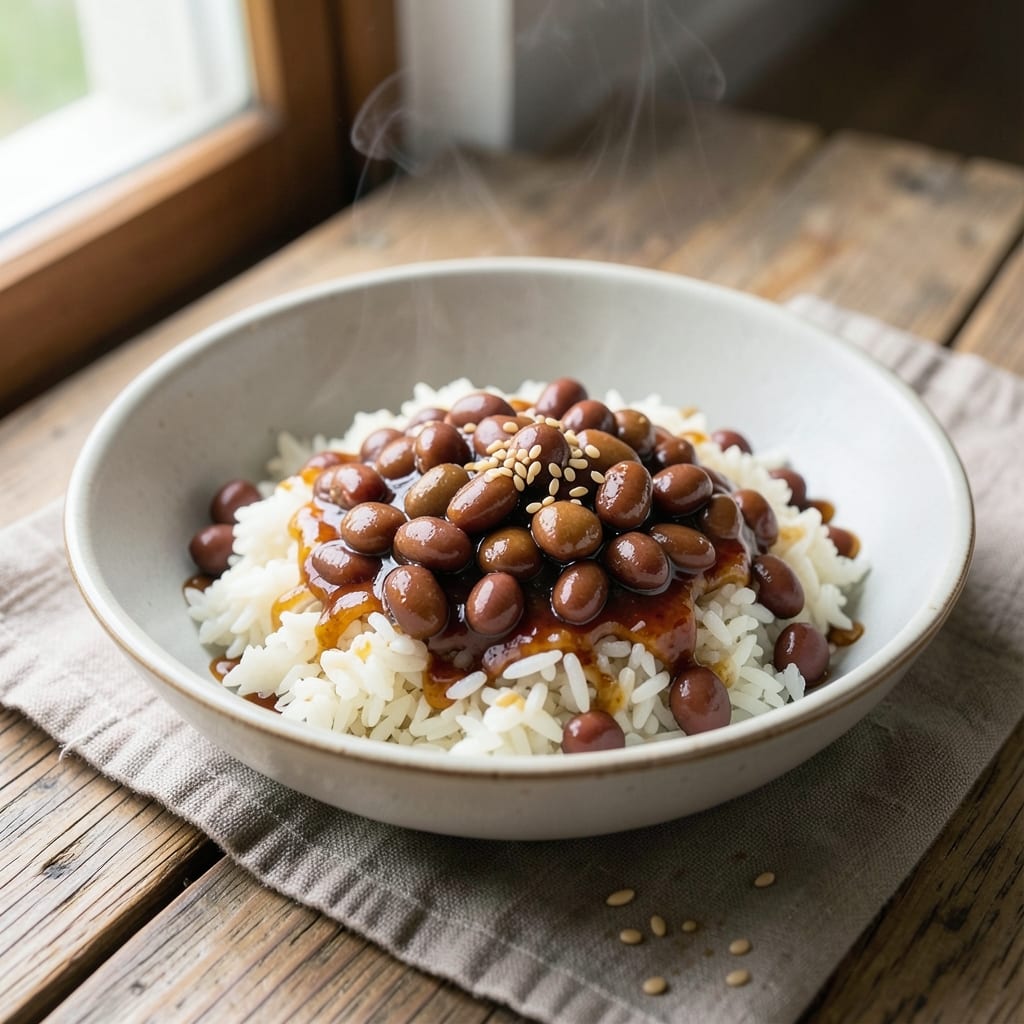
This adzuki beans and rice recipe transforms simple ingredients into a deeply satisfying one-pot dish that balances sweet, savory, and umami flavors. 💛 The secret lies in simmering dried adzuki beans with rice until they develop a tender, slightly sticky texture—no separate pots or complicated steps required. I first discovered this technique while adapting traditional Japanese red bean rice for a vegetarian meal, and it quickly became a staple in my rotation for its comforting yet elegant profile.
The beauty of this recipe is its versatility—it works equally well as a standalone meal or alongside grilled proteins. Short-grain rice absorbs the beans' natural sweetness and the subtle depth of soy sauce or miso, while a touch of sugar enhances the beans' inherent caramel notes. The process is straightforward: soak the beans overnight (or use canned for convenience), then simmer everything together until the rice is fluffy and the beans are perfectly tender. No special equipment needed beyond a heavy-bottomed pot.
What you'll end up with is a dish that's rich in texture and flavor—each bite offers a harmonious blend of chewy beans, fluffy rice, and a sauce that's simultaneously sweet, salty, and umami-packed. The aroma alone will have everyone gathering around the table, and the leftovers keep well for up to 5 days in the fridge, making it perfect for meal prep. This is comfort food with a sophisticated twist, and it's far more rewarding than takeout.
For an extra layer of depth, finish with a sprinkle of toasted sesame seeds or a drizzle of honey (if avoiding animal products), and serve with steamed greens or a simple miso soup. Here's how to create this foolproof one-pot harmony that's as nourishing as it is delicious.
Ingredients for adzuki beans and rice
Transform simple pantry staples into a deeply satisfying one-pot dish balancing sweet, savory, and umami flavors.
| Ingredient | Amount | Notes |
|---|---|---|
| Dried Adzuki Beans 🌱 | 1 cup | Rinsed before soaking overnight |
| Short-Grain White Rice 🍚 | 1 cup | Jasmine or sushi rice preferred |
| Water 💧 | 3 cups | Filtered preferred for clarity |
| Light Soy Sauce 🥄 | 2 tbsp | Kikkoman or similar quality |
| White Sugar 🍯 | 1 tbsp | Or coconut sugar for depth |
| White Miso Paste 🍶 | 1 tbsp | High-quality, fermented |
| Fresh Ginger 🧡 | 1 inch | Peeled, thinly sliced |
| Sesame Oil 🫒 | 1 tbsp | Toasted for aroma |
| Toasted Sesame Seeds 🌰 | 1 tbsp | For garnish |
| Diamond Crystal Kosher Salt 🧂 | ½ tsp | Adjusts to taste |
| Fresh Parsley 🌿 | ¼ cup | Chopped, for garnish |
The adzuki beans are the heart of this dish—look for high-quality dried beans at specialty stores like Mitsua or bulk sections at Whole Foods. If using canned, rinse thoroughly to remove excess sodium. Short-grain rice is essential for that signature sticky texture; jasmine or sushi rice works best. For the miso, Japanese brands like Honten deliver the most authentic umami depth. Fresh ginger should be firm and aromatic—avoid any with soft spots or dull color. The sesame oil and seeds add a nutty finish, so toast them lightly in a dry pan before using to maximize their flavor.
No dried adzuki beans? Substitute canned red kidney beans, but reduce the liquid by half since they're pre-cooked. Short on soy sauce? Coconut aminos work in a pinch, though the flavor will be slightly different. The miso paste can be swapped for white miso or even a dash of soy sauce plus a pinch of sugar if you're out. No fresh ginger? Ground ginger at half the amount will work, though fresh is preferred. For the sesame seeds, toasted pumpkin seeds provide a similar crunch. If you're avoiding sugar, maple syrup or date syrup can replace the white sugar while maintaining sweetness.
This dish reheats beautifully—simply add a splash of water and cover until warmed through. Store in an airtight container in the fridge for up to 5 days, though the flavors actually deepen overnight. For longer storage, freeze portions for up to 3 months. The rice and beans thicken as they cool, so stir in a splash of water when reheating. Garnish with sesame seeds and parsley just before serving to keep them vibrant. Leftovers make excellent lunches or can be repurposed into fried rice for a quick meal.
Why You'll Love This Recipe
- Here’s what sold me: that perfect balance of salty soy and just enough sugar to make it irresistible. The beans turn creamy, the rice stays sticky, and the whole thing has this cozy, almost dessert-like richness. It’s the kind of flavor that makes you go back for seconds without even thinking.
- No-Fuss Simmer: I swear by this recipe because it’s the kind of dish that forgives mistakes. Soak the dried adzuki beans overnight—yes, it’s worth it—but if you forget? No problem. Toss them in a pot with rice and water, let it bubble away while you do your thing, and by dinner, you’ve got a pot of sweet, tender beans and fluffy rice. That’s real convenience.
- Sweet-Savory Magic: Here’s what sold me: that perfect balance of salty soy and just enough sugar to make it irresistible. The beans turn creamy, the rice stays sticky, and the whole thing has this cozy, almost dessert-like richness. It’s the kind of flavor that makes you go back for seconds without even thinking.
- Weeknight Workhorse: Between us, this is my secret weapon for busy nights. Make a big batch on Sunday—it reheats beautifully—and suddenly you’ve got lunch and dinner covered. Pack it for work, serve it at a potluck, or just eat it straight from the pot. It’s unfussy, always welcome, and never lets you down.
Step-by-step instructions for adzuki beans and rice harmony
This one-pot method delivers perfectly balanced texture and flavor every time.
👨🍳 Step 1: Prepare the Adzuki Beans for Cooking
First, rinse the 1 cup dried adzuki beans thoroughly under cold water in a fine-mesh strainer until the water runs clear. This removes surface starch that can make the beans gummy. Transfer the rinsed beans to a bowl and cover with plenty of fresh water—at least 4 cups—then let them soak overnight in the refrigerator. Soaking reduces cooking time and ensures even tenderness.
Here's the thing—don't skip the soaking. Unsoaked adzuki beans take nearly 3 hours to cook properly, and they can develop a mealy texture. The overnight soak guarantees creamy, intact beans that hold their shape beautifully in the final dish. Drain and rinse the beans one final time before using them in the recipe.
🥘 Step 2: Layer Ingredients for Even Cooking
In a heavy-bottomed pot with a tight-fitting lid (I prefer a Dutch oven), combine the drained 1 cup short-grain white rice and 1 cup prepared adzuki beans. Add the 3 cups water, bringing the total liquid to 4 cups (the beans release moisture as they cook). Stir gently to distribute everything evenly—no need to be thorough, just break up any large clumps.
Next, add the 2 tbsp light soy sauce, 1 tbsp white sugar, 1 tbsp white miso paste, 1 inch peeled fresh ginger (thinly sliced), and 0.5 tsp diamond crystal kosher salt. Give everything one more gentle stir, making sure the miso paste dissolves completely. The miso adds deep umami flavor while the ginger provides a bright, aromatic counterpoint to the sweet-savory profile.
🔥 Step 3: Cook Until Tender and Flavor-Infused
Bring the mixture to a boil over medium-high heat, then immediately reduce to low heat once boiling. Cover tightly with the lid and cook for 40-45 minutes. This low-and-slow approach prevents the rice from becoming mushy while allowing the beans to absorb flavor and soften perfectly. Don't peek or stir during cooking—this disrupts the even cooking process.
After 40 minutes, check for doneness by pressing a bean with a fork. It should be tender but still hold its shape with a slight bite. If the mixture looks dry before the beans are fully cooked, add 2-3 tablespoons of hot water through the lid's steam vent. The beans and rice should be cooked through but still have a slight texture—this prevents a gummy final consistency.
🍳 Step 4: Finish with Aromatics and Garnish
Once the beans and rice are perfectly tender, remove the pot from heat and let it sit covered for 5 minutes. This resting period allows the flavors to meld and the rice to finish absorbing any remaining liquid. Then, stir in the 1 tbsp sesame oil and 1 tbsp toasted sesame seeds, pressing them gently into the mixture. The sesame oil adds nutty depth while the seeds provide both texture and visual appeal.
Finally, transfer the dish to serving bowls and garnish with the 0.25 cup chopped fresh parsley. The parsley brightens the dish with freshness and provides a beautiful contrast to the warm, earthy tones of the beans and rice. Serve immediately while still hot—this dish tastes best straight from the pot when all the aromas are at their peak.
Pro Tips For Making Adzuki Beans And Rice
- SOAK BEANS OVERNIGHT: I learned this the hard way—skipping the soak leaves you with beans that stay rock-hard no matter how long you simmer. Toss dried adzuki beans in cold water (about 4 cups per cup of beans) and let them sit 12+ hours. Drain and rinse before cooking, and they’ll soften like a dream. (Yes, even if you’re impatient like me, the extra time makes a real difference.)
- SIMMER BEANS LOW AND Slow: After burning three batches, I finally figured out: adzuki beans need patience. Once boiling, drop the heat to a bare simmer—just enough to keep tiny bubbles breaking the surface—and cover the pot. Too much heat turns them mushy; too little leaves them tough. Aim for 1.5–2 hours, stirring occasionally to prevent sticking.
- RINSE RICE UNTIL WATER CLEARS: Sounds weird, but it works: rinse short-grain rice 3–4 times until the water runs nearly clear. This cuts excess starch, which keeps the rice from turning gluey when mixed with the beans. My grandmother swore by this, and she was right: the texture stays light and separate, not clumpy.
- SWEETEN SOY SAUCE LAST: Skip adding sugar or soy sauce to the beans early—they’ll break down and make the dish overly salty or cloying. Instead, stir in 1 tablespoon soy sauce and 1 tablespoon sugar per cup of beans after they’re tender. Taste as you go; you can always add more, but you can’t take it out. (Your future self will thank you.)
Serving suggestions for leftovers
Garnish Like a Pro
Finish your adzuki beans and rice with toasted sesame seeds and chopped parsley for that restaurant-quality touch. I like to toast the sesame seeds in a dry skillet over medium heat for 1-2 minutes until golden—just until you smell that nutty aroma. The parsley adds freshness and a pop of color, so chop it just before serving to keep it vibrant. For extra flair, add a drizzle of light honey or a sprinkle of red pepper flakes if you want to play with sweet and spicy contrasts. 🌿
Pair with Light Sides
This dish is hearty enough to stand alone, but it pairs beautifully with lighter sides. A simple steamed bok choy with a splash of soy sauce keeps things fresh and crunchy. For extra texture, serve with quick-pickled cucumbers—toss thinly sliced cucumbers with 1 tbsp rice vinegar, ½ tsp sugar, and a pinch of salt. Let them sit for 10 minutes before serving. The acidity cuts through the richness of the beans and rice perfectly. 🥒
Complement with Miso Soup
Elevate your meal with a small bowl of miso soup on the side. Use 1 tbsp white miso paste, 1 cup dashi stock (or vegetable broth), and a handful of tofu cubes. Simmer gently for 5 minutes, then add green onions and wakame seaweed for texture. The soup’s umami depth enhances the dish without overpowering it. For a vegetarian twist, skip the fish-based dashi and use mushroom broth instead. 🍜
Serve with Grilled Proteins
While this dish is vegetarian, it’s fantastic alongside grilled proteins for a balanced meal. Try teriyaki-glazed tofu or grilled chicken thighs brushed with soy-ginger marinade. The smoky char of the protein contrasts beautifully with the soft, sweet-savory beans and rice. For a seafood option, shrimp skewers with garlic and lemon add a bright, briny note. 🍗
Dessert Pairing Idea
End your meal with a sweet contrast—matcha green tea ice cream or red bean mochi ties back to the dish’s flavors. The earthy matcha complements the soy and ginger notes, while the chewy mochi echoes the adzuki beans’ texture. For a quick homemade option, blend 1 cup frozen mango, 2 tbsp Greek yogurt, and 1 tsp matcha powder for a refreshing sorbet. 🍡
Meal Prep Serving Tips
Store leftovers in an airtight container for up to 5 days—the flavors actually improve as they meld. When reheating, add 1-2 tablespoons of water to prevent drying out. For a cold meal prep option, serve the dish at room temperature with quick-pickled radishes and a side of edamame. The contrast of warm and cool elements makes it feel fresh even days later. ✨
Nutrition facts
Frequently asked questions
Can I use canned adzuki beans instead of dried?
Yes, but adjust the liquid ratio! Canned beans are pre-cooked, so reduce the water by ½ cup (use 2.5 cups total) and simmer for just 25-30 minutes instead of 40-45. Drain and rinse canned beans well to remove excess sodium. The texture will be slightly softer but still delicious.
What rice works best for this recipe?
Short-grain rice like jasmine or sushi rice is ideal—it absorbs liquid beautifully and creates that signature sticky texture. Long-grain rice (like basmati) will be too dry. For extra fluffiness, rinse the rice until the water runs clear before cooking.
Why did my beans turn mushy?
Overcooking or insufficient soaking time are the most common causes. Always soak dried beans overnight (or at least 4 hours) and avoid peeking/stirring during cooking. If the beans split easily, reduce cooking time by 5-10 minutes next time.
Can I make this dish in a rice cooker?
Use the same ingredients but reduce water to 2 cups (rice cookers use less liquid). Cook on high pressure for 20 minutes, then switch to "keep warm" for 10 more minutes. Stir in sesame oil and seeds after cooking—rice cookers can't handle oil during the cycle.
How can I make this sweeter or spicier?
For sweetness, add 1 extra tbsp sugar or drizzle 1 tsp honey at the end. For heat, stir in ½ tsp red pepper flakes during cooking or top with sriracha before serving. Balance is key—start with small amounts and adjust to taste!