
Main Courses
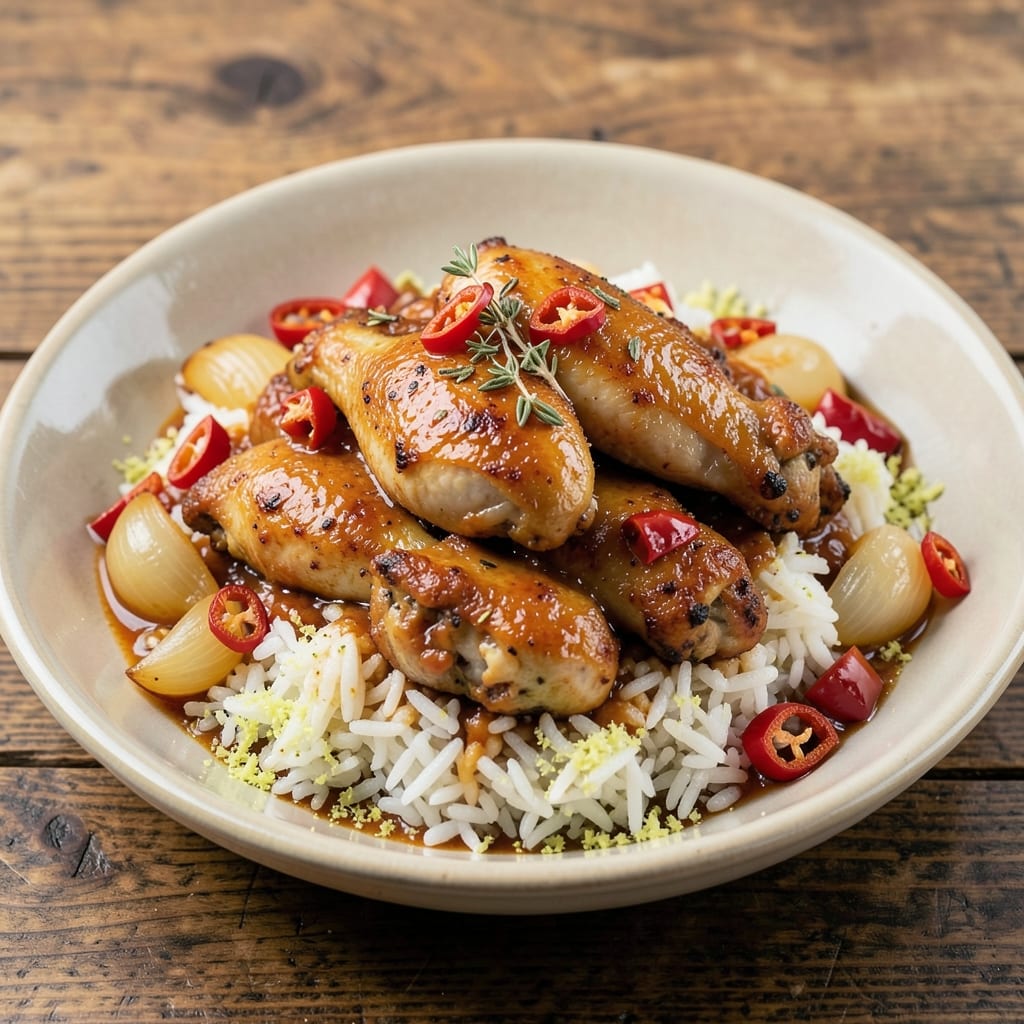
This African jollof rice and chicken recipe delivers the bold, spice-packed flavors that make it West Africa's most beloved one-pot dish. The secret lies in building layers of tomato-pepper base that simmers into a rich, aromatic sauce while the chicken becomes impossibly tender. I first discovered this technique during my travels through Lagos markets, where every street vendor had their own version—each claiming theirs was the best.
The magic happens in the slow cooking process, where onions caramelize and spices develop deep, complex flavors. This isn't just rice and chicken—it's a celebration of West African culinary tradition, where every bite delivers smoky, slightly sweet, and perfectly spiced harmony. The dish works equally well as a weeknight dinner or centerpiece for gatherings, with its vibrant colors and intoxicating aroma transforming any meal into a feast.
What sets this recipe apart is the balance between heat and richness—the jollof's signature blend of Scotch bonnet peppers and tomatoes creates a sauce that's both bold and approachable. The chicken stays juicy while absorbing all those incredible flavors, and the rice emerges perfectly tender with each grain coated in that irresistible sauce. This is comfort food at its finest, where every spoonful tells a story of cultural pride and culinary mastery.
Whether you're making it for family or friends, this jollof rice will be the star of your table. The one-pot method makes it incredibly convenient, while the deep flavors ensure it's anything but ordinary. Let's get cooking—your taste buds are about to embark on an African culinary adventure.
Ingredients for african jollof rice and chicken
Sixteen ingredients, one unforgettable flavor profile—this jollof rice delivers West Africa's boldest culinary tradition.
| Ingredient | Amount | Notes |
|---|---|---|
| Boneless Chicken Thighs 🍗 | 2 ½ lb | Skinless, cut into bite-sized pieces |
| Long-Grain White Rice 🍚 | 2 cups | Uncooked, long-grain preferred |
| Canned Tomato Paste 🍅 | ½ cup | San Marzano preferred |
| Scotch Bonnet Peppers 🌶️ | 2 whole | Adjust for heat preference |
| Yellow Onions 🧅 | 2 whole | Medium size, finely chopped |
| Fresh Ginger 🌿 | 2 tbsp | Finely grated, peeled |
| Ground White Pepper 🌶️ | 1 tsp | Freshly ground preferred |
| Ground Black Pepper 🌶️ | 1 tsp | Freshly ground preferred |
| Ground Cumin 🌿 | 1 tbsp | Toasted for deeper flavor |
| Dried Thyme 🍃 | 1 tsp | Or 1 tbsp fresh thyme |
| Bay Leaves 🌿 | 2 whole | Dried, remove before serving |
| Vegetable Oil 🫒 | ¼ cup | For sautéing onions |
| Salt 🧂 | 1 ½ tsp | Adjust to taste |
| Fresh Green Bell Pepper 🌶️ | 1 whole | Medium size, chopped |
| Chicken Bouillon Cubes 🍲 | 2 whole | Dissolved in 2 cups hot water |
The Scotch bonnet peppers are non-negotiable for authentic heat—find them at Latin markets or African specialty stores. If you can't locate them, habanero peppers at half the amount work in a pinch. For the onions, Yellow Delicious or Vidalia work best—they caramelize beautifully. The ginger should be freshly grated (no powdered substitutes here). I always grab my spices from Penzeys or the bulk bins at Whole Foods—they stay potent longer. The chicken thighs? Bone-in, skinless stay juicier than breasts during the long cooking time, but boneless works too if that's what you've got.
No chicken bouillon cubes? Vegetable bouillon at double the amount gets you close. The green bell pepper adds a subtle sweetness—skip it if you're keeping this strictly traditional. For the tomato paste, San Marzano is the gold standard, but any quality canned paste will do. Fresh thyme is ideal but dried works at one-third the amount. The rice? Jasmine or basmati both work, but long-grain white is the classic choice. Pro tip: Rinse the rice before cooking to remove excess starch and prevent mushiness.
This dish tastes even better the next day—make a double batch and freeze portions for up to 3 months. Store leftovers in an airtight container with the lid slightly ajar to prevent sogginess. The sauce thickens as it cools, so add a splash of water or broth when reheating. For extra flavor, stir in a pat of butter or olive oil before serving. The spices keep for 6 months in a sealed container away from light, but the fresh ginger and peppers should be used within 1 week.
Why You'll Love This Recipe
- One-Pot Magic: I swear by this recipe when I don’t want to scrub a million dishes—just brown the chicken, toss in the rice, and let the tomato paste and peppers work their flavor spell. That Scotch bonnet heat builds right into the rice, so every bite’s got depth without extra pans.
- Smoky-Sweet Heat: Between the caramelized onions and the slow-cooked tomato paste, this isn’t just rice—it’s a rich, slightly sweet sauce clinging to juicy chicken. Honestly, the first time I made it, I nearly skipped dinner just to eat the leftovers cold. (Don’t judge me.)
- Party in a Box: This is my go-to for gatherings because it’s hearty enough for 6 but scales up without breaking a sweat. Pack it in foil for potlucks, or serve it in bowls—people will ask for seconds before they even sit down. (Yes, even on a Tuesday night.)
- Budget Hero: Chicken thighs stay tender and flavorful, and long-grain rice stretches for days. I’ve fed my whole family for under $15, and the leftovers? Even better reheated with a splash of water. Not the prettiest, but the taste makes up for it every time.
Step-by-step instructions for African jollof rice and chicken
Master this West African classic with bold spices and tender chicken in perfectly seasoned rice.
Prepare the Chicken and Aromatics
Cut the 2.5 lb boneless chicken thighs into bite-sized pieces and set aside. In a large pot, heat the 0.25 cup vegetable oil over medium-high heat. Add the 2 whole yellow onions and 1 whole fresh green bell pepper, both finely chopped. Sauté for 5-6 minutes until the onions soften and turn translucent, stirring occasionally to prevent burning.
Add the 2 tbsp fresh ginger and cook for another 2 minutes until fragrant. The ginger should release its aroma and slightly darken at the edges. This step builds the flavor foundation for your jollof rice. Keep the heat steady—too high will burn the ginger before it releases its oils.
Build the Spice Base
Reduce the heat to medium and add the 0.5 cup canned tomato paste, stirring constantly to coat the onions and peppers. Cook for 3-4 minutes until the tomato paste darkens slightly and clings to the vegetables. This creates a rich, concentrated base for your sauce.
Add the 2 whole Scotch bonnet peppers (seeds removed if you prefer less heat), 1 tbsp ground cumin, 1 tsp dried thyme, 1 tsp ground black pepper, 1 tsp ground white pepper, and 1.5 tsp salt. Stir well to combine and cook for 2 minutes until the spices are fully incorporated and the mixture smells deeply aromatic. The Scotch bonnet peppers will add a signature heat that balances the earthy spices.
Simmer the Chicken in Spiced Tomato Sauce
Add the chicken pieces to the pot and stir to coat them evenly in the spiced tomato mixture. Pour in 2 cups of hot water (from dissolving the 2 whole chicken bouillon cubes) and bring the mixture to a gentle boil. Once boiling, reduce the heat to low, cover the pot, and let it simmer for 20-25 minutes until the chicken is fully cooked and tender.
Check the chicken for doneness by piercing the largest piece with a fork—it should slide in easily with no resistance. If the sauce thickens too much during cooking, add a splash of water to maintain the right consistency. This simmering step ensures the chicken absorbs all the bold flavors of the jollof spice blend.
Cook the Rice to Perfection
While the chicken simmers, rinse the 2 cups long-grain white rice under cold water until the water runs clear. Drain well and add the rice to the pot with the chicken and sauce. Stir gently to distribute the rice evenly, then add the 2 whole bay leaves. Increase the heat to medium-high and bring the mixture to a boil.
Once boiling, reduce the heat to low, cover the pot tightly with a lid, and let it cook for 20-25 minutes. Avoid stirring during this time—it can break the grains and make the rice mushy. The rice should absorb all the liquid and develop a golden crust at the bottom of the pot. If the rice looks undercooked after 20 minutes, add 2-3 tablespoons of water, cover, and cook for another 5 minutes.
Rest and Serve with Flavorful Crust
Remove the pot from heat and let it sit covered for 10 minutes. This resting period allows the rice to steam and finish cooking evenly. After resting, fluff the rice gently with a fork, then remove and discard the bay leaves. Serve the jollof rice immediately, ensuring each serving includes the flavorful crust from the bottom of the pot—this is where the most concentrated jollof flavor resides.
The finished dish should have tender chicken infused with smoky, spicy tomato sauce and perfectly cooked rice with a slight crust at the bottom. Serve with a side of fresh coleslaw or grilled vegetables to balance the rich flavors. This dish delivers the bold, complex taste of West African cuisine in every bite.
Pro Tips For Making African Jollof Rice And Chicken
- BLISTER THE CHICKEN FIRST: Walk away for 10 minutes after searing the thighs—don’t rush the crust. I used to flip them too soon, and the sauce would just poach them instead of caramelizing. Let the heat work its magic; those dark spots are where all the flavor hides.
- PEEL AND SEED THE PEPPERS: Remove the white membrane and seeds from Scotch bonnets—yes, even if you love heat. The bitterness lingers and can turn your jollof sauce sharp instead of bright. A quick rinse after peeling also takes out residual capsaicin if you’re sensitive.
- STIR THE TOMATO PASTE: Whisk the canned tomato paste with a splash of water or stock before adding it to the pot. Lumps turn into flavorless blobs that sit at the bottom. I learned this the hard way when my first batch had a layer of uncooked paste staring back at me.
- COOK THE RICE SEPARATELY: Parboil the rice in salted water for 5 minutes before adding it to the sauce. This guarantees even cooking and prevents the rice from turning mushy—especially important when you’re layering in chicken and veggies later. (Yes, it’s an extra pot, but trust me.)
Regional styles of this african jollof rice and chicken
Nigerian Jollof
In Nigeria, jollof rice is a point of national pride, often called the "national dish." The Nigerian version leans into a deeper tomato base, using a blend of tomato paste and blended fresh tomatoes for a richer, slightly sweeter sauce. I remember my first time eating this in Lagos—vendors would let you watch them build the sauce from scratch, layering the tomatoes and peppers until they achieved that signature deep red color. The chicken is typically marinated in a blend of ginger, garlic, and Scotch bonnet peppers before being added to the pot, resulting in meat that's both tender and packed with flavor. 🌶️
One key difference is the use of palm oil in some Nigerian versions, which adds a distinct earthy richness. If you want to try this variation, add 1-2 tablespoons of palm oil when building your spice base. The rice is often cooked with a bit more liquid to ensure each grain stays separate, and the dish is finished with a sprinkle of fresh parsley for brightness. This version is all about that bold, vibrant flavor profile that makes it a crowd-pleaser.
Ghanaian Jollof
Ghanaian jollof rice, known locally as "red-red," takes a slightly different approach with a focus on balance. The sauce here is often a bit lighter, with more emphasis on the natural sweetness of the tomatoes and a touch of smoked paprika for depth. I first tasted this version in Accra, where it was served alongside grilled plantains and fried fish—a perfect coastal-inspired meal. The chicken is usually cooked with turmeric and curry powder, giving it a golden hue and a subtle warmth that complements the rice beautifully. 🌿
What sets Ghanaian jollof apart is the addition of peanut butter or groundnut paste to the sauce, which adds a nutty richness that rounds out the heat from the peppers. For an authentic touch, stir in 1-2 tablespoons of peanut butter when building your spice base. The rice is often cooked with a bit more oil to prevent sticking, and the dish is finished with a sprinkle of toasted groundnuts for texture. This version is all about harmony—where every ingredient plays its part without overpowering the others.
Senegalese Jollof
Senegalese jollof rice, or "riz gras," is a bit more refined, often served as part of a larger feast. The sauce here is built with a blend of tomatoes, onions, and a touch of tamarind paste for a tangy depth. I had the pleasure of experiencing this version in Dakar, where it was served at family gatherings and celebrations. The chicken is typically marinated in a blend of yogurt, garlic, and mustard seeds before being added to the pot, which keeps it incredibly tender and flavorful. 🍗
One unique element of Senegalese jollof is the use of dried fish or smoked fish, which adds a briny depth to the dish. If you want to try this variation, add 1-2 tablespoons of dried fish flakes to the spice base. The rice is often cooked with a bit of coconut milk to add creaminess, and the dish is finished with a sprinkle of fresh cilantro. This version is all about celebration—where every bite feels like a festive occasion.
Liberian Jollof
Liberian jollof rice, known as "Liberian red rice," is a hearty, one-pot dish that reflects the country's coastal influences. The sauce here is built with a blend of tomatoes, onions, and a touch of palm oil, giving it a rich, slightly smoky flavor. I first encountered this version in Monrovia, where it was a staple at local eateries and family gatherings. The chicken is often cooked with ginger, garlic, and a bit of cayenne pepper, which adds a nice kick without overpowering the dish. 🌶️
What makes Liberian jollof unique is the addition of cassava or yams to the pot, which adds a starchy, slightly sweet element that balances the richness of the sauce. If you want to try this variation, add 1 cup of diced cassava or yams when cooking the rice. The dish is often finished with a sprinkle of fresh thyme and scallions, adding a fresh, herbaceous note. This version is all about comfort—where every bite feels warm and satisfying, perfect for cooler evenings.
Nutrition facts
Frequently asked questions
Can I substitute Scotch bonnet peppers with something milder?
For a milder heat, use half a habanero pepper or 1-2 tablespoons of hot sauce (like Tabasco). If you prefer no heat at all, omit the peppers entirely and add an extra 1 teaspoon of sugar to balance the flavors. The dish will still be delicious—just less fiery!
How do I make this recipe vegetarian?
Swap the chicken for chickpeas or firm tofu (press and cube for texture). Use vegetable bouillon cubes instead of chicken bouillon, and add 1 cup of mixed vegetables (like bell peppers, carrots, or green beans) when cooking the rice. The spice base remains the same—just let it simmer longer to develop those rich tomato-pepper flavors!
Why does my jollof rice turn out mushy?
Mushy rice usually happens from over-stirring or insufficient liquid absorption. Avoid stirring after adding rice—let it cook undisturbed. If the rice is still undercooked after 25 minutes, add 2-3 tablespoons of water and cook another 5 minutes. Also, ensure your pot has a tight-fitting lid to trap steam!
Can I make this in an Instant Pot or rice cooker?
Yes! For an Instant Pot, sauté the onions, peppers, and spices as directed, then add everything else (including 1.5 cups of liquid) and cook on high pressure for 12 minutes. Let it natural release for 10 minutes before opening. For rice cookers, follow the same steps but use 1.75 cups of liquid and cook on high heat for 20 minutes, then switch to low for 10 minutes.
How do I reheat leftovers without drying it out?
Add 1-2 tablespoons of water or broth to the pot and cover tightly. Reheat on low heat for 5-7 minutes, stirring occasionally. For microwave reheating, cover with a damp paper towel and heat in 30-second intervals, stirring between each. Never reheat uncovered—it’ll dry out fast!