
Main Courses
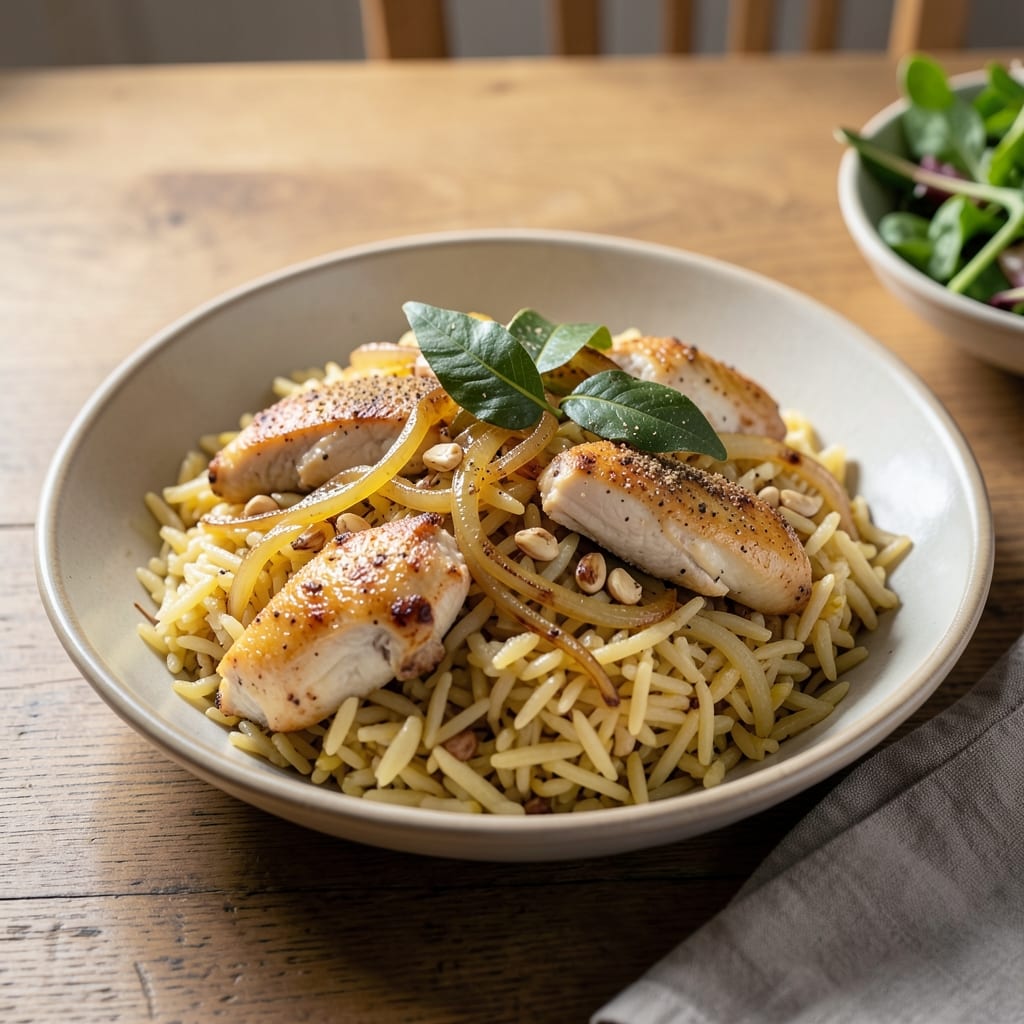
This Aroma rice cooker pilaf recipe transforms simple basmati rice into a fragrant, restaurant-worthy dish with minimal effort. The secret lies in toasting whole spices and aromatics directly in the rice cooker pot before adding liquid, creating layers of flavor that infuse the grains perfectly. I developed this method after struggling with unevenly cooked pilafs that either turned mushy or stayed dry—until I discovered how the rice cooker’s consistent heat distribution solves both problems.
The beauty of this approach is its versatility: you can customize it with chicken, lamb, or vegetables while maintaining the same foolproof technique. The rice cooker handles the timing automatically, so you won’t need to monitor it closely. What you’ll end up with is fluffy, separate grains of basmati rice coated in aromatic broth, topped with crispy toasted spices that add both texture and depth. Each bite delivers a balance of savory, nutty, and slightly sweet notes that make this pilaf feel special without requiring advanced skills.
What sets this recipe apart is how it leverages the rice cooker’s built-in features—like the keep-warm function—to keep the pilaf perfectly textured even after cooking. The toasted spices (cumin, bay leaves, and cardamom) develop a subtle crunch when added back at the end, while the basmati rice absorbs the flavorful broth just enough to stay tender. This method ensures you’ll never again settle for bland, soggy rice or dry, overcooked grains. The result is a dish that’s elegant enough for dinner guests but simple enough for a weeknight meal.
Whether you’re feeding a family or meal prepping for the week, this pilaf scales effortlessly and tastes even better the next day. The rice cooker does all the work while you focus on assembling the ingredients, making it the perfect solution for busy cooks who still want restaurant-quality results. Ready to elevate your rice game? Let’s get started.
Ingredients for aroma rice cooker pilaf
Simple ingredients that transform into restaurant-style pilaf with minimal effort.
| Ingredient | Amount | Notes |
|---|---|---|
| Long-Grain Basmati Rice 🍚 | 1 ½ cups | Uncooked, rinsed thoroughly |
| Chicken Broth 💧 | 2 cups | Low-sodium preferred |
| Yellow Onion 🧅 | 1 whole | Medium size, diced |
| Garlic Cloves 🧄 | 4 cloves | Peeled, minced |
| Ground Cumin 🌿 | 1 tbsp | Toasted for depth |
| Bay Leaves 🍃 | 2 whole | Fresh or dried |
| Green Cardamom Pods 🌿 | 4 whole | Lightly crushed |
| Extra-Virgin Olive Oil 🫒 | 2 tbsp | For toasting spices |
| Salt 🧂 | 1 tsp | Kosher or sea salt |
| Black Peppercorns 🌶️ | 8 whole | Lightly crushed |
| Fresh Parsley 🌿 | ¼ cup | Chopped, for garnish |
| Chicken Breast 🍗 | 1 lb | Boneless, skinless, diced |
| Lemon Juice 🍋 | 1 tbsp | Freshly squeezed |
The spices are where the magic happens. Whole cardamom pods and bay leaves add layers of aroma that dried spices can't match—look for them in the spice aisle or bulk bins at Whole Foods or Trader Joe's. The cumin should be toasted until it smells nutty (about 30 seconds in the pot), not burnt. For the chicken, boneless, skinless breasts stay juicy—cut into bite-sized pieces so they cook evenly alongside the rice. If you're feeling fancy, swap in shredded rotisserie chicken at the end for extra flavor with zero effort.
No cardamom? Cinnamon at half the amount gives a similar warmth, though it won't be identical. Short on chicken? Chickpeas or diced butternut squash work beautifully—they just need a few extra minutes to soften. The broth is non-negotiable for flavor, but vegetable broth works too if you're vegetarian. For the lemon juice, bottled is fine in a pinch, but fresh brightens everything up. The parsley is purely for garnish, so skip it if you're prepping ahead—it'll wilt fast anyway.
This pilaf tastes even better the next day, so double the batch if you can. Store leftovers in an airtight container for up to 5 days—the rice cooker keeps it perfectly textured. For meal prep, portion into containers with a sprinkle of parsley on top. The toasted spices lose their crunch after a day, so if you're reheating, toast fresh spices in a dry pan and mix them in right before serving. Freezes beautifully for 3 months—just thaw in the fridge overnight.
Why You'll Love This Recipe
- Here’s what sold me: the way the basmati grains stay separate with just the right bite, while the cumin and garlic infuse the broth into something ridiculously flavorful. Not too heavy, not too bland—it’s that perfect balance where every bite tastes like you put in effort (but you didn’t).
- Set-and-Forget Magic: I swear by this recipe on days when I’d rather not stand at the stove. Toss the rice, broth, and spices into the rice cooker, press start, then walk away—no stirring, no stress. The aroma alone (hint: that toasty cumin and garlic) wakes up the whole house by the time it’s done.
- Cumin-Kissed Crunch: Here’s what sold me: the way the basmati grains stay separate with just the right bite, while the cumin and garlic infuse the broth into something ridiculously flavorful. Not too heavy, not too bland—it’s that perfect balance where every bite tastes like you put in effort (but you didn’t).
- Lunchbox Hero: Between us, this pilaf is my go-to for meal prep. Make a big batch on Sunday, and it’s lunch sorted for the week—pairs perfectly with roasted veggies or grilled chicken. My kids actually ask for it (yes, even on a Tuesday night), and it reheats like a dream.
Step-by-step instructions for aroma rice cooker pilaf
Here's how to make restaurant-quality pilaf using your rice cooker—fragrant, perfectly textured, and packed with spiced chicken.
Sear the Chicken and Build Spice Crunch
Heat the 2 tablespoons extra-virgin olive oil in a large skillet over medium-high heat. Add the 1 pound diced chicken breast and cook for 5-6 minutes until lightly browned and cooked through (internal temperature 165°F). Remove the chicken and set aside.
In the same pan, add the 1 whole diced yellow onion and cook for 4-5 minutes until softened. Add the 4 minced garlic cloves and cook for 30 seconds until fragrant. Stir in the 1 tablespoon ground cumin, 2 whole bay leaves, 4 lightly crushed green cardamom pods, 8 lightly crushed black peppercorns, and 1 teaspoon salt. Cook for 1 minute until the spices are toasted and aromatic—this creates that irresistible crunch.
Toast the Spiced Chicken Mixture
Return the cooked chicken to the skillet and stir to combine with the spiced onions and garlic. Cook for 2 minutes to let the flavors meld. Remove from heat and transfer everything to your rice cooker insert. Add the 2 cups chicken broth and stir gently to combine.
Here's the thing—don't skip this step. The toasted spices and chicken mixture will infuse the broth with deep, complex flavors that turn ordinary rice into something extraordinary.
Layer the Rice and Cook
Rinse the 1.5 cups long-grain basmati rice thoroughly under cold water until the water runs clear. This removes excess starch and prevents gummy rice. Add the rice to the rice cooker insert with the chicken mixture and stir gently just once to distribute the rice evenly.
Add the 1 tablespoon freshly squeezed lemon juice and give it one final stir. The lemon juice brightens the dish and balances the rich spices. Place the lid on the rice cooker and select the "white rice" setting. Let it cook undisturbed until the rice is tender and the liquid has been absorbed.
Rest and Garnish for Perfect Texture
Once the rice cooker indicates the rice is fully cooked, let it rest for 5 minutes with the lid on. This resting period allows the steam to redistribute, ensuring each grain is perfectly fluffy. Open the lid and gently fluff the rice with a fork to separate the grains.
Garnish with the 0.25 cup chopped fresh parsley just before serving. The parsley adds a fresh contrast to the warm, spiced pilaf. Serve immediately while the rice is hot and the chicken is juicy—every bite should be fragrant with toasted spices and tender chicken.
Pro Tips For Making Aroma Rice Cooker Pilaf
- TOAST THE SPICES FIRST: I learned this the hard way—skipping the quick toast for cumin and garlic means flavor hiding in the background. Heat ½ teaspoon of cumin and 3 minced garlic cloves in oil for 30 seconds until fragrant (not brown) before adding onions. This unlocks their aroma and makes your pilaf taste like it simmered for hours.
- LAYER ONIONS IN RINGS: Thinly sliced onions caramelize faster and distribute flavor evenly. Cut the onion into ⅛-inch rings instead of chopping—this gives your pilaf a delicate texture and deeper sweetness without burning. Cook them low and slow until golden, then stir them into the rice just before adding broth.
- USE COLD BROTH: Hot broth makes basmati rice mushy in a rice cooker. Measure your chicken broth cold, then heat it separately until steaming—just before adding to the rice. The temperature shock prevents overcooking and keeps grains separate. (Yes, even if you’re impatient like me.)
- STIR ONCE AFTER STARTING: The rice cooker’s “don’t touch” rule applies here, but give the rice one gentle stir 5 minutes after it starts cooking. This breaks up any clumps and ensures even distribution of broth and spices. After that? Hands off—let the machine do its magic. (Your future self will thank you.)
Health benefits of these flavors
Whole-Grain Nutrition
Basmati rice is a low-glycemic grain that digests slowly, helping stabilize blood sugar levels better than white rice. The 1.5 cups uncooked in this recipe provides about 20 grams of fiber and 8 grams of protein per serving, supporting digestion and keeping you full longer. I notice my energy levels stay steady for hours after eating this pilaf—no afternoon slump! 💪
Protein Powerhouse
The 1 pound chicken breast adds 40 grams of lean protein per serving, making this pilaf a complete meal. Chicken is also rich in B vitamins like niacin and B6, which help convert food into energy. For a vegetarian version, swap the chicken for 1 cup chickpeas (about 15 grams protein)—they add a satisfying texture too.
Spice Benefits
The star spices here—cumin, cardamom, and bay leaves—pack serious health perks. Cumin contains iron and magnesium, while cardamom aids digestion and may help regulate blood sugar. Bay leaves contain antioxidants that fight inflammation. I always toast my spices in the rice cooker first—the warm aroma alone makes me feel more awake and focused! 🌿
Hydration Boost
The 2 cups chicken broth provides electrolytes like sodium and potassium while keeping the pilaf moist. Broth is also rich in collagen and gelatin from simmered bones, which support joint health. For extra hydration, add ½ cup coconut milk to the broth for creaminess without dairy.
Lemon's Bright Benefits
The 1 tablespoon lemon juice isn't just for flavor—it's packed with vitamin C (about 6mg per tbsp) that supports immunity. Lemon also helps your body absorb iron from the chicken and spices. I squeeze mine fresh because bottled juice loses its zing and vitamin potency over time. 🍋
Meal Prep Advantage
This pilaf reheats beautifully, making it perfect for lunches. The rice cooker's keep-warm function maintains texture, while the spices retain their aroma. I portion mine into glass containers with a sprinkle of parsley—it stays fresh for 5 days in the fridge. The protein and fiber combo keeps me satisfied all afternoon! ⏰
Nutrition facts
Frequently asked questions
Can I make this pilaf without chicken?
Swap the chicken for 1 cup cooked chickpeas (for plant-based protein) or 1 cup diced butternut squash (for sweetness). If using squash, add it with the broth and cook for 10 extra minutes in the rice cooker. The spices will still infuse beautifully without meat.
Why does my pilaf turn out mushy?
Mushy rice usually means too much liquid or stirring too much. For this recipe, use the 1:1 rice-to-broth ratio (1.5 cups rice to 2 cups broth) and stir only once after adding everything. The rice cooker's steam does the work—disturbing it too much releases starch and makes grains stick together. Let it rest 5 minutes after cooking for perfect texture.
Can I use jasmine rice instead of basmati?
Yes, but expect slightly stickier grains. Jasmine rice absorbs more liquid, so reduce the broth to 1.75 cups (instead of 2 cups). Toast the spices in the rice cooker first to maximize flavor, then layer the rice and broth carefully. The aroma will still be fantastic, though basmati's separate grains are traditional for pilaf.
How do I make this in a rice cooker without a "white rice" setting?
Use the "porridge" or "oatmeal" setting for more control. Start with 1.5 cups rice + 1.75 cups broth (less liquid than white rice mode) and check at 15 minutes. If it's not done, add 2 tbsp water and cook another 5 minutes. The key is toasting the spices first—they'll still develop that signature crunch.
Can I add dried fruit like raisins or apricots?
Yes! Add ¼ cup chopped dried apricots or raisins with the broth—they'll plump up and add natural sweetness. Soak them in warm water for 10 minutes first to prevent them from stealing all the moisture. The spices will complement their caramelized notes beautifully.