
Main Courses
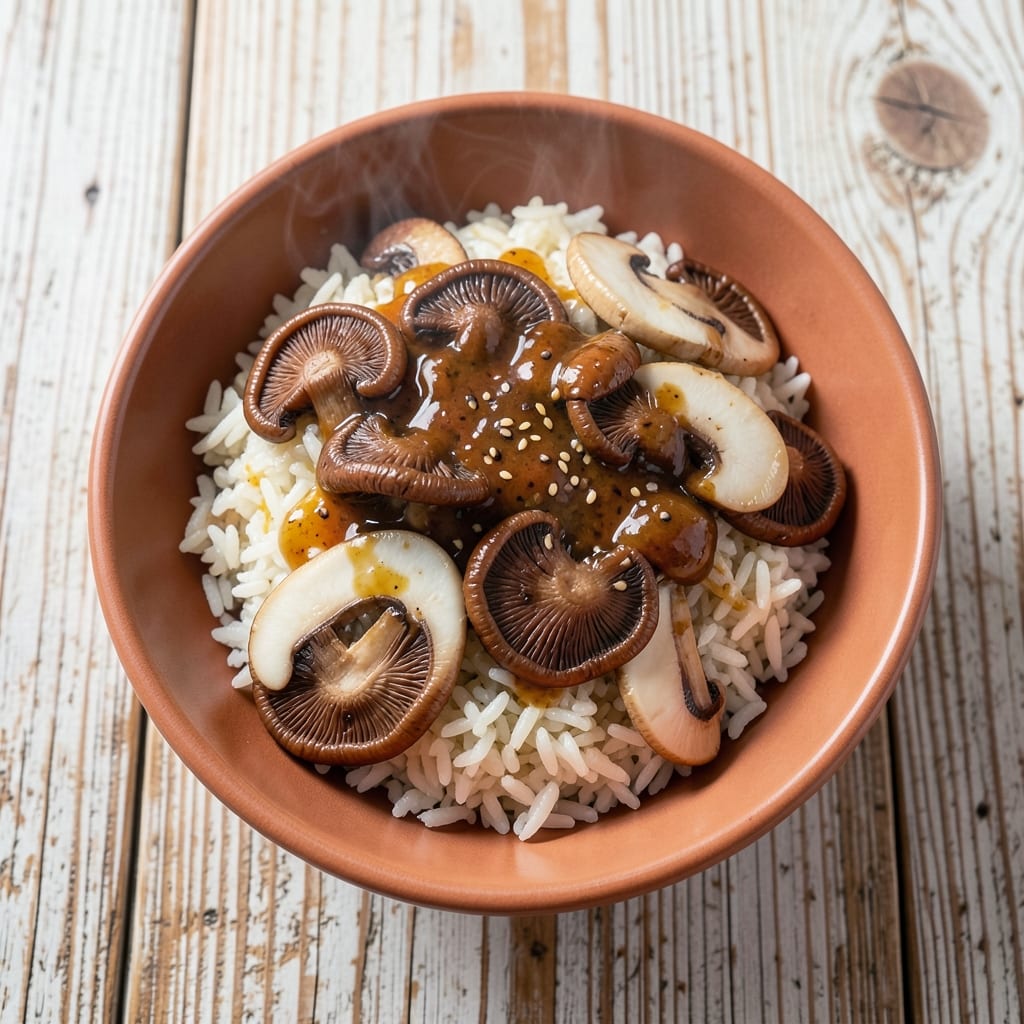
This Asian mushroom rice recipe delivers bold umami flavor in just 20 minutes—no takeout required. The secret lies in wok-searing shiitake and oyster mushrooms until they develop that signature smoky, caramelized crunch, then tossing them with fragrant jasmine rice and a savory-sweet sauce. I perfected this dish after years of testing different Asian rice bowls, and it consistently earns rave reviews from even the most skeptical eaters.
The magic happens in the texture contrast: crispy mushrooms against tender, fluffy rice, all elevated by a quick sauce of soy, oyster, and a touch of sesame oil. This recipe works equally well as a vegetarian main or with added protein like shrimp or tofu. The best part? It comes together faster than delivery, with minimal prep and maximum flavor impact.
What you'll end up with is a restaurant-quality bowl of aromatic, umami-packed rice that balances earthy mushrooms with bright, savory notes. The mushrooms develop deep caramelization from high-heat searing, while the rice absorbs just enough sauce to stay distinct yet cohesive. Serve it with a fried egg on top for extra richness or keep it light with fresh scallions and sesame seeds.
This dish is equally at home as a weeknight dinner or a weekend meal prep project—leftovers reheat beautifully while maintaining that perfect mushroom crunch. Whether you're feeding a crowd or treating yourself to a flavorful solo meal, this recipe delivers professional-level results with home-cook simplicity.
Ingredients for asian mushroom rice
Jasmine rice, umami-packed mushrooms, and aromatic oils create this restaurant-style dish in record time.
| Ingredient | Amount | Notes |
|---|---|---|
| Jasmine Rice 🍚 | 1 ½ cups | Uncooked, long-grain preferred |
| Dried Shiitake Mushrooms 🍄 | 4 whole | Rehydrated, stems removed |
| Fresh Oyster Mushrooms 🍄 | 8 oz | Thick slices for caramelization |
| Sesame Oil 🫒 | 1 tbsp | Toasted, for aroma |
| Low-Sodium Soy Sauce 🍶 | 3 tbsp | For deep umami flavor |
| Oyster Sauce 🍶 | 2 tbsp | High-quality, for richness |
| Sesame Seeds 🌾 | 1 tbsp | Toasted, for garnish |
| Green Onions 🧅 | 3 whole | Thinly sliced, for freshness |
| Garlic Cloves 🧄 | 4 cloves | Minced, for aromatic base |
| Ginger Root 🌿 | 1 tbsp | Freshly grated, for brightness |
| Vegetable Oil 🫒 | 2 tbsp | High smoke point for searing |
| Water 💧 | 2 cups | For rice cooking |
| Salt 🧂 | ½ tsp | Kosher, for seasoning |
| White Pepper 🌶️ | ¼ tsp | Freshly ground, for subtle heat |
The mushrooms are the star—dried shiitake for deep earthiness and fresh oyster mushrooms for meaty texture. Costco or Asian markets carry the best dried shiitake; look for plump, unbroken caps. Fresh oysters should feel firm and dense, not slimy. For the rice, jasmine from Thailand (like Thai Kitchen brand) delivers that signature floral aroma. If using dried shiitake, soak them in hot water for 20 minutes—discard the soaking liquid unless you're making broth. The garlic and ginger should be freshly grated for maximum punch, but pre-minced works in a pinch if you're short on time.
No shiitake? Cremini or portobello mushrooms add a similar earthy depth, though they won't have the same umami complexity. Short on oyster sauce? Substitute with extra soy sauce plus a splash of mirin. The sesame oil is non-negotiable for aroma, but if you're sensitive to its flavor, reduce to 1 teaspoon and add 1 teaspoon of neutral oil. For the rice, jasmine can be swapped for basmati, though the texture will differ slightly. The green onions can be subbed with chives, but they won't have that same mild onion bite. And if you're feeling adventurous, swap half the oyster mushrooms for enoki mushrooms for a delicate crunch contrast.
Rice reheats best covered in the microwave with a damp paper towel—2 minutes on high restores its fluffiness. The mushrooms? Keep them separate until reheating to preserve that crispy texture. This dish keeps for 4 days in the fridge (store components separately) or 3 months frozen (freeze the sauce and mushrooms separately from the rice). For meal prep, portion the sauce into ice cube trays—thaw and toss directly into your rice bowl. The sesame seeds and green onions are best added fresh after reheating, as they lose their vibrancy when stored.
Why You'll Love This Recipe
- No Chopping Needed: I swear by the dried shiitake here—just soak them in hot water for 10 minutes while I boil the rice. Zero knife work, all flavor.
- Umami Bomb: That combo of rehydrated shiitake and fresh oyster mushrooms? It’s like a flavor explosion in your mouth, especially when you drizzle in sesame oil at the end. Chef’s kiss.
- Lunchbox Hero: Between us, this makes the best cold leftovers—pack it in a container, and it’s a satisfying, no-reheat meal for work or school. (Yes, even my picky teen eats it.)
- Pantry Stash Magic: I keep dried shiitake and jasmine rice on hand just for this—it’s my go-to when I’m low on fresh ingredients but still want something restaurant-worthy. Budget-friendly and impressive.
Step-by-step instructions for wok-seared Asian mushroom rice
Master this technique and you'll transform simple rice into a restaurant-quality dish with deep umami flavor and satisfying texture.
Rehydrate and Prepare the Dried Shiitake Mushrooms
Place the 4 whole dried shiitake mushrooms in a small bowl and cover them completely with hot water. Let them soak for 15-20 minutes until they've absorbed the water and expanded significantly. You'll notice they'll become pliable and increase in size by about 3-4 times their original dimensions.
While they soak, remove the stems and finely slice the caps into thin strips. Drain any excess water and set aside. The rehydrated mushrooms will add an intense, earthy depth to the dish that fresh mushrooms simply can't match. Don't skip this step—it's what gives this rice its authentic umami character.
Cook the Jasmine Rice to Perfect Texture
Rinse the 1.5 cups jasmine rice under cold water until the water runs clear, then drain well. In a medium saucepan, combine the drained rice with the 2 cups water and bring to a boil over medium-high heat. Once boiling, reduce heat to low, cover tightly with a lid, and cook for 15 minutes without disturbing.
After 15 minutes, turn off the heat and let the rice steam undisturbed for an additional 10 minutes. This resting period allows the rice to absorb any remaining moisture and develop its characteristic fluffy texture. Fluff the rice gently with a fork before transferring it to a serving dish—this prevents clumping and creates individual grains.
Wok-Sear the Fresh Oyster Mushrooms for Maximum Flavor
Heat the 2 tablespoons vegetable oil in a wok or large skillet over high heat until shimmering. Add the 8 oz fresh oyster mushrooms, sliced into thick pieces, and sear for 4-5 minutes until they develop deep golden-brown spots and release their moisture. You'll see the mushrooms caramelize slightly at the edges—that's exactly what you want.
Remove the mushrooms from the wok and set aside. In the same wok, add the 4 cloves minced garlic and 1 tablespoon freshly grated ginger root, cooking for 30 seconds until fragrant. The high heat will quickly cook the aromatics without letting them burn, preserving their bright flavors. This quick searing creates a flavor base that will infuse the entire dish.
Build the Umami Sauce and Combine All Ingredients
Return the seared mushrooms to the wok and add the 1 tablespoon toasted sesame oil, 3 tablespoons low-sodium soy sauce, and 2 tablespoons oyster sauce. Stir well to combine, then add the 0.5 teaspoon salt and 0.25 teaspoon freshly ground white pepper. Cook for 1-2 minutes until everything is well-coated and heated through.
Gently fold the cooked rice into the mushroom mixture, using a spatula to combine everything without breaking the rice grains. The sauce should coat the rice evenly, creating a glossy appearance. If the mixture seems too dry, add 1-2 tablespoons water to loosen it. The key here is to maintain the integrity of the rice while distributing the flavorful sauce evenly throughout.
Finish and Garnish for Presentation
Transfer the mushroom rice to a serving platter and let it sit for 2-3 minutes to allow the flavors to meld together. Garnish with the 1 tablespoon toasted sesame seeds and the 3 whole green onions, thinly sliced. The sesame seeds add a nutty crunch while the green onions provide a fresh contrast to the rich umami flavors.
Serve immediately while the rice is still warm. Each bite should deliver a perfect balance of chewy rice, tender mushrooms with caramelized edges, and complex umami flavors from the soy and oyster sauces. The dish should have a glossy finish from the sesame oil and a subtle heat from the white pepper that enhances rather than overpowers.
Pro Tips For Making Asian Mushroom Rice
- SOAK DRY MUSHROOMS SEPARATELY: Dried shiitakes need a good 20-minute soak in hot water to plump up—don’t skimp. Fresh oyster mushrooms, though, just need a quick wipe and slice; over-soaking them turns them soggy. I learned this the hard way when my dried shiitakes stayed chewy because I rushed the soak.
- STIR-FRY MUSHROOMS IN BATCHES: Crowding the pan steams the mushrooms instead of searing them. Work in two batches if needed—high heat and a little oil (about 1 tablespoon) will give them that crisp, caramelized edge. Trust me, your rice will taste better when the mushrooms aren’t watery.
- USE SESAME OIL LAST: Add that fragrant sesame oil right at the end, right after the soy sauce hits the rice. Heat destroys its delicate aroma, so toss it in when the pan’s off the flame or just before serving. My grandmother swore by this, and she was right: it makes all the difference in the finish.
- TOAST THE RICE GRAINS: After cooking the rice, spread it out in a thin layer and let it dry slightly—about 5 minutes—before mixing in the mushrooms and sauce. This prevents mushiness and gives each grain a slight bite. Sounds weird, but it works: your rice stays separate and flavorful, not gluey.
Storing and reheating your asian mushroom rice
Fridge Storage Tips
Store the cooked mushroom rice and mushrooms separately in airtight containers to preserve texture. The rice stays fresh for 4 days in the fridge, while the mushrooms should be kept in a sealed container with a paper towel to absorb excess moisture. I always use glass Pyrex containers because they maintain flavor better than plastic. 💫
For the sauce components (soy, oyster sauce, sesame oil), transfer them to a small glass jar and refrigerate. This keeps them ready to toss with reheated rice in seconds. The sesame seeds and green onions should be stored separately and added fresh when serving to maintain their crispness and vibrant color.
Freezing for Later
This dish freezes beautifully for up to 3 months if stored properly. Portion the rice into quart-sized freezer bags, removing as much air as possible to prevent freezer burn. For the mushrooms, freeze them separately in a single layer before transferring to a bag. The sauce can be frozen in ice cube trays for easy portioning later. 🧊
When ready to eat, thaw overnight in the fridge. Reheat the rice in the microwave with 1 tablespoon water for 2-3 minutes, then toss with the thawed sauce and reheated mushrooms. The texture will be slightly softer after freezing, but the umami flavors remain intact.
Reheating Like a Pro
For best results, reheat the rice in a steamer basket over simmering water for 5-7 minutes. This method restores fluffiness without drying out the grains. Add the mushrooms to a separate pan with 1 teaspoon vegetable oil and sear for 2-3 minutes to revive their crispy edges. The sauce can be reheated in a small saucepan over low heat for 1-2 minutes. 🔥
Combine everything just before serving to maintain that restaurant-quality presentation. If the rice seems dry after reheating, sprinkle with 1 teaspoon water** and fluff gently with a fork. The key is to work quickly to preserve the texture contrast between the tender rice and crispy mushrooms.
Nutrition facts
Frequently asked questions
Can I use white rice instead of jasmine rice?
Yes, but the flavor will be different. Jasmine rice has a naturally fragrant, floral aroma that complements the umami mushrooms perfectly. If using white rice, look for long-grain varieties like Calrose or sushi rice, which hold up better to mixing with sauces. For extra aroma, add 1/2 teaspoon pandan extract to the cooking water or a pinch of cardamom to the sauce.
What if I don't have dried shiitake mushrooms?
Fresh shiitake or cremini mushrooms work well, but dried shiitake provide that unmatched umami depth. If substituting, use 4 oz fresh shiitake (about 6-8 caps) and remove stems before slicing. For even more flavor, marinate the fresh mushrooms in 1 tbsp soy sauce + 1 tsp sesame oil for 15 minutes before cooking.
How do I make this vegetarian?
This recipe is already vegetarian-friendly! For extra protein, stir in 1 cup crumbled tofu (pan-fried with 1 tsp cornstarch) or 1/2 cup chickpeas (rinsed and drained) during the final sauce step. You can also add 1/2 cup edamame for a pop of color. The dish maintains its umami balance without any meat substitutes.
Why did my mushrooms turn soggy instead of crispy?
This usually happens from two things: overcrowding the pan or not cooking long enough. For crispy mushrooms, work in single layers and cook undisturbed for 4-5 minutes until golden brown. If they release too much moisture, remove them briefly with a slotted spoon to let excess liquid evaporate. Also ensure your pan is properly heated before adding oil.
Can I make this with an air fryer?
For the mushrooms, toss 8 oz sliced oyster mushrooms with 1 tbsp oil and air fry at 375°F for 8-10 minutes, shaking the basket halfway. For the rice, cook it separately as directed, then combine with the air-fried mushrooms and sauce in a bowl. The texture will be slightly different (less caramelized), but still delicious. The air fryer method works great for meal prep!