
Side Dishes
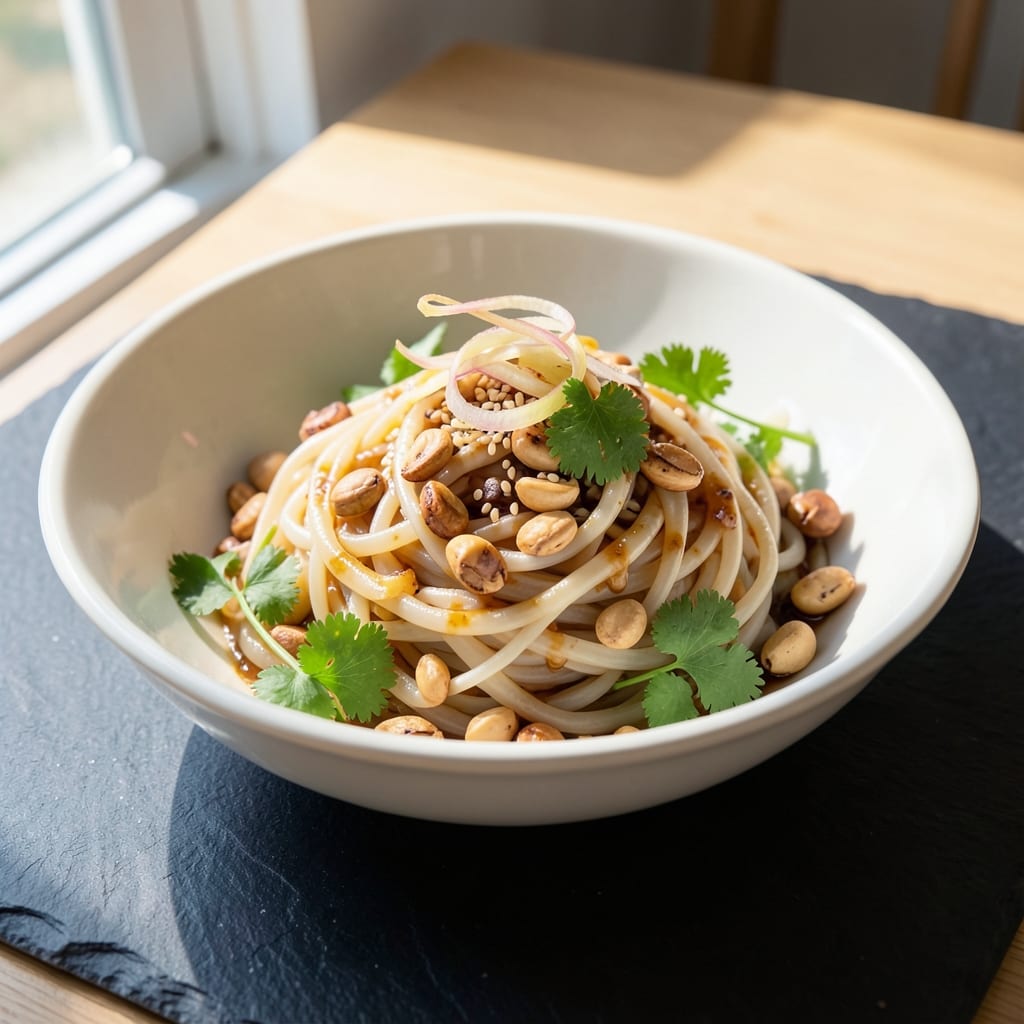
This Asian rice noodle side dish transforms simple ingredients into a restaurant-worthy wok-tossed creation with umami crunch and chili-lime zing in under 15 minutes. The secret lies in perfectly cooked rice noodles that absorb flavor while maintaining their delicate texture—no mushy results here. I developed this recipe after realizing how often store-bought sides fall short of the bold, balanced flavors found in Asian street food.
What sets this dish apart is the three-step technique: first, parboiling the noodles until just tender, then quickly cooling them in ice water to stop cooking while preserving bite. Next comes the wok-toss where aromatics like garlic, ginger, and fish sauce create that signature umami depth. Finally, the chili-lime dressing ties everything together with a bright, tangy finish that cuts through richness. The result? A side dish that stands up to any main course while being simple enough for weeknight dinners.
You'll end up with crisp-tender noodles coated in a glossy, savory-sweet glaze that's packed with texture from toasted peanuts and fresh herbs. The dish balances perfectly between restaurant-quality and home-cooked simplicity—no fancy equipment required, just a wok or large skillet and basic pantry staples. This recipe delivers bold Asian flavors without the complexity, making it ideal for anyone looking to elevate their meal without becoming a short-order cook.
The beauty of this dish lies in its versatility—serve it alongside grilled meats, seafood, or even as a light main with a protein boost. Garnish with extra herbs, lime wedges, or crushed peanuts for customizable crunch. Whether you're prepping for a dinner party or just craving something fresh and flavorful, this recipe delivers every time. Let's get cooking!
Ingredients for asian rice noodle side dish
Pantry staples meet bold Asian flavors in this restaurant-quality rice noodle side dish.
| Ingredient | Amount | Notes |
|---|---|---|
| Rice Noodles (Stir-Fry Noodles) 🍜 | 8 oz | Flat or round, uncooked |
| Peanuts (Unsalted) 🥜 | ½ cup | Toasted, roughly chopped |
| Fresh Cilantro 🌿 | ¼ cup | Chopped, stems removed |
| Garlic Cloves 🧄 | 4 cloves | Minced, fresh preferred |
| Fresh Ginger 🌿 | 1 tbsp | Grated, peeled |
| Fish Sauce 🍶 | 2 tbsp | Red Boat preferred |
| Soy Sauce 🍶 | 1 ½ tbsp | Light or all-purpose |
| Sesame Oil 🫒 | 1 tbsp | Toasted, for aroma |
| Lime Juice 🍋 | 2 tbsp | Freshly squeezed |
| Chili Flakes 🌶️ | 1 tsp | Adjust for heat preference |
| Vegetable Oil 🫒 | 2 tbsp | High smoke point |
| Brown Sugar 🍚 | 1 tbsp | Light or dark |
| Salt 🧂 | ½ tsp | Diamond Crystal preferred |
| Black Pepper 🌶️ | ¼ tsp | Freshly cracked |
| Lime Zest 🍋 | 1 tsp | Freshly grated |
The rice noodles are the foundation—stir-fry noodles (flat or round) work best for their texture. Thai Kitchen or Three Ladies brands are reliable, but any Asian market will have quality options. Look for packages labeled 'rice noodles' or 'vermicelli'—avoid 'egg noodles' which are too dense. Fresh ginger and garlic should be vibrant and firm; no soft spots or mold. Toasting the peanuts in a dry skillet for 3-4 minutes enhances their flavor dramatically—don't skip this step. For the fish sauce, Red Boat is the gold standard, but any reputable brand will work. The sesame oil should be toasted, not flavored—check the label.
No fresh cilantro? Substitute with mint or Thai basil for a similar bright note. Running low on fish sauce? Soy sauce plus a dash of Worcestershire mimics the umami punch. The chili flakes can be swapped for sriracha or sambal oelek at half the amount. For a sweeter profile, maple syrup replaces brown sugar** in a 1:1 ratio. The lime juice is non-negotiable—bottled won't cut it. If you're making this ahead, store the dressing separately and toss with noodles just before serving to maintain crispness. The brown sugar caramelizes beautifully during the wok-toss, creating that signature glossy finish.
Cooked noodles keep for 2 days in the fridge—store in an airtight container with a damp paper towel to prevent drying. The dressing components (except lime juice) can be pre-mixed and stored for up to 1 week. For make-ahead convenience, parboil and shock the noodles ahead, then reheat in hot water for 30 seconds before tossing. This dish reheats beautifully—just add a splash of water or oil to the pan and toss vigorously. Garnish with extra herbs, lime wedges, or crushed peanuts right before serving for maximum freshness. The flavors actually improve after sitting for 15-20 minutes, so plan accordingly.
Why You'll Love This Recipe
- Fridge-to-Table Speed: I swear by this when I’m starving and the fridge is full of random stuff—no fancy prep, just boil those noodles, toss in the garlic-ginger paste I make ahead, and finish with a handful of peanuts and cilantro. Twenty minutes max, and it’s done.
- Crunchy-Creamy Magic: The peanuts add this perfect contrast—crunchy, salty, and nutty—while the ginger and garlic make it sing. Honestly, the first time I made it, I thought, "Why didn’t I do this sooner?" The noodles soak up the flavor like a sponge.
- Lunchbox Hero: Between us, this is my go-to for packed lunches—holds up for days, stays fresh, and tastes even better cold. I’ll double the batch on Sundays, portion it out, and my kids still beg for it by Wednesday. (Yes, even on a Tuesday night.)
- Pantry Staple Power: Ginger, garlic, and peanuts? You’ve got those in your cupboard already. No specialty ingredients, no last-minute grocery runs—just pull what you need, and boom. It’s my budget-friendly secret weapon when I’m tired of takeout.
Step-by-step instructions for wok-tossed umami crunch with chili-lime zing
Master this vibrant side dish with a perfect balance of texture and flavor in just minutes.
🍳 Step 1: Prepare the Noodles for Quick Cooking
Rinse the 8 oz rice noodles (stir-fry noodles) under cold water for 10-15 seconds until they separate slightly. This removes excess starch and prevents clumping. Soak them in a large bowl of warm water for 8-10 minutes until pliable but still firm to the touch—you should be able to bend them without breaking. Drain immediately and toss with 1 tablespoon vegetable oil to prevent sticking.
This quick soak ensures the noodles cook perfectly in the wok without becoming mushy. Over-soaking leads to limp noodles, while under-soaking means they won't soften properly during stir-frying. Reserve ½ cup of the soaking water in case the noodles need rehydrating later.
👨🍳 Step 2: Toast the Peanuts and Prep Aromatics
Heat a dry skillet over medium heat and add the 0.5 cup peanuts (unsalted). Toast for 3-4 minutes until fragrant and lightly golden, shaking the pan frequently to prevent burning. Remove and set aside. In the same pan, add 2 tablespoons vegetable oil and heat until shimmering.
While the oil heats, mince the 4 cloves garlic cloves and grate the 1 tablespoon fresh ginger. The garlic should be finely minced—almost paste-like—so it infuses flavor without becoming bitter. Keep the aromatics nearby; they'll cook in seconds and burn just as fast.
🍳 Step 3: Build the Umami-Packed Sauce Base
Add the minced garlic and ginger to the hot oil and stir for 30 seconds until fragrant but not browned. Immediately add 1 tablespoon brown sugar, 0.5 teaspoon salt, and 0.25 teaspoon black pepper, stirring constantly for 1 minute until the sugar begins to caramelize slightly. This creates a flavorful foundation for the dish.
Pour in the 2 tablespoons fish sauce and 1.5 tablespoons soy sauce, stirring to combine. The sauce should coat the back of a spoon but remain pourable. If it thickens too much, add 1 tablespoon of reserved noodle water. This step develops the signature umami depth that makes the dish irresistible.
🥘 Step 4: Combine Noodles and Sauce with Precision
Add the drained noodles to the wok and toss vigorously for 2-3 minutes over high heat until they're heated through and slightly charred in spots. The noodles should be tender but still hold their shape—if they feel resistant, add 2 tablespoons of reserved noodle water and toss again. This ensures they absorb the sauce without becoming soggy.
Lower the heat to medium and stir in the 1 teaspoon chili flakes, 1 tablespoon sesame oil, 2 tablespoons lime juice, and 1 teaspoon lime zest. The lime zest adds a bright, citrusy aroma that cuts through the richness of the peanuts and sauce. Taste and adjust seasoning—you may need a touch more fish sauce for depth or lime for brightness.
🍽️ Step 5: Finish with Crunch and Serve Immediately
Return the wok to high heat and add the toasted peanuts along with the 0.25 cup fresh cilantro. Toss everything together for 30 seconds to distribute the peanuts evenly and wilt the cilantro slightly. The contrast between the crunchy peanuts and tender noodles is what makes this dish exceptional.
Serve immediately while hot, garnished with an extra sprinkle of chili flakes and lime zest if desired. The dish should be vibrant, with a perfect balance of sweet, salty, spicy, and tangy flavors. Each bite delivers a symphony of textures—chewy noodles, nutty crunch, and silky sauce—making it an ideal companion to grilled proteins or fresh spring rolls.
Pro Tips For Making Asian Rice Noodle Side Dish
- SOAK NOODLES JUST ENOUGH: Rice noodles stick together like glue when over-soaked, but they also turn to mush if you guess wrong. Test one strand after 5 minutes in warm water—it should bend without breaking. Drain immediately and rinse with cold water to stop cooking; they’ll finish in the pan.
- CRUSH PEANUTS UNEVENLY: Skip the food processor—whole or roughly crushed peanuts add better texture. Use a rolling pin or heavy pan to smash them into a mix of big chunks and fine bits. This gives every bite that satisfying crunch without turning into peanut dust.
- GINGER IS STRONGER THAN YOU THINK: Peel and slice ginger thinly—about 1/8-inch thick—so it softens quickly in the pan. Thick slices sit like rocks and won’t release their flavor. If you’re using a lot, toast it first in the oil until fragrant—it deepens the aroma without bitterness.
- TOSS NOODLES HOT AND FAST: After draining, shock the noodles with a splash of oil or sesame paste, then toss them in the dry pan over high heat for 30 seconds. This prevents sticking and gives them a slight chew. Add sauce and aromatics last—if they sit too long, they’ll turn to paste.
Best sauces and condiments for this dish
Classic Peanut Sauce
This rich, nutty sauce is the foundation of many Asian noodle dishes. For your rice noodles, blend ½ cup smooth peanut butter (unsalted), 2 tablespoons soy sauce, 1 tablespoon lime juice, 1 tablespoon honey, 1 clove garlic (minced), ½ teaspoon grated ginger, and 2 tablespoons warm water until silky smooth. Drizzle over the noodles and toss with 2 tablespoons crushed peanuts and 1 tablespoon chopped cilantro. The natural oils in the peanut butter create a glossy finish that clings beautifully to the noodles. 🥜
Spicy Chili-Lime Dressing
Brighten your dish with this zesty dressing that balances the richness. Mix 3 tablespoons lime juice, 1 tablespoon fish sauce, 1 teaspoon brown sugar, ½ teaspoon chili flakes, and 1 teaspoon lime zest. Thin with 1 tablespoon water if needed. This dressing adds a tangy kick that cuts through the umami flavors. For extra heat, add ½ teaspoon sriracha or 1 teaspoon sambal oelek. The lime zest adds a fragrant aroma that elevates the dish instantly. 🍋
Sweet-Savory Soy-Ginger Glaze
Create a glossy glaze by combining 2 tablespoons soy sauce, 1 tablespoon rice vinegar, 1 tablespoon brown sugar, 1 teaspoon grated ginger, and ½ teaspoon toasted sesame oil. Simmer for 2 minutes until the sugar dissolves, then toss with the noodles. This glaze adds depth with its caramelized sweetness and tangy brightness. For a smoky twist, add ¼ teaspoon smoked paprika to the glaze. The result is a sticky, flavorful coating that enhances every bite. 🌶️
Creamy Coconut-Lime Dressing
For a lighter option, blend ¼ cup coconut milk, 2 tablespoons lime juice, 1 tablespoon fish sauce, 1 teaspoon brown sugar, and ½ teaspoon grated ginger until smooth. Drizzle over the noodles and toss with 2 tablespoons toasted coconut flakes for added texture. This dressing adds a tropical twist while keeping the dish fresh and vibrant. If you prefer it thicker, reduce the coconut milk to 2 tablespoons and add 1 teaspoon cornstarch to the blend. 🥥
Umami Soy-Fish Sauce Base
Build a robust sauce by combining 2 tablespoons soy sauce, 1 tablespoon fish sauce, 1 tablespoon lime juice, 1 teaspoon grated ginger, and ½ teaspoon toasted sesame oil. Heat the mixture in a small saucepan over medium heat for 1 minute to deepen the flavors. Pour over the noodles and toss with 2 tablespoons chopped scallions and 1 tablespoon chopped cilantro. This simple sauce packs a punch of umami that pairs perfectly with grilled meats or seafood. 🍶
Garnish Ideas for Extra Flavor
Elevate your dish with these finishing touches. Sprinkle crushed peanuts for crunch, chili flakes for heat, lime zest for brightness, or fresh herbs like Thai basil or mint. For a smoky flavor, add ½ teaspoon smoked salt or crumbled bacon. Garnishes not only enhance flavor but also add visual appeal, making your dish look as good as it tastes. Don't be afraid to experiment with textures and flavors! 🌟
Nutrition facts
Frequently asked questions
Can I use regular white rice noodles instead of stir-fry noodles?
Yes, but with adjustments—stir-fry noodles are wider and absorb sauce better. For regular rice noodles, soak them for 5-7 minutes (they're thinner) and toss with 1 extra tablespoon of sauce to compensate. The texture will be slightly softer, but the flavor profile remains the same.
How do I prevent the noodles from becoming mushy?
Three key steps:
- Shock them in ice water for 30 seconds after cooking to stop the cooking process,
- Use high heat when stir-frying, and
- Toss immediately after adding sauce. Over-soaking or low heat are the main culprits for mushy noodles.
What's the best way to make this ahead of time?
Prep the noodles and sauce separately. Cook and shock the noodles, then store them in an airtight container with a damp paper towel for 2 days. Store the sauce components separately (except lime juice) for 1 week. Reheat noodles with a splash of water, then toss with fresh sauce just before serving.
Can I make this gluten-free?
Use tamari (gluten-free soy sauce) instead of regular soy sauce, and verify your fish sauce is gluten-free (Red Boat is typically safe). The rest of the ingredients are naturally gluten-free. For extra umami, add 1 teaspoon coconut aminos to the sauce.
Why does my dish taste flat after sitting overnight?
Fresh lime juice and herbs lose potency over time. Revive the dish by adding 1 extra tablespoon of lime juice and 1 tablespoon fresh cilantro** when reheating. The toasted peanuts will still provide crunch, but the bright flavors need refreshing after 24 hours.