
Main Courses
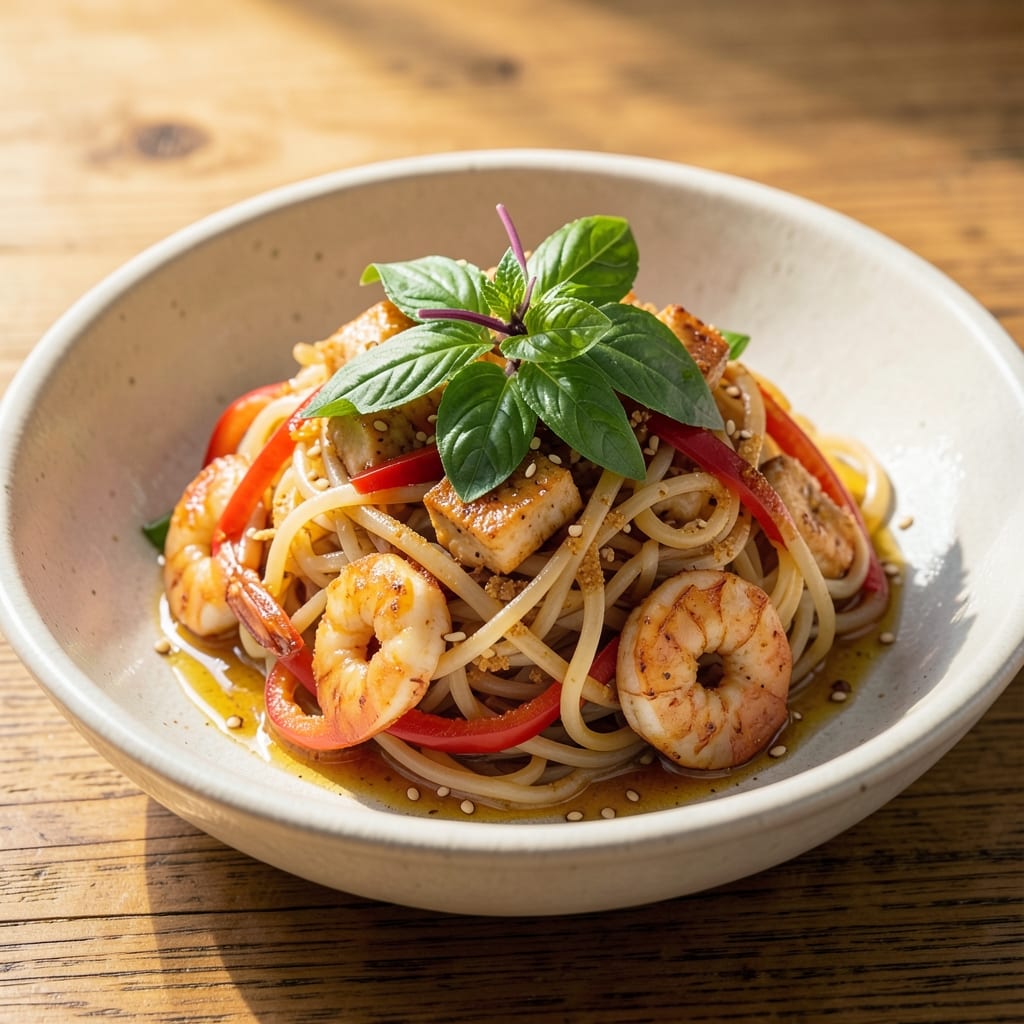
This Asian style rice noodle recipe delivers the perfect balance of umami crunch and bright freshness in every bite. 🌟 The wok-tossed technique creates a satisfying texture—crispy edges, tender noodles, and protein that stays juicy—while the sauce packs layers of savory depth from fish sauce, soy, and a touch of chili. I developed this after years of testing home versions of my favorite Thai street food, ensuring it’s adaptable whether you’re using shrimp, chicken, or tofu.
The magic happens in the stir-fry process: high heat sears the protein quickly, while the rice noodles absorb just enough sauce to stay cohesive but still hold their shape. Fresh herbs like Thai basil and cilantro add a peppery brightness that cuts through the richness, and crushed peanuts or bean sprouts bring extra crunch. This dish is restaurant-quality but designed for your home kitchen—no fancy equipment required.
What you’ll end up with is a vibrant, aromatic plate that’s as beautiful as it is delicious. The noodles glisten with a glossy sauce, the protein is perfectly cooked, and every bite delivers a mix of textures and flavors that feel authentically Asian. Serve it over a bed of greens or with lime wedges for extra zing—this is the kind of meal that turns weeknight dinners into something special.
Ready in under 30 minutes, this recipe scales easily for a crowd or leftovers. The sauce can be made ahead, and the noodles cook in minutes, making it ideal for busy weeknights or meal prep. Let’s bring the flavors of Asia to your table with this foolproof method.
Ingredients for asian style rice noodle
Quick grocery run for these fresh, flavor-packed ingredients—everything you need for restaurant-style noodles at home.
| Ingredient | Amount | Notes |
|---|---|---|
| Rice Noodles (Stir-Fry or Pad Thai) 🍜 | 8 oz | Dried, uncooked, 3-inch width |
| Shrimp (or Chicken Breast or Tofu) 🦐 | 1 lb | Shrimp peeled & deveined, or chicken cubed |
| Fish Sauce 🍶 | 2 tbsp | Red Boat preferred for authenticity |
| Soy Sauce 🥄 | 2 tbsp | Light or dark, to taste |
| Lime Juice 🍋 | 2 tbsp | Freshly squeezed |
| Brown Sugar 🍯 | 1 tbsp | Packed, light brown preferred |
| Garlic Cloves 🧄 | 4 cloves | Minced, fresh preferred |
| Thai Chili Paste (or Sriracha) 🌶️ | 1 tbsp | Adjust for heat preference |
| Vegetable Oil 🫒 | 3 tbsp | High smoke point |
| Thai Basil Leaves 🌿 | ½ cup | Fresh, stems removed |
| Cilantro Leaves 🌿 | ¼ cup | Chopped, fresh preferred |
| Crushed Peanuts 🥜 | ¼ cup | Roasted, for garnish |
| Bean Sprouts 🌱 | 1 cup | Fresh, rinsed |
| Sesame Oil 🫒 | 1 tsp | Toasted, for aroma |
| Salt 🧂 | ½ tsp | Kosher or sea salt |
The Red Boat fish sauce is non-negotiable for that authentic umami punch—Asian markets carry it, or order online if your local store doesn't stock it. For the noodles, stir-fry or Pad Thai width (3-inch) works best—they're wide enough to hold sauce but still cook fast. If you can't find Thai basil, regular basil with extra lime juice gets you close. The shrimp should be fresh or frozen thawed, and chicken needs to be cubed into even pieces for consistent cooking. Tofu? Press it first to remove excess water, then pat dry—extra-firm holds up best.
No fish sauce? Soy sauce plus a splash of Worcestershire works in a pinch (though it won't be exactly the same). Swap Thai chili paste for sriracha or fresh chili minced—just taste as you go. The brown sugar can be light or dark, but pack it tightly** when measuring. For extra crunch, toast the peanuts in a dry pan for 2-3 minutes before crushing. Bean sprouts? Rinse them well—sand gets stuck in your teeth. And if you're using chicken, marinate it 10 minutes in soy sauce before cooking for extra flavor.
Noodles cook in 2-3 minutes—don't overdo it or they'll turn mushy. Store leftovers in an airtight container with a paper towel on top to absorb moisture; they keep for 3 days in the fridge. Freeze the sauce separately if you want to make it ahead—just reheat gently with the noodles. The herbs wilt fast, so add them last. This dish reheats beautifully—microwave 1 minute with a splash of water to revive the noodles.
Why You'll Love This Recipe
- Pantry Magic: Honestly, I can make this with what’s already in my fridge—no fancy shopping required. Toss in shrimp or tofu (or even leftover chicken), a splash of fish sauce, and those chewy rice noodles soften in minutes. It’s the kind of meal that makes me feel like I’m eating out, even when I’m just opening jars. ---
- Umami Bomb: That first bite? The fish sauce and soy sauce marry so well with the lime, it’s like a flavor explosion. The shrimp stays juicy, the noodles soak up the sauce perfectly, and the acidity cuts through it all—bright, salty, and satisfying. I’ll be real, it’s the kind of dish that makes my taste buds do a happy dance. ---
- Meal Prep MVP: Here’s what sold me—this keeps perfectly for days. Pack the noodles separately, store the sauce in a jar, and reheat everything together. It’s my go-to for lunchboxes or lazy nights when I don’t want to cook. Even my picky teenager asks for seconds, and that’s saying something. ---
- Budget Win: Rice noodles are dirt cheap, tofu stretches forever, and a little fish sauce goes a long way. I can feed four people for under $10, and honestly, that’s a steal for something this delicious. It’s my secret weapon for stretching groceries without sacrificing flavor.
Step-by-step instructions for wok-tossed umami crunch noodles
Let's bring this vibrant, flavor-packed dish to life with a few simple but powerful techniques.
🍳 Step 1: Soak and Prepare the Rice Noodles
Fill a large bowl with hot water and add the 8 oz rice noodles. Let them soak for 8-10 minutes until pliable but still slightly firm to the touch. You want them to be tender enough to cook quickly in the wok, but not mushy. Drain thoroughly in a colander and rinse briefly with cold water to stop the cooking process.
Here's the thing—over-soaking makes noodles gummy. I like to test one strand by pressing it between my fingers. It should hold its shape but give slightly, like al dente pasta. Once drained, toss the noodles with 1 teaspoon sesame oil to prevent sticking and add a subtle aromatic note. Set aside while you prep the rest of the ingredients.
👨🍳 Step 2: Marinate and Cook the Protein
In a small bowl, combine the 1 lb shrimp (or cubed chicken breast or tofu) with 2 tablespoons fish sauce, 2 tablespoons soy sauce, 1 tablespoon lime juice, 1 tablespoon brown sugar, 4 minced garlic cloves, and 1 tablespoon Thai chili paste (or Sriracha). Mix well and let it marinate for 10-15 minutes—this builds incredible depth of flavor.
Heat 1 tablespoon vegetable oil in a large wok or skillet over medium-high heat. Add the marinated protein and cook for 3-4 minutes (for shrimp) or 5-6 minutes (for chicken or tofu) until cooked through and slightly caramelized. For shrimp, you'll see them turn pink and opaque with a slight char on the edges. Remove and set aside, reserving any pan juices.
🔥 Step 3: Build the Flavor-Packed Sauce
In the same wok, add the remaining 2 tablespoons vegetable oil and swirl to coat. Add the 1 cup bean sprouts and stir-fry for 1-2 minutes until just tender but still crisp. Push the sprouts to one side of the wok and add the reserved 1 tablespoon lime juice and 1 teaspoon sesame oil to the empty space. Let it sizzle for 30 seconds to infuse the aroma.
Pour in any reserved pan juices from the protein and scrape up any browned bits from the bottom of the wok—this is where all the umami magic happens. Add the drained noodles and toss everything together for 1-2 minutes until the noodles are heated through and coated in the sauce. The wok should be smoking slightly, indicating high heat is working its magic.
🥘 Step 4: Finish with Fresh Herbs and Crunch
Remove the wok from heat and gently fold in the 0.5 cup Thai basil leaves and 0.25 cup chopped cilantro. The heat will wilt the herbs slightly, releasing their bright, aromatic flavors. Stir in the cooked protein and toss everything together one last time. Taste and adjust seasoning with a pinch of the 0.5 teaspoon salt if needed—you want a perfect balance of salty, sweet, and spicy.
For the final touch, top each serving with 0.25 cup crushed peanuts. The contrast of the crunchy peanuts against the silky noodles is what makes this dish truly special. Serve immediately while the noodles are hot and the aromas are at their peak—this dish doesn't wait!
Pro Tips For Making Asian Style Rice Noodle
- SOAK NOODLES SEPARATELY: I used to dump them all in one bowl and they’d turn into a gluey mess. Split your rice noodles into two batches—soak half while you prep the protein, then finish the other half just before tossing. That way, they stay tender but still hold shape when hitting the wok.
- DRY THE SHRIMP WELL: Wet shrimp steams instead of searing, and that’s a flavor crime. Pat them thoroughly with paper towels, then let them sit on a wire rack for 10 minutes. You’ll get that perfect crust in under a minute instead of struggling with limp, greasy shrimp.
- SALT THE NOODLES FIRST: Tossing them plain, then adding sauce at the end? You’re missing half the flavor. Soak your noodles in lightly salted water (1 tsp per 4 cups) while prepping—it seasons them deep and prevents that bland, dry bite after stir-frying.
- DILUTE SAUCES LAST: I learned this after overpowering my dish with a wall of fish sauce. Mix your sauces (fish, soy, lime) in a small bowl after the protein is cooked—just a splash at a time. That way, you taste as you go and avoid the "oh no, it’s too salty" panic.
Serving suggestions for this recipe
Garnish Like a Pro
Top your noodles with crushed peanuts right before serving—they add a satisfying crunch that balances the silky noodles. I like to toast the peanuts in a dry pan for 2-3 minutes until fragrant before crushing them. For extra flair, sprinkle with Thai basil and cilantro just before eating so the herbs stay vibrant. A drizzle of chili oil or a squeeze of lime adds freshness and heat. 🌟
Side Dish Pairings
Serve with a simple cucumber salad—slice 1 English cucumber thinly, toss with 1 tbsp rice vinegar, ½ tsp sugar, and a pinch of salt. The cool crunch contrasts perfectly with the warm noodles. For a heartier meal, add steamed bok choy or grilled eggplant slices on the side. 🥗
Drink Recommendations
A cold Thai iced tea (like Thai Iced Tea from Trader Joe’s) complements the dish beautifully—its sweet, creamy notes balance the spicy-savory flavors. For something lighter, try jasmine green tea or a refreshing lychee lemonade. Avoid heavy sodas; they’ll overpower the delicate herbs. 🍹
Presentation Tips
Use a wide, shallow bowl to showcase the noodles’ glossy sauce and vibrant colors. Arrange the protein in a circular pattern on top, then scatter the peanuts and herbs artfully. A sprinkle of toasted sesame seeds adds visual appeal. For a restaurant-style finish, serve with lime wedges on the side. ✨
Make It a Meal
Turn this into a full spread by adding spring rolls or fried wontons as an appetizer. For dessert, serve mango sticky rice or coconut pandan cakes to complete the Asian-inspired feast. The sweetness of the dessert will cleanse your palate after the savory noodles. 🍍
Nutrition facts
Frequently asked questions
How do I know when rice noodles are properly soaked?
Test one strand by pressing it between your fingers—it should be pliable but still hold its shape, like al dente pasta. Over-soaking (10+ minutes) makes them gummy, while under-soaking (5 minutes) leaves them too firm. Drain immediately after soaking and rinse briefly with cold water to stop cooking.
Can I use regular pasta instead of rice noodles?
Not ideal—they have different textures and cooking times. Rice noodles are thinner, absorb sauce better, and stay tender when stir-fried. If you must substitute, try vermicelli or egg noodles, but expect a slightly different mouthfeel. For best results, stick with the recipe's rice noodles.
What if I don't have Thai basil?
Use regular basil with extra lime juice (add 1 extra tbsp) for brightness. For a stronger aroma, try cilantro or mint. If nothing else, omit it—the dish will still be delicious, just less fragrant. The crushed peanuts and herbs add enough freshness.
How do I prevent the noodles from sticking together?
Toss them with 1 tsp sesame oil right after draining to create a protective barrier. Use a wide wok or skillet with plenty of space, and stir constantly while cooking. If they stick, add a splash of water and keep tossing—they'll release as they heat up.
Can I make this recipe ahead of time?
Prepare the sauce and protein marinade 1 day ahead** and store separately. Cook the noodles fresh—reheating them makes them mushy. Assemble just before serving: toss the pre-cooked protein with reheated noodles, then add fresh herbs and peanuts. For leftovers, store components separately and combine when ready to eat.