
Side Dishes
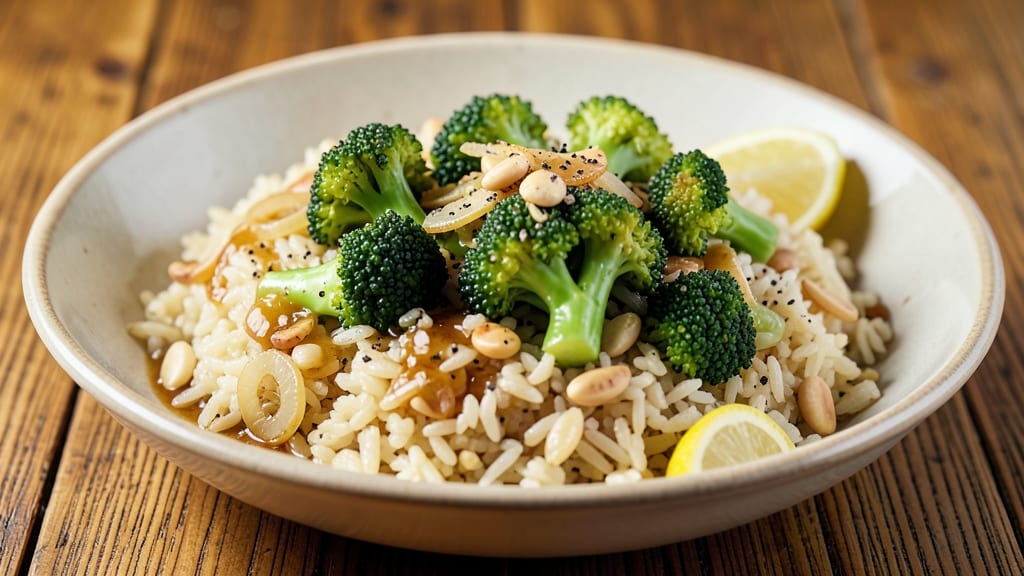
This broccoli rice pilaf recipe transforms simple ingredients into a nutty, aromatic side dish with crisp florets and perfectly toasted grains. The secret lies in toasting the rice first—this creates deep, toasty flavor and prevents mushiness, while the broccoli stays vibrant and slightly crisp.
I developed this recipe after years of testing rice pilafs, and the balance of textures and seasonings makes it versatile enough for weeknight dinners or elegant gatherings.
What sets this apart is the technique: sautéing the rice in butter until golden before adding liquid ensures each grain develops its own nutty depth. The broccoli cooks just until tender-crisp, adding freshness that contrasts beautifully with the rich, toasted rice.
With just 15 minutes of active prep and 25 minutes of simmering, you’ll have a restaurant-quality side dish that pairs perfectly with grilled proteins, roasted vegetables, or even as a light vegetarian main.
Ingredients for broccoli rice pilaf
Simple ingredients elevated by precise technique create this aromatic broccoli rice pilaf with perfect texture contrast.
| Ingredient | Amount | Notes |
|---|---|---|
| Long-Grain White Rice 🍚 | 1 cup | Uncooked, rinsed thoroughly |
| Fresh Broccoli Florets 🥦 | 4 cups | Medium-sized, stems trimmed |
| Unsalted Butter 🧈 | 3 tbsp | Cold, cut into small cubes |
| Shallots 🧅 | 2 whole | Minced finely for sweetness |
| Garlic Cloves 🧄 | 3 cloves | Minced finely for aromatic depth |
| Vegetable Broth 💧 | 1 ½ cups | Low-sodium, homemade preferred |
| Dry White Wine 🍷 | ½ cup | Subtle flavor, Sauvignon Blanc ideal |
| Fresh Thyme Leaves 🌿 | 1 tbsp | Chopped finely for herbal notes |
| Lemon Zest 🍋 | 1 tsp | From organic lemon, bright finish |
| Extra-Virgin Olive Oil 🫒 | 1 tbsp | For finishing, fruity variety |
| Salt 🧂 | ½ tsp | Diamond Crystal kosher preferred |
| Freshly Ground Black Pepper 🌶️ | ¼ tsp | Cracked peppercorns preferred |
| Toasted Almond Slices 🥜 | ¼ cup | For garnish, lightly toasted |
The rice is the foundation—jasmine or basmati work best for their distinct aroma and separate grains. Lundberg Family Farms organic rice is my go-to for consistent quality. For the broccoli, seek vibrant green florets with tight buds—Trader Joe's or local farmers markets offer the freshest cuts. Shallots should be firm and pale, not sprouting. Garlic cloves should be plump and free of soft spots. The vegetable broth is critical; Homemade Organic or Pacific Foods low-sodium options provide the deepest flavor without over-salting. If using dry white wine, Sauvignon Blanc offers subtle citrus notes that complement the dish beautifully.
No vegetable broth? Mushroom broth works equally well for umami depth, though it may darken the rice slightly. Fresh thyme unavailable? Dried thyme at one-third the amount suffices, though fresh provides superior aroma. Substituting white wine with additional vegetable broth plus 1 tsp lemon juice maintains balance. For the almonds, pecans or walnuts offer similar texture—just toast them first. The butter must be cold when added to prevent premature rice cooking; European-style butter like Plugrá has higher fat content for superior browning. Lemon zest can be omitted if you prefer a more neutral profile, but it brightens the dish remarkably.
Store cooked pilaf in an airtight container for up to 4 days in the refrigerator, though flavor peaks within the first 2 days. Reheat gently with a splash of broth to restore moisture. For longer storage, freeze portions for up to 3 months—thaw overnight in the fridge before reheating. The broccoli florets should remain vibrant; if they appear wilted upon reheating, add a quick sauté in olive oil to revive crispness. This dish reheats beautifully, making it ideal for meal prep—portion into individual containers for grab-and-go lunches throughout the week.
Why You'll Love This Recipe
- One-Pot Magic: I swear by this recipe because it’s literally one pan—no rice cooker, no extra bowls. Just toss the rice, broccoli, and shallots in a skillet with butter, add water, and let it simmer. The broccoli softens into the rice, so no chopping small pieces or worrying about overcooking.
- Buttery Garlic Kiss: That moment when the shallots caramelize and the garlic hits its sweet spot? Chef’s kiss. The butter coats every grain, and the broccoli stays bright instead of turning mushy. Honestly, the flavor is so rich it’ll make you forget it’s "just" rice.
- Lunchbox Hero: Between us, this is my secret weapon for meal prep. Make a big batch on Sunday, and you’ve got lunch sorted for days—cold or reheated, it’s always solid. The broccoli holds up better than you’d think, and the rice stays separate enough to scoop.
- Budget Bright Spot: Long-grain rice and broccoli are cheap staples, and this recipe stretches them into something that feels fancy. I’ll be real: it’s not the prettiest dish, but the taste makes up for it, and my wallet thanks me every time. Plus, leftovers? Even better the next day.
Step-by-step instructions for broccoli rice pilaf
This method delivers perfectly toasted rice with vibrant florets and nutty depth.
Toast the Rice and Aromatics
Heat a large skillet or deep sauté pan over medium-high heat until hot. Add the 1 cup long-grain white rice and stir continuously for 3-4 minutes until the grains become translucent at the edges and release a nutty aroma. This dry toasting develops flavor and prevents mushy rice.
Reduce heat to medium and add the 3 tablespoons unsalted butter, stirring until melted and evenly distributed. Add the 2 minced shallots and 3 minced garlic cloves, cooking for 2-3 minutes until the shallots soften and the garlic becomes fragrant. You'll see the edges of the rice begin to turn golden—this is your signal to proceed.
Deglaze and Add Broccoli
Pour in the 0.5 cup dry white wine and scrape up any browned bits from the bottom of the pan with a wooden spoon. This deglazing step captures all the toasted rice and caramelized aromatics. Let the wine simmer for 1-2 minutes until mostly evaporated.
Add the 4 cups fresh broccoli florets and toss to coat in the rice mixture. Cook for 3-4 minutes until the florets begin to soften slightly at the edges but still retain their vibrant green color. The goal is to blanch them just enough to preserve their crunch while infusing them with the rice's flavor.
Simmer with Broth and Seasonings
Pour in the 1.5 cups vegetable broth and bring to a gentle simmer. Add the 1 tablespoon chopped fresh thyme leaves, 1 teaspoon lemon zest, 0.5 teaspoon salt, and 0.25 teaspoon freshly ground black pepper. Stir gently to combine, then reduce heat to low and cover with a tight-fitting lid.
Simmer for 15-18 minutes until the rice is tender and the liquid has been absorbed. You'll know it's ready when the rice grains are plump and the broccoli florets are tender-crisp with just a slight bite remaining. Avoid lifting the lid during cooking—this releases steam and can lead to uneven cooking.
Finish with Olive Oil and Garnish
Once the rice is perfectly cooked, remove the pan from heat and let it sit covered for 2-3 minutes to allow any remaining steam to redistribute. Then stir in the 1 tablespoon extra-virgin olive oil to add richness and help hold the pilaf together. The oil should coat the rice evenly, giving it a glossy finish.
Transfer to a serving platter and garnish with the 0.25 cup toasted almond slices, sprinkling them evenly over the top. The almonds add a delightful crunch contrast to the tender rice and crisp broccoli. Serve immediately while the broccoli retains its vibrant color and the rice its perfect texture.
Pro Tips For Making Broccoli Rice Pilaf
- Toast Shallots First: Sauté those shallots in butter until they’re deep golden—not just translucent. I learned this the hard way: skipping this step leaves them raw and bitter, and your pilaf will taste like you rushed it. Take the extra 30 seconds; it’s the flavor foundation.
- Cut Broccoli Small: Chop florets into ½-inch pieces—smaller than you’d use for steaming. They’ll cook faster and soak up the rice flavors better. (Yes, it looks like confetti, but it’s worth it.)
- Don’t Stir the Rice: Once the rice hits the liquid, resist the urge to poke it. Stirring breaks the grains and turns your pilaf into mush. Just fold it once at the end—trust the process.
- Season the Broccoli: Toss the broccoli florets with a pinch of salt and a drizzle of butter before roasting or sautéing. It crisps the edges and keeps them from turning soggy in the rice. (I know, it’s an extra step—but your dish will taste like it came from a restaurant.)
Storing and reheating this dish
Refrigerator Storage
Let your pilaf cool completely before transferring to an airtight container—I prefer glass Pyrex with snap-on lids. Store at 40°F or below for up to 4 days, though the texture and flavor peak within the first 2 days.
The broccoli stays vibrant longer when refrigerated, but the rice may lose some of its initial crunch. To revive it, sprinkle with 1 teaspoon water and cover tightly for 10 minutes before reheating. 🥗
Freezer Prep Tips
For longer storage, freeze portions in quart-sized freezer bags (leave 1 inch headspace for expansion). Portion into individual servings for easy grab-and-go lunches. Label with the date—this pilaf freezes beautifully for up to 3 months without significant texture loss.
Thaw overnight in the fridge before reheating to maintain the broccoli's crispness. 💫
Stovetop Reheating
My preferred method is stovetop reheating—it preserves the best texture. Add 2 tablespoons vegetable broth per cup of pilaf to a skillet over medium-low heat. Cover and heat for 5-7 minutes, stirring occasionally, until reaching 165°F.
If the broccoli looks wilted, add a quick 1-minute sauté in 1 teaspoon olive oil to revive its crunch. Taste and adjust seasoning—pilaf often needs a pinch of salt after reheating. 🔥
Microwave Revival
For quick reheating, transfer pilaf to a microwave-safe dish, cover loosely with a damp paper towel, and heat on 50% power for 2-3 minutes. Stir halfway through to distribute heat evenly.
Add 1 tablespoon water or broth if the mixture looks dry. The microwave method is fastest but may soften the broccoli more than stovetop reheating. 💡
Reviving Texture
If reheated pilaf loses its ideal texture, don't worry—it's fixable! Toast 1 tablespoon butter in a skillet over medium heat, then add the pilaf and stir for 2-3 minutes.
The butter will crisp the edges of the rice and revive the broccoli's bite. Finish with a drizzle of olive oil and a sprinkle of toasted almonds for restaurant-quality results. ✨
Meal Prep Strategy
Prep this pilaf in advance for 3-4 days of effortless meals. Store components separately if possible—keep the broccoli florets in one container and the rice mixture in another.
When ready to eat, combine and reheat. This method ensures the broccoli stays crisp longer, and you can customize seasonings for each serving. Perfect for busy weeknights! 📅
Nutrition facts
Frequently asked questions
Can I use brown rice instead of white rice in this recipe?
You can, but the cooking time and texture will change significantly. Brown rice needs 25-30 minutes longer to cook and absorbs more liquid—use 2 cups broth instead of 1.5 cups. The result will be heartier but less tender. For best results, rinse the brown rice thoroughly first to remove excess starch.
How do I adjust this recipe for a larger group?
Double all ingredients exactly as listed, but use a larger skillet or two 12-inch pans to maintain even cooking. For 8 servings, increase rice to 2 cups and broccoli to 8 cups. Keep the rice-to-broth ratio at 1:1.5—too much liquid will make the rice mushy.
Why did my broccoli turn mushy instead of staying crisp?
Overcooking is the most likely cause—broccoli should only soften slightly (3-4 minutes max in the pan). Cover the pilaf too early or cook on high heat? Both trap steam and overcook the florets. Next time, remove the lid for the last 5 minutes of cooking to let excess moisture evaporate.
Can I make this pilaf ahead of time for a potluck?
Cook it 1 day ahead and store in an airtight container. Reheat gently with 1 tablespoon broth per cup over low heat for 5-7 minutes. For serving, transfer to a baking dish, cover with foil, and keep warm in a 200°F oven until ready to serve. The flavors deepen overnight!
What's the best way to make this vegetarian-friendly?
This recipe is already vegetarian, but you can enhance it further by adding 1/2 cup chickpeas (cooked) or 1/4 cup crumbled feta for extra protein. For a vegan version, omit butter and use olive oil instead. The lemon zest and thyme keep it vibrant without animal products.