Main Courses
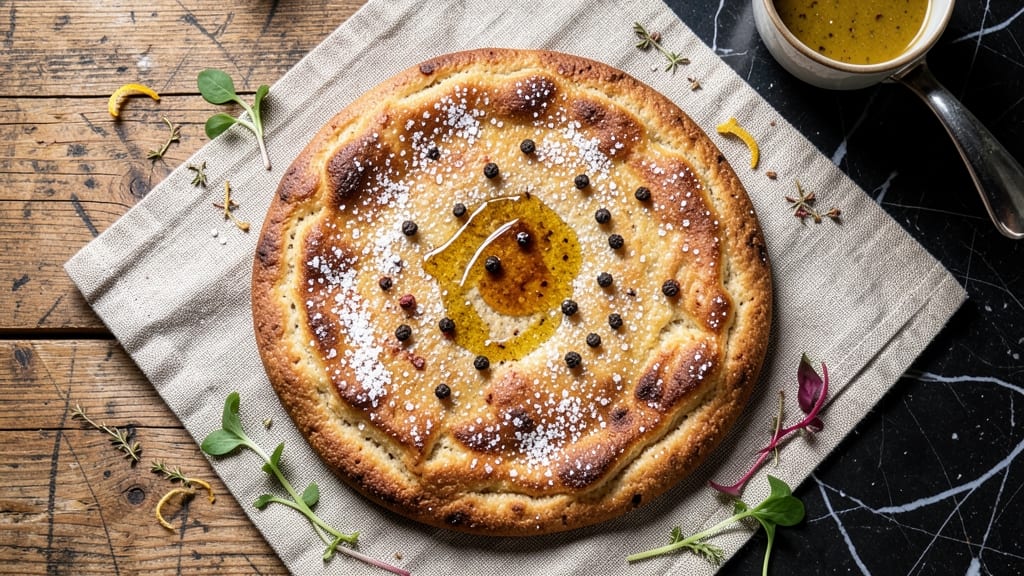
This brown rice flour flatbread recipe delivers a surprisingly lightweight, flexible dough that bakes up crisp yet tender—perfect for wraps, dippers, or even a quick crustless pizza base.
The secret lies in balancing hydration and resting time to create a dough that's both sturdy and pliable, all while harnessing the natural elasticity of brown rice flour for a gluten-free option that still holds its shape.
What sets this flatbread apart is its versatility: pan-fry for golden edges, bake for a lighter texture, or press on a griddle for even heat distribution.
The brown rice flour contributes a subtle nutty depth while keeping the final product lower in gluten and higher in fiber than traditional wheat-based flatbreads—ideal for those with dietary restrictions without sacrificing flavor or texture.
Ingredients for brown rice flour flatbread
Twelve ingredients transform into a versatile gluten-free flatbread with nutty depth and perfect pliability.
| Ingredient | Amount | Notes |
|---|---|---|
| Brown Rice Flour 🌾 | 2 cups | Finely milled for smooth texture |
| Tapioca Starch 🌾 | ¼ cup | Enhances elasticity and pliability |
| Extra-Virgin Olive Oil 🫒 | ½ cup | Cold-pressed for optimal flavor |
| Warm Water 💧 | ¾ cup | 105°F for proper hydration |
| Apple Cider Vinegar 🍎 | 1 tbsp | Balances acidity for tender dough |
| Salt 🧂 | ½ tsp | Diamond Crystal preferred |
| Ground Flaxseed 🌱 | 1 tbsp | Acts as egg substitute binder |
| Sesame Seeds 🌰 | 2 tbsp | Toasted for nutty aroma |
| Fresh Garlic Cloves 🧄 | 2 cloves | Minced for subtle flavor depth |
| Dried Oregano 🌿 | 1 tsp | Mediterranean variety preferred |
| Smoked Paprika 🌶️ | ½ tsp | Adds subtle smoky complexity |
| Avocado Oil 🫒 | 1 tbsp | High smoke point for cooking |
The quality of brown rice flour makes all the difference here. Bob's Red Mill or Anthony's Goods produce the finest grind for optimal texture—avoid pre-ground flours with coarse particles that disrupt the dough's elasticity. Tapioca starch acts as the gluten substitute, so ensure it's food-grade and finely powdered. For the olive oil, California Extra Virgin brands provide the best balance of flavor and stability. The garlic should be fresh, with vibrant cloves that yield a bright aroma when minced. Store your flours in airtight containers to prevent moisture absorption, which can degrade their binding properties over time.
No tapioca starch? Arrowroot powder works at a 1:1 ratio, though the texture will be slightly less elastic. Substitute apple cider vinegar with lemon juice at equal parts, but expect a more pronounced tartness. For sesame seeds, toast them in a dry pan for 2 minutes to enhance their aroma—black sesame adds visual contrast if you're feeling adventurous. The smoked paprika can be swapped for regular paprika, but you'll lose that subtle smokiness that elevates the flatbread's complexity. If you're making a large batch, consider using a stand mixer with a dough hook for 3-4 minutes to fully develop the gluten-free structure.
This dough requires a 30-minute rest at room temperature before shaping to maximize pliability. Store unused dough wrapped in plastic between parchment paper in the fridge for up to 5 days—re-hydrate with 1 tsp water if it feels dry. For longer storage, freeze shaped flatbreads between parchment sheets for 3 months. Reheat in a dry skillet over medium heat for 2-3 minutes per side or bake at 375°F for 8-10 minutes until golden. The flatbreads can be made ahead and stored in an airtight container at room temperature for 2 days once fully cooled.
Why You'll Love This Recipe
- No-Fuss Mix: I swear by the 5-minute stir—just flour, starch, and a splash of vinegar. No yeast, no waiting, no stress. The tapioca starch gives it that perfect chew without requiring a stand mixer.
- Crispy-Creamy Magic: That olive oil hit on a hot skillet? Golden edges, tender middle—it’s like a cross between naan and crackers. The vinegar adds a subtle tang that makes it ridiculously moreish.
- Packable Lunch Hero: I pack these cold or reheated all week—wrap them around hummus, stuff with falafel, or just eat them straight. They stay fresh for days, and honestly? They’re my go-to for lazy mornings.
- Pantry Staple Savior: Brown rice flour and tapioca starch are cheap, shelf-stable, and forgiving. No fancy ingredients, no wasted leftovers—just reliable, budget-friendly flatbreads that work for breakfast, snacks, or dinner. (Yes, even on a Tuesday night.)
Step-by-step instructions for brown rice flour flatbread
Master this technique and you'll achieve perfectly lightweight, flexible flatbreads every time.
Combine Dry Ingredients for Optimal Texture
In a large mixing bowl, whisk together the 2 cups brown rice flour and 0.25 cup tapioca starch until fully combined. The tapioca starch is crucial here—it enhances elasticity and prevents the dough from becoming too dense. Add the 1 tbsp ground flaxseed, 1 tsp dried oregano, and 0.5 tsp smoked paprika to the flour mixture, stirring gently to distribute evenly.
Next, create a small well in the center and add the 2 cloves minced fresh garlic cloves, 0.5 tsp salt, and 2 tbsp sesame seeds. The garlic adds subtle depth, while the sesame seeds contribute nutty aroma and visual appeal. Mix these ingredients with your fingers or a wooden spoon just until the garlic is evenly distributed—overmixing can develop gluten and make the flatbreads tough.
Hydrate with Wet Ingredients for Perfect Consistency
In a separate bowl, whisk together the 0.5 cup extra-virgin olive oil, 0.75 cup warm water (105°F), and 1 tbsp apple cider vinegar. The warm water ensures proper hydration without activating gluten, while the vinegar balances acidity for a tender dough. Gradually pour this liquid mixture into the dry ingredients while stirring with a wooden spoon or your hands.
Mix until a shaggy dough forms—it should hold together when pressed but still feel slightly sticky. If the dough feels too dry, add 1-2 teaspoons of warm water at a time until it reaches the proper consistency. The dough should be pliable but not wet, as excess moisture can prevent proper browning during cooking. Cover the bowl with a damp towel and let the dough rest for 15 minutes at room temperature.
Divide and Shape for Even Cooking
After resting, turn the dough onto a lightly floured surface and divide it into 4 equal portions, each roughly 4 ounces. Gently shape each portion into a smooth ball by rolling it between your palms. The resting period allows the flaxseed to fully hydrate and bind the dough, making it easier to handle. If the dough feels too sticky, wet your hands slightly to prevent sticking.
Using a rolling pin, roll each ball into a 6-inch circle, about ⅛-inch thick. The goal is even thickness for consistent cooking—press down gently but firmly to maintain structural integrity. If the dough resists rolling, let it rest for an additional 5 minutes to relax the gluten. Place the shaped flatbreads on a parchment-lined baking sheet, cover with a clean towel, and let them rest for another 10 minutes before cooking.
Cook to Golden Perfection in Avocado Oil
Heat a large skillet over medium-high heat until it's hot but not smoking. Add 1 tbsp avocado oil (its high smoke point ensures even cooking without burning). Once the oil shimmers, carefully place one flatbread in the skillet. Cook for 1-2 minutes per side until the edges turn golden brown and the center feels slightly firm to the touch.
Use a thin spatula to carefully flip the flatbread, pressing down gently to ensure even contact with the pan. Remove the cooked flatbread and transfer it to a wire rack or clean towel to cool slightly. Repeat with the remaining flatbreads, adding more oil as needed—about ½ teaspoon per batch—to maintain even cooking. The flatbreads should be flexible but not gummy, with a delicate crispness at the edges.
Serve Warm with Your Favorite Fillings
Serve the flatbreads immediately while still warm for the best texture. They should be lightweight, pliable, and slightly crisp at the edges, with a subtle nutty aroma from the brown rice flour and sesame seeds. These flatbreads pair beautifully with curries, soups, or as a wrap for sandwiches. Store any leftovers in an airtight container for up to 3 days, reheating in a dry skillet over medium heat for 30 seconds per side to restore freshness.
Pro Tips For Making Brown Rice Flour Flatbread
- Mix the Dough Dry First: I learned this the hard way—skipping this step leads to a gummy mess. Combine the brown rice flour, tapioca starch, and a pinch of salt before adding any liquid. This ensures even hydration and prevents clumping, especially with brown rice flour’s tendency to absorb moisture unevenly.
- Use Warm Water, Not Hot: Cold water makes the dough tough; hot water risks cooking the starch before it even hits the pan. Warm water (just off the tap, not scalding) activates the tapioca starch properly while keeping the texture tender. Trust me, your flatbread will thank you—it’ll be light, not dense.
- Press Thin, Roll Even: Brown rice flour dough is stubborn. Roll it thin (about ⅛-inch) and rotate the dough 90 degrees every few turns to prevent uneven thickness. I used to rush this, and my flatbreads would puff in spots and stay doughy in others. Patience here = perfect sear.
- Rest the Dough 10 Minutes: I know, you’re eager to cook it. But letting the dough sit under a damp towel for 10 minutes relaxes the gluten (even in a gluten-free blend) and makes rolling way easier. It also helps the tapioca starch bind better, so your flatbread holds together when flipping. (Yes, even if you’re impatient like me.)
Serving suggestions for this brown rice flour flatbread
Curry Pairings
These flatbreads are perfect for scooping up rich curries like butternut squash coconut curry or chickpea and spinach curry. The nutty brown rice flour complements the earthy flavors beautifully.
I love using Sriracha or harissa to add a kick when serving—just drizzle 1 tsp over the curry before adding the flatbread. 🌶️
Soup Dippers
Transform your flatbreads into dippers for hearty soups like lentil soup or tomato basil soup. The crisp edges contrast perfectly with creamy or broth-based soups. For extra flavor, brush the flatbreads with garlic-infused olive oil before serving. They'll stay flexible enough to hold up to dipping without falling apart.
Sandwich Wraps
Use these flatbreads as wraps for Mediterranean-style sandwiches with hummus, roasted red peppers, and cucumber. The pliable texture holds fillings together beautifully without needing a tortilla. For a protein boost, add grilled chicken or falafel.
The brown rice flour adds a subtle nuttiness that pairs well with bold flavors like tahini or pesto.
Pizza Base
Skip the traditional crust and use these flatbreads as a base for quick pizzas. Top with tomato sauce, mozzarella, and basil or get creative with pesto, sun-dried tomatoes, and goat cheese.
Bake at 400°F for 8-10 minutes until the cheese melts and the edges crisp. The flatbread's flexibility makes it perfect for folding into triangles after baking.
Dessert Twist
Sweet lovers, don't miss out! Brush warm flatbreads with honey or maple syrup and sprinkle with cinnamon and chopped nuts for a dessert version. Serve with Greek yogurt or whipped coconut cream for a lighter alternative to traditional sweets.
The nutty flavor of the brown rice flour adds depth to the sweetness. 🍯
Breakfast Option
Start your day with a savory breakfast wrap. Spread with cream cheese and smoked salmon or scrambled eggs with avocado. The flatbread's texture holds up well to wet fillings, making it a great alternative to bagels or English muffins. For extra flavor, sprinkle with everything bagel seasoning before serving.
Nutrition facts
Frequently asked questions
Can I make this flatbread without tapioca starch?
Yes, but the texture will be less elastic. Use arrowroot powder at a 1:1 ratio instead—it works similarly but creates a slightly firmer dough. For extra pliability, add 1 extra tablespoon of olive oil to the wet ingredients. The flatbread will still hold together but may be less flexible for wrapping.
Why does my dough feel too sticky or dry?
Sticky dough usually means too much moisture—reduce warm water by 1 teaspoon next time. Dry dough often happens with overmixing or cold ingredients. If it's too dry, add ½ teaspoon water at a time until pliable. Always let the dough rest 15-30 minutes before shaping to improve workability.
How do I store leftover flatbreads?
Cool completely, then stack between parchment paper in an airtight container. They'll stay fresh for 3 days at room temperature. For longer storage, freeze shaped flatbreads (uncooked) for up to 3 months. Reheat in a dry skillet over medium heat for 30 seconds per side or bake at 350°F for 5 minutes.
Can I make these gluten-free?
Absolutely—they're naturally gluten-free! The brown rice flour and tapioca starch combination creates a flexible dough without gluten. For extra nutrition, add 1 tablespoon chia seeds to the dry mix—they bind well and add omega-3s. Just ensure all ingredients are certified gluten-free if avoiding cross-contamination.
What's the best way to make them extra crispy?
For maximum crispness, cook in a heavy skillet over medium-high heat with avocado oil (high smoke point). Press the flatbreads down gently with a spatula during cooking to ensure even contact. For oven-baked versions, brush with oil before baking at 425°F for 8-10 minutes until golden and crisp.