
Main Courses
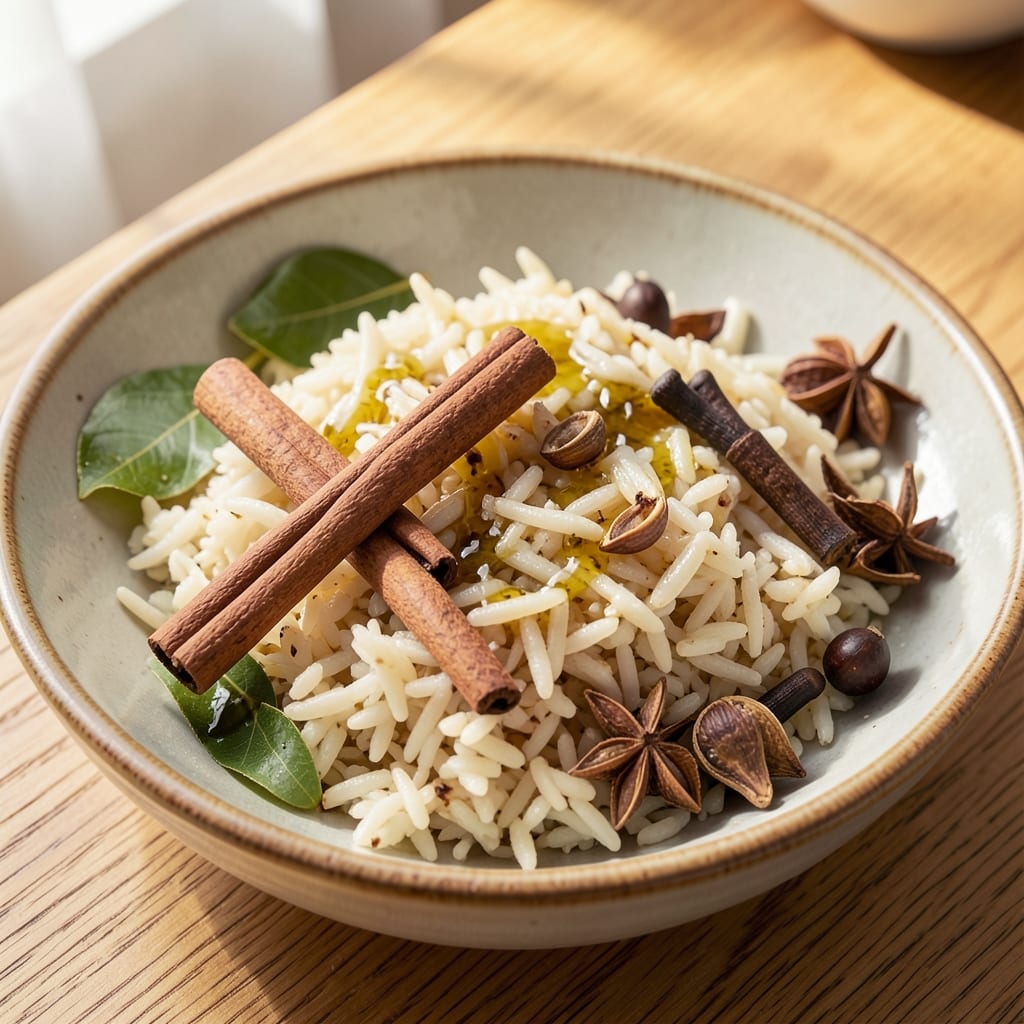
Transforming 2 cups of rice into a fragrant, golden-grain pilaf is an art that elevates simple grains into a restaurant-worthy centerpiece. The secret lies in toasting whole spices until aromatic, creating layers of flavor that infuse every bite. This method ensures perfectly tender rice with a subtle crunch—no mushy textures here. I developed this recipe after years of experimenting with rice dishes, and it consistently delivers a dish that’s both impressive and foolproof.
Start with long-grain basmati or jasmine rice, which holds its shape beautifully while absorbing the toasted spices and fragrant broth. The process begins by gently frying whole spices in oil until they release their essential oils—this step is non-negotiable for depth of flavor. Then, the rice cooks in a rich broth, absorbing the aromatic essence while maintaining its signature texture. The result? A dish that’s as visually stunning as it is delicious, with grains that glisten and a fragrance that fills your kitchen.
This pilaf serves as a versatile base for any meal—pair it with grilled chicken, roasted vegetables, or a simple yogurt sauce for a complete dish. The toasting technique ensures the spices don’t overpower but instead enhance the natural nutty flavor of the rice. Whether you’re cooking for a family dinner or a weeknight meal, this recipe guarantees a satisfying, aromatic centerpiece that will leave everyone asking for seconds.
Ready in 30 minutes, this dish requires minimal effort but delivers maximum impact. The key is patience—letting the spices toast properly and the rice cook undisturbed. Once you master this method, you’ll never settle for plain rice again. Let’s get started on creating your golden-grain pilaf.
Ingredients for 2 cups of rice
Two cups of rice transformed into golden-grain perfection with aromatic spices and rich broth.
| Ingredient | Amount | Notes |
|---|---|---|
| Long-Grain Basmati Rice 🍚 | 2 cups | Uncooked, rinsed thoroughly |
| Extra-Virgin Olive Oil 🫒 | ¼ cup | Light or medium for frying |
| Whole Cinnamon Sticks 🌿 | 2 pieces | Lightly crushed for aroma |
| Bay Leaves 🌿 | 2 whole | Dried, standard grocery store |
| Cardamom Pods 🌿 | 4 whole | Lightly crushed, seeds exposed |
| Cloves 🌶️ | 4 whole | Whole, not ground |
| Chicken or Vegetable Broth 💧 | 2 ½ cups | Low-sodium preferred |
| Unsalted Butter 🧈 | 2 tbsp | Cold, cut into small pieces |
| Diamond Crystal Kosher Salt 🧂 | 1 ½ tsp | Adjust to taste |
| Fresh Lemon Juice 🍋 | 1 tbsp | Bright, freshly squeezed |
| Fresh Parsley 🌿 | ¼ cup | Chopped, for garnish |
| Toasted Almond Slices 🥜 | ¼ cup | For crunchy garnish |
The spices are where the magic happens. Penzeys or your local spice shop for whole spices—they release more aroma than pre-ground. Look for cinnamon sticks with tight layers (fewer cracks), and make sure your cardamom pods are plump, not shriveled. Whole Foods or Trader Joe's usually carry good quality. Toast them in olive oil until fragrant—this step is non-negotiable for depth. The butter adds richness, so use high-quality unsalted (like Plugrá or Land O'Lakes Organic) and cut it cold for even distribution. For the rice, basmati or jasmine—both hold their shape beautifully, but basmati has that signature nutty aroma.
No whole spices? Ground cinnamon at half the amount works, but you'll lose that toasted depth. Short on cardamom? Allspice berries at the same quantity mimic the warmth. Using vegetable broth instead of chicken? Add a splash of soy sauce for umami. The lemon juice brightens the dish—if you're out, white wine vinegar at the same amount works. For the garnish, toasted almonds can be swapped for pistachios or cashews, but almonds have that perfect crunch. The parsley is optional but adds freshness—dried oregano at a pinch if you're really in a bind.
This pilaf tastes even better the next day—store in an airtight container for 4-5 days in the fridge. Freeze portions for up to 3 months if you're prepping ahead. I always make a double batch because it disappears fast—perfect for meal prep. The rice stays fluffy if you spread it out on a tray to cool before storing. For serving, a squeeze of lemon and extra toasted almonds make it restaurant-worthy every time.
Why You'll Love This Recipe
- Five-Ingredient Magic: I swear by this—just rice, olive oil, and three whole spices. No chopping, no fuss, and the aroma alone makes my kitchen feel like a spice shop in Istanbul. That first bite? Warm, nutty, and impossible to stop eating.
- Spice Bomb Flavor: Between us, cardamom and cinnamon sticks turn plain rice into something ridiculously good. The bay leaves add this earthy depth, while the olive oil keeps it luscious. Honestly, I’d eat this by the spoonful if I had to.
- Meal Prep MVP: This keeps for days in the fridge, reheats like a dream, and doubles as a base for curries, salads, or even breakfast bowls. I make a big batch Sunday night—my lazy weeknights thank me every time.
- Budget Bright Spot: Two cups of rice costs pennies, and these spices? You’ll use them in everything. No wasted ingredients here—just pure, flavor-packed efficiency. My wallet and taste buds win every time.
Step-by-step instructions for golden-grain pilaf with toasted spice layers
This aromatic pilaf delivers perfectly fluffy rice with layers of nutty toasted spices and buttery richness.
Toast the Spices and Prepare the Base
Heat the 0.25 cup extra-virgin olive oil in a medium saucepan over medium heat until shimmering but not smoking. Add the 2 pieces whole cinnamon sticks, 2 whole bay leaves, 4 whole cardamom pods, and 4 whole cloves. Cook for 1-2 minutes until the spices release their fragrance—you should smell warm, earthy notes with a hint of citrus from the cardamom.
Real talk: Don't rush this step. The spices need time to bloom and infuse the oil with their flavors. If you smell burning, reduce the heat immediately. Once the spices are fragrant, remove the pan from heat and let the spices steep in the oil for 5 minutes while you prepare the rice.
Sauté the Rice and Add Butter
Return the pan to medium heat and add the 2 cups long-grain basmati rice, stirring to coat each grain evenly with the spiced oil. Cook for 3-4 minutes until the rice becomes translucent at the edges and begins to develop a slight golden color. This is where the magic happens—the rice absorbs the spice-infused oil, ensuring every bite carries that aromatic punch.
Push the rice to one side of the pan and add the 2 tablespoons cold unsalted butter to the empty space. Let it melt completely, then stir it into the rice until fully incorporated. The butter adds richness and helps create that signature golden hue. Here's the thing—if you skip this step, your pilaf will lack that luxurious finish.
Cook with Broth and Build Layers
Pour in the 2.5 cups chicken or vegetable broth and the 1.5 teaspoons kosher salt, stirring gently to combine. Bring to a gentle simmer, then reduce heat to low. Cover the pan with a tight-fitting lid and cook for 12-15 minutes without lifting it. You want the rice to steam evenly and absorb all the liquid—this is where patience pays off.
After 12 minutes, check the rice by lifting the lid slightly. If the liquid has been absorbed and the rice is tender but still slightly firm to the bite, it's ready. If there's still liquid remaining, cover and cook for another 1-2 minutes. The rice should be al dente—soft in the center but with a slight bite. Overcooking leads to mushy rice, and nobody wants that.
Finish with Lemon and Garnish
Once the rice is perfectly cooked, remove the pan from heat and stir in the 1 tablespoon fresh lemon juice. This brightens the flavors and cuts through the richness of the butter and spices. Let the pilaf sit covered for 5 minutes—this resting period allows the rice to finish absorbing any remaining liquid and develop its final texture.
Garnish with the 0.25 cup chopped fresh parsley and 0.25 cup toasted almond slices, scattering them evenly over the top. The parsley adds a fresh contrast to the warm spices, while the almonds provide a delightful crunch. Serve immediately while the rice is still warm and the spices are at their peak aroma. This pilaf tastes even better the next day, but it's hard to wait that long!
Pro Tips For Making 2 Cups Of Rice
- TOAST THE SPICES FIRST: Heat your olive oil in the pot until shimmering—then add the cinnamon sticks, bay leaves, and cardamom pods for 30 seconds. This wakes up their flavors before the rice even hits the water, making the whole dish smell like a spice market instead of just "background notes." (Yes, even if you’re in a hurry.)
- USE 2 CUP WATER—NOT 2:1: Basmati rice absorbs differently than white rice—stick to 2 cups water for 2 cups rice, no matter what the package says. Too much water = mushy; too little = dry. If your pot’s shallow, add a splash more, but don’t guess.
- STIR ONCE, THEN LET IT BE: After adding the rice, stir just once to distribute it evenly. Then walk away. Poking or stirring again breaks the grains and turns your fluffy rice into a gluey mess. Trust the process—this isn’t oatmeal.
- REMOVE SPICES BEFORE RESTING: Take out the cinnamon sticks, bay leaves, and cardamom pods before covering the pot to rest. They’ll keep releasing bitterness if left in, especially if you’re letting it sit 10 minutes. Toss them in later if you want flavor, but not at the cost of taste.
Essential equipment for 2 cups of rice
Essential Pots & Pans
You’ll need a medium saucepan with a tight-fitting lid—I use my All-Clad Stainless Steel 3-Quart Saucepan because it distributes heat evenly and prevents scorching. The lid is critical for trapping steam and cooking the rice perfectly. If you don’t have one, a heavy-bottomed pot (like Le Creuset) works too—just avoid thin, flimsy pans that can’t maintain steady heat. 🔥
Spice Toasting Tools
A small mortar and pestle comes in handy for lightly crushing whole spices like cardamom and cinnamon sticks before toasting. I keep a handheld spice grinder (like the OXO Good Grips) nearby for quick adjustments if needed. For toasting, a medium heat setting on your stove is ideal—avoid high heat, which can burn spices before they release their aroma.
Measuring & Prep Gear
Precision matters here! Use a kitchen scale for the rice (though cups work in a pinch) and a fine-mesh strainer to rinse it thoroughly before cooking. A microplane is great for zesting lemon if you want extra brightness. I also keep a small bowl nearby to steep the spices in oil while prepping the rice—this keeps everything organized.
Garnish Essentials
Toasted almonds need a baking sheet and a spatula for even spreading. For parsley, a sharp chef’s knife and cutting board make quick work of chopping. If you’re short on time, pre-chopped parsley from the store works fine—just pat it dry to avoid soggy garnishes. A small bowl for mixing lemon juice into the finished pilaf keeps everything tidy.
Optional Upgrades
For extra aroma, a spice infusion bag (like Mason jar spice bags) lets you steep spices in broth without straining. A digital thermometer helps monitor broth temperatures if you’re nervous about perfecting the simmer. And if you love pilafs, a rice cooker with a steaming basket (like Zojirushi) can handle the broth step hands-off while you focus on garnishes.
Nutrition facts
Frequently asked questions
Can I substitute basmati rice with another type?
For this pilaf, jasmine rice works beautifully—it has a similar texture and absorbs flavors well. If you prefer short-grain rice like sushi rice, reduce the broth by 0.25 cup since it absorbs more liquid. Avoid sticky rice varieties like arborio unless you adjust the cooking time to 10-12 minutes instead of 12-15 minutes. The key is choosing a rice that holds its shape but still becomes tender.
What if I don't have whole spices?
No problem! Use ground cinnamon (½ teaspoon), ground cardamom (¼ teaspoon), and ground cloves (⅛ teaspoon) instead of the whole versions. Toast them in the oil for 30 seconds to release their aroma, then proceed with the recipe. For bay leaves, dried works fine—just add 1 teaspoon of dried bay leaf powder if you can't find whole leaves. The flavor won't be identical, but it'll still be delicious.
How do I prevent the rice from getting mushy?
The secret is patience! After adding broth, bring to a gentle simmer (not a rolling boil) and reduce heat to low. Cover tightly and cook undisturbed for the full 12-15 minutes. Avoid lifting the lid early—steam is what keeps the rice fluffy. If you're worried, use 2.25 cups broth instead of 2.5 cups to give the rice a little more room to absorb liquid without overcooking.
Can I make this pilaf ahead of time?
This dish actually tastes better the next day! Store in an airtight container in the fridge for 4-5 days. Reheat gently in a saucepan with 1-2 tablespoons broth or water, covered, over low heat for 5-7 minutes. Stir occasionally and add more liquid if needed. For freezing, portion into single servings and freeze for up to 3 months. Thaw overnight in the fridge before reheating.
What are the best protein pairings for this pilaf?
This aromatic pilaf pairs perfectly with mild proteins that won't overpower the spices. Try grilled chicken thighs (marinated in lemon and garlic), pan-seared salmon fillets, or crispy shrimp skewers. For vegetarian options, roasted eggplant with tahini or sautéed mushrooms with garlic work beautifully. The key is balancing rich proteins with the bright lemon finish of the pilaf—think Mediterranean or Middle Eastern flavors.